
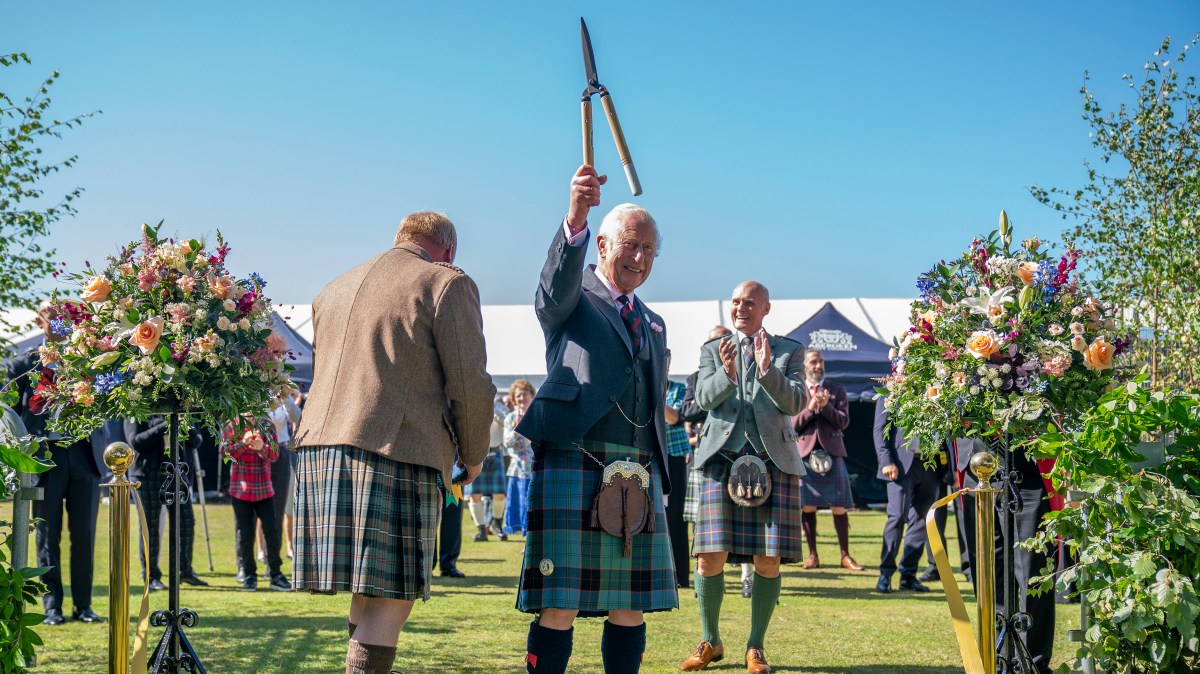
The King’s intricate gardens at Dumfries House and Sandringham have been designed as places of peace and tranquillity for visitors.
It seems, however, that every now and then the serenity may well be punctuated with an outburst from a secateur-wielding monarch, as Charles admits: “I do cut bits of my fingers off occasionally”.
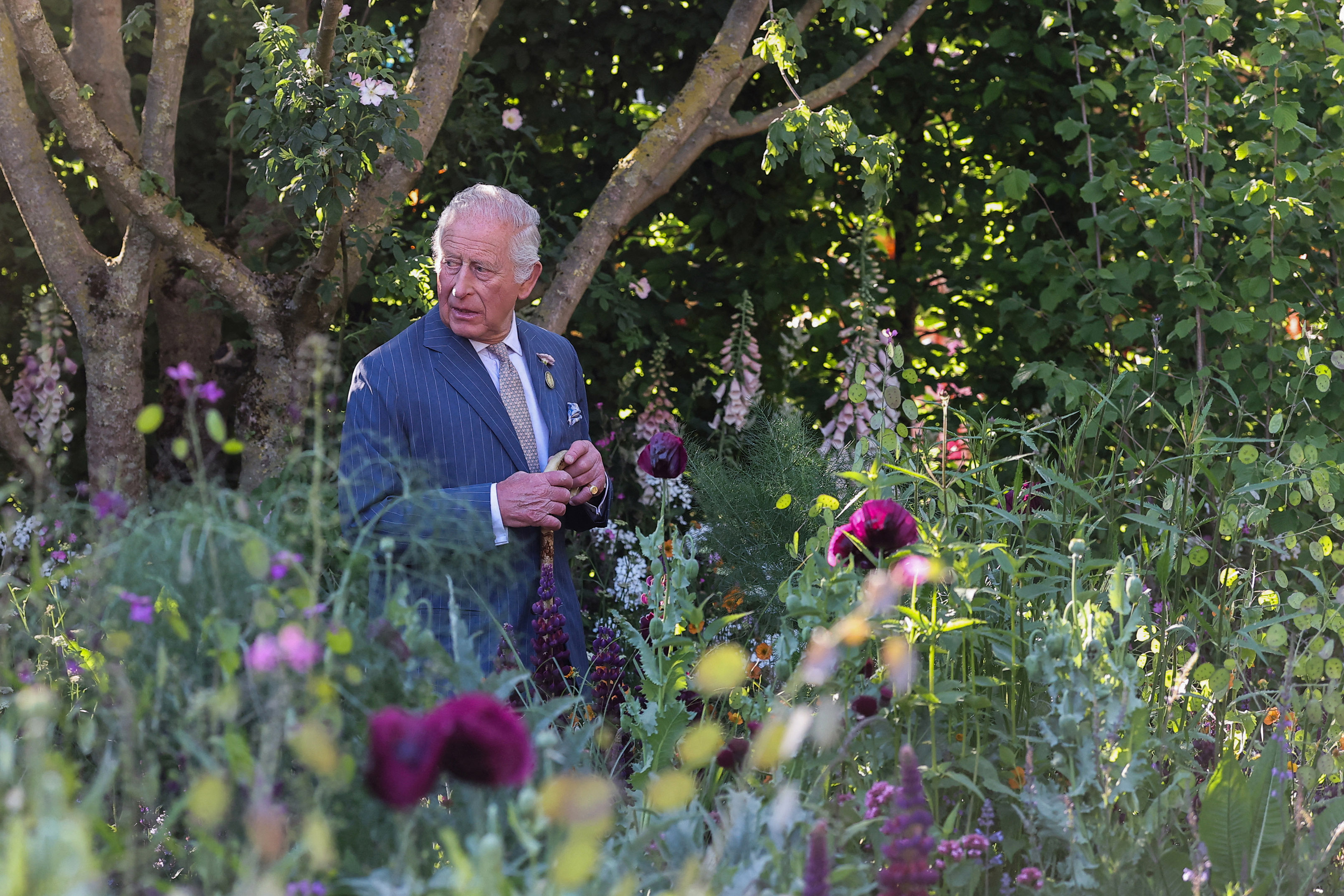
In a programme recorded for Radio 4, the King talks about his hands-on approach to gardening and how his passion for topiary was influenced by his grandmother, the Queen Mother, and great-great-grandmother, Queen Alexandra.
TOBY MELVILLE/AFP/GETTY IMAGES
The King said that his introduction to gardening began when he was “wheeled” around in his pram through the dairy garden at Sandringham where Queen Alexandra, consort of Edward VII, had planted yew trees.
That inspired Charles to recreate a topiary garden in her name at Sandringham, where Edward VII at one time employed more than 100 gardeners.
Speaking to the BBC presenter Martha Kearney for an episode of Radio 4’s This Natural Life, the King said: “I have very extraordinary memories of my great-great-grandmother, Queen Alexandra’s wonderful little topiary garden at Sandringham.
“That really fascinated me as a very small child and I’ve had this passion for topiary ever since.
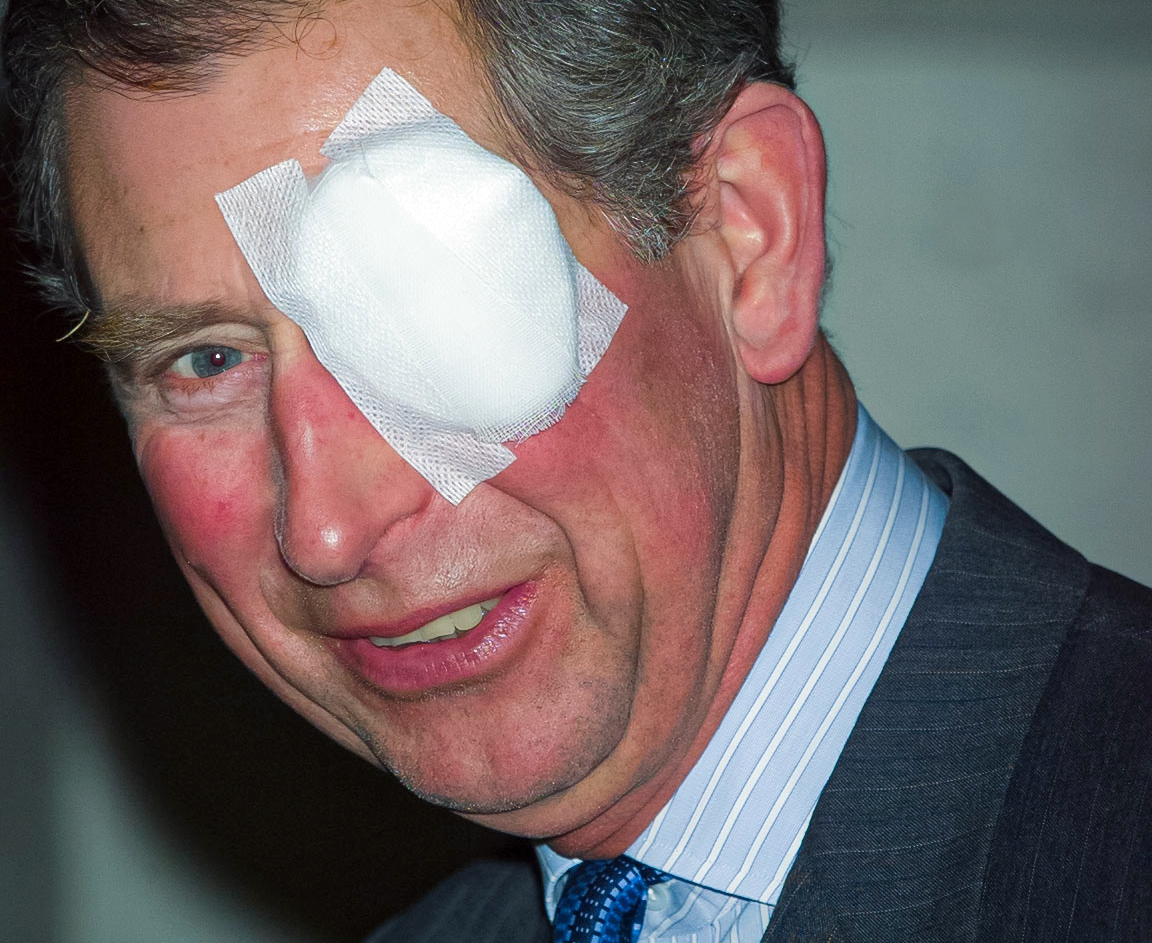
Charles was said to have caused an injury to his eye in 2001 while gardening
MAX MUMBY/INDIGO/GETTY
“But also I remember my grandmother’s garden at Windsor. That had huge associations for me, and I was always able to potter about there.
“I think I was just one of those people who generally responded to being outside and looking and observing.”
As a young prince, Charles had a close relationship with this maternal grandmother, the Queen Mother, spending time with her at Royal Lodge, her home on the Windsor estate.
Within the grounds, Charles would help in the garden and play in the “Little house”, a Wendy house that was a gift to his mother, the late Queen, when she was a young princess from the people of Wales.
• King Charles’s grand design for Dumfries House was ‘appalling risk’
When Kearney asked whether Charles, as a grandfather himself, pointed out things of interest to his own grandchildren, he laughed and replied: “I try.”

VICTORIA JONES/GETTY IMAGES
Speaking about his interest in gardening, he said: “Well, I’m afraid I do rather enjoy trying to make the environment even more interesting with subtle intervention. I spend my life going round with my secateurs.”
In the programme, which will be broadcast on Radio 4 on December 23 and repeated on Christmas Day, the monarch went on to speak more broadly about children’s education when it came to food production, saying that it was a “tragedy” that there are no longer school farms.
He said: “We are what we eat in so many ways. Even allotments are only now beginning to come back in fashion after being abandoned.”
He added: “I remember there used to be many more school farms, and nearly all of them have been shut down or sold off, which is a tragedy, because in fact, there were marvellous ways for people to learn biology or economics or goodness knows what else, because of actually looking after animals.”
• King Charles designs new gardens at Sandringham — ahead of Andrew’s move
Charles did say, however, that there was hope for the future when it came to humans’ impact on the environment.
He said: “For instance, in the marine environment, there are horrors being perpetrated all the time. But just for something like bottom trawling, which does untold damage to the marine environment, if you stop it, then even in two or three years, it can come back. They prove that. So there is hope if we are sensible about how we are using these resources.”
The King will release an Amazon Prime documentary in early 2026 that sets out his view of how humans can live in harmony with nature.
With footage taken across the King’s estates including at his gardens at Dumfries House in Ayrshire and at Highgrove, it is expected to showcase his work to champion environmental concerns.
The new Radio 4 programme features the site at Dumfries House, which has a pig farm and where the King’s Foundation hosts educational visits for schools.
When Kearney told the King that she had tried “companion planting”, by placing “marigolds next to my carrots to try and keep away carrot flies,” he replied: “It probably works”.
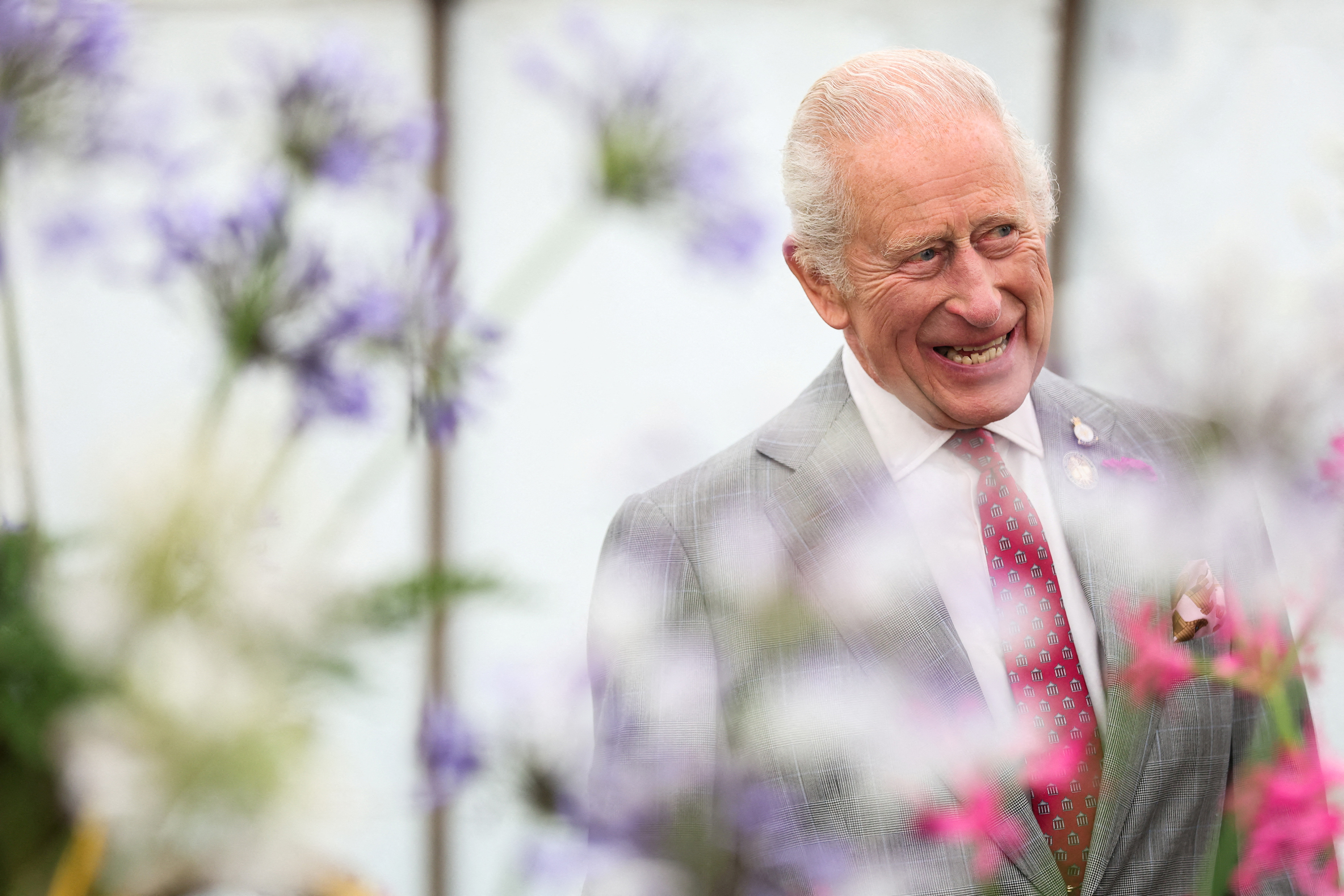
Speaking afterwards, she said: “It was great to see the King so relaxed in a place which means so much to him and where he puts his philosophy of nature into practice.”
Kristina Murrin, chief executive of The King’s Foundation, said: “The King has had a profound impact on the Dumfries House estate since saving it for the nation in 2007. We are delighted to share the story of Dumfries House in the King’s words with Radio 4 listeners this Christmas.”
• This Natural Life airs on BBC Radio 4 on December 23 at noon and will be repeated on Christmas Day.
Comments are closed.