
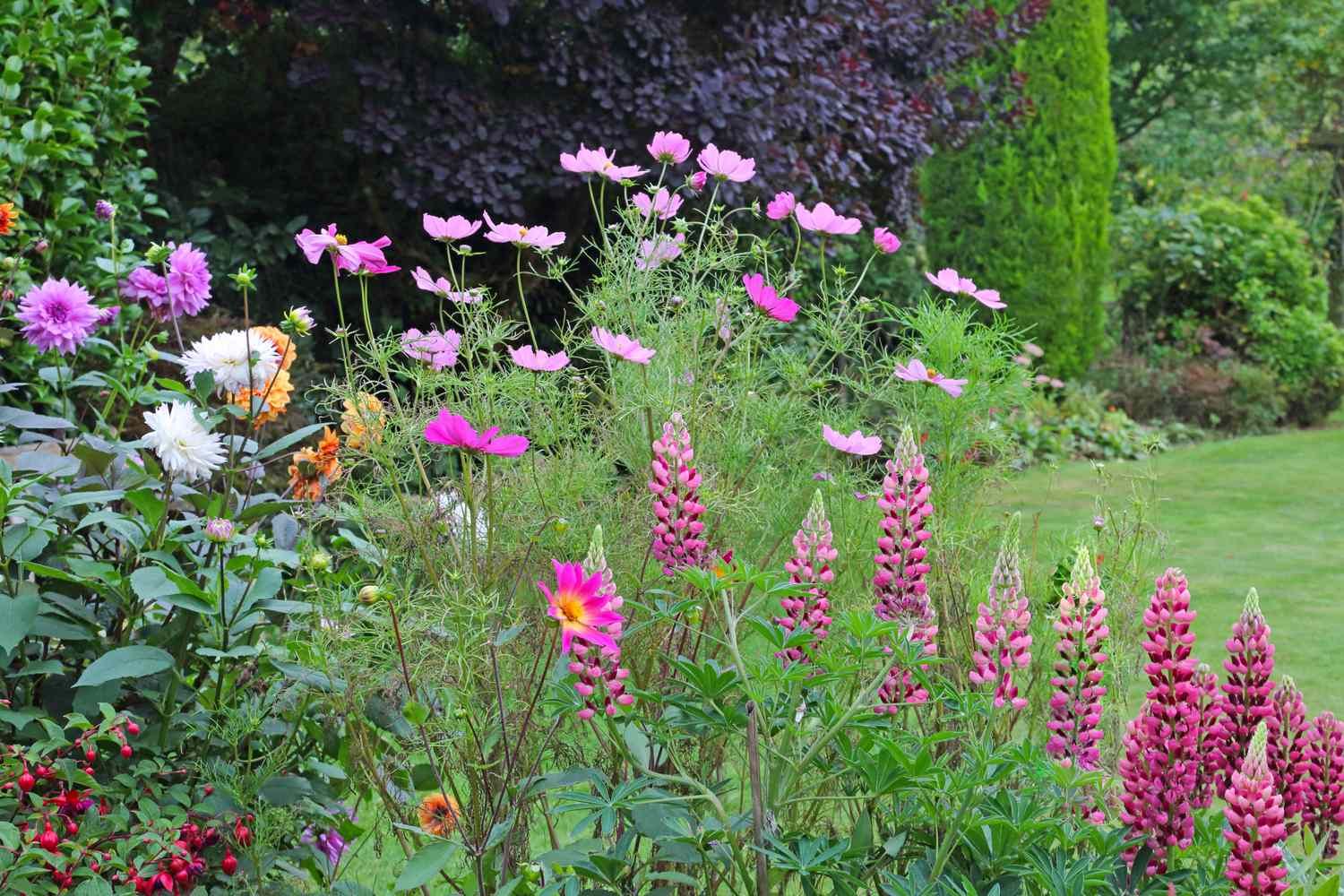
From eco-friendly practices to AI-powered backyard design, gardening trends are expected to evolve in the coming year while still staying true to their roots with classic blooms like hydrangeas and landscaping movements such as “rewilding.”
The Pennsylvania Horticultural Society (PHS) just unveiled its top gardening trends of 2026, highlighting the ideas, practices, and emerging aesthetics that will shape how people plant in the year ahead.
“Gardening continues to evolve as people explore new ways to connect with nature, express creativity, and grow food and beauty in their own spaces,” Andrew Bunting, vice president of horticulture at PHS, said in a release. “The 2026 trends reflect how gardeners are experimenting, learning, and finding joy in every corner of their gardens.”
Here are the top trends that will be sprouting up in 2026.
Rewilding
For this trend, homeowners are letting portions of their properties “rewild”—which means reducing human interference, letting ecosystems self-regulate, and bringing back functional wildlife. But this doesn’t mean letting the landscape go completely untamed; some level of intention is needed. The PHS says it’s important to allow native species to come back while deterring invasive exotic plants.
Gravel Gardening
This xeriscaping approach is gaining popularity with many notable public gardens, including the Scott Arboretum and Gardens, PHS Meadowbrook Farm, and Olbrich Botanic Gardens. In addition to being aesthetically pleasing, this type of gardening promotes smart water usage with gravel serving as mulch for drought-tolerant plants. Thanks to its strong visual appeal, the technique is a win-win for homeowners looking to create a beautiful garden while being more environmentally sound.
Boutique Flower Farms
Over the last decade, the PHS reports that boutique flower farms have emerged across the country, influencing how people buy and enjoy cut flowers. This movement reflects a growing interest in locally grown flowers that are fresher, more seasonal, and often cultivated using sustainable practices.
Maximalist Design
Similar to interior design, gardeners are embracing maximalism in the new year, with bold designs that highlight creativity and color, according to the PHS. This approach promotes full, personality-packed gardens and is perfect for those who don’t shy away from color.
Houseplants
In recent years, houseplants have become a global obsession for many apartment dwellers and homeowners, and you can expect the trend to continue into the new year. According to the PHS, aroids (aka any plant from the large Araceae family) will remain popular in 2026, with some cultivars in high demand for their unique foliage patterns. Popular options include monstera, philodendron, and pothos.
Snake plants will also remain stalwart perennials, with new cultivars such as Pagoda Tower, Jewel Crown, Lili Put, Tiger Crown, and Hedgehog boasting unique foliage as well as being easy to maintain. Plus, expect kokedama—a decorative planting technique where plants are grown in a compact, soil-filled ball wrapped in natural fiber such as coconut coir and displayed without a traditional pot—to pop up as a popular way to showcase orchids and other tropicals in people’s homes.
Fruit Growing
Homeowners’ interest in fruit growing continues to rise, the PHS reports. For example, in the South, there is a considerable movement around the cultivation of the native paw paw, with festivals popping up in an effort to help gardeners start their crops. If you’re curious about cultivating your own fruit trees, the PHS recommends reaching out to an organization near you that can assist with any fruit-growing questions. Popular options to consider growing include Asian and American persimmons, serviceberry (also called juneberries or Saskatoon berries), and dwarf figs.
Artificial Intelligence
According to the PHS, several garden design applications utilize AI, and many plant identification apps also use the technology to help people identify and learn about plants they spot in the wild.
But beware. You also may have seen fantastical images of hostas, elephant ears, and other plants that seem otherworldly, with some sites offering to sell you seeds to grow these non-existent plants. Because many of these images are AI-generated, the organization warns gardeners to do their due diligence.
Hydrangeas
While enthusiasm for some plant groups ebbs and flows over time, hydrangeas have remained popular, with many of the world’s largest plant breeding companies introducing new ones each year. However, expect native species of the flowering plant, including smooth and oakleaf hydrangea, to remain popular.
Eco-Friendly Practices
Creating gardens that benefit the environment and support a host of ecological functions will be an ongoing trend, the PHS predicts. Native plants remain essential, especially pollinator-friendly species like butterfly milkweed, which attracts the threatened Monarch butterfly. Gardeners are also reducing lawn areas and adopting practices like “leaving the leaves” to create a habitat for overwintering insects, while plants like chokeberry and giant coneflower provide important food sources for birds.
If you’re interested in welcoming more critters into your yard, consider adding a habitat pile to your outdoor space. These aesthetically arranged piles of twigs, branches, and perennial stems offer shelter for insects, mammals, and birds. Many gardeners are also adding creative “bee hotels”—man-made structures with hollow tubes or drilled holes that mimic natural nesting sites—to support solitary bees, according to the PHS.
Comments are closed.