
I am unsure about this Leave the Leaves movement for an urban environment. What are the basic benefits, and can you offer a few tips on how to practice this when the homes on The Hill have such small yards?
After much science-based information, the Xerces Society has played a key role in educating the public about the importance of leaving the leaves. Leaves provide essential cover for overwintering insects, in addition to decomposing over the winter, releasing nutrients back into the soil. Even if you have a small lawn, it is safe to leave at least 15% of the leaves in place without inviting diseases to damage the lawn. Here are a few ways to include meaningful actions in a small space:
1. Create small piles of sticks and leaves in an inconspicuous place in the garden. Behind an evergreen border or in a corner at the back of your property.
2. Place fallen leaves in existing garden beds to provide a layer of mulch. Be sure to leave the crowns of perennial plants uncovered to avoid rotting. Oak leaves take a little longer to decompose than other finer smaller leaves. Consider using them in an out of the way compost pile or behind taller plants.
3. Use the leaves as a mulch for existing shrubs. Be sure to leave a 1- 1.5-inch space around the trunk to avoid inviting decay or disease.
4. Remember to discard any leaves which show signs of disease.
Here is their website to find out more: https://xerces.org/leave-the-leaves

 Alliums in package
My garden seems so bleak with minimal interest or color during the winter months. What do you suggest to jazz up my smaller urban garden?
The winter garden is often misunderstood. Pots with violas and pansies are always welcome for winter color. Utilizing an evergreen in the garden can enhance space. Consider using evergreens with architectural interest, such as Squeeze Box Inkberry Holly (Ilex glabra). This slim easy-care shrub is perfect for the urban garden. Growing only 4 – 6 feet tall and averaging 2-3 feet wide. Perfect for that special focal point in the ground or even in a pot, for a more formal look. It is a male holly with no berries; however, it is the pollinator for Gem Box (Ilex glabra). Under planted with seasonal pops of color, these are great to use instead of the common boxwood. Both are resistant to disease, winter burn, and deer. Alternatively look for evergreens with variegated foliage that will fit your needs, such as Daisy White Dwarf Alberta Spruce (Picea glauca)
What is a dependable bulb other than the normal tulips and daffodils that I can plant now, and provides color to the garden next year?
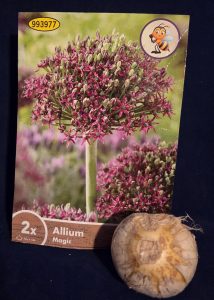
Consider using alliums. Alliums come in so many different heights, colors, and bloom ranges. They are the perfect accent that will stand out in next season’s garden. They attract pollinators, many have a pleasant fragrance, and deer resistant. Whether fresh or dried, alliums can also be used in arrangements. Planting alliums in pots or in the garden will attract early bees, as well as other pollinators while they are in bloom. Make certain your site drains well. Another benefit of growing alliums is that squirrels are not interested in them and usually will not dig them up. Try Allium ‘Mount Everest’ or ‘Schubertii’ for a statement planting – you will not be disappointed.
Want to learn more about gardening or spend time with people who like plants? For more information go to the Capitol Hill Garden Club website at capitolhillgardenclub.org.
Comments are closed.