
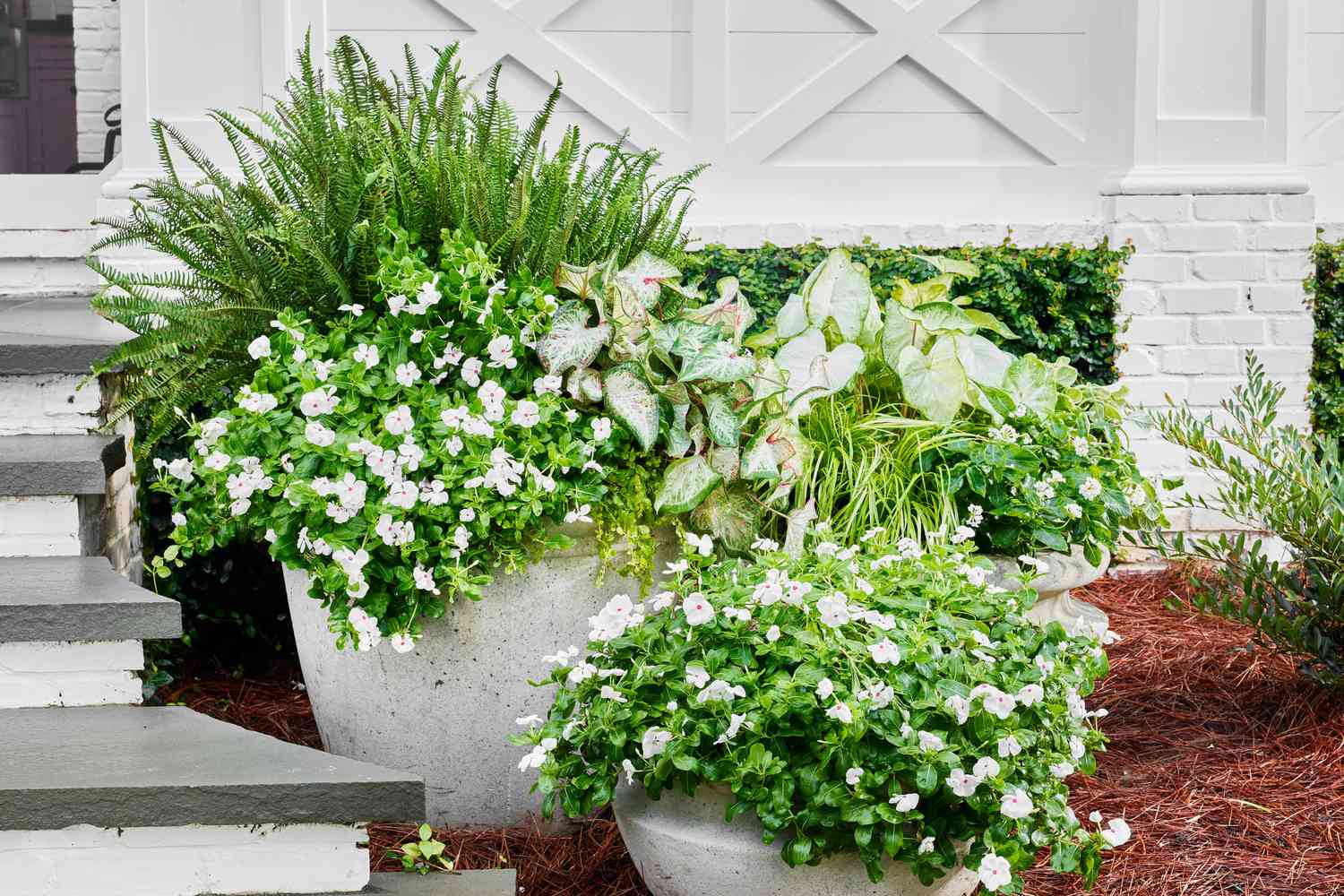
Before freezing temperatures arrive, you may be getting your yard ready for the winter ahead by raking leaves, pruning shrubs, mulching, and clearing plants that have died back for the season. Don’t overlook the garden pots and containers on your porch or patio. It may seem harmless to leave them out to add a little winter interest to your yard, but leaving them outdoors all winter long can actually damage your pots. Before you close the garden shed for the season, here’s how to safely prepare and store your garden pots to protect them during winter.
Why You Should Store Garden Pots
Pots and containers left outdoors during the winter are prone to cracking as moisture freezes and thaws and causes the soil to expand and contract. Terracotta, thin ceramic, and plastic pots are particularly susceptible to cracking. Unglazed terracotta pots are porous and can absorb moisture that can lead to breakage as it freezes. Plastic can become brittle and weak over time, and moisture can get under the glaze or finish of pots that already have chips or cracks. Wood, fiberglass, resin, and metal containers—and those that are designed to withstand frost—can handle freezes better than other materials. If there’s nothing actively growing in them, cleaning and storage are the best way to keep pots in good shape since sunlight can also cause them to fade in color.
If you have glazed pots or containers made with materials that are frost-proof and choose to keep them outdoors for the season, you can create a winter container and elevate the pot to make sure water drains away from it.
How To Prepare Garden Pots For Winter
To get your garden pots ready for winter storage, you’ll need a tarp, soap, water, a soft brush, and a clean cloth. Bleach can also be used if needed. Wait for a sunny day to clean your containers so you can contain the mess outdoors and allow your pots to air-dry.
First, remove all plant material and soil. Empty the pots out onto a tarp. Use any healthy soil to supplement flower beds or add it to a compost pile.
Use warm, soapy water and scrub the inside and outside of the pots. Remove any soil buildup or residue, and rinse. Make sure no dirt remains because it can harbor disease until next year.
If the plant inside the pot was affected with fungus, bacteria, or pests, clean the pot with diluted bleach. Mix a solution of one part bleach to nine parts water in a bucket and use gloves to protect your hands while cleaning.
Rinse the pots and dry completely with a clean cloth. Let them air-dry to make sure no moisture remains, particularly for porous containers.
How To Store Garden Pots
Store garden pots in a sheltered location where they won’t be exposed to winter weather and extreme or freezing temperatures. A shed, garage, covered porch, or basement are good options.
How To Store Based On Container Material
To store ceramic, stone, or terracotta pots, you can nest smaller pots inside larger pots and add cardboard or newspaper between them to prevent scratches. Wrap the pots in paper for extra protection. Don’t stack a heavy or similar-sized pot into another one, because they can become stuck, leading to breakage. Make sure there’s room to add a barrier between the pots, such as old towels or foam to avoid chips. Plastic pots are more lightweight and harder to damage, so simply stack them and store them upside down.
Outdoor Storage
If you need to store your pots outdoors, keep them off the ground and away from moisture. Stack them upside down on narrow boards or bricks to elevate them, and cover them with a tarp to keep rain and snow from collecting inside.
If a pot is too heavy to move indoors, you can still add winter protection by wrapping them with burlap, blankets, bubble wrap, or old towels. If it still has plants inside, such as for a winter container garden, set the pot on pot feet or bricks to keep it off the ground where water can pool and later freeze.
Comments are closed.