
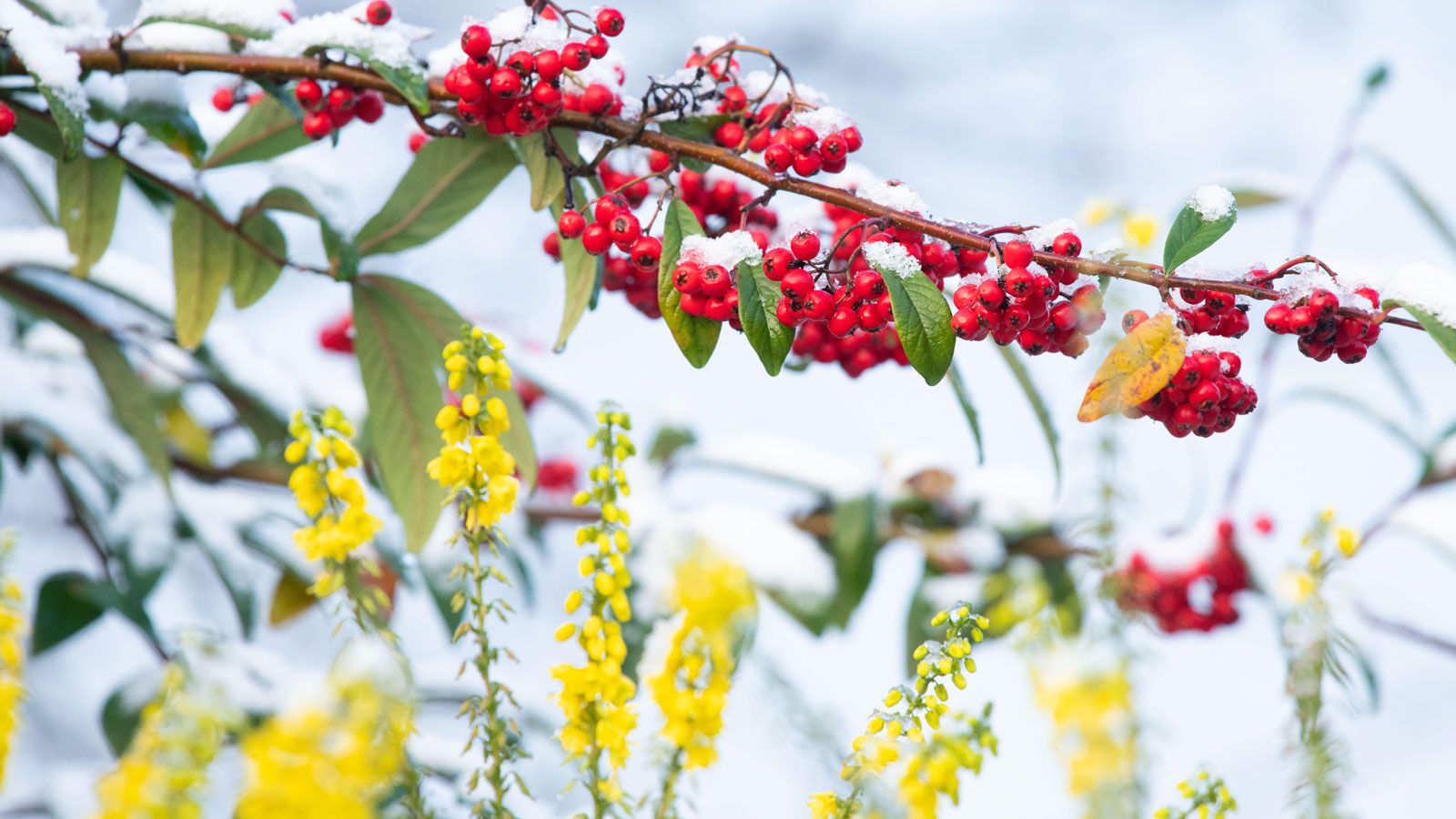
If you’re looking for something to brighten the yard at this time of year, your search is over. There are winter plants for all colors of the rainbow that can be used to bring things to life in the garden. Choose carefully considered varieties that offer colorful berries, foliage, stems and occasional flowers to add bold touches that will lift the garden with welcome details.
Gardens can still be colorful and interesting during the cool season if you seek out plants that will make their mark. Flowers may be few and far between at this time of year, but in the stripped back garden those that do flourish will add something that’s even more special as the spotlight is so firmly on them.
If you feel your garden is a little muted and love the idea of including splashes of vibrant yellow, red and orange, or perhaps inky blue, violet and purple in your winter garden ideas consider these expert suggestions for rainbow plants to help enhance the space with vibrant touches of color.
You may like
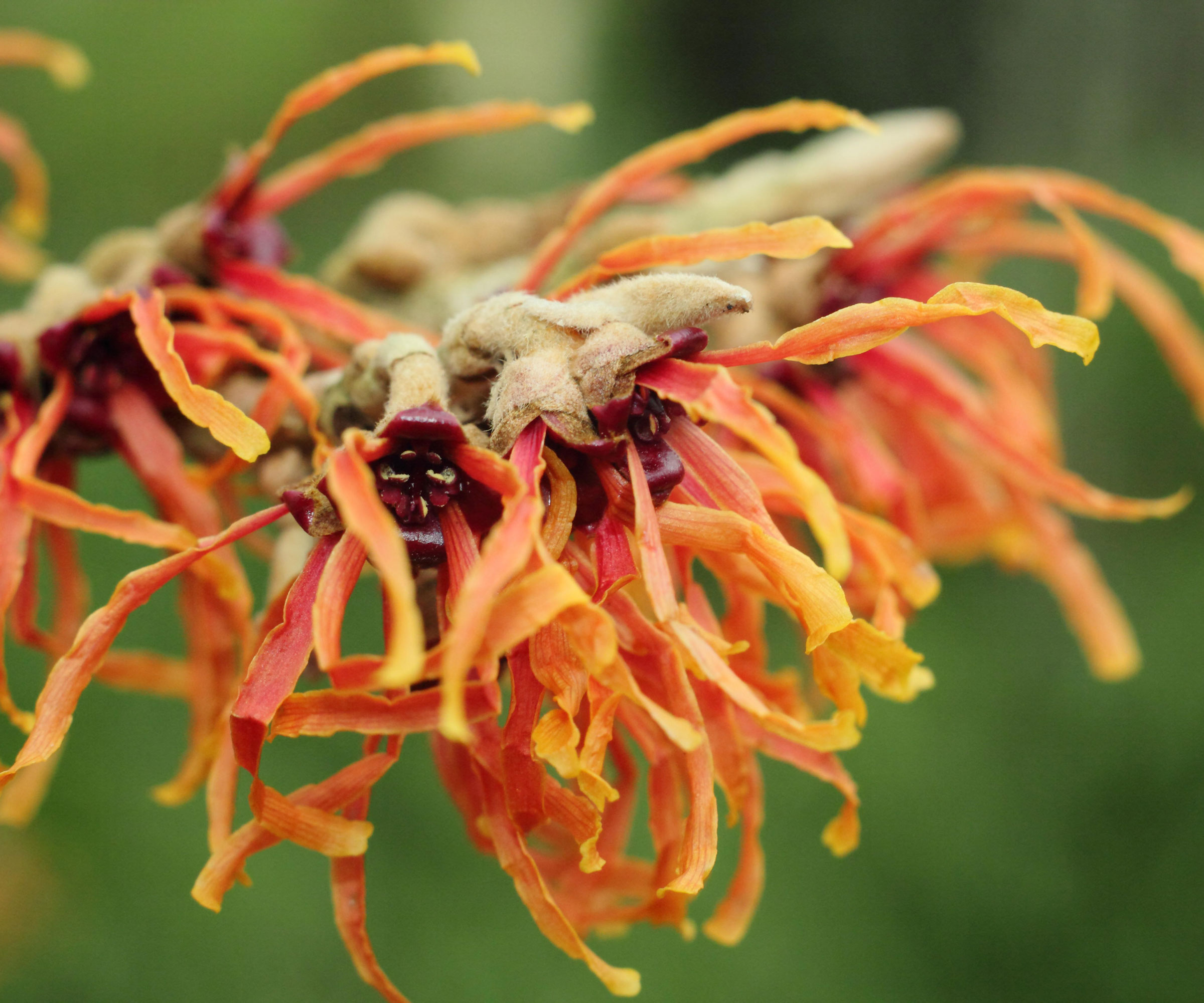
The lovely tasselled orange flowers of Hamamelis (witch hazel)
(Image credit: Matthew Taylor/Alamy Stock Photos)
7 Wonderful Winter Plants in the Colors of the Rainbow
Enjoy these wonderful winter plants for all colors of the rainbow so your yard doesn’t have to look gray this season. Some of the best winter plants for pots and borders come in this color range.
We asked Mary Phillips, an ambassador for native plants at the National Wildlife Federation, to share her ideas on this theme, and added some of our own too.
Red: Winterberry
(Image credit: Shutterstock/Damann)
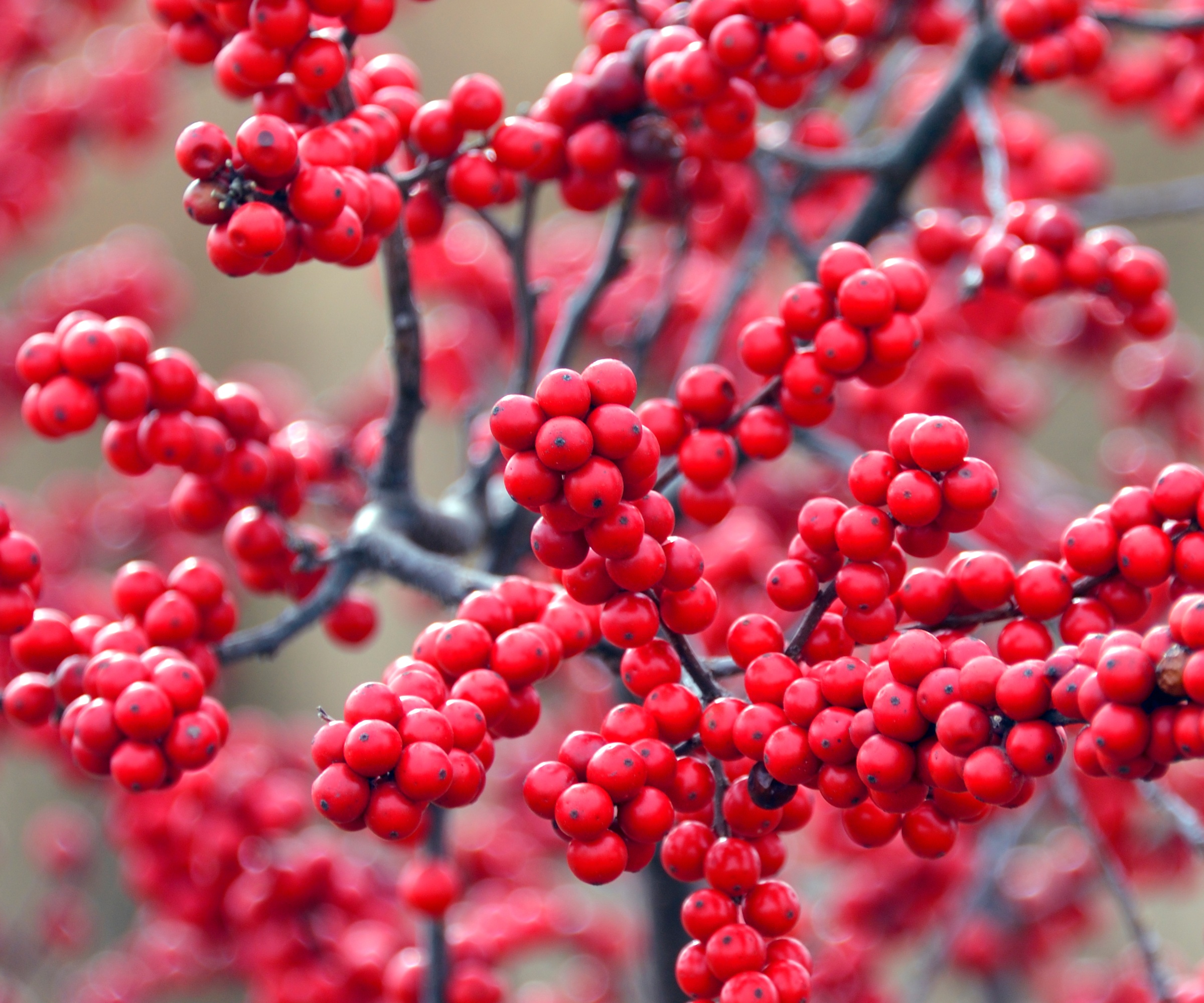
An enticing addition to the garden, winterberry (Ilex verticillata) ticks so many boxes. In winter this beautiful deciduous shrub has bare branches full of bright red berries that add a brilliant splash of color. It grows in Zones 4-9, and is both cold hardy and heat tolerant
‘Plant in groups of three for the strongest berry display,’ suggests Mary Phillips. ‘Pair with evergreens to make the red berries pop in winter. Plant near a walkway or window so the berries are visible during the winter months.’
Mary also suggests creating a winter habitat space by combining winterberry, which can be found here at Nature Hills, with native evergreens and grasses. ‘Use a few twigs of berries in holiday décor while leaving the rest for the birds and other wildlife. Winterberry provides critical food for birds such as bluebirds, mockingbirds, and robins during the cold season.’
Try other shrubs with winter berries that are red such as checkerberry, firethorn, cotoneaster and, of course, holly to add one of the boldest colors of the rainbow to your winter garden design.
 Mary Phillips
Social Links Navigation
Ambassador for native plants
Mary Phillips is head of Native Plant Habitat Strategy/Certifications at the National Wildlife Federation. She is an ambassador for native plants and the wildlife they support. Her work ensures all habitat programs and resources are routed in sustainable practices and the latest science. Since 1973, the Garden for Wildlife® program has been the nation’s oldest and largest Backyard Habitat program, generating and supporting millions of wildlife gardeners in North America. Since Mary arrived in 2014 the Certified Wildlife Habitat® program has grown by 64%.
Orange: Oakleaf Hydrangea
(Image credit: Dave Jonasen/Getty Images)
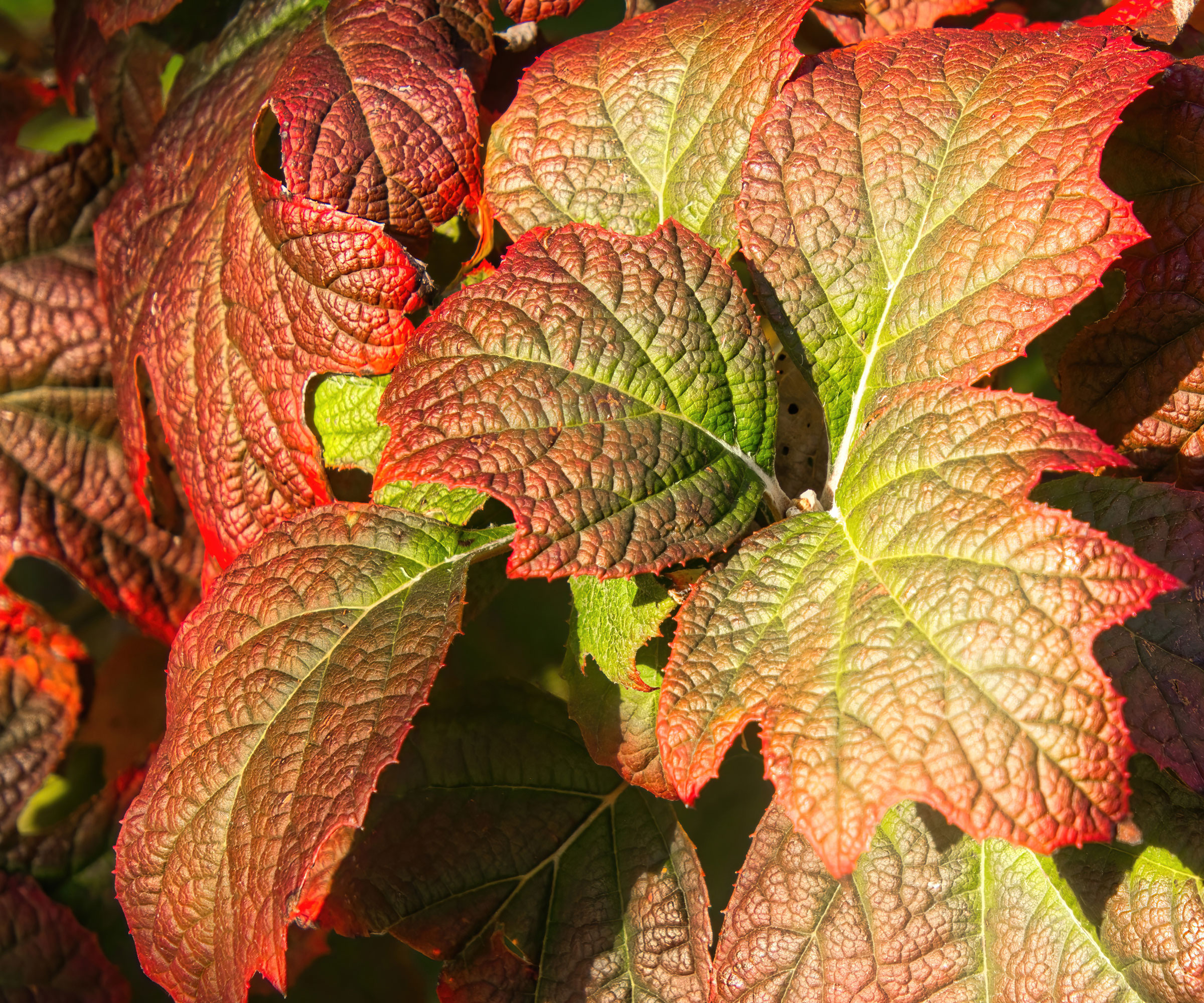
Planted in a sheltered spot in the garden, the flowers and leaves of oakleaf hydrangea (Hydrangea quercifolia) can last all winter. They will gradually change color until they reach a wonderful orange hue. While not this color all year round, oakleaf hydrangea’s vivid orange foliage in fall provides a saturated color display that lasts into winter.
You may like
‘Use oakleaf hydrangea as a backdrop or privacy hedge in partial shade or an understory area,’ recommends Mary. ‘Combine them with beautyberry to create seasonal color contrast. It’s also a lovely idea to plant them en masse for dramatic impact.’ Mary also suggests using them near patios or seating areas as a focal point through all the seasons. ‘Underplant with native ferns to highlight its winter bark and dried flower heads.’
You can find the lovely ‘Ruby Slippers’ oakleaf hydrangea here at Nature Hills. It has massive cone-shaped flower clusters that go from blush to pink, and deepen into a rich ruby red by late summer. It thrives in Zones 5-9.
Other plants with wonderful orange color in winter include witch hazel (Hamamelis), which has orange flowers as well as yellow, and the dogwood variety Cornus ‘Anny’s Winter Orange’, which has vibrant flame-colored stems.
Yellow: Carolina Jessamine
(Image credit: Orthosie/Getty Images)
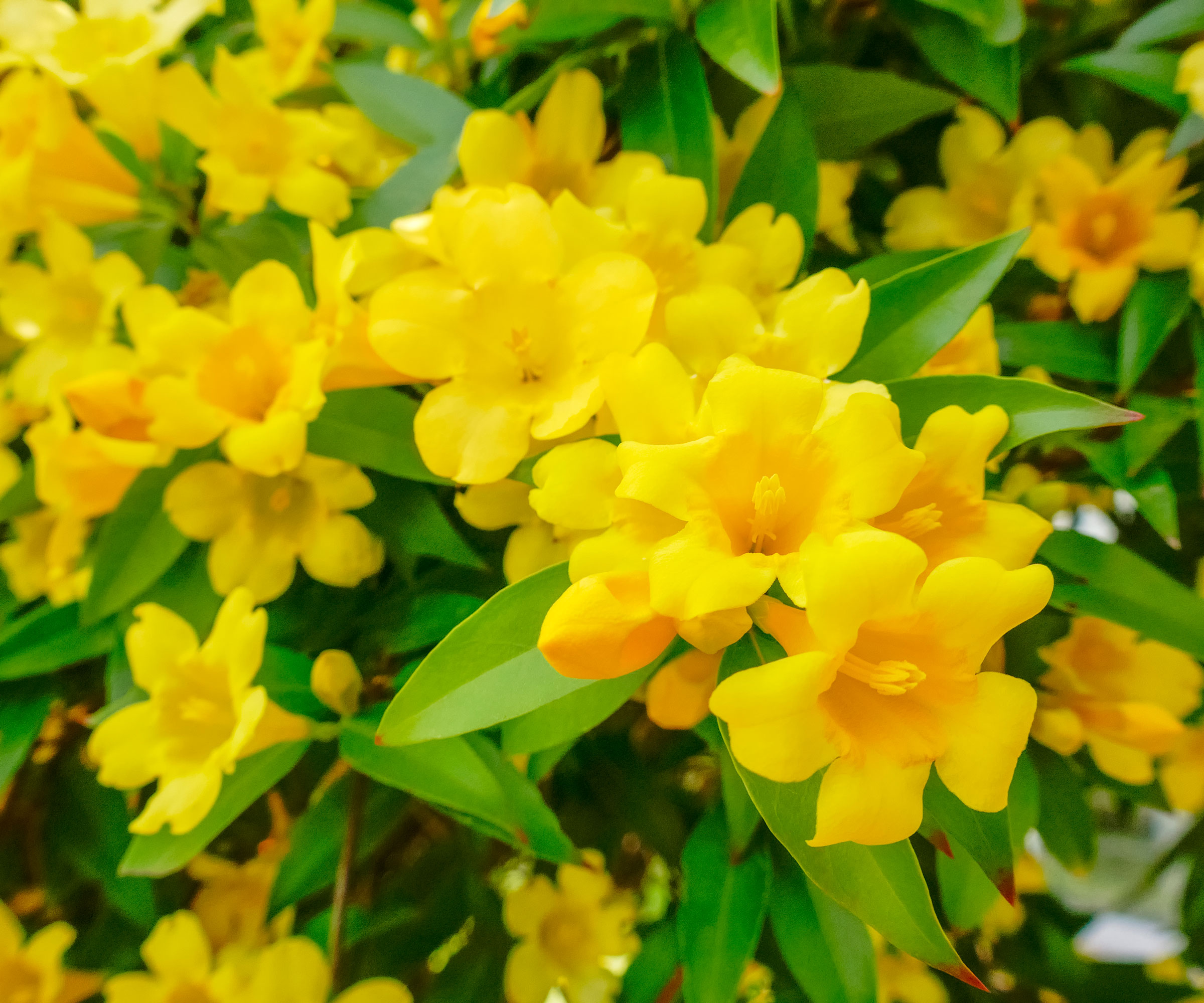
Carolina Jessamine (Gelsemium sempervirens) is a native vine with vibrant yellow flowers that appear in late winter and early spring, delivering vital color when gardens and overwintering insects are just beginning to wake up. Carolina Jessamine is available here from Amazon, and grows easily in Zones 7-9.
‘Train it to climb on fences, arbors, pergolas, or mailbox posts for winter-to-early-spring bloom,’ says Mary. ‘Pair with inkberry for a pop of color and create a soft landing for caterpillars at the base. Plant in full sun for the best flowers.’
Mary also suggests planting it near an entryway or window to showcase its cheery flowers. You can also let it creep through taller shrubs as an evergreen groundcover. It prefers a position in full sun to partial shade, and is well-suited to a variety of climates.
Green: Inkberry
(Image credit: Piemags Nature/Alamy Stock Photo)
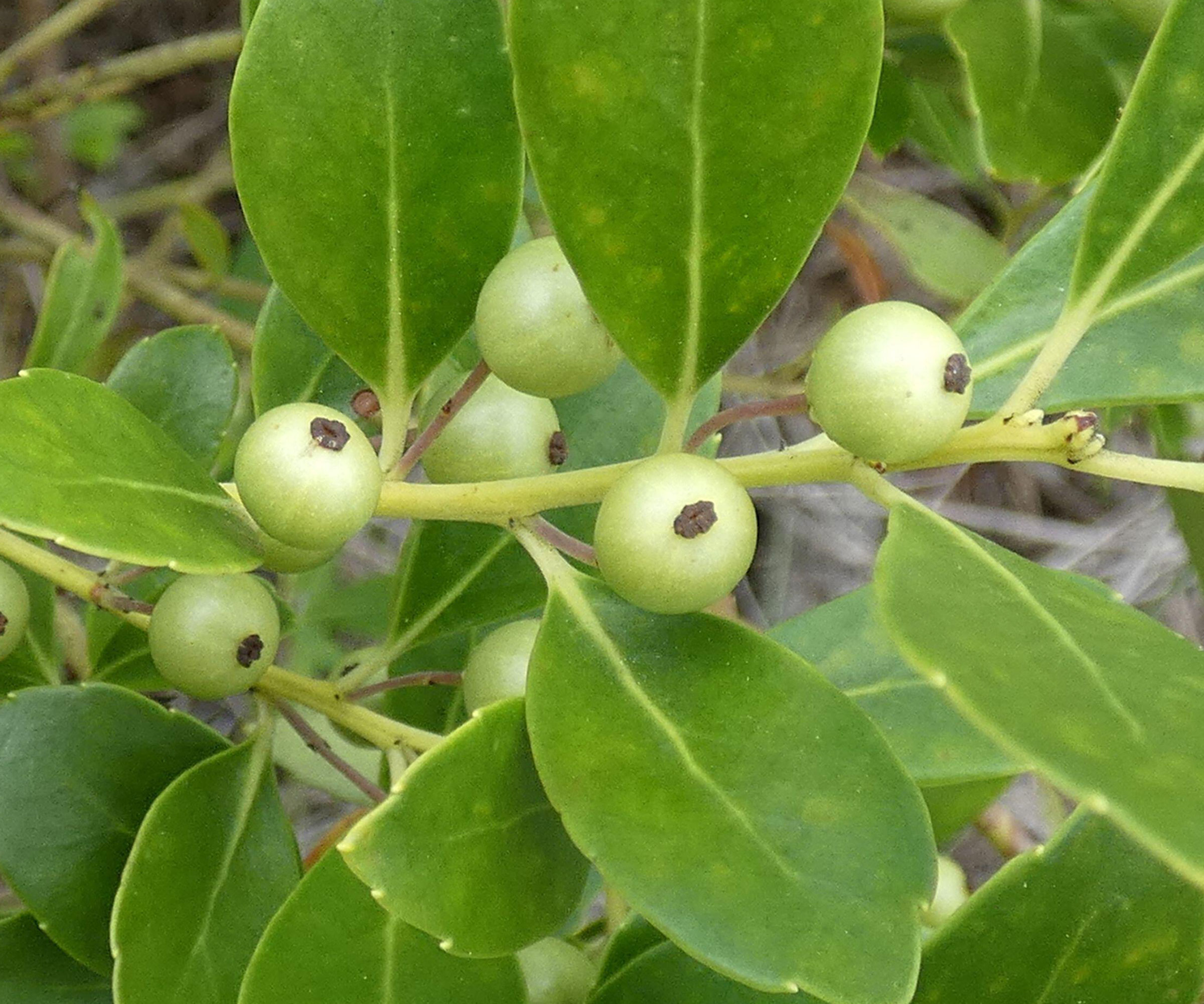
Woody, multi-branched Inkberry (Ilex glabra) is a broadleaf evergreen shrub that is a member of the holly family. It grows 5 to 10 feet tall, 5 to 8 feet wide, and generally needs very little pruning.
Inkberry provides year-round, true evergreen foliage to cover the green slot on the rainbow spectrum. It is also a good choice for cover for birds throughout winter, and thrives in Zones 5-9.
The upright, rounded habit makes inkberry an effective hedge, and it’s also one of the best plants for privacy screening.
‘Use as a native replacement for boxwood in hedges, foundation plantings, or as an evergreen backdrop,’ says Mary, who also suggests mixing it with winterberry to create winter interest.
When choosing winter plants for all colors of the rainbow make inkberry your go-to for structure. ‘Plant a hedge to frame the rainbow garden, providing a steady green backdrop for the other colors,’ says Mary. ‘Combine with grasses and perennials to create textural interest.’ Find inkberry bushes here at Amazon.
Blue: Iris reticulata
(Image credit: John Martin/Alamy Stock Photos)
Blue is known for its soothing effect in the winter garden, and we turn to late winter-early spring bulbs to introduce this color.
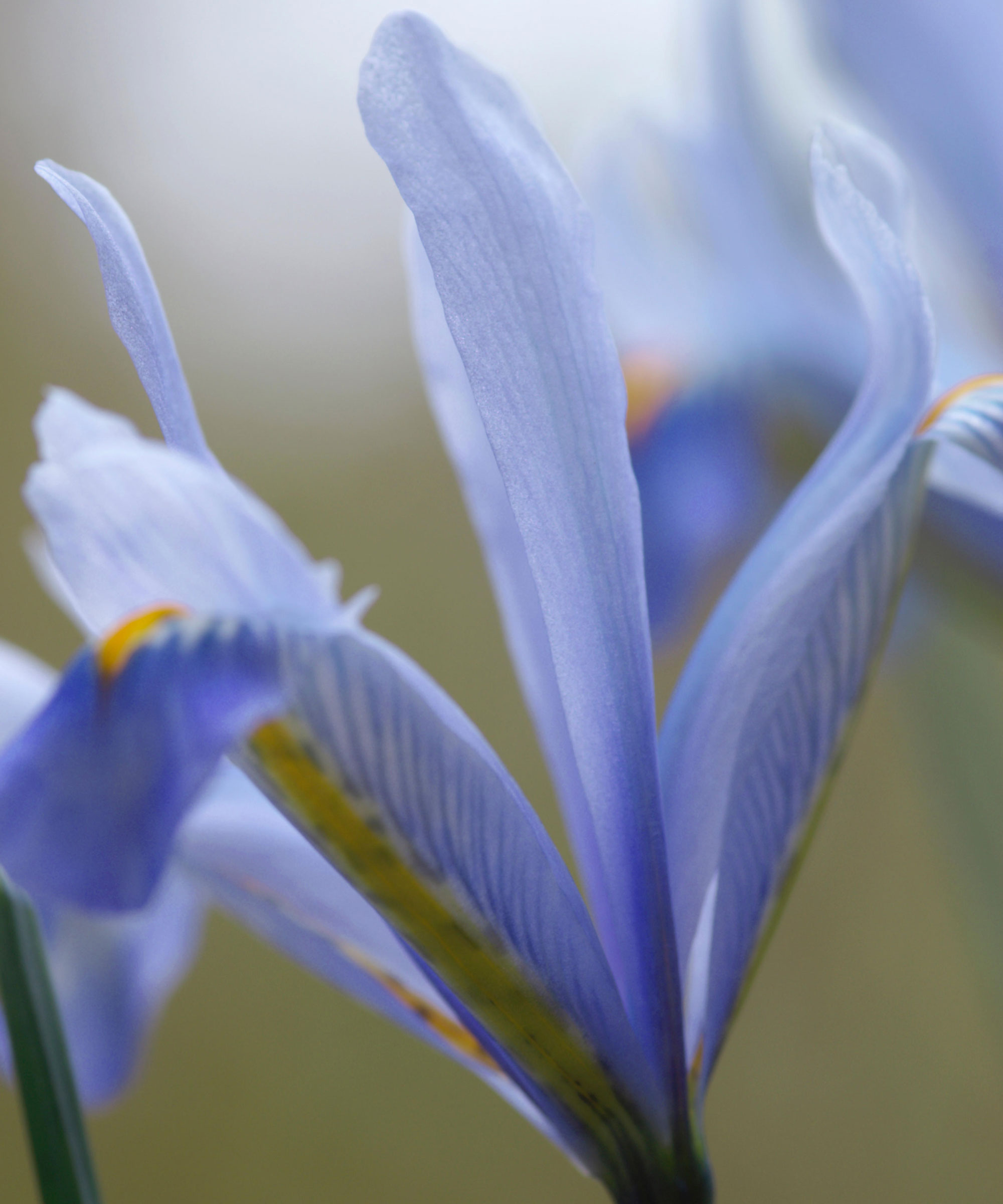
For a true blue choose low-growing reticulata iris to add early interest to flowerbeds and borders. They are a good choice for winter planters too. They will flourish in a sunny spot with well-drained soil.
Blue flowers tend to be quite rare in the plant world so it’s a good idea to consider introducing blue leaves too.
Mary suggests the foliage of great coneflower (Rudbeckia maxima) used as a tall statement plant in prairie-style beds. ‘Few natives offer true blue foliage, but great coneflower’s distinctive powdery blue-green leaves provide a unique, structural blue tone that lasts all season.’
Find dwarf blue ‘Harmony’ Iris reticulata bulbs at Burpee for spring blooms in Zones 3-9. These are perfect both for naturalizing in the lawn and filling flower beds.
Indigo: Anemones
(Image credit: Anemone-‘Mr-Fokker’ ImageBROKER Harry Laub/Getty Images)
The color ‘indigo’ comes from the Indigofera plants from which this naturally deep blue-purple color is obtained. Sadly these are subtropical varieties so don’t work for our theme of winter plants for all colors of the rainbow, but happily there is a lovely alternative.
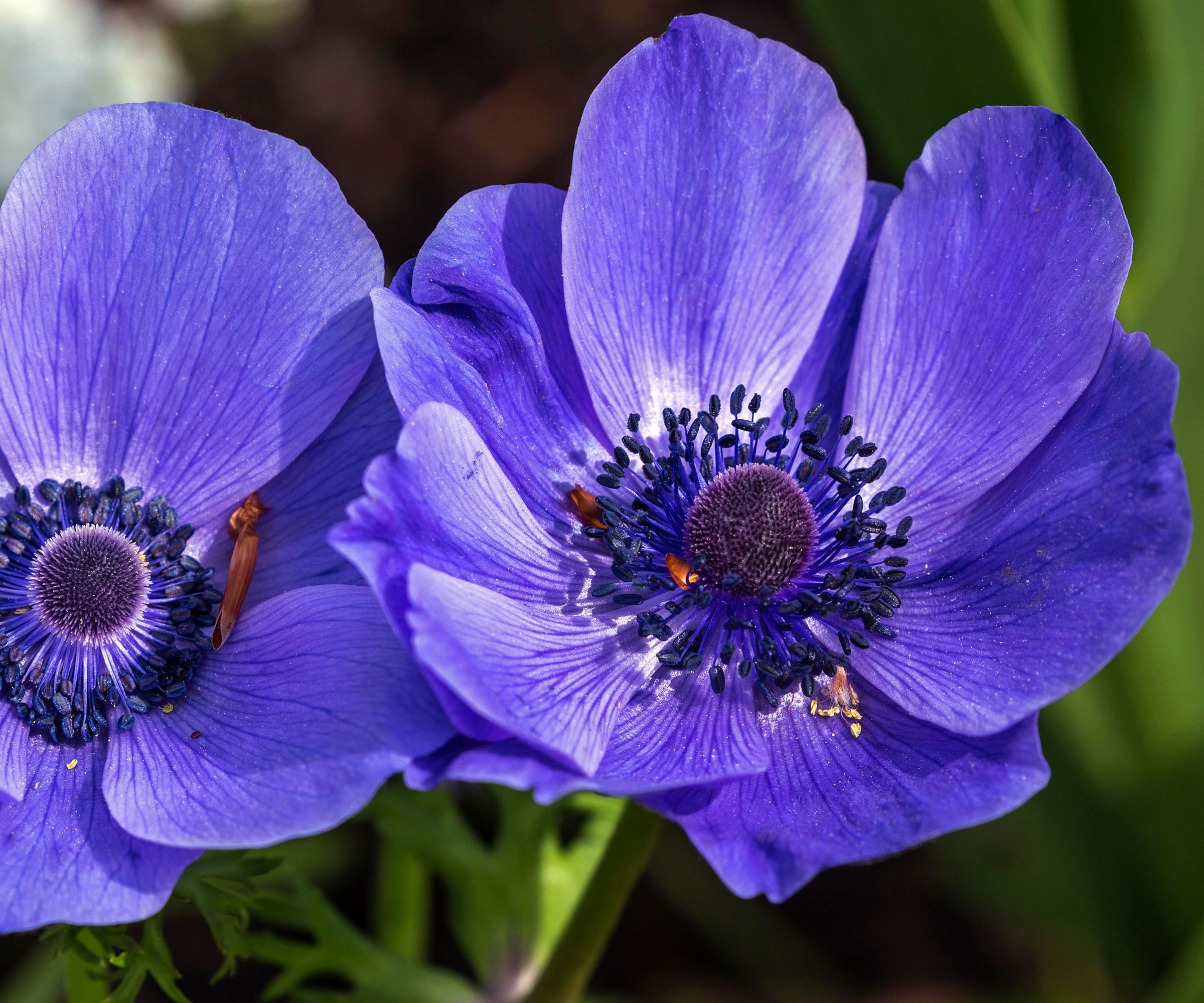
Blue anemones are one of the best choices to get that shot of deep inky color that’s so redolent of the rainbow.
The plant grows from a tuber, reaches a height of 12 inches, and naturalises beautifully to eventually give you a carpet of flowers in late winter. It also works well in container gardens.
Find blue anemone ‘Blue Poppy’ bulbs here at Amazon to add long-lasting blooms that will create a vibrant flower bed, accentuate a border, or fill a patio container. Thriving in Zones 7-10, they are a good choice for spring blooms in warmer climates.
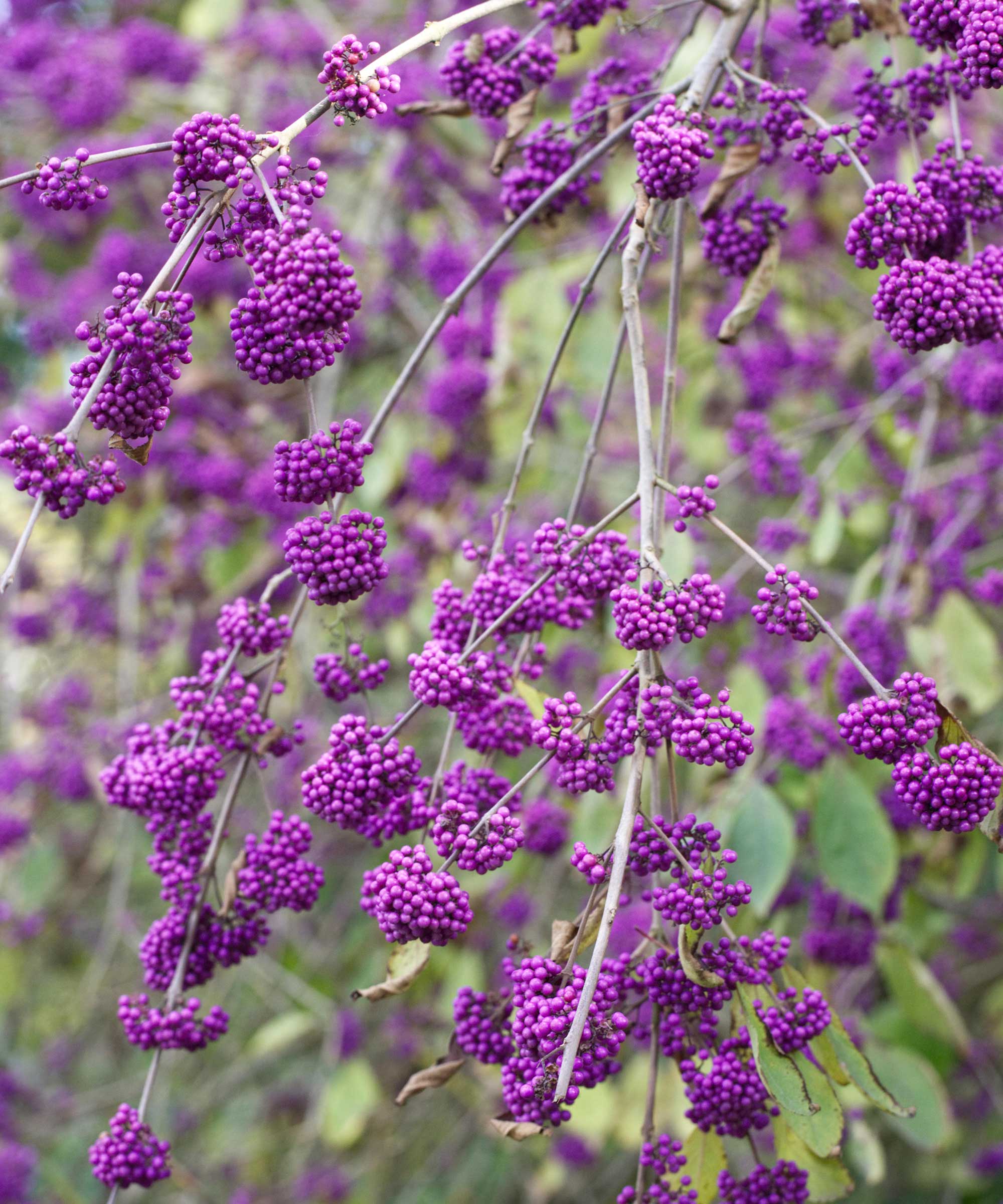
Violet: American Beautyberry
(Image credit: Clare Gainey / Alamy Stock Photo)
The final color of the rainbow is violet, and nothing sums up this particular shade better than stunning American beautyberry (Callicarpa americana). It’s one of the best plants for birds in the winter garden too.
‘One of the rarest natural colors in native shrubs, American beautyberry produces true violet-purple berries,’ says Mary. ‘Berries persist well into winter, providing critical nutrition for birds when other food sources may be scarce.
‘Plant them where the berry clusters will be visible, near paths, patios, or windows. Combine with inkberry for evergreen contrast or oakleaf hydrangea for seasonal layering. You can also introduce it as a bright pop of color to understory or part shade spaces.’
Mary also suggests using beautyberry as a dramatic fall and winter spotlight by pairing it with native grasses. Plant them in repeating clusters to create a dramatic ribbon of purple through the garden.
Find American beautyberry bushes here at Amazon to add these vibrant magenta-purple berries, which thrive in Zones 6 to 11, to your garden.
Find more design ideas for winter gardens in warm climates to make the most of your planting choices if you experience milder conditions. Also look for unexpected winter color palettes that can also help you enhance your garden during the coldest months of the year
Comments are closed.