
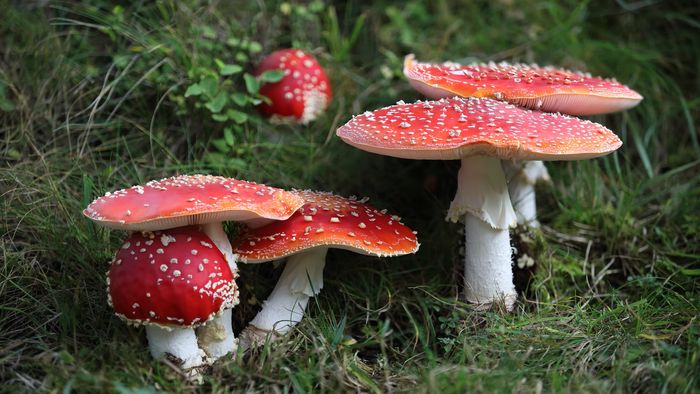
RED FLAG: The fly agaric, despite its appealing appearance is highly toxic (Image: Getty)
If mushrooms have suddenly started appearing in your garden, you’re far from alone. Google Trends data shows searches for ‘mushrooms in garden’ have jumped by 153% in the past month.
While many fungi play a helpful role in soil health, some can pose serious risks. Certain mushrooms can harm plants, damage structures, or be dangerous to people and pets.
Robin Antill, founder of 1st Choice Leisure Buildings, explains how to identify six of the most common and problematic garden fungi. He also shares how to remove them safely and without chemicals before they cause lasting issues.
MORE FOR GARDENERSDeath cap (Amanita phalloides)
Death cap mushrooms are among the deadliest fungi in the world. They are responsible for around 90% of mushroom-related deaths globally. They grow through a mycorrhizal relationship with trees, appearing at the base of oak, beech and birch. They can also show up in gardens with younger trees if the fungus was already present in the soil.
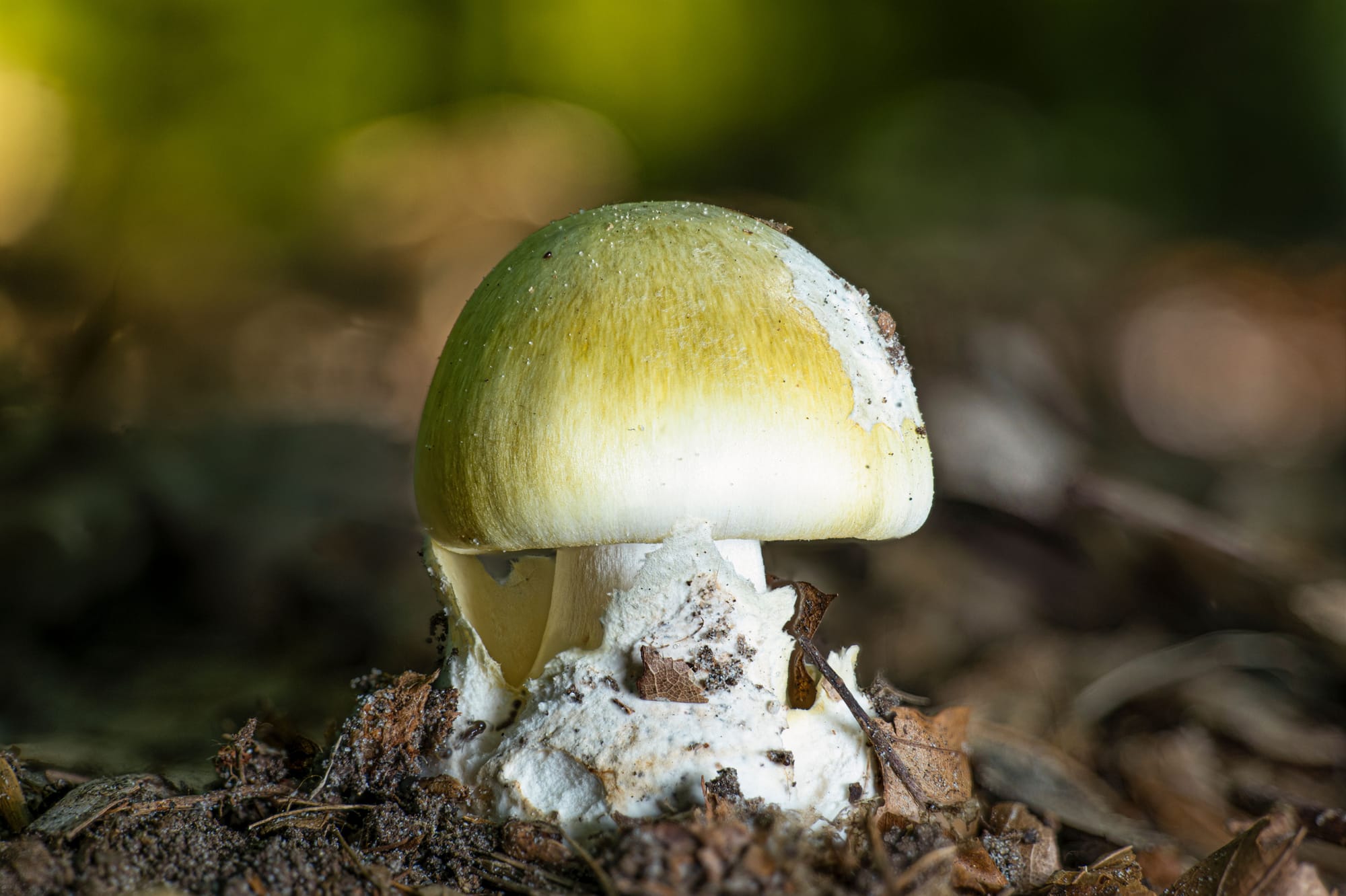 DEADLY FUNGHI: Be careful when removing death caps (Amanita phalloides) (Image: Getty)
The cap measures between 5cm and 15cm and starts dome-shaped before flattening. It is olive-yellow to green, with white gills underneath and an off-white stem.
At first, death caps have little smell. As they age, they develop a sickly sweet and rancid odour. Extreme care is required when removing them. Wear gloves, cut or gently pull them from the base, seal them in bags, and dispose of them with general waste, not compost.
Honey fungus (Armillaria)
Honey fungus is one of the most feared plant diseases in the UK. It spreads underground, killing woody plants and trees such as birch, azalea, willow and lilac.
It is mildly toxic to humans and can cause vomiting and diarrhoea in pets. The real damage often happens unseen, making it difficult to detect early. The caps range from honey-beige to golden brown and are darker in the centre. A distinctive ring, or ‘skirt’, is usually visible on the stem.
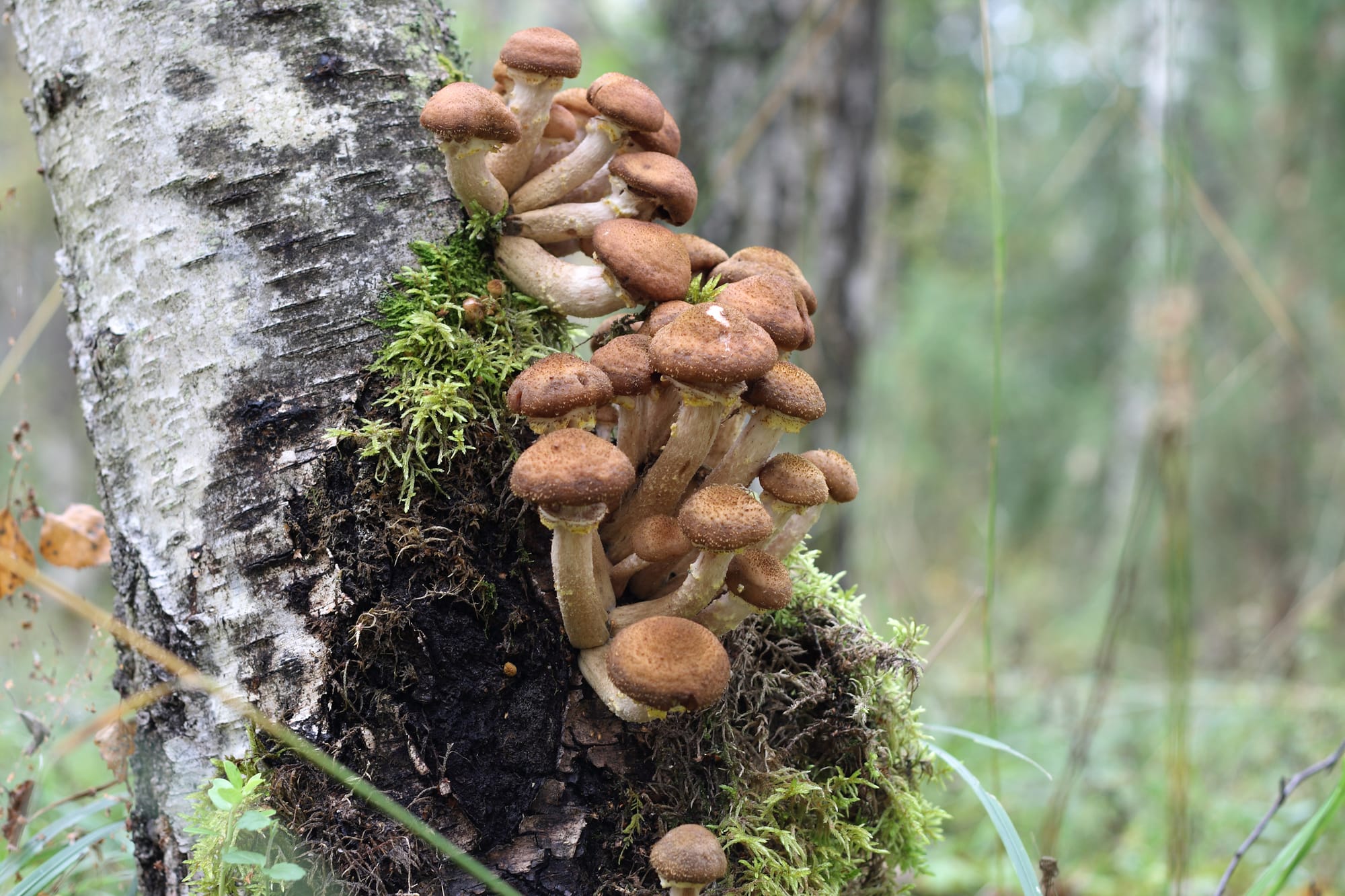 PET PROBLEM: The honey fungus (Armillaria) can cause vomiting and diarrhoea in pets (Image: Getty)
It often appears in dense clusters around tree roots or stumps. Infected plants may have smaller leaves, die back at the top, or fail to flower. Once established, honey fungus cannot be treated. The entire plant, including roots and surrounding soil, must be removed and disposed of or burned where permitted.
Turkey tail (Trametes versicolor)
Turkey tail mushrooms are common and not toxic to people or pets. They often grow on old stumps, fallen branches and untreated wood.
If they appear on sheds, pergolas or cabins, it signals existing wood rot. Left untreated, they can further weaken the timber. The caps are thin and usually 3cm to 5cm wide. They feature striking bands of brown, orange, green and beige.
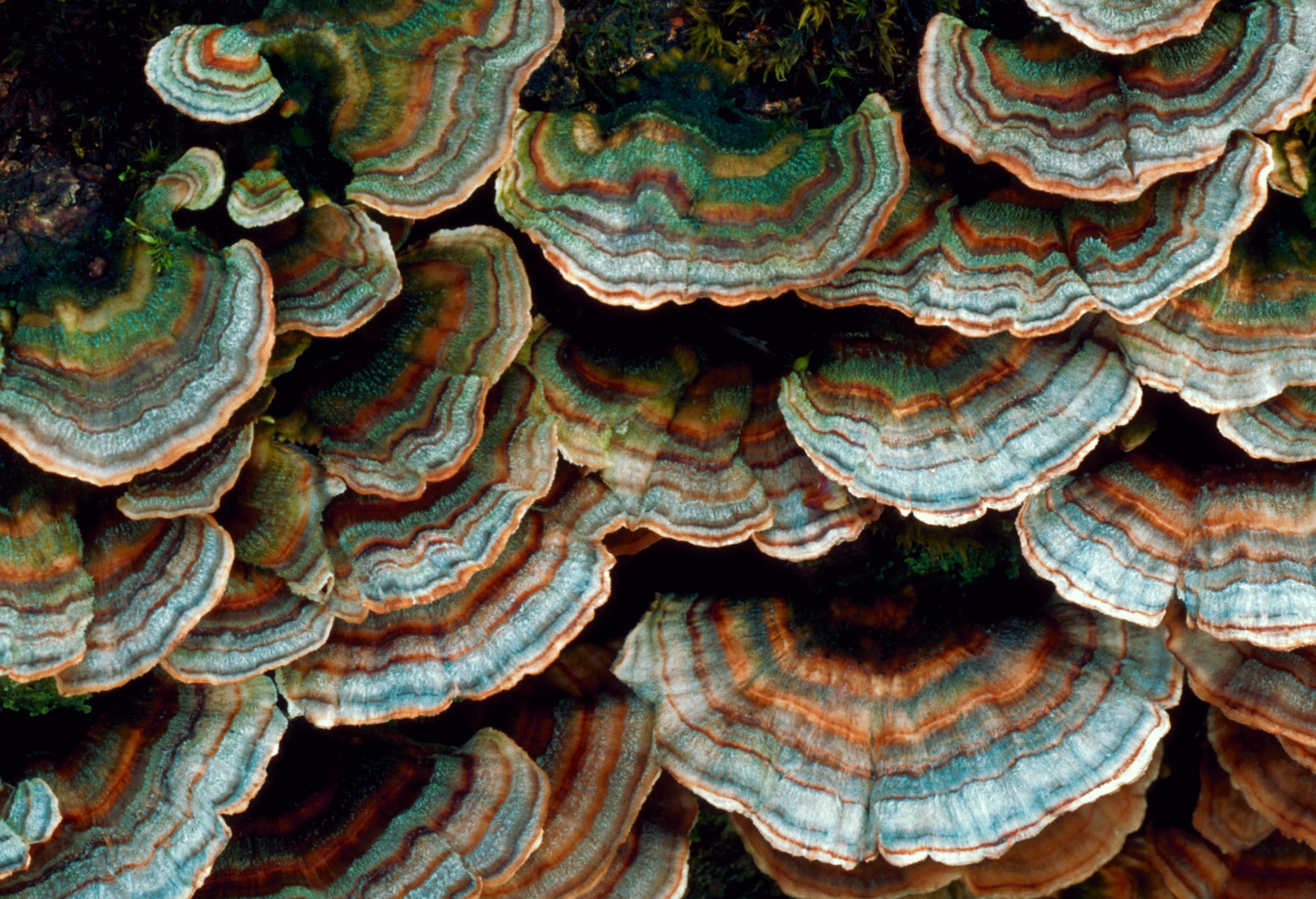 STRIKING APPEARANCE: Turkey tail (Trametes versicolor) looks pretty but can cause shed rot (Image: Getty)
Turkey tail has a mild, woody scent. It thrives in damp, poorly ventilated conditions. Removal involves eliminating the rotting wood it feeds on. Improving drainage, airflow and using wood treatments can help prevent regrowth.
Stinkhorn (Phallus impudicus)
Stinkhorn mushrooms grow in damp areas rich in decaying matter. They are commonly found near compost heaps, lawns and sheltered garden corners.
They are not harmful but are notorious for their appearance and smell. Many gardeners remove them quickly because of their strong odour. They grow up to 25cm tall with a distinctive shape emerging from an egg-like base. The top becomes coated in a dark, slimy mass of spores.
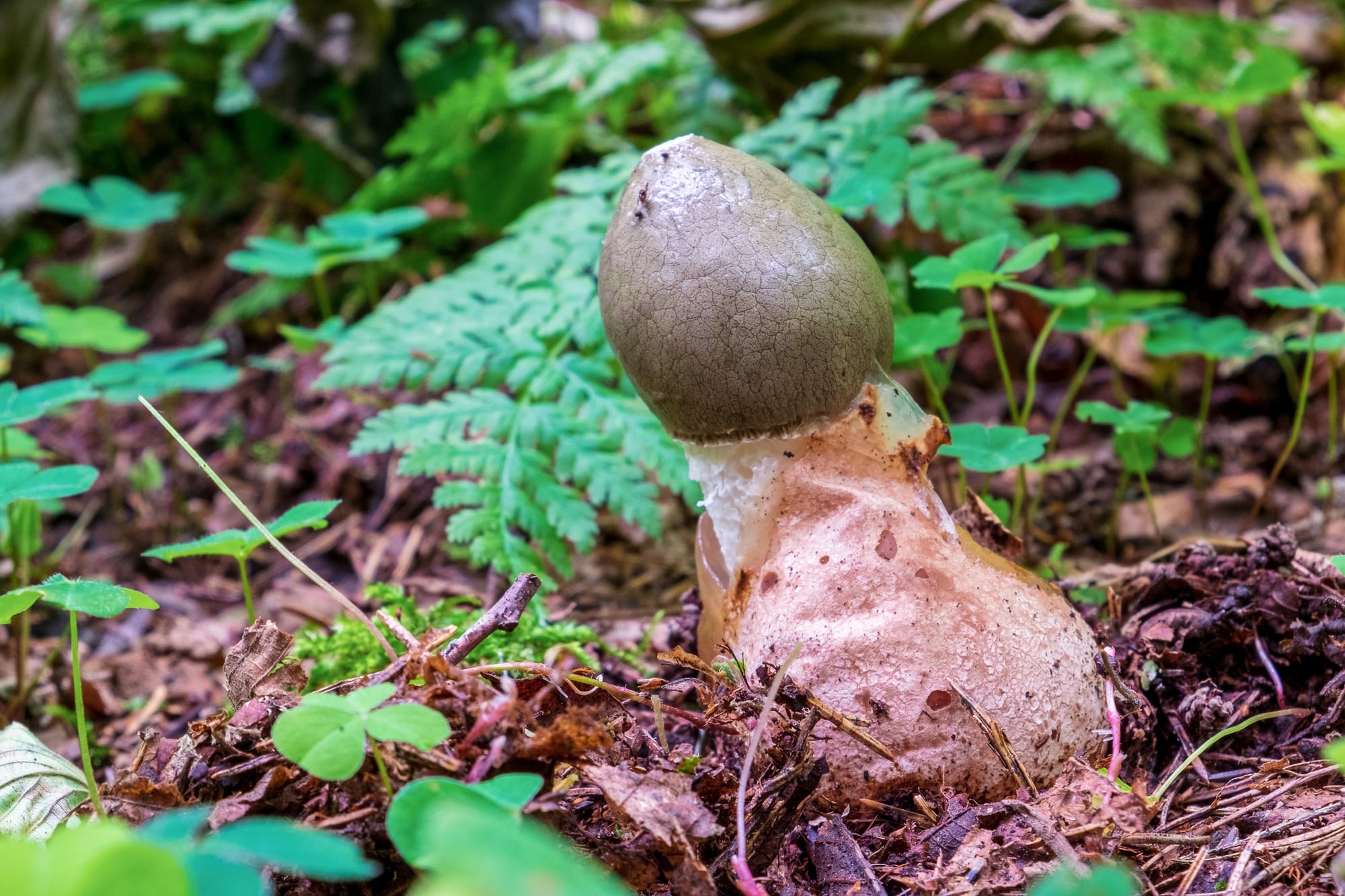 STINK BY NAME: Stinkhorn (Phallus impudicus) has an unpleasant smell (Image: Getty)
Their smell resembles rotting flesh or ammonia. This scent attracts flies, which help spread spores. Remove them before spores are released by pulling from the base. Reducing moisture and organic debris can limit future growth.
Dry rot fungus (Serpula lacrymans)
Dry rot is the most dangerous fungus for wooden garden buildings. Unlike many fungi, it can attack dry timber and spread rapidly.Once established, it can cause serious structural damage. Early identification is essential to prevent widespread harm.
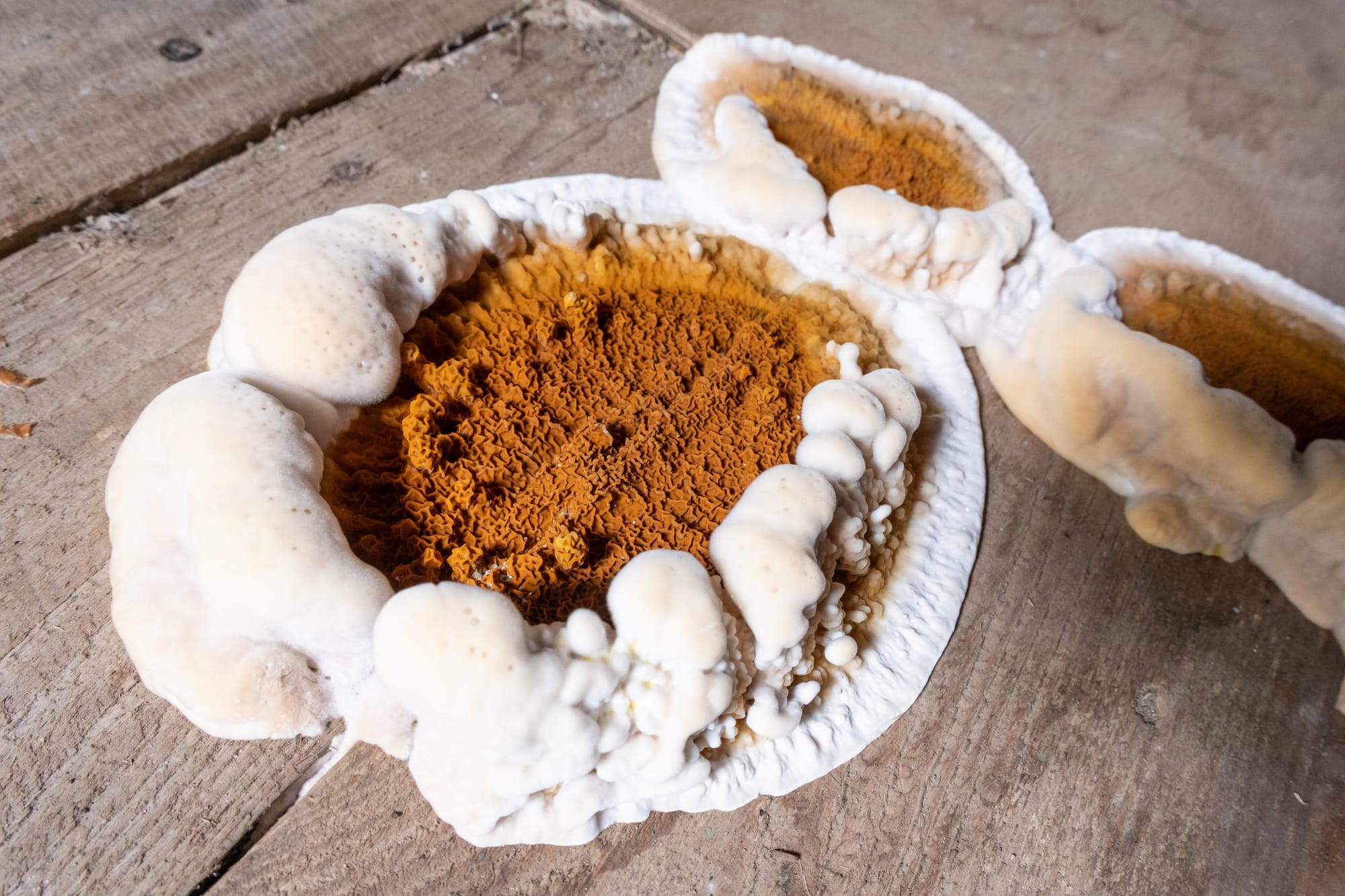 STRUCTURAL DAMAGE: Dry rot fungus (Serpula lacrymans) must be removed (Image: Getty)
It appears as fluffy white or cream mycelium spreading across wood. Fruiting bodies resemble wrinkled, pale brown caps with a musty smell.All affected wood must be completely removed. Improve ventilation, remove moisture sources and treat surrounding areas to prevent recurrence.
Fly agaric (Amanita muscaria)
Fly agaric mushrooms (main image) are instantly recognisable by their red caps with white spots. Despite their fairy-tale look, they are highly toxic. They can cause nausea, vomiting, dizziness, hallucinations and seizures. Even small amounts can be dangerous to children and pets.
Caps can grow up to 20cm wide and flatten as they mature. They sit on a white stem and have a mild earthy scent. Removal is recommended for safety. Wear gloves, pull them out completely and dispose of them in sealed bags.
READ NEXT
Comments are closed.