
Welcome to Yahoo’s weekly column where lawyers Alison and Jillian Barrett from Maurice Blackburn tackle problems everyday Aussies face — whether it be consumer, property, money matters impacting relationships or work.
Question
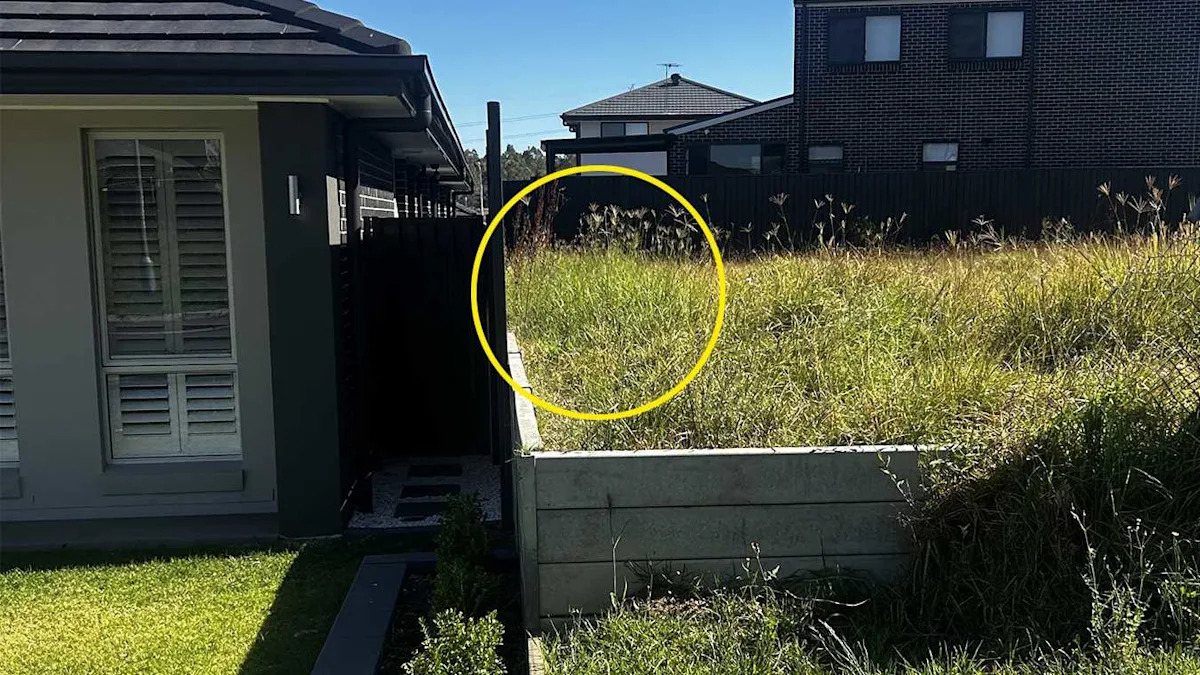
I’m a mum with a young child and I’m constantly on edge because our neighbour refuses to cut their grass, which is now waist-high in some spots. We’ve complained to the owner, the council and even our local MP, but nothing has been done. With the weather heating up, I’m worried about snakes and also about the fire risk from all the dry vegetation. It feels like no one is taking our concerns seriously. What are our legal options when a neighbour’s property is posing genuine safety risks, and what can we do if authorities fail to act?
Answer
It is important that you understand your legal options when a neighbour’s property poses genuine safety risks and what you can do if authorities fail to act.
What does the law say about overgrown properties?
Property owners have a legal responsibility to maintain their land so it doesn’t create health or safety hazards.
This includes preventing conditions that could harbour vermin, increase fire risk, or obstruct public areas (like footpaths).
Local councils are responsible for enforcing these obligations under state-based legislation and local laws.
Document and report
Just like any legal dispute, you need evidence.
Take clear photos of the overgrown areas (including the proximity to your property) and keep records of all complaints lodged with your neighbour, the council or other authorities.
This documentation will be crucial before escalating the matter as most legal avenues require you to attempt to resolve neighbourhood disputes informally.
What can the council do?
After lodging a complaint with council, they should usually inspect the property and determine whether there are any health and safety breaches, and if so, issue a formal notice to the owner requiring them to clear the grass within a set period of time.
Do you have a matter you’d like us to weigh in on? Contact newsroomau@yahoonews.com and we might feature it next.

Alison and Jillian Barrett are Principal Lawyers at Australia’s leading plaintiff law firm, Maurice Blackburn.
If the owner ignores the notice, the council can arrange for contractors to do the work and then recover the cost from the owner.
In some cases, penalties or fines may also apply.
Given you have indicated that the council has not responded adequately or dismissed your complaint you can:
Ask for a senior officer or a different department to review the decision (or their failure to take action). This is usually done in writing.
Lodge a complaint with your state Ombudsman. They investigate whether the council acted fairly.
These processes however can be very lengthy.
Civil action
If the council continues to be unresponsive, you may be able to apply to your state’s civil and administrative tribunal, for example, QCAT in Queensland, NCAT in NSW or VCAT in Victoria.
These tribunals deal with neighbourhood disputes and can make legally binding orders requiring a neighbour to take reasonable steps to reduce risks or stop interference with your enjoyment of your property.
It is unclear if your neighbour is a tenant or the property owner.
You should consider this to ensure you bring a civil action against the correct individuals.
If your neighbour is renting, they may not have the authority to carry out major maintenance like clearing large areas of vegetation, but they do have an obligation to mow the lawn.
Tribunal applications
Here are some useful things for you to be aware of if you want to pursue a tribunal intervention.
Be prepared
As outlined earlier, gather your evidence. Take clear photos of the overgrown grass, note dates of complaints, and keep copies of emails or letters sent to the owner and council.
Tribunal forms and fees
The tribunal will have a specific form you need to complete to lodge your application and a filing fee will be payable.
Check your state tribunal’s website for this information.
Mediation
Many tribunals offer mediation before a formal hearing.
This can be quicker and less stressful, and often leads to practical solutions without a full hearing.
Potential outcome
While tribunals can’t enforce council regulations, they can order a neighbour to maintain vegetation or take steps to reduce hazards. Failure to comply can lead to enforcement action.
This information is general in nature and should not be regarded as specific legal advice. For legal advice on a specific situation, consult a qualified solicitor.
The contents of this column reflect or are inspired by real-life experiences. Some details may be adapted.
You can also follow us on Facebook, Instagram, TikTok, Twitter and YouTube.

Comments are closed.