
Hydrangeas are often left to their own devices in winter, but taking a few simple steps can help to keep them safe, and boost the chances of bigger and bolder blooms next year
21:48, 17 Dec 2025Updated 21:50, 17 Dec 2025
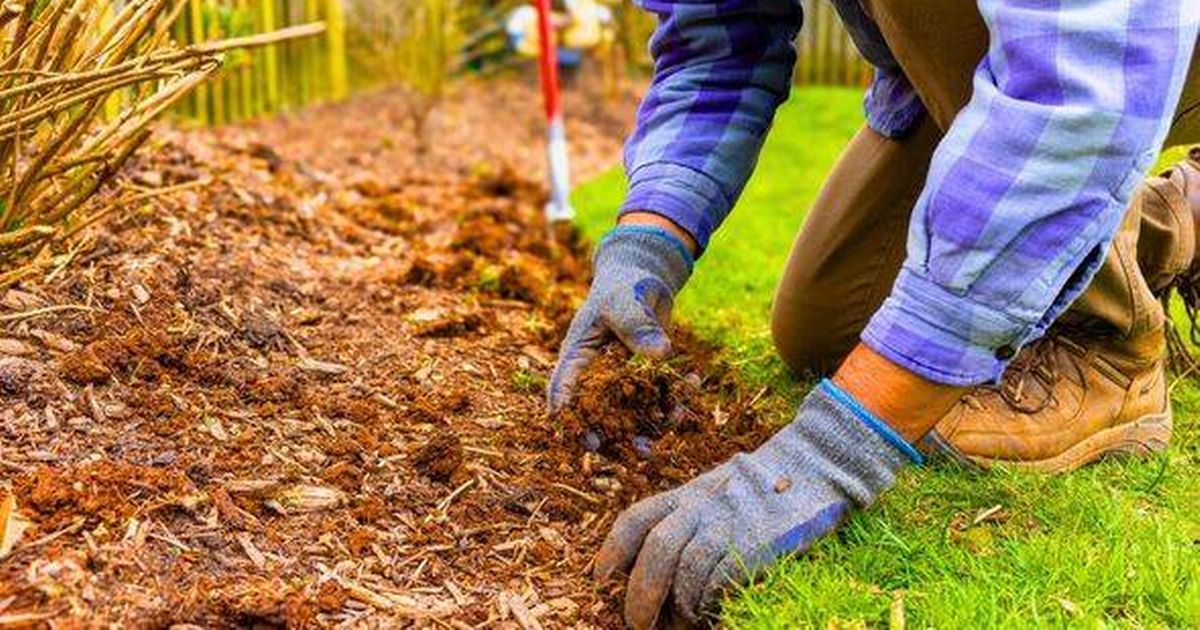
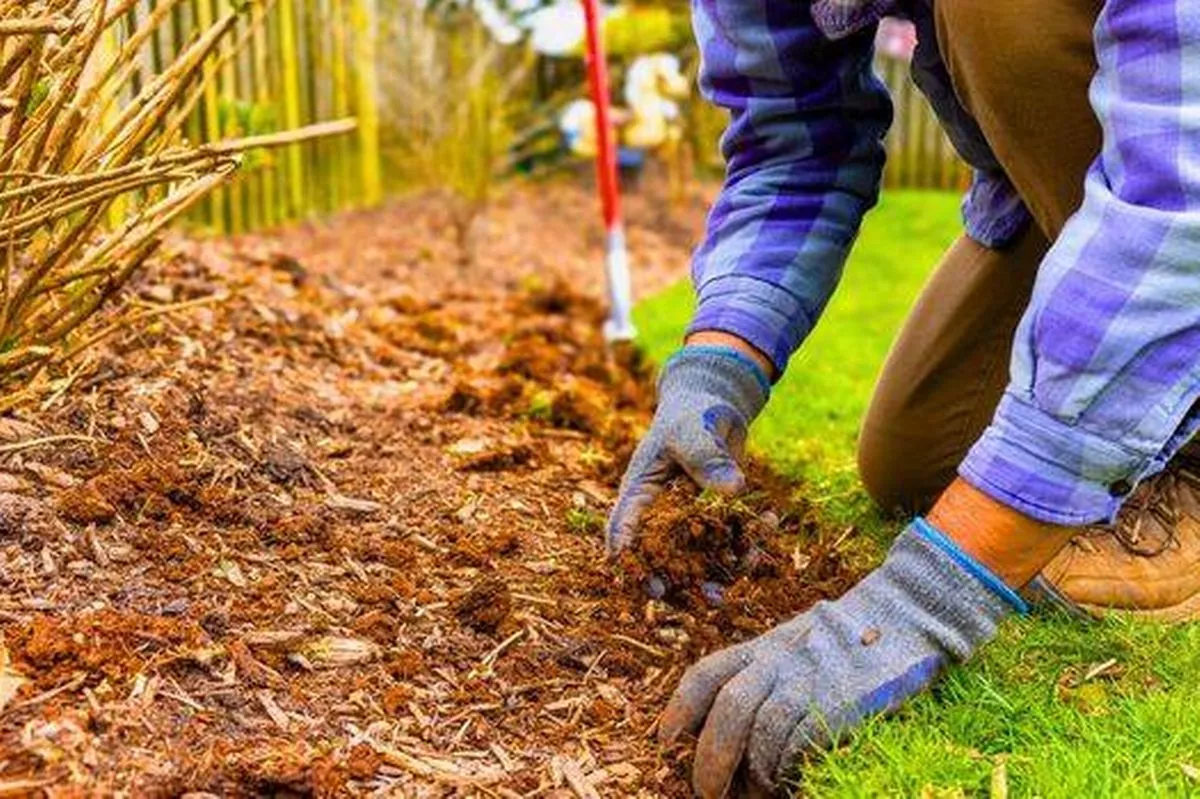 Mulching is simply covering the soil around the plant in organic material (Image: Getty)
It can be quite a shock to see hydrangeas transform from vibrant, colourful blooms to bare brown stems in the winter months, but with the right care during this season, they often bounce back. Hydrangeas are generally robust plants, but many gardeners aren’t aware that their roots are delicate and susceptible to frost damage.
The unpredictable British winter weather can cause roots to freeze and thaw repeatedly, while excess moisture can also lead to root rot. In most instances, hydrangeas regain their health in spring, but damaged roots can result in fewer flowers and less vibrant blooms.
However, if hydrangea roots endure too much frost, it’s unlikely the plant will flower the following year, leaving a barren spot in the garden.
Gardening expert Kelly Elko has revealed that protecting hydrangeas from the cold is incredibly straightforward, requiring just 10 minutes to mulch them.
She advised: “Lay down a thick layer of mulch or straw over the root area at the base of the plants to help protect them from the long, cold winter,” reports the Express.
Mulching involves covering the top layer of soil around a plant with material, and in winter, this is done to insulate the roots to prevent them from freezing.
Hydrangeas have shallow roots, so adding a layer around them will help keep them dry throughout the remainder of winter, and when spring arrives, the nutrients from the mulch can nourish the flowers.
Straw makes an excellent winter mulch for hydrangeas, though you could also opt for bark chips, dried leaves or compost as these will naturally decompose over time.
Mulching is a straightforward task, but it’s best to wait until the ground has frozen. If done too early, the mulch can warm the hydrangeas, prompting them to grow instead of entering dormancy.
Any new growth will swiftly perish in the cold, potentially causing significant harm or even killing the plant.
Once temperatures consistently drop below 5C, it’s safe to start mulching. Begin by tidying up the area around your hydrangeas, removing any weeds or debris.
Organic material for mulching can be purchased from local garden centres. Once you have your mulch, distribute it evenly around the hydrangea in a thick layer.
Ensure the mulch is kept a few centimetres away from the stems and base of the plant to avoid suffocating it.
Investing the effort to mulch now will safeguard your hydrangeas throughout the remainder of winter, setting the stage for larger and healthier blooms next year.
Comments are closed.