
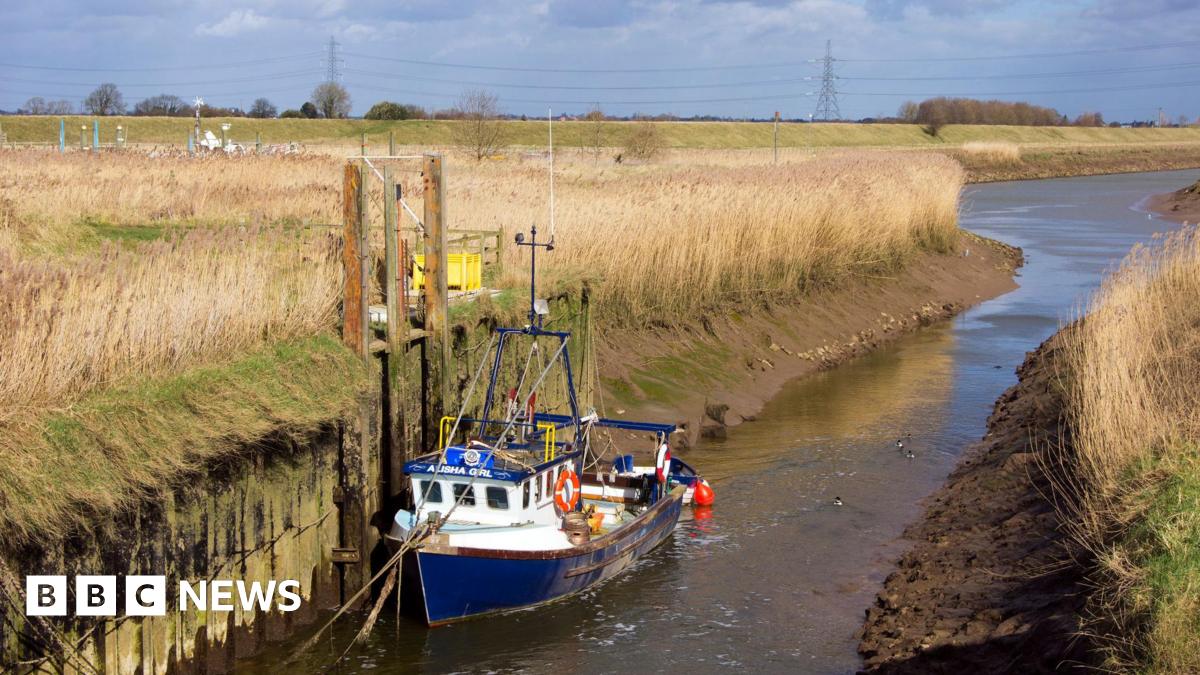
Council leader Nick Worth acknowledged South Holland had particularly low levels, but said it was “worth bearing in mind” the agricultural nature of the area.
“That is why we have so few trees,” he said.
“We prioritise farming and food over the trees so that’s probably not a big surprise.”
He added the strategy aimed to encourage farmers to put in new hedgerows wherever they can.
The proposal has also been considered by the neighbouring authorities in East Lindsey and Boston, according to the Local Democracy Reporting Service.
SHDC said it would look to work in partnership with the environmental group Friends of the Earth to identify potential locations in the area.
A potential 2,243 acres (908 hectares) of land in East Lindsey has been identified, 27 acres (11 hectares) in Boston, but less than 2.5 acres (1 hectare) in South Holland, the meeting was told.
Councillor Elizabeth Sneath, portfolio holder for conservation and heritage, said trees and hedgerows played “a central role” in response to biodiversity loss and climate change.
“The changing climate and increased risk of extreme weather events highlights the importance of our green infrastructure to protect our communities and underpins our ability to adapt to climate change,” she said.
Sneath added Boston and South Holland have “a traditionally fenland landscape” and therefore a much lower level of tree coverage than many other parts of the country.
Comments are closed.