
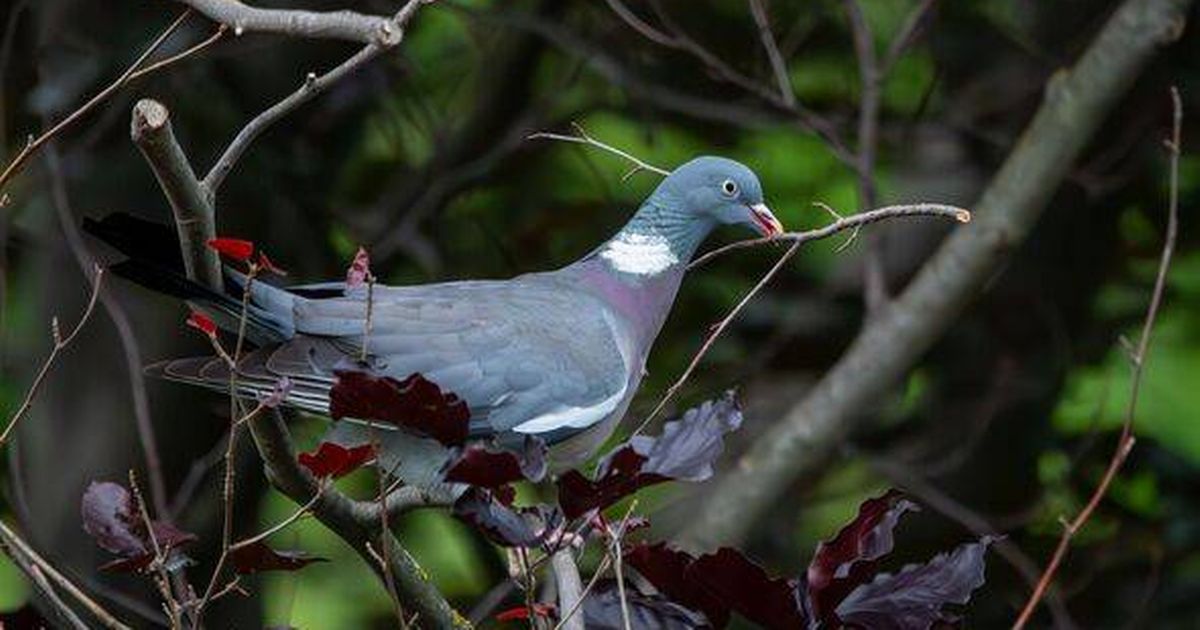
The Royal Horticultural Society has warned gardeners that pigeons can cause severe damage to winter crops and plants
22:56, 20 Dec 2025Updated 22:56, 20 Dec 2025
 (Image: Getty)
A cautionary note has been sounded for anyone harbouring pigeons in their gardens this winter. The Royal Horticultural Society has alerted the public to the potential havoc pigeons can wreak if they infiltrate gardens.
These nuisances inflict damage on crops and feast on plants in gardens and allotments. They have a broad palate, but display a particular fondness for brassica leaves, lilacs and peas.
Pigeons typically turn to winter brassicas when snow or frost renders other vegetation inaccessible. During winter, swarms of up to 50 birds can descend upon allotments.
Read more: New Birmingham Bullring shop confirmed to replace Claire’s Accessories
They peck at the leaves, tearing off chunks and often leaving only the stalks and larger leaf veins behind. They may also strip buds, leaves and fruits from blackcurrants and other fruit bushes.
Gardeners might not witness the pigeons feasting on plants, as they tend to visit early in the morning. To ensure pigeons cease to be a nuisance in the garden, bird specialists at Avian Enterprises have shared four “homemade repellents” using scents they “hate” to “deter them”, reports the Express.
They abhor peppermint, cayenne pepper, garlic and cinnamon, so they will undoubtedly steer clear of gardens that have been spritzed with simple sprays made from these ingredients.
Another method to deter pigeons is to place vulnerable garden plants under a net or inside a fruit cage. It’s crucial that the netting is taut to avoid trapping birds and other creatures.
If you’re not perturbed by pigeons, then TV presenter and esteemed British horticulturist Monty Don has recently advocated for feeding them to help them endure the winter months.
He recommends providing water and “calorific” foods such as bird seed and nuts, along with leftover pastry, bread and rice, fruit, grated cheese, and cooked potatoes.
The gardening guru advised against offering salty foods like crisps, salted peanuts, and bacon, suggesting that when in doubt, sunflower seeds and fat-balls are safe options for birds.
This could lure smaller birds like robins and blue tits into your garden, as well as other creatures, including squirrels and rats, particularly if the food is readily available from the ground.
Comments are closed.