
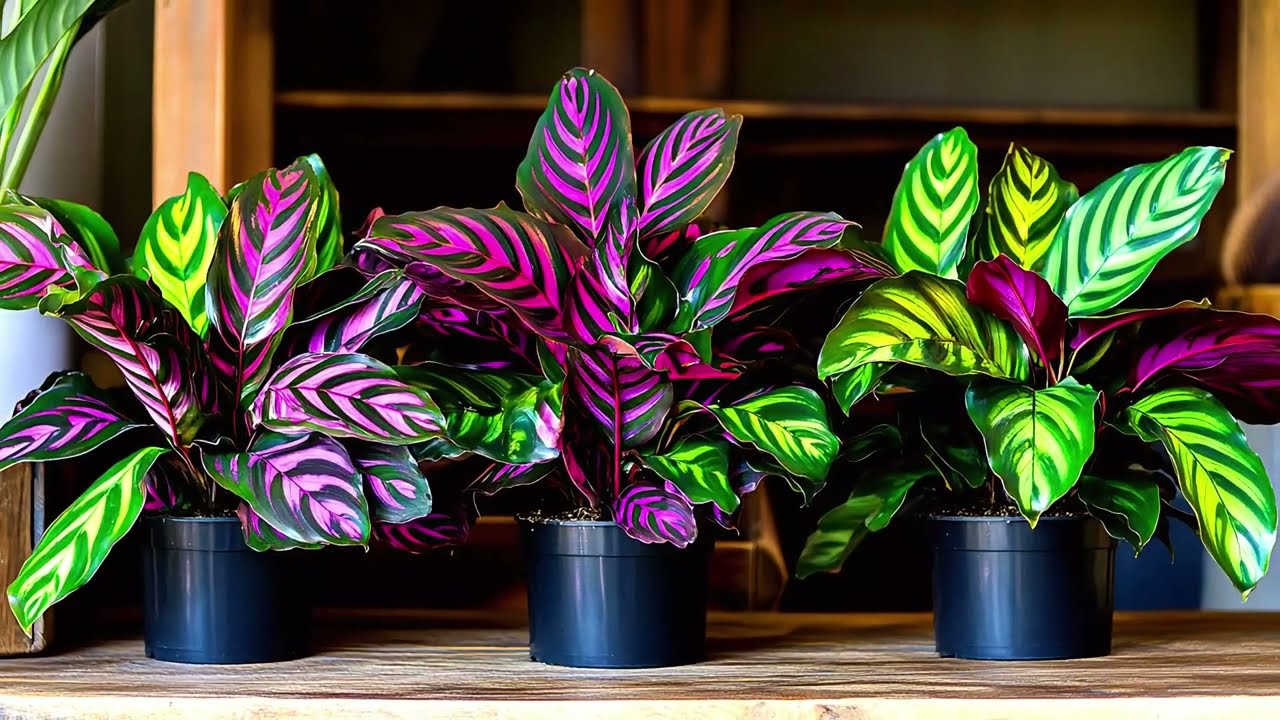
Welcome to a calming journey into the heart of Japanese garden design. In this video, we explore one of the most personal and meaningful aspects of Japanese Garden Design.
Aesthetic and Functional Indoor Container Garden Design for Your Home
Indoor container gardening is an art form that blends beauty and practicality. Whether you’re a seasoned gardener or just beginning to explore the world of indoor plants, creating an indoor container garden that is both aesthetically pleasing and functional can transform your living space into a tranquil oasis. At Smart Home Design, we focus on ideas and designs that combine nature’s beauty with modern, smart solutions.
Why Indoor Container Gardens Are Essential
Indoor container gardens are a versatile and effective way to bring nature into your home. Not only do they provide a refreshing green touch to any room, but they also improve air quality, boost mood, and enhance productivity. With the right selection of plants and containers, you can create a beautiful, low-maintenance garden that thrives indoors, regardless of the space you have available.
The key to a successful indoor garden lies in creating a design that marries aesthetic appeal with functional needs. Whether you’re looking to decorate a small apartment, brighten a windowless room, or add greenery to a large living room, indoor container gardening can suit every situation. The ability to move containers around allows you to adapt to changing light conditions, giving you complete control over your home environment.
Choosing the Right Containers for Aesthetic Appeal and Function
The beauty of container gardening is the wide array of pots and containers available to suit your personal style. From modern concrete planters to classic terracotta pots, containers come in a variety of shapes, sizes, and materials. However, it’s not just about looks—your choice of container plays a crucial role in ensuring the health and well-being of your plants.
When selecting containers, consider both the plant’s needs and the overall theme of your home. For instance, plants that require more moisture, like ferns or peace lilies, do well in containers with good drainage and a humidity-retaining design. On the other hand, succulents thrive in shallow, well-draining pots that prevent water from sitting too long in the soil.
Consider using self-watering containers for a low-maintenance option, ensuring your plants get the right amount of water without constant monitoring. Additionally, opting for containers with built-in drainage systems helps prevent root rot and overwatering, which is crucial for the health of your plants.
Best Indoor Plants for Container Gardens
To create an aesthetic and functional indoor garden, choosing the right plants is essential. Look for plants that thrive in indoor environments and suit the lighting conditions of your home. For example, low-light indoor plants like snake plants, pothos, and ZZ plants can thrive even in rooms with minimal natural light. For brighter spaces, you can incorporate sun-loving plants like succulents, cacti, and citrus trees.
For both aesthetic and functional purposes, consider air-purifying plants. Spider plants, peace lilies, and aloe vera not only enhance the visual appeal of your space but also contribute to better air quality by absorbing toxins. This makes them an excellent choice for homes and offices.
Vertical and Smart Gardening Solutions
Indoor container gardens don’t have to occupy large floor spaces. Vertical gardening offers a space-saving solution that adds beauty and dimension to any room. Wall-mounted planters, hanging baskets, and shelf arrangements are great options for creating a dynamic indoor garden. Not only do they save floor space, but they also create a sense of depth and movement in your home.
Indoor Container Garden Design Ideas for Every Room
Living Room: Create a lush focal point with tall indoor plants like fiddle-leaf figs or rubber plants. Place them in large statement containers for a striking effect. Complement them with smaller plants in elegant, decorative pots for variety.
Kitchen: Herb gardens are perfect for the kitchen. Grow basil, mint, and rosemary in easy-to-access containers, and use these plants in your cooking while adding a fresh aesthetic to your space.
Bathroom: Bathrooms are often humid, making them ideal for tropical plants like orchids, ferns, and peace lilies. Use hanging baskets or tall, narrow containers to save space and maintain the functionality of your design.
Office: Add succulents, snake plants, and other low-maintenance plants to your office space to improve productivity and air quality. Choose sleek containers that fit your modern décor. #japanesegarden #gardendesign #garden #japanese #indoorplants #indoorgarden
[music] Welcome to a journey into transforming your home with living [music] art. We will explore how to design harmonious indoor container garden, moving beyond just house plants [music] to create curated vignettes of nature. Imagine sunlight dappling [music] across vibrant foliage, bringing tranquility indoors. This video is your guide to crafting [music] spaces that are both beautiful and thriving. Let’s delve into the principles of aesthetic and functional design that will elevate your interior garden masterpiece. Starting [music] with the foundation of light and location. >> [music] [music] >> Before [music] selecting any plants, take a moment to assess the atmosphere of your [music] chosen space. Consider the scale of the room and the existing decor to ensure the garden complements its surroundings. [music] We will learn the visual impact of grouping plants in odd numbers like threes or fives [music] to avoid symmetry and create a more natural dynamic composition. This thoughtful [music] preparation ensures your future garden will feel integrated and [music] intentional, making the planting phase much more rewarding and successful. [music] Light is [music] the lifeblood of your indoor garden. So, observe how natural light shifts [music] throughout the day. Place taller plants toward the back and smaller ones in front to [music] create visual depth and simulate a layered landscape much like you’d find in nature. Even a [music] tiny shelf can become an engaging multi-tiered spectacle with strategic [music] placement. Remember, functional design prioritizes the plant’s needs first. Aesthetics follow suit with clever arrangement and careful attention to [music] light exposure. Selecting the right vessel [music] is crucial for both plant health and home decor. Look beyond basic terracotta and consider materials like glazed ceramic, fiber stone, or metal. When choosing your decorative pots or cashapose, [music] focus on selecting a limited color palette for your containers. Cashapose to maintain a peaceful, [music] intentional look. A cohesive color story, perhaps shades of white, gray, and earthy green allows the plant’s natural beauty to become the main focal point, adding elegance. >> [music] [music] [music] >> functionality demands proper drainage. So, ensure your chosen pots have holes or [music] utilize a plastic nursery pot inside a decorative cache pot. The right [music] well- draining potting mix is equally vital to prevent root rot, setting a healthy stage for your plants. This attention to detail promotes the plant’s longevity, which in turn preserves [music] the overall aesthetic unity of your carefully curated display. [music] Healthy roots are the silent secret behind every stunning and sustainable indoor garden composition. [music] >> [music] [music] >> The secret to dynamic arrangements lies [music] in a time-tested landscape principle. Today, we will show you how to utilize the thriller, [music] filler, spiller method for dramatic container planting. This system guarantees a balanced, [music] full, and professionally designed look. The thriller provides height and drama. The filler adds mass and texture, and the spiller [music] gracefully trails over the pot’s edge. Mastering TFS unlocks endless possibilities for creative expression indoors. The thriller is the vertical centerpiece adding excitement and height [music] to the grouping. Consider tall snake plants, sansaria, slender fiddle leaf figs, [music] ficus laorata, or even a dramatic bird of paradise. The successful application of the thriller filler [music] spiller method hinges on this striking element drawing the eye upward. Choose a thriller that thrives in your light conditions [music] and complements the overall scale of your indoor vignette. [music] The filler plants are the mid-level workh horses [music] providing volume and filling the space around the thriller. Excellent choices include pose, peace, lily or spathophyilm or various types of [music] cala. The goal of the filler is to create a sense of lushness and density, [music] smoothing the transition between the tall centerpiece and the low growing elements. Select foliage colors that complement [music] rather than compete with the thriller and spiller. The spiller elegantly cascades over the container’s edge, softening the hard line of the pot [music] and creating movement. Trailing plants like string of pearls, English ivy, or wandering dude, tradescantia are perfect for this role. The graceful flow of the spiller is essential for a [music] finished look, making the entire arrangement feel connected to its surface. Ensure it is positioned where its vines [music] have room to drape without obstruction. Now we move to the staging area. Arrange your potted plants into cohesive clusters, not just a line of single pots. By consciously grouping plants in odd numbers, you introduce a natural asymmetry that is inherently more pleasing to the human eye than rigid, even numbered sets. Turn the pots to find their best side, ensuring the most attractive angles are facing your primary viewing area for maximum impact. To achieve a [music] sophisticated arrangement, vary the heights of your pots and plants. Use plant stands, [music] upside down bowls, or stacks of books under your cashose to create visual depth and elevation changes. This simple trick adds immediate dimension and [music] prevents the arrangement from looking flat. The varying levels help the eye move smoothly across the entire display. highlighting each plant’s unique form and foliage texture. A cache pot or decorative outer pot is a powerful styling tool. Unlike the inner nursery pot, [music] which is purely functional, the cache pot defines the garden style. By selecting a limited color palette for your containers, [music] cache pots such as matte black and terracotta, you unify a collection of structurally different plants. The consistency of the pot color [music] becomes the underlying thread that ties the entire garden design together seamlessly. >> [music] [music] >> A restricted color selection for your [music] decorative pots is the key to creating an elevated indoor or garden. Sticking to a maximum of two or three neutral tones helps ensure aesthetic unity even when you introduce plants with highly diverse foliage. This cohesive container strategy eliminates visual clutter and allows the natural colors and patterns of the leaves and stems to truly stand out as the star of the show. >> [music] >> Beyond color, contrast in texture is what makes a garden fascinating. Pair the smooth, shiny leaves of a rubber tree with the velvety, deeply textured leaves of a calipia. Using this contrast helps make the diverse grouping of plants look cohesive by offering a visual conversation between elements. The combination of different forms and textures adds a tactile dimension, [music] turning your arrangement into a truly engaging and detailed masterpiece. >> [music] [music] >> for homes with limited floor space. Look up. Vertical gardening is both functional and dramatic. Utilize hanging planters or wall-mounted shelving to lift plants off the ground and create visual depth high above. This technique maximizes your growing area and draws the eye upwards, making the room feel larger and more open. Consider a mix of trailing and upright varieties for an exciting vertical mosaic of greenery. [music] >> [music] >> Even a sunny window sill can become a captivating container garden. The secret is knowing how to design a harmonious indoor container garden by scaling the elements appropriately. Small delicate succulents or miniature cacti grouped in petite ceramic pots can be just as [music] impactful as a large floor arrangement. Remember, harmony is about balance, not size. So, choose plants that feel [music] right for the scale of the available light and space. Routine care is essential for maintaining the beauty and function of your garden. Watering is arguably the most critical aspect [music] and the less is more approach is often best for indoor plants. Always check the soil moisture before watering. Consistency in health directly contributes to your garden’s aesthetic unity. A struggling or wilting plant instantly detracts from the overall intentional design. Learn your plant’s individual needs for optimal vigor. Healthy plants are resistant to pests, but occasional checks are necessary to catch issues [music] early. Wiping down leaves and providing good air circulation are excellent preventative measures. When dealing with an infestation, move the affected plant and treat it immediately. When reintroducing it, follow the rule of grouping plants in odd numbers again [music] to stage a beautiful recovery and blend it back into the thriving cluster. as your plants grow and mature. Don’t be afraid to prune and rearrange. Rotating your plants near a light source ensures even growth, promoting a balanced shape. Periodically swapping the positions of plants helps make the diverse grouping of plants look cohesive and fresh. This seasonal refresh prevents the arrangement from becoming stagnant and ensures every part of your garden continues to flourish, encouraging new growth. [music] >> [music] >> Introduce [music] subtle decorative elements to enhance the theme. Natural [music] materials like polished stones, driftwood or moss can be used as top dressing. [music] Avoid cluttering the design. The elements should echo the principles of the garden itself. [music] By consciously selecting a limited color palette for your [music] containers or cashapo, you’ve already established the style. So, choose accents that adhere to that [music] established color story for a sophisticated finish. >> [music] [music] >> Let’s look at a minimalist [music] design case study. Here we choose only white ceramic pots to demonstrate how to design a harmonious indoor container garden focusing purely on form. A tall sculptural cactus [music] thriller is placed next to a mound of silver pose [music] filler with a creeping figurer gently softening [music] the edge. The lack of color distractions emphasizes the clean lines and elegant [music] simplicity of the chosen foliage. [music] >> [music] >> For a bohemian aesthetic, [music] we embrace rich textures and patterns. This is a perfect [music] opportunity to utilize the thriller filler spiller TFS method with a large pattern terracotta pot. A tall textured alocasia acts as the thriller, surrounded by the ruffled leaves of a bird’s nest fern as the filler. And finally, [music] a string of hearts trailing dramatically as the spiller. The result is a lush, layered, and captivating garden scene. >> [music] [music] >> Sometimes a plant struggles. Don’t worry, it’s part of the process. If a plant is [music] getting leggy, it likely needs more light. If leaves are yellowing, check [music] the watering frequency. Adjusting your staging to increase light exposure for the weaker [music] plant will help create visual depth once it recovers its vigor. [music] Constant observation and minor adjustments are the key to a lasting, [music] beautiful, and fully functional container garden. [music] Stand back and admire your living creation. The [music] careful application of TFS, the chosen aesthetic unity of your cache of pots, and the thoughtful [music] placement of each element have resulted in a functional work of art. This space is now a dynamic, everchanging part of your home decor, a place of peace and inspiration. [music] Take a deep breath and enjoy the calming presence of your flourishing [music] indoor garden. >> [music] [music] >> Your indoor container garden is complete. A testament to thoughtful design and the beauty of nature. We’ve shown you how to make the diverse grouping of plants [music] look cohesive using simple but powerful aesthetic principles. May this greenery [music] bring you peace and joy for years to come. Thank you for watching our design guide and please subscribe for more inspiring home garden transformations. [music]
Comments are closed.