
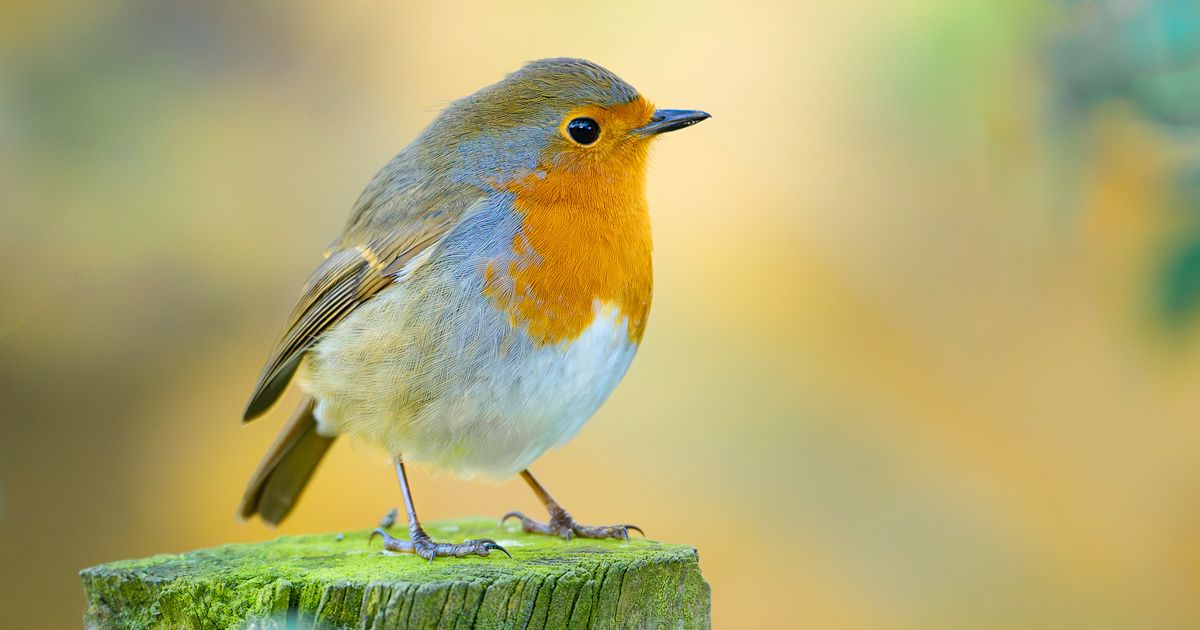
The animal welfare charity has shared advice on which festive foods birds, foxes and badgers can eat this winter
Amber O’Connor Money and Lifestyle reporter U35s
12:52, 20 Dec 2025
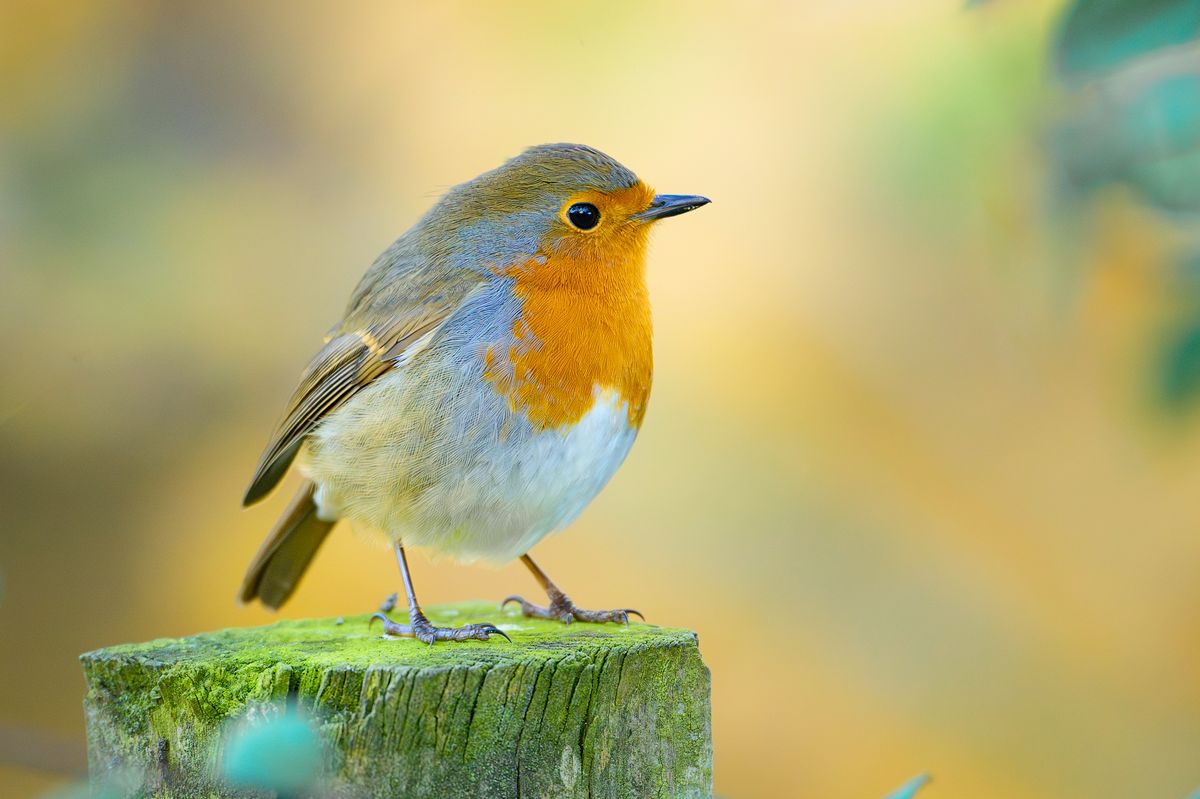 The RSPCA explained how people can help their local wildlife(Image: Getty)
British homeowners have the opportunity to draw wildlife to their gardens and ‘help them thrive over winter’ by leaving out Christmas dinner leftovers. The RSPCA has revealed that many festive dishes loved by humans can also be enjoyed by animals. Providing guidance via social media, the animal welfare charity explained which leftovers are suitable for local wildlife.
Posting on Facebook, the RSPCA said: “Every kind of animal deserves a Merry Christmas – wildlife included! To reduce waste, turn your leftovers into a seasonal feast for the animals in your garden to help them thrive over winter!” The post was accompanied by several photos about ‘wildlife-friendly Christmas dinner leftovers’, listing the foods suitable for birds, badgers, and foxes.
According to the RSPCA, birds can eat potatoes (boiled, baked, roasted or mashed), Christmas cakes, mince pies (especially stale ones), unsalted nuts and savoury snacks (chopped and crushed), and grated cheese. If you’re feeding birds, it’s advised to keep the food off the floor and away from hedgehogs.
Badgers can eat turkey (boneless, without gravy, and only in small amounts), potatoes (boiled, baked, roasted, and mashed), grated cheese, peas, sprouts, and carrots. Again, it’s advised to keep the food off the floor and away from hedgehogs.
The RSPCA added that foxes can eat turkey (boneless, without gravy, and only in small amounts), peas, sprouts, and carrots, which should be kept off the floor, away from hedgehogs. Meanwhile, hedgehogs can be fed meat-based cat or dog food, but the charity warned that ‘Christmas leftovers and milk aren’t suitable for hedgehogs.’
Thanking people for their help, the RSPCA said: “Thank you for helping local wildlife. Remember to clean dishes and dispose of uneaten food daily, and always provide a source of clean water.” However, animal lovers should note that many leftovers suitable for garden wildlife could be dangerous for pets, reports the Express.
The RSPCA’s website explains: “If you do decide to leave out food for wildlife, make sure to keep your pets away from any Christmas cakes, mince pies, unsalted nuts, savoury snacks and grated cheese, as these are dangerous for cats, dogs and small animals. Don’t feed wildlife or pets any processed meats – like pigs in blankets and stuffing – as these are incredibly high in salt.”
There are other common festive risks found in many homes, such as Christmas trees and decorations. For instance, pets could chew on Christmas light cables, get fallen needles stuck in their paws, or choke on baubles.
Pet owners who suspect poisoning are urged to act as quickly as possible. The RSPCA said: “Never ‘watch and wait’ in any case of suspected poisoning. If you think your pet has been poisoned by any food, plant or other toxin, act fast and contact a vet for advice immediately.” More advice is available on the charity’s website.
Comments are closed.