
#Gardening2026 #GardenTrends #FutureGardening #WhatToPlant2026
2026 is closer than you think — and if you’re planning your garden now, you’re already ahead of 90% of gardeners.
Here’s the truth: most people grow the same vegetables and herbs every single year… and then wonder why gardening feels boring, expensive, and unrewarding. But 2026 is shaping up to be a turning point for home gardening — especially in the UK, USA, and Canada.
In this video, I’m sharing 10 Garden Plants Set to Explode in 2026 🌱 Grow These Before Everyone Else Does. Some of these are already trending quietly. Others are old, forgotten crops making a massive comeback. And a few? Most gardeners are growing them completely wrong.
One of these vegetables literally tastes like candy after frost, thrives in cold climates, and gets sweeter in winter. Another is a perennial herb that can replace half your spice rack. And several of these plants will feed you for years — even decades — from a single planting.
🌱 In this video, you’ll discover:
1) The unusual vegetables gardeners will be growing everywhere in 2026
2) Cold-hardy crops perfect for UK, Canadian, and northern US climates
3)Self-seeding and perennial plants that reduce grocery bills
4)Flavor-packed fruits you can’t buy in stores
5)Shade-tolerant and low-maintenance crops most people overlook
6)Why frost actually improves the taste of certain vegetables
7)Future gardening trends focused on resilience, flavor, and productivity
🧑🌾 Plants covered in this video include:
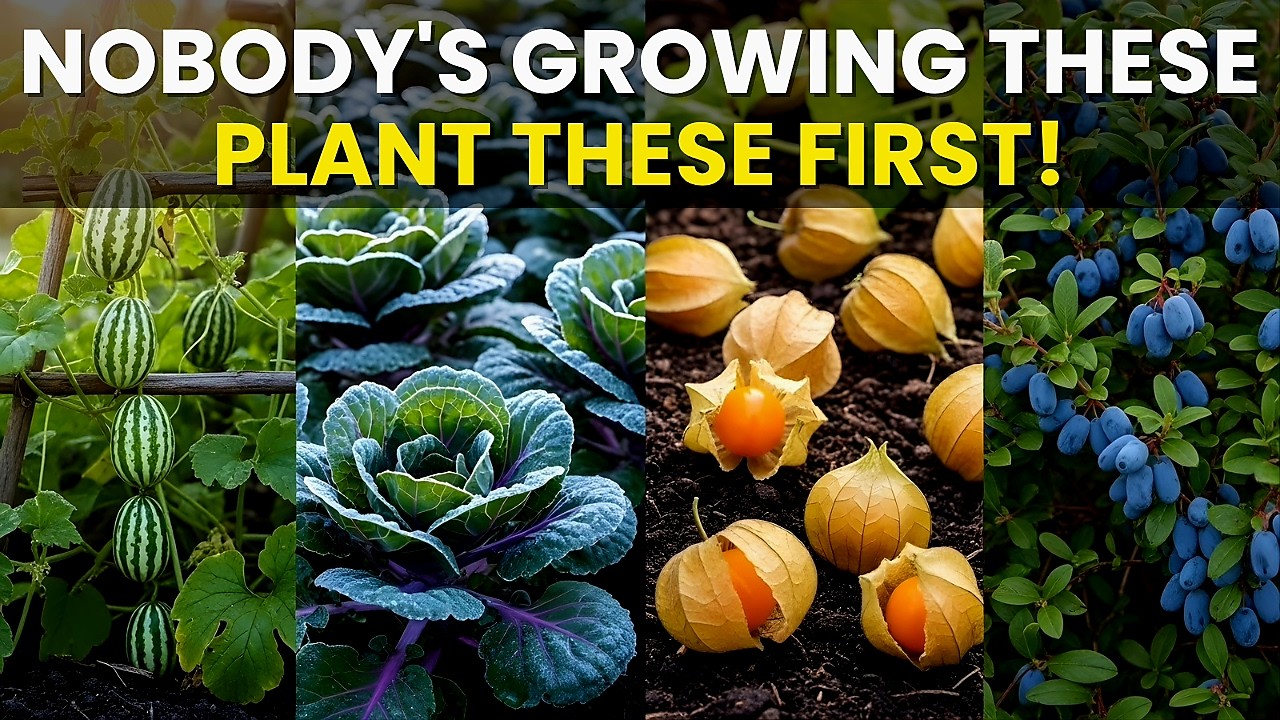
✔ Cucamelons
✔Purple Sprouting Broccoli
✔Ground Cherries
✔Perpetual Spinach
✔Honeyberries (Haskap)
✔Shiso (Perilla)
✔Kalettes (Flower Sprouts)
✔Sunchokes (Jerusalem Artichokes)
✔Alpine Strawberries
✔Lovage
These plants are perfect if you want: ✔ More flavor
✔ Better cold tolerance
✔ Longer harvest seasons
✔ Lower food costs
✔ A garden that actually excites you
Whether you’re a beginner gardener or planning a serious backyard food system, these crops represent where gardening is heading in 2026 and beyond.
👉 Subscribe for more future-focused gardening guides
💬 Comment below: Which plant surprised you the most? Which one are you planting first?
if you want to grow grapes then watch this
👉https://youtu.be/L-YvIFRmmlY👈
Here’s to making 2026 your most productive, flavorful, and exciting garden year yet 🌱
Now go plant something amazing.
#UnusualVegetables #ColdClimateGardening #GrowYourOwnFood #BackyardGardening #HomeGarden #VegetableGarden #FoodGarden #PerennialPlants #SelfSufficientLiving #SustainableGardening #UKGardening #CanadaGardening #USAGardening #GardenPlanning #LowMaintenanceGarden #GardenInspiration
2026 is right around the corner. And if you’re planting your garden now, you’re already ahead of the game. But here’s the problem. Most gardeners plant the same things year after year and wonder why they’re not excited about gardening anymore. This year is different. I’ve got 10 plants that are about to explode in popularity. Some you’ve probably never heard of, others you’ve been growing wrong your entire life. Stick around for number seven. It’s a vegetable that tastes like candy, grows in the coldest climates, and gets sweeter after frost. And number 10, it’s going to completely change how you think about herbs. Let’s dive in. Plant one, cuc melons. The Instagram worthy snack that tastes like summer. Okay, if you’ve never seen a cuclon, prepare to have your mind blown. These look like tiny watermelons about the size of a grape, but they taste like cucumbers with a hint of lime. They’re crisp, refreshing, and honestly, they’re almost too cute to eat. Almost. Why 2026 is their year? Cuc melons have been trending on social media for a while, but most gardeners still haven’t tried them. They’re about to go mainstream, and for good reason. The growing secret? They’re incredibly easy. Plant them after your last frost. Give them something to climb, a trellis, fence, or even a tomato cage, and they’ll produce hundreds of these little gems all summer long. They’re drought tolerant once established, resistant to most cucumber pests, and they keep producing until the first hard frost. The UK advantage, they actually do really well in cooler summers. While regular cucumbers struggle in a British summer, cuc melons thrive. The North American tip, in zones four to six, start them indoors 3 to four weeks before your last frost for a longer harvest window. Harvest them when they’re about grape sized. Pop them fresh in salads. Pickle them. They’re incredible pickled or just eat them straight off the vine as a garden snack. Plant two, purple sprouting broccoli. The winter warrior Britain perfected. If you’re in the UK, you probably already know about this, but for North American gardeners, this is about to become your new winter obsession. Purple sprouting broccoli is nothing like the boring supermarket heads you’re used to. Instead of one big crown, it produces dozens of tender purple or white shoots over several months. Why it’s perfect for 2026? We’re seeing a massive shift toward year round gardening, and purple sprouting broccoli is the ultimate cold season crop. The timing secret. Here’s what makes it special. You plant it in late spring or early summer. It grows all summer and fall, then sits through winter and produces masses of tender shoots from late winter through early spring. Exactly when you’re desperate for fresh vegetables. Cold hardiness. UK survives typical British winters easily, producing from February onwards. USA/Canada zones 6 to 8 usually overwinters well with minimal protection. USA/Canada zones four to five needs some protection, a cold frame or row cover, but absolutely doable. The flavor is incredible, sweet, nutty with none of that bitter sulfurous taste of regular broccoli. A light frost actually makes it taste even better. Steam it for 3 to four minutes, hit it with butter and lemon, and you’ll wonder why you ever bothered with the supermarket stuff. Plant three, ground cherries. The forgotten fruit making a comeback. Ground cherries taste like a tropical vacation. Imagine a pineapple, a mango, and a tomato had a baby. That’s the flavor. They grow in papery husks that look like tiny Chinese lanterns. And when they’re ripe, they drop to the ground, hence the name. why 2026 is their moment. There’s a huge movement toward heirloom and unusual fruits, and ground cherries check every box. They’re productive, lowmaintenance, and that flavor is absolutely addictive. The easy factor, they’re in the tomato family, so if you can grow tomatoes, you can grow ground cherries. Plant them after your last frost, give them full sun, and they’ll sprawl out like a low ground cover. Climate adaptation. Short season areas, Canada, Northern US, and Scotland. They mature faster than tomatoes, about 70 days, so they work beautifully in shorter summers. All zones, they’re incredibly productive, often giving you hundreds of fruits per plant. Here’s the magic. You don’t even have to harvest them. Just wait until they drop, then walk through and pick up the ripe ones from the ground. They keep for weeks in their husks. Eat them fresh, make jam, bake them into pies, or dehydrate them for a sweet tart snack that’s better than candy. Plant four, perpetual spinach. Leafbeat, the cut and come again champion. If regular spinach frustrates you, and it should because it bolts the second it gets warm, perpetual spinach is about to change your life. Despite the name, it’s actually a type of chard, but the leaves taste exactly like spinach. The difference, it doesn’t bolt in heat and it tolerates cold like a champion. The 2026 advantage. With food prices climbing everywhere, UK, USA, Canada, there’s massive interest in crops that produce for months from a single planting. Perpetual spinach delivers. The production secret. Plant it once in early spring and it’ll keep producing new leaves all summer, through fall, and often straight through winter in milder climates. Just harvest the outer leaves and the center keeps producing. I’ve had plants produce continuously for 18 months. Climate performance. UK, this is your perfect climate. Grows year round in many areas with minimal protection. USA Canada zones 7 plus often survives winter and regrows in spring. USA Canada zones 4 to 6 may die back in winter but often returns from the roots or use a cold frame for winter harvests. It’s more heat tolerant than regular spinach and more cold tolerant than shard. Use it anywhere you’d use spinach salads, smoothies, sautes. Plant five, honey berries hascap, the superfruit built for cold climates. If you live in Canada, the northern US, or the UK, this is your new favorite fruit, guaranteed. Honeyberries look like elongated blueberries and taste like a complex blend of blueberry, raspberry, and black currants with a hint of honey. Why? They’re exploding in 2026. They’re being called a superfruit. Higher in antioxidants than blueberries, loaded with vitamin C, and they’re one of the earliest fruits you can harvest, often ripening in May or June. The cold climate miracle. This is where it gets incredible. Honeyberries are hearty to zone 2. We’re talking -40° F, -40° C. The flowers can withstand late spring frosts that would destroy other fruit blossoms. Growing requirements. Need two different varieties for cross-pollination. Prefer full sun but tolerate partial shade. Like slightly acidic soil similar to blueberries. Canada, Alaska. These were practically bred for you. Northern US zones 3 to 5, perfect climate. UK, Ireland, thrive in the cooler climate. Southern US, zones 8 plus, not recommended. Need winter chill. Plant them now and you’ll get fruit within 2 to 3 years. A mature bush produces 3 to 8 lbs of berries and can live for 50 plus years. Plant six, shiso, pilla, the Asian herb that’s about to go mainstream. If you’ve been to a Japanese or Korean restaurant and had that beautiful purple or green leaf as a garnish, that’s shiso. The flavor is complex and unique, somewhere between basil, mint, and anise with a slight cinnamon note. It’s aromatic, refreshing, and unlike anything else in your garden. The 2026 trend with the explosion of Asian cuisine popularity across the UK, USA, and Canada, people want to grow the authentic herbs. Shiso is leading that charge. The easy grower. Shiso grows like a weed. And I mean that in the best way. Plant it once and it’ll selfseed forever. You’ll have more shiso than you know what to do with. All climate performance. Grows as an annual in all zones. Loves warm weather but tolerates cool summers. Actually grows better in partial shade in hot climates. Perfect for containers. How to use it? Wrap it around sushi, your grilled meat. Make pesto. It’s incredible. Pickle the leaves or use it fresh in salads. The seeds are edible, too, and have a nutty, slightly spicy flavor. There’s green shiso in purple shiso. Grow both. The purple variety has stunning dark burgundy leaves that look amazing in the garden. Plant seven, cales flower sprouts. The vegetable that tastes like candy. I promised you a vegetable that tastes like candy and gets sweeter after frost. This is it. Callettes are a cross between kale and Brussels sprouts, but they taste nothing like either. They’re sweet, nutty, with none of that bitter cabbage flavor. They look like tiny frilly purple and green roses growing up a tall stock. Why 2026 is their year? Calletes are relatively new. They were only introduced about 15 years ago, and they’re finally becoming widely available. Once people taste them, they’re hooked. The cold secret. Here’s the magic. Frost converts the starches in callettes to sugars. A hard frost literally makes them sweeter and tender, perfect for cool climates. UK harvest from October through March. USA Canada zones 5 to 8 harvest from November through early spring. Canada USA zones 4 often survive under snow and can be harvested in winter thaws. Plant them in midsummer for a fall and winter harvest. They’re cold hearty down to about 20° F -6° C and actually improve in flavor the longer they’re exposed to cold. Roast them with olive oil and sea salt and prepare to be amazed. They caramelize beautifully and that sweetness is absolutely incredible. Plant eight, sun chokes, Jerusalem artichokes. The lazy gardener’s dream. If you want a crop that requires basically zero effort and produces ridiculous amounts of food, sun chokes are calling your name. They’re not from Jerusalem and they’re not artichokes. They’re actually a type of sunflower with edible tubers that taste like an artichoke heart and a potato with a subtle sweetness. The 2026 appeal. With inflation hitting grocery bills hard everywhere, there’s huge interest in perennial vegetables. Plant once, harvest forever. Sun chokes are the poster child, the invasive advantage. Fair warning, sun chokes spread aggressively, but if you give them their own dedicated patch or grow them in a container, that vigor becomes a blessing. All climate champion. Hardy in zones 3 through 9. Tolerate terrible soil, drought, and neglect. Grow 6 to 10 ft tall with beautiful yellow flowers. Canada and northern US one of the few perennial vegetables that’s truly reliable. UK thrive in the temperate climate. Southern USA may need more water but still productive. Plant tubers in spring. Ignore them all summer while they grow into these towering plants. Then harvest tubers from fall through early spring. One plant produces pounds of tubers. Roast them, make soup, slice them thin, and fry them like chips. Plant nine, coastal strawberries. Alpine strawberries. Flavor bombs you can grow anywhere. Forget those giant flavorless supermarket strawberries. Alpine strawberries are tiny, about the size of your thumbnail, but the flavor is absolutely explosive. They taste like concentrated strawberry essence with hints of pineapple and rose. Eat one and you’ll never look at regular strawberries the same way. Why? 2026 is their moment. There’s a huge movement toward flavor over size, and Alpine strawberries represent everything that movement stands for, the shade secret. Here’s what makes them special for 2026. Unlike regular strawberries that need full sun, alpines actually prefer partial shade, they’re perfect for that tricky spot under trees or on a north facing border. Climate versatility. All zones 3 through 9 incredibly adaptable. UK made for the British climate grow beautifully in partial shade. Canada and northern USA more cold hearty than regular strawberries. Southern USA, the shade tolerance makes them workable even in hot climates. They produce continuously from late spring through fall. No runners, no hassle, just consistent production of these incredible little berries. Plant them as edging along paths, in containers, or as an understory in the vegetable garden. Plant 10. Lovage. The herb that replaces your entire spice rack. I saved the best for last. Lovage is about to completely change how you think about herbs. It tastes like celery on steroids. Intensely savory with hints of anise, parsley, and something almost meaty. A tiny amount flavors an entire pot of soup or stew. The 2026 gamecher. With the cost of living crisis affecting the UK, USA, and Canada, people want plants that deliver maximum value. Lovage is a perennial herb that grows to 6 ft tall, produces masses of flavorful leaves, and you can harvest it from spring through fall. The perennial advantage. Plant it once and it comes back bigger and more productive every year for decades. One plant is enough for most families. Perfect for northern gardens. Hardy zones 3 through 8. Actually prefers cooler climates. Canada, Northern USA, and UK. This is your ideal growing zone. One of the first herbs to emerge in spring, one of the last to die back in fall. Use the leaves like celery in soups and stews, but use way less because the flavor is so concentrated. The stems can be candied like angelica. The seeds taste like celery seed and are incredible in pickling brines. You can blanch the stems like celery for a milder flavor. You can make lovage salt by blending dried leaves with sea salt. It’s endlessly versatile. Bonus tip. Why these plants matter in 2026. Look, we’re all dealing with rising food costs, unpredictable weather, and the desire to eat food that actually tastes like something. These 10 plants address all of that. They’re productive. They’re adapted to cool climate growing in the UK, Canada, and much of the USA. They offer flavors you literally cannot buy in stores. Most are perennials or self-seeders. Plant once, harvest for years. They’re conversation starters that’ll make your neighbors curious. The gardening trends for 2026 are clear. Flavor over size, perennials over annuals, unusual varieties over the same old same old, and resilience in the face of weird weather. These 10 plants check every single box. That’s your road map for the most exciting, productive, and delicious garden you’ve ever grown. Cuc melons, purple sprouting broccoli, ground cherries, perpetual spinach, honey berries, shiso, kletes, sun chokes, alpine strawberries, and lovage. If you’re feeling inspired, I’d love it if you’d subscribe and hit that bell icon. It tells YouTube to show you more content like this. And here’s what I really want to know. Which of these plants are you most excited to try? Have you grown any of them before? What surprised you? Drop a comment below. I read every single one and I love hearing about your garden plans. Thank you so much for watching. Here’s to making 2026 your best garden year yet. Now go plant something amazing. I’ll see you in the next
1 Comment
Your garden is absolutely beautiful! 😍