
#bonsaigarden #smallspacelandscaping #japanesegarden #gardenaesthetic #bonsaidecor #backyardtransformation #outdoorretreat
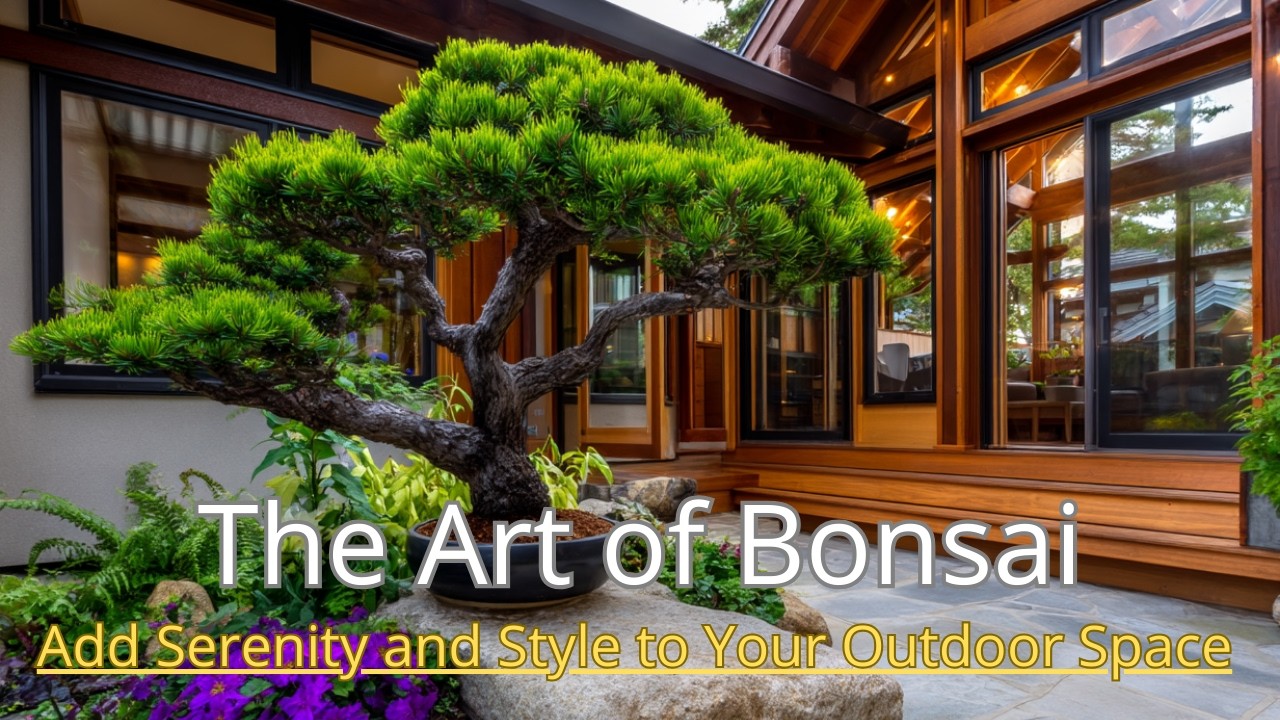
Bonsai art, deeply rooted in Japanese culture, offers a serene and aesthetically rich way to enhance your outdoor space. As a top trend in Japanese garden decor, bonsai introduces tranquility through its miniature representation of nature. From shaping techniques to symbolic designs, bonsai art turns your garden into a peaceful retreat, blending tradition and nature in every detail. The meticulous care involved in cultivating a bonsai tree reflects patience and mindfulness, key elements in Zen landscaping and minimalist outdoor living.
Incorporating bonsai trees into your outdoor area brings more than just beauty—it encourages a spiritual connection with nature. With design elements such as stone lanterns, mossy ground covers, koi ponds, and wooden torii gates, a Japanese Zen garden creates a balanced ecosystem of harmony and calm. Whether you’re working with a small balcony or a spacious yard, bonsai adapts beautifully to any space, adding an element of timeless elegance and peace.
As more homeowners seek tranquil backyard ideas and Asian-inspired landscaping, bonsai gardens are becoming a top choice for outdoor transformation. Their adaptability to urban spaces, sustainability, and symbolism of simplicity and resilience make them an ideal centerpiece. Whether displayed on a pedestal, grouped in themed arrangements, or integrated into a meditation corner, bonsai trees elevate your garden’s aesthetic while offering therapeutic benefits for the soul.
Chapters Based on Sub-Headings:
Introduction to Bonsai Art and Japanese Garden Design
The Spiritual and Aesthetic Value of Bonsai
Bonsai as a Living Sculpture
Principles of Japanese Garden Design
Balance and Harmony in Garden Layouts
Choosing the Right Bonsai Tree
Pots and Containers in Bonsai Aesthetics
Pruning and Wiring Techniques
Bonsai and Miniature Landscapes
Water Features and Natural Elements
Ground Covers and Supporting Plants
Stone Lanterns and Symbolic Decor
Pathways and Flow in Japanese Gardens
Entry Elements: Torii Gates and Arches
Fencing and Garden Boundaries
Seasonal Changes in Bonsai
Creating Meditation Spaces
Bonsai as Miniature Nature Scenes
Embracing Imperfection with Wabi-Sabi
Essential Tools for Bonsai Care
Daily Bonsai Maintenance
Therapeutic Value of Bonsai Care
Displaying Bonsai in Garden Settings
Lighting and Time-of-Day Effects
Integrating Bonsai into Home Gardens
Zen Zones and Quiet Corners
Garden Ambience and Motion
Gifting Bonsai with Meaning
Tea and Bonsai: Cultural Blends
Educational Opportunities with Bonsai
Honoring Japanese Traditions
Sustainable Garden Practices
Joining Bonsai Communities
Growth Through the Years
Bonsai Through the Daylight Spectrum
Public Exhibitions and Shows
Blending Sculpture and Nature
Small-Space Bonsai Gardening
Vertical and Balcony Displays
History and Legacy of Bonsai
Bonsai in the Four Seasons
Wildlife and Natural Integration
Final Reflections: Serenity in Your Space
#homegarden #bonsai #vintagefarmhouse #americanhomegarden #bonsaitree #gardendelight #garden #homedecor #homedesign
[Music] [Music] Welcome to Vina Home Garden. Transform your outdoor and indoor spaces into thriving, beautiful havens with our gardening tips, DIY projects, and creative home decor ideas. Whether you’re a seasoned gardener or just starting out, Vina Home Garden offers practical advice, step-by-step tutorials, and inspiration to make your space bloom. What we cover, easy gardening tips for beginners, creative landscaping ideas, indoor plant care, DIY garden decor projects, seasonal planting guides, budget friendly home garden transformations. Join our community of plant lovers and home enthusiasts. Subscribe now to get weekly updates and inspiration to grow your dream garden. [Music] [Music] Bonsai, the ancient art of cultivating miniature trees, is a timeless tradition rooted in Japanese culture. This art form combined with the principles of Japanese garden design brings a sense of peace, mindfulness, and balance to any outdoor space. By incorporating bonsai and traditional elements into your garden, you create a serene retreat that reflects harmony with nature. [Music] [Music] Heat. Hey, Heat. [Music] Bonsai isn’t just about growing small trees. It’s about patience, discipline, and a deep connection to nature. The practice reflects Zen Buddhist philosophies, emphasizing simplicity, harmony, and the beauty found in imperfection. [Music] Hey, hey, hey. [Music] Japanese gardens are designed to mimic natural landscapes in a stylized way. Rocks, water features, and carefully selected plants represent mountains, rivers, and forests. Each element is placed with intention to convey balance and tranquility. [Music] [Music] [Music] Integrating bonsai trees into a Japanese-style garden adds elegance and symbolic depth. These miniature trees act as focal points, drawing the eye and encouraging contemplation. [Music] [Music] [Music] [Music] [Music] Designing a Japanese garden involves careful planning. Paths curve rather than follow straight lines and features are asymmetrical to reflect the randomness of nature. Bonsai trees are placed where they can be admired and [Music] respected. Hey, hey, hey. [Music] [Music] [Music] There are many species suitable for bonsai such as juniper, pine, and maple. Choose a tree that suits your climate and the level of care you can provide. [Music] [Music] [Music] Heat. Heat. [Music] The pot is an essential part of the bonsai display. It should complement the tree in size, shape, and color, helping to convey the tree’s story and style. [Music] [Music] [Music] Hey, hey, hey. [Music] [Music] pruning, wiring, and shaping are used to guide the growth of bonsai trees. These techniques require skill and patience, and they reflect the gardener’s vision and respect for the natural form. [Music] Hey. Hey. [Music] Stones represent mountains and islands in Japanese gardens. They provide structure and grounding to the design. Bonsai trees often sit near stones to emphasize their miniature landscape. [Music] [Music] Hey, hey, hey. [Music] Water symbolizes renewal and life. It can appear as a pond, stream, or even a simple basin. The gentle sound of water adds to the garden’s calming atmosphere. [Music] Heat. Heat. N. [Music] [Music] Moss and small ground plants bring the garden to life and add texture. They soften the hard lines of stones and pots, blending the elements together. [Music] [Music] Hey, hey, hey. [Music] [Music] [Music] [Music] Stone lanterns are a classic feature of Japanese gardens. They offer soft lighting and spiritual symbolism. often placed along paths or near water. [Music] [Music] [Music] [Music] Paths guide movement and frame the garden experience. In a bonsai garden, pathways are often gravel or stepping stones that invite slow, reflective walking. [Music] [Music] Hey, hey, hey. [Music] Tory gates and bamboo arches signify entering a sacred space. These structures create a feeling of leaving the outside world and stepping into peace. [Music] [Music] [Music] natural fences made of bamboo or would define space and offer privacy. They also serve as a visual backdrop that highlights the beauty of bonsai trees. [Music] [Music] [Music] [Music] Bonsai trees change with the seasons. Spring flowers, summer foliage, autumn colors, and winter bear branches each tell a different story. [Music] [Music] Hey. Hey. Hey. [Music] The bonsai garden encourages It is spiritual reflection and mindfulness. It provides a quiet place to observe nature, breathe deeply and center the mind. [Music] [Music] [Music] [Music] [Music] With Bonsai, you can create a landscape that captures a mountain, a forest, or a river scene in miniature. This allows for deep personal expression through design. [Music] Hey. [Music] [Music] Wabishabi is the appreciation of beauty in imperfection and impermanence. A weathered pot, an asymmetrical branch. These details bring authenticity to your garden. [Music] [Music] [Music] Special tools are used in bonsai care such as pruning shears, wire cutters, and tweezers. These tools help refine the tree with precision. [Music] [Music] [Music] Bonsai trees need regular watering, trimming, and monitoring. Healthy soil and pest control are essential to keep the tree thriving. [Music] [Music] Tending a bonsai is a meditative act. It slows you down, focuses your attention, and brings peace of mind through repetition and care. [Music] Hey. Hey. Hey. [Music] Heat. Heat. [Music] [Music] Bonsai can be displayed on pedestals. benches or in al coes placement should enhance visibility and honor the trees form. [Music] [Music] Oh, hey. [Music] [Music] Natural and artificial lighting both influence the mood of your garden. Subtle lighting highlights bonsai details and adds magic during dusk and night. [Music] [Music] [Music] [Music] You don’t need to start from scratch. Bonsai can be integrated into existing garden spaces, adding an artistic layer to what you already have. [Music] [Music] [Music] Happy [Music] birthday. Heat. Heat. [Music] [Music] Designate a special area for meditation with a bench, a bonsai tree, and a few key elements like a lantern or water basin. [Music] Hey, hey, hey. [Music] The absence of noise and the subtle presence of sound like trickling water or wind through leaves enhances serenity in a bonsai garden. [Music] [Music] Giving someone a bonsai tree is like offering a piece of tranquility. It’s a meaningful living gift that symbolizes patience and care. [Music] Hey, [Music] hey, hey. Heat. Heat. [Music] [Music] Japanese gardens are perfect settings for tea ceremonies or quiet reflection. Invite friends to share in the calmness of your outdoor space. [Music] [Music] Teaching children or guests about bonsai care cultivates appreciation for nature and artistic [Music] patients. [Music] [Music] [Music] Hey, hey, hey. Heat. Heat. [Music] [Music] [Music] When adopting Japanese garden elements, it’s important to honor their cultural roots. Learn the meanings behind symbols and traditions. [Music] [Music] [Music] Use eco-friendly materials in your garden design, natural stones, reclaimed wood, and composting techniques align with the spirit of harmony. [Music] Joining a bonsai club can deepen your knowledge and connect you with others who share your passion. These groups often host events and [Music] workshops. Heat. Heat. [Music] [Music] [Music] Your bonsai and garden will change over time. Embrace this evolution as part of the process. Trees age, designs shift, and new elements can be added. [Music] Bonsai trees are photogenic. Capturing them at different times of day and in various seasons preserves their beauty and your progress. [Music] [Music] Hey, hey, hey. [Music] What? Hey. [Music] Attend or participate in bonsai exhibitions to see different styles and gain inspiration from masters of the craft. Hey, hey, hey. [Music] [Music] Add subtle sculptures or Japanese calligraphy stones to enhance the aesthetic. Each piece should have meaning and blend with the natural setting. [Music] A bonsai garden is a powerful antidote to the fast pace of modern life. It brings peace and mindfulness into the heart of the city. [Music] [Music] Even a balcony or small patio. can host a bonsai garden. Use vertical space and small containers creatively. [Music] [Music] Respecting traditional techniques ensures that bonsai knowledge continues for future generations. Study from books, teachers, and history. [Music] [Music] Hey. [Music] Your bonsai garden can provide joy in every season. Celebrate the first spring bud or the quiet beauty of a snowdusted tree. [Music] [Music] Hello. Hey. Hey. [Music] [Music] [Music] Incorporate plants that attract butterflies, birds, and bees. A healthy garden supports life and biodiversity. [Music] [Music] Hey. Hey. Hey. [Music] [Music] [Music] [Music] Bonsai art in Japanese garden decor together create more than a beautiful outdoor space. They offer a daily escape into peace, artistry, and nature. As you cultivate your bonsai and design your garden, you are also nurturing a sanctuary for your soul. [Music] [Music] [Music] Hey, hey, hey. [Music] [Music] [Music] [Music] [Music] Heat. Hey, Heat. [Music] Hey, [Music]
Comments are closed.