
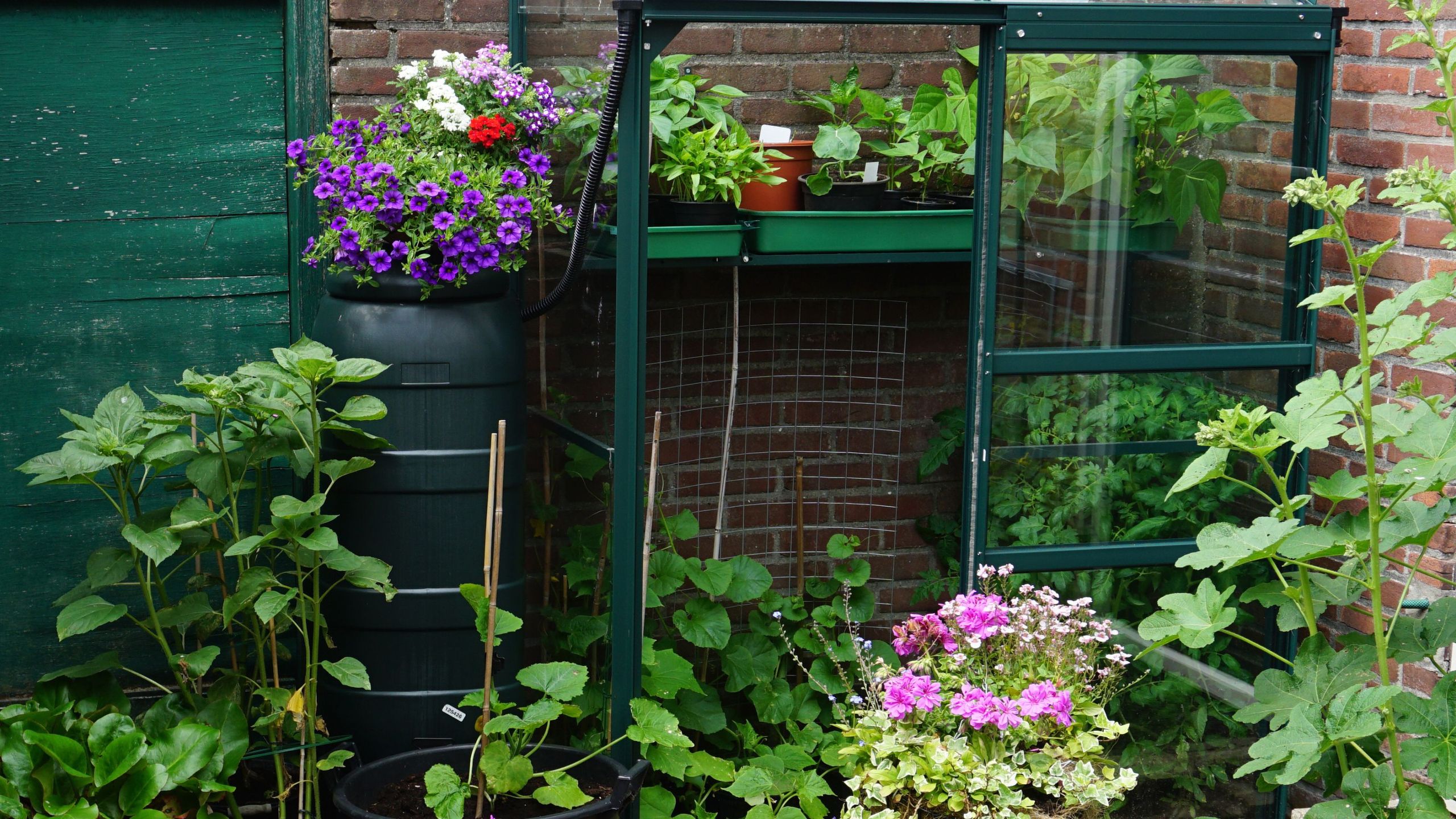
There’s something about a new year that makes you want to hit reset, and for me, that always extends to the garden. Even with two tiny children and a busy day job, I can’t resist thinking about what I want to grow, change, or experiment with in our little patch of green, which is why so many of my resolutions are gardening-focused for 2026.
Last year, the garden often felt like a neglected corner of our home: the borders half-filled, the lawncare non-existent, and the lemon verbena I accidentally planted out running rampant (there’s a reason it’s on my list of plants to never grow again).
You may like
1. Embrace the tabletop vegetable trend

(Image credit: Getty Images)
If the Royal Horticultural Society tells me that tabletop vegetables are the way to grow my own produce in 2026, you can bet I’ll be swapping bouquets of cut flowers for mini chilli plants, compact aubergines, and potted herbs aplenty.
Convenient, tasty, and minimal effort? Count me in. Anything that gets my little girls more interested in gardening is always a win in this house.
2. Make my own compost
I know, I know; what kind of gardening writer am I if I don’t make my own compost? The idea of rats invading my garden has put me off for years, but I’ve been reassured that this clever hot composting bin keeps the hungry pests at bay. And honestly, anything that gives me that coveted black gold is worth a try.

Hotbin Mini Composter and Accessories
3. Puncture my water butt
(Image credit: Future PLC/Simon Whitmore)
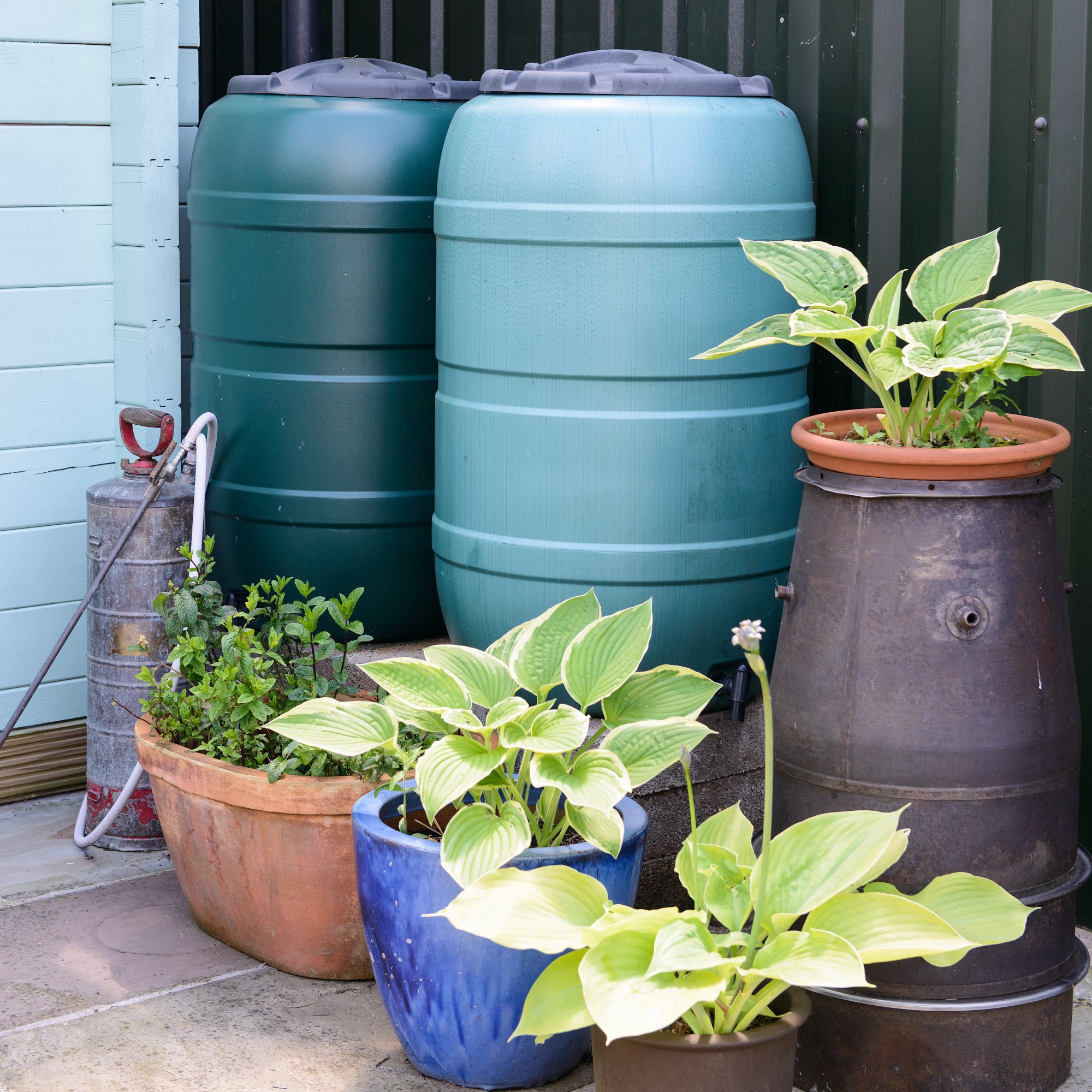
AI-enabled water butts (ugh) that self-empty based on forecasts might be on the horizon, but there’s a simpler, eco-friendly solution: puncture small holes in the bottom of my rain barrel.
Experts say it waters soil slowly, frees up storage for more water, and – best of all – feels like the easiest way to tackle the climate crisis from my own backyard. Colour me impressed, quite frankly.

Selections Rain Water Collector
4. Keep it wildlife-friendly
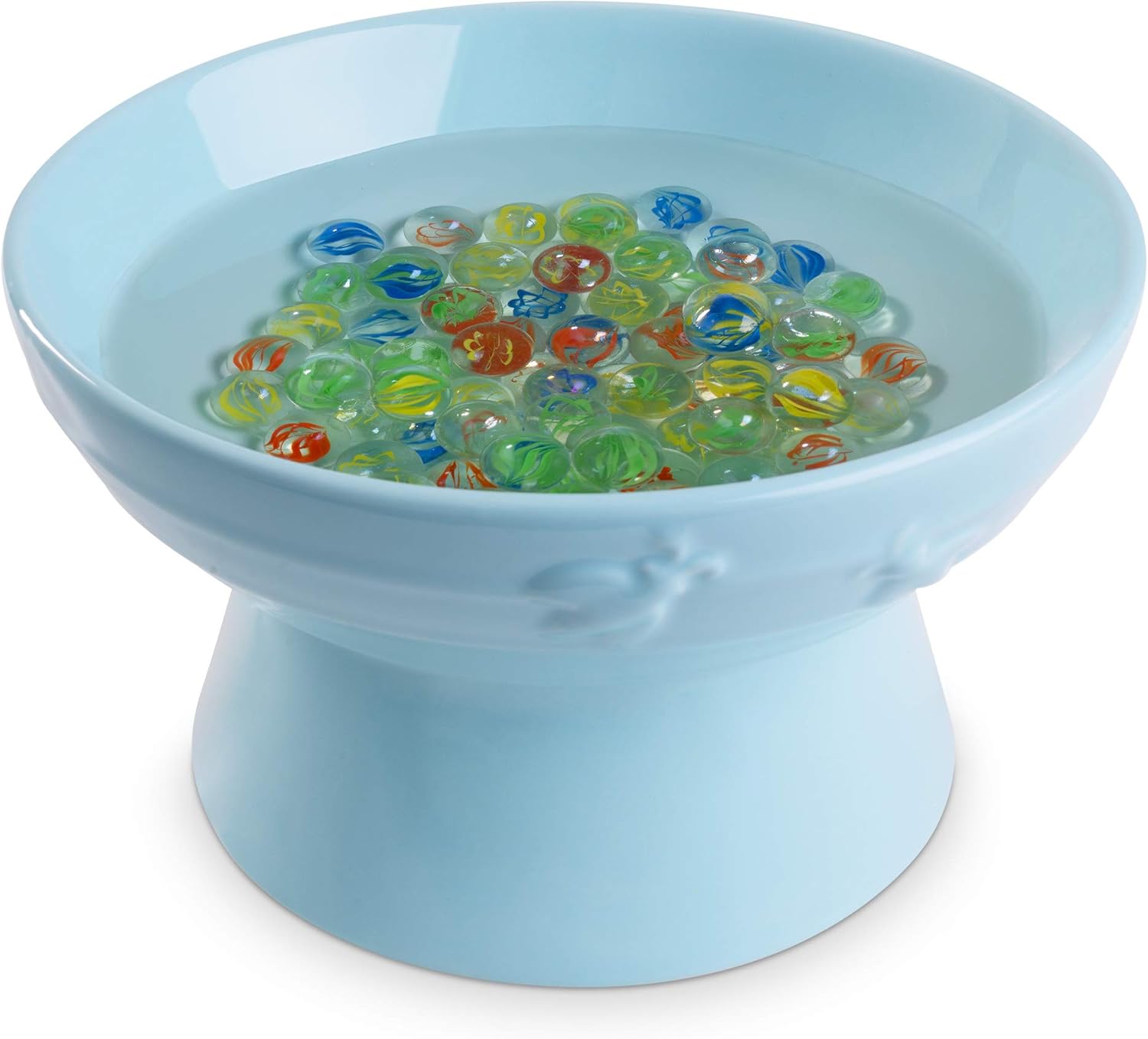
I’ve been trying to make my garden more wildlife-friendly over the past few years by building hedgehog houses, installing bee hydration stations, letting the grass grow (maybe that one’s me being lazy. It’s hard to tell), and planting with pollinators in mind.
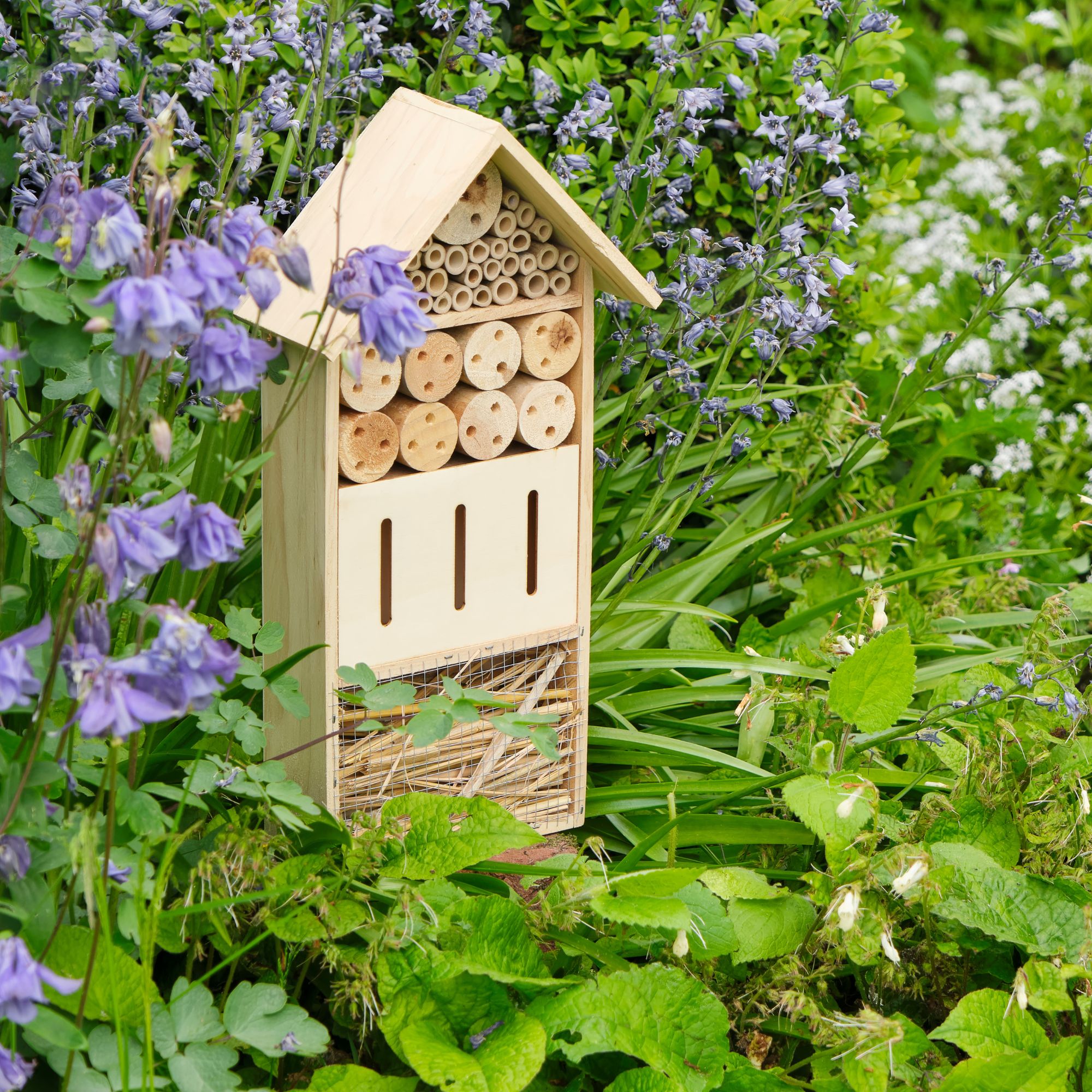
In 2026, I’ll step it up with an insect hotel, a mini pond, and more bee- and butterfly-friendly plants, like phlox and catmint. Probably, too, more bird food pizzas (essentially discs covered in mud and seeds), as my daughter has such fun making them.
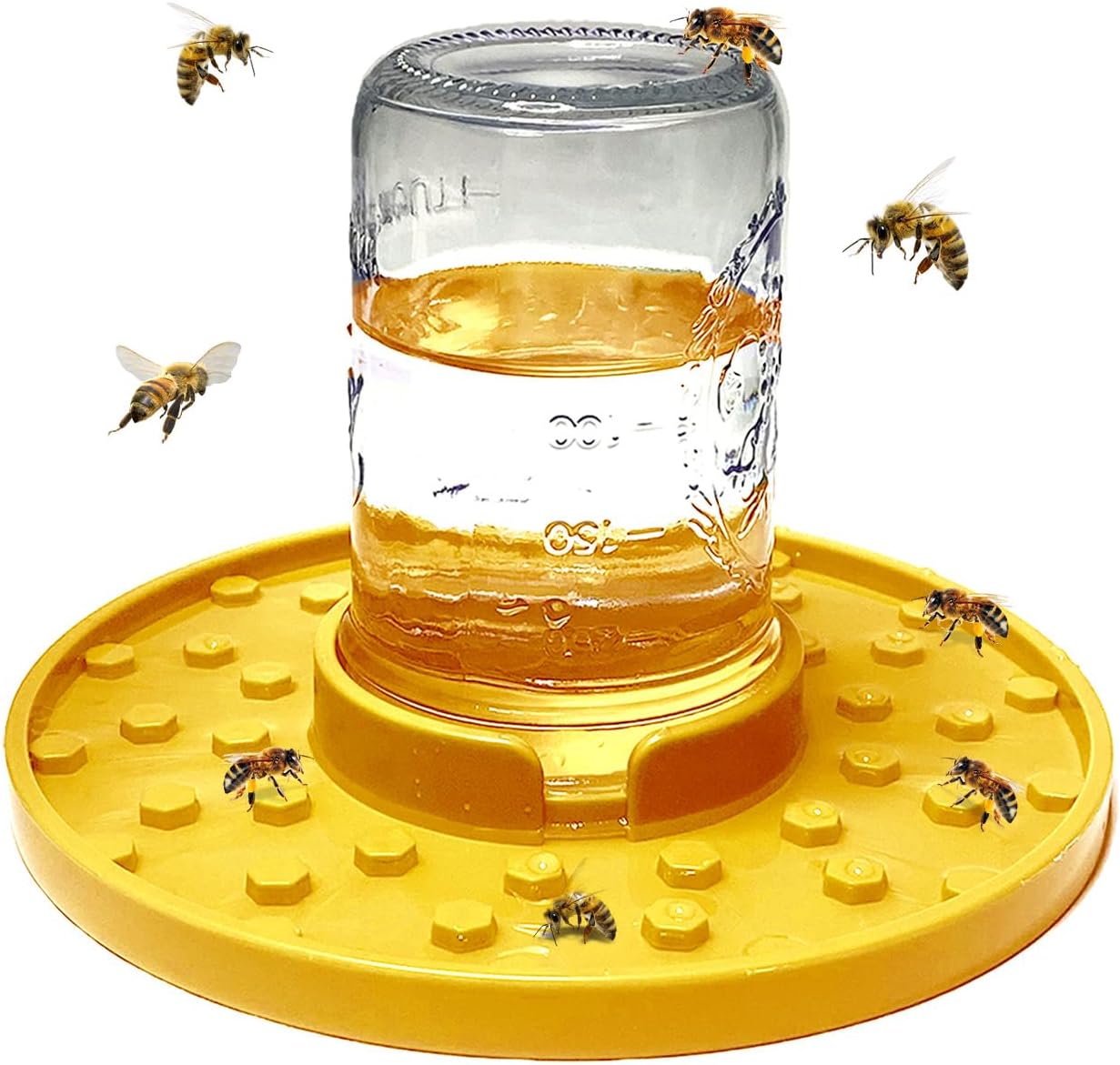
Bee Watering Feeder Station

5. Time!
(Image credit: Getty Images)
My husband is a professional gardener, I’m working flat-out, and we have a pre-schooler, a baby, and a dog. No big surprise, then, that our own garden often falls to the bottom of the priority list.
This year, we’ve both pledged to dedicate more time to cultivating our little space so it can finally feel like the garden we dream of. That means expanding beds to replace more of the lawn, perfecting our irrigation system, planting more fruit trees, and filling borders with rescued plants or cuttings whenever possible. Wish us luck; we’re going to need it!
FAQsWhy do we no longer want south facing gardens?
Climate change brings with it hotter, drier summers in abundance, which is tough on south-facing gardens and the people who tend to them. Cooler, shadier spots are more important than ever before – so consider planting trees to create these if your lawn has a tendency to go full arid when summer rolls around.
How to encourage wildlife in a garden?
If you want to encourage wildlife in a garden, it’s not just as simple as popping out an insect hotel or hedgehog house; you need to approach gardening as if you’re building a habitat for these critters. Leave the leaves, create water sources, plant for pollinators, and let some areas grow wild.
Perhaps most importantly of all? Stop using chemicals in your garden!
These are my gardening resolutions, warts and all. Maybe they’ll spark some ideas for your own garden too, eh?
Comments are closed.