
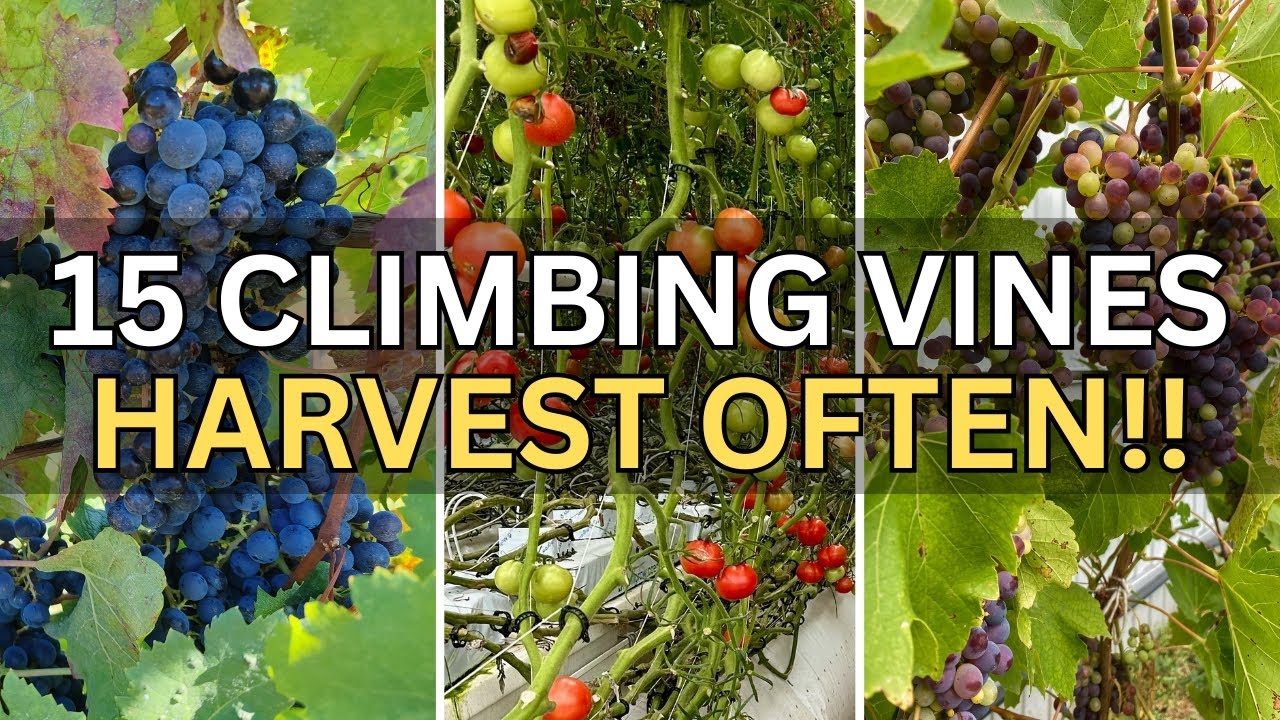
Transform your limited space into a living masterpiece of flavor and beauty with our top 15 climbing perennial edibles! Imagine lush, vertical tapestries where vibrant blooms mingle with delicious, ready-to-pick fruits and vegetables right outside your window. These carefully selected vines are more than just food producers; they are a focal decor that brings life, color, and a soothing, natural rhythm to your balcony or patio, creating a serene sanctuary that nourishes both the body and the soul.
The true magic of these perennial gems lies in their generous “cut-and-come-again” nature, offering a continuous harvest that feels like a gentle, rewarding hug from nature. Enjoy the sweet cascade of perennial peas, the cheerful pop of nasturtium flowers in your salads, and the steady supply of nutritious Malabar spinach throughout the season. This ever-renewing abundance turns your compact vertical garden into a personal grocery store and a stunning accent piece that evolves and delights you day after day, season after season.
Embrace the joyful simplicity of growing your own food in an upward spiral of life. This is not just gardening; it’s crafting an edible ecosystem that buzzes with pollinators and fills your heart with peace and accomplishment. Let these graceful climbers weave a story of hope and plenty on your wall or trellis, making every glance outdoors a moment of captivating visual interest and a reminder of nature’s gentle, generous cycles. Start your journey toward a more sustainable and beautiful home today.
#VerticalGarden #EdibleGarden #UrbanGardening #SmallSpaceGardening #perennialplants #homeharvest
Top 15 climbing perennial edibles for compact vertical gardens you can harvest often. Welcome to a greener way of growing. Whether you’re tight on space or just love smart gardening, this article is your go-to guide for choosing climbing perennial edibles that thrive in compact vertical gardens and keep the harvest coming year after year. From tangy tropical fruits to leafy greens that climb with ease, we’ll explore plants that turn walls, trelluses, and fences into productive edible living art. All with practical tips, realworld wisdom, and inspiration to make your vertical garden flourish. Ready to grow up instead of out? Let’s dive into the top edible climbers that will elevate your garden and your plate. One, passion fruit pasllora sp. Passion fruit vines are a stunning addition to any vertical edible garden. Weaving lush green foliage with fragrant blooms that later turn into sweet, tangy fruits you can pick fresh. These perennial climbers thrive in warm, sunny spots and once established will return year after year with minimal fuss, making them a rewarding choice for gardeners who want both beauty and bounty. Training passion fruit on a sturdy trellis or arbor not only maximizes your growing space, but also creates a delightful shaded nook beneath where the dangling fruit can be easily harvested when ripe. Gardeners often rave about the tropical vibe this vine brings to a compact garden, along with the joy of harvesting fruit that’s perfect for smoothies, desserts, or eating right off the vine two. Choco, cheo, cium ed. Choco, also known as chaote, is a vigorous climbing perennial that thrives in warm climates, sending out long vines that enthusiastically scale trelluses or fences. This plant produces pear-shaped fruits that are mild in flavor and incredibly versatile in the kitchen, from stir fries to baked dishes and even in stews. Though it may die back in cooler weather in some regions, Choco often returns the following spring with renewed vigor and any fruits left on the ground can easily sprout again. Because of its rapid vertical growth and generous yield, Chaote is perfect for gardeners looking to make the most of small spaces while still enjoying plentiful harvests. Three. Sweet potato vine. Hypomeia batadas. Sweet potato vines are a dualpurpose treasure in a vertical garden. They produce edible tubers beneath the soil and tender leaves above that you can cook like spinach. These perennial climbers send out long twining stems that can be trained up supports, turning a simple trellis into a tapestry of greenery that’s as productive as it is decorative. Many gardeners are surprised to learn that the leaves of sweet potatoes are also edible and nutritious, adding another layer of harvest to this humble plant. Easy to grow and adaptable, sweet potato vines are ideal for compact spaces and can contribute both food and visual interest throughout the growing season. Four. Grapes. Vitus SP. Grape vines are classic edible climbers that have been trained on pergolas and trelluses for centuries, offering juicy clusters of fruit alongside cooling summer shade. These perennial vines can be deciduous, dropping their leaves in winter to let light through and leafing back out in spring to provide a lush backdrop for your outdoor space. Whether you choose table grapes for snacking, wine grapes for making homemade juice, or hearty varieties suited to your climate, grapes reward patients with seasons of sweet harvests. They also bring garden architecture alive, weaving through supports with elegance and helping you grow vertically without sacrificing taste. Five. Malibar spinach. Basella alba rubra. Malibar spinach is a heat-loving perennial climber that fills the seasonal gap when traditional leafy greens struggle in hot weather, producing succulent spinach-like leaves up its twining stems. Its rich, glossy foliage climbs readily on trelluses or netting, making it both a functional edible and a fresh green curtain in tropical or warm season gardens. Unlike common spinach, Malibar spinach thrives in warmth and humidity, giving you tender leaves for salads, sauts, and stir fries when other greens have bolted. For compact vertical gardens, this vine is a delicious solution that keeps your harvest coming even in high temperatures. Six. Butterfly pee clator turnia. Butterfly pee is a vibrant perennial vine that climbs with grace, producing striking blue purple flowers that are edible and popular for natural food coloring in teas and dishes. The plant as elegant blossoms can transform beverages from blue to vivid pink with a splash of citrus, making it beloved by adventurous cooks and gardeners alike. Beyond its ornamental allure, butterfly pee produces edible pods that can be harvested young and added to meals. And its climbing habit makes excellent use of vertical space. This tropical climber brings both beauty and utility to a compact edible garden, adding color and flavor to your harvest. Seven. Kiwifruit Actonidia SP. Kiwi Fruit vines are vigorous perennial climbers that can cover pergolas and trelluses with dramatic heart-shaped leaves creating lush shade and a productive canopy. These vines produce sweet fuzzy fruits that are rich in vitamin C and delicious fresh in smoothies or in desserts, rewarding gardeners with a taste of the tropics. to set fruit. Most kiwi varieties require both male and female plants. So, planning your planting layout is key to ensuring pollination and a bountiful crop. Once established, kiwi fruit vines can become a staple of your vertical edible garden, providing abundant harvests year after year. Eight. Kiwi berry. Actanidia arguda. Kiwi berry vines are like a smaller, sweeter kiwi that’s perfect for compact vertical gardens where space is tight but productivity matters. These vigorous climbers produce smooth skinned fruit that’s easy to eat straight off the vine, making them a favorite for edible landscapes. Because most varieties are cold, hearty and fruit reliably each year, they’re great for gardeners wanting perennial yields without massive space needs. Training kiwi berry vines on a strong trellis ensures sunlight reaches every branch, boosting both growth and fruit ripening. Kiwi berries are also delicious frozen or fresh, adding a tropical flavor to breakfasts or desserts with minimal fuss. They need well- drained soil and consistent watering during fruit set, which rewards you with hands full of sweet bite-sized harvests. Nine. Hardy kiwi actedia colomika. Hardy kiwi vines are robust climbers that handle cooler climates and still deliver edible fruit each year. These vines are ideal for a vertical garden in temperate areas where other fruing climbers might struggle, giving you sweet berries without high maintenance. What makes hardy kiwi special is its ornamental twist. The leaves often show splashes of pink and white while the vines climb, adding beauty alongside abundant harvests. These perennials thrive when supported on trelluses or fences and return reliably when properly pruned and cared for. Harvesting is simple once the berries soften late in the growing season and the fruits are packed with nutrients and flavor. Hardy kiwi vines are also resilient to pests and diseases compared with more delicate fruit vines, which means fewer inputs for you as a gardener. 10. Potato bean. Apio’s americana. Potato bean is a powerful perennial climber that sends out twisting vines and produces edible tubers beneath the soil like potatoes. These tubers can be harvested repeatedly over years, making them a valuable edible crop for gardeners wanting both above ground and below ground harvests. The vines will happily climb a sturdy support, filling vertical space with lush foliage and sweet smelling blossoms that attract pollinators. Once established, potato beans are hearty and productive, offering a rare dualpurpose plant for space-saving edible gardens. Because tubers taste nutty and starch, they make a great substitute for regular potatoes in many recipes. Growing them vertically also reduces soil competition with neighboring plants, helping your whole garden thrive. 11. Hops humulus lupilus. Hops vines are best known for their role in brewing beer, but they’re also edible and terrific climbers for vertical gardening. These perennial vines can rapidly scale trelluses and provide a dramatic leafy screen that’s also functional and food producing. The hop cones themselves are harvested in late summer and fall. And while their culinary uses are limited compared to other edibles, they’re prized for teeth, flavoring, and home brewing. Training hops on high supports helps maximize vertical space while keeping the vines manageable and productive year after year. Hops also bring biodiversity to your garden, supporting insects, and improving overall plant health. Their fast growth makes them a favorite for gardeners who want quick coverage and seasonal harvestable yields. 12. Blue passion flower pacifa curelia. Blue passionflower vines marry striking flowers with delicious edible fruit. Perfect for gardeners who want beauty and food from the same plant. Once trained up as sturdy vertical support, these vigorous climbers offer aromatic blossoms and sweet passion fruit year after year. These vines thrive in warm, well- drained conditions and return each year when planted in suitable climates, rewarding you with rich yields and a lush green screen. The fruits can be eaten fresh, blended into smoothies, or used in desserts, adding a tropical twist to your harvests. Passionflower vines also attract pollinators, improving the performance of other plants in your vertical garden. Once established, they are relatively lowmaintenance, making them great for both beginners and season growers. 13. Ntoriums trope mages climbing types. Climbing nesters are bright, edible vines that add color, flavor, and vertical yield to any garden space. Their peppery flowers and tender leaves are delightful in salads, garnishes, and homemade dishes, giving your vertical garden both beauty and culinary use. These animals often behave like shortlived perennials in warm climates, receding themselves and popping up year after year with minimal effort. Training them on trelluses or wire supports gives you cascading blooms and tasty greens in a compact footprint that is easy to harvest. Because every part of the plant is edible, netoriums are a favorite for edible landscaping and vertical designs. Their bright flowers also help attract beneficial insects, boosting garden health and productivity. 14. Pideria lamb dilong. Pideria lanujinosa is a tropical perennial climber valued in Southeast Asian cuisines for its edible leaves and unique flavor. Known locally as lamb dong, its leaves are eaten fresh or cooked, especially alongside rich or fermented dishes, making it both culturally significant and delicious. As a vine, it can scale trelluses and fences with ease, bringing lush greenery and a harvestable crop to your vertical garden. The plant also has traditional medicinal uses and rich cultural ties, offering more than just food in your garden space. Because it prefers warm, humid environments, this climber excels in tropical vertical setups where many other perennial edibles struggle. Gardeners love it for its resilience and unique taste profile, making it a standout in edible gardens with a global twist. 15. Clatoria Turnitia butterfly pee. Butterfly pee is a tropical perennial vine known for its spectacular deep blue flowers that are edible and used to color teas and dishes naturally. Its vines climb happily on trellis supports creating a lush green backdrop with striking blossoms that bring both beauty and harvestable blooms. The tender pods are also edible when young, giving you multiple ways to enjoy the plant in your kitchen. From vibrant tea to fresh greens, butterfly pea vines thrive in warm climates and can be grown in containers or ground soil, making them versatile additions to vertical gardens. Are you feeling
Comments are closed.