
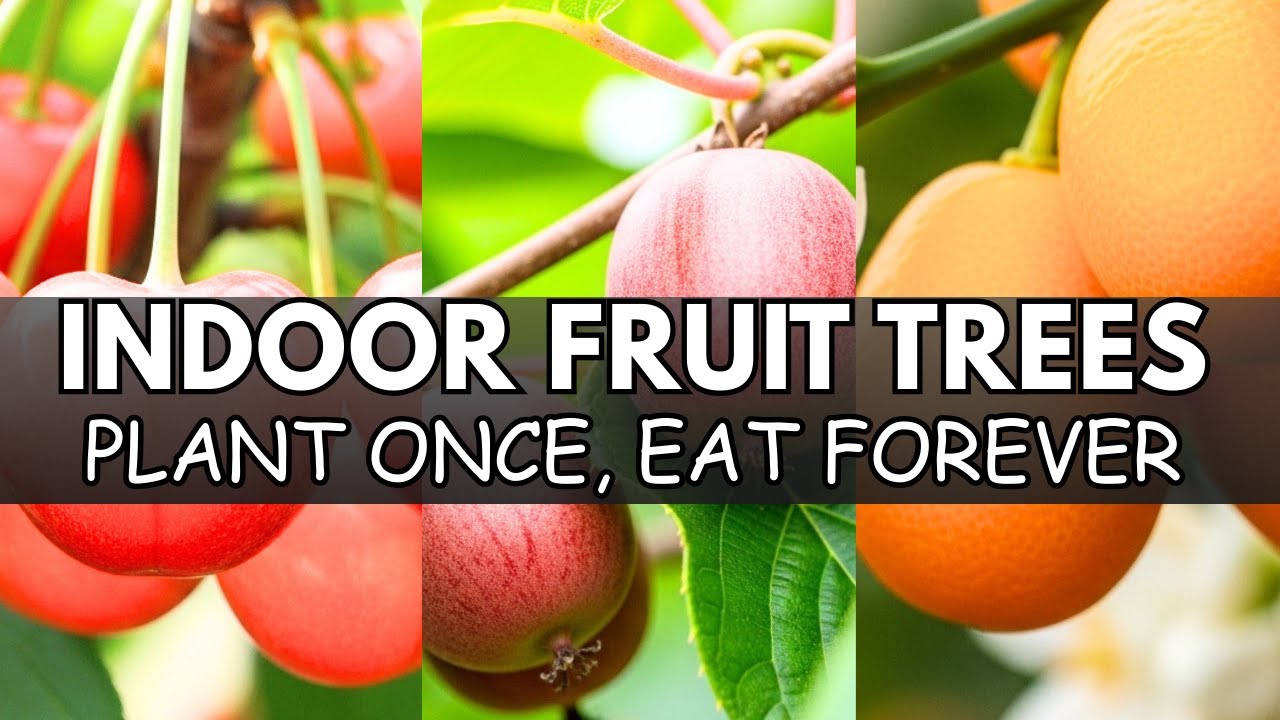
Think you need a big backyard to grow your own fruit? Think again! In this video, I’m sharing 15 incredible fruit trees that thrive in containers, tolerate shade, and produce abundant harvests in the tiniest spaces.
Whether you live in an apartment, have a small patio, or just want to make use of that shady corner of your yard there’s a fruit tree here for you. These varieties are perfect for beginners, retirees, and anyone who wants fresh, homegrown fruit without the hassle.
Growing fruit trees in pots is a practical way to enjoy fresh harvests even in limited spaces. With options like container fruit trees, dwarf fruit trees, and patio fruit trees, anyone can embrace small space gardening and create a thriving balcony fruit garden or fruit trees for apartment balconies. Beginners and older adults benefit from indoor fruit trees for beginners and fruit trees for seniors, which are often low‑maintenance and easy to care for. Choosing shade tolerant fruit trees or fruit trees that grow in shade expands possibilities for different environments, while learning how to grow fruit trees in containers ensures success. The best fruit trees for small spaces include dwarf fruit trees for patios and other compact varieties that fit perfectly into urban lifestyles. For those seeking simplicity, easy fruit trees for seniors and fruit trees for shade provide reliable harvests without demanding upkeep. Whether you’re cultivating a balcony fruit garden, experimenting with orchard fruits in containers, or exploring growing fruit in containers as part of a sustainable lifestyle, these fruit garden ideas make it possible to enjoy fresh produce, beauty, and greenery right at home.
WHAT YOU’LL LEARN:
Which fruit trees actually PREFER growing in pots
Shade-tolerant varieties that produce where others fail
Exact yields—how many pounds of fruit to expect
Money-saving comparisons (some trees save $200+/year!)
Best varieties for containers (with specific names)
Expert tips and pro hacks for maximum harvests
The secret root pruning technique that doubles fruit production
FRUITS COVERED:
0:00 – Introduction
2:14 – Dwarf Fig Trees
– Meyer Lemon Trees
– Dwarf Apple Trees
– Blueberry Bushes
– Quick Pause (Which is your favorite?)
– Dwarf Cherry Trees
– Patio Peach Trees
– Strawberries
– Currants (Shade-Tolerant!)
– Dwarf Pears
– Gooseberries
– Pawpaw Trees (America’s Forgotten Fruit!)
– Elderberries
– Dwarf Mulberries
– Hardy Kiwi
– Dwarf Citrus Trees
– BONUS: Secret Root Pruning Technique
Free E-book Fruit Trees: https://bit.ly/4ptYjdg
Gardening tools for beginners: https://tinyurl.com/gardeningstuffs
FB: https://facebook.com/seniorsgardening
IG: https://www.instagram.com/seniorsgardening/
TikTok: https://www.tiktok.com/seniorsgardening
Get Gardening Tools: https://www.happyhydro.com/?ref=seniorsgardening
Subscribe: https://www.youtube.com/channel/UC5WAgDDt2sl0HRMy04MtsNA?sub_confirmation=1
🍋 PERFECT FOR:
Seniors wanting easy-to-manage fruit trees
Apartment dwellers with balconies
Beginners with no gardening experience
Anyone with limited yard space
Gardeners with shady yards
People wanting to save money on groceries
💰 EXPOSED: How one container fig tree can save you $150-200 per year… how three blueberry bushes replace $300 worth of store-bought berries… and how to grow fruits you literally CANNOT buy in grocery stores (pawpaw, currants, gooseberries, fresh mulberries).
📖 RELATED VIDEOS:
– 15 Forgotten Fruits That Grow Themselves: https://youtu.be/7spHW7T3BvU
– 20 Forgotten Vegetables That Grow Like Weeds: https://youtu.be/LvFLMnfzqjE
– 20 Forgotten Herbs That Heal Everything: https://youtu.be/oLryzYFp9oQ
🔔 SUBSCRIBE to Seniors Gardening for more forgotten fruit tree wisdom
DISCLAIMER: Results may vary based on climate, care, and growing conditions. Always check your local USDA hardiness zone before purchasing fruit trees.
#FruitTrees #ContainerGardening #SmallSpaceGardening #GrowYourOwnFood #DwarfFruitTrees #PatioGardening #BalconyGarden #ShadeTolerantPlants #GardeningForBeginners #GardeningForSeniors #HomeOrchard #MeyerLemon #Blueberries #FigTree #PawpawFruit #GardeningTips #FruitTreesInPots #ApartmentGardening #BackyardOrchard #GrowFruitAtHome
15 fruit trees you won’t believe grow in pots, shade, and tiny spaces. You know what’s wild? Most people think you need a big, sunny backyard, perfect soil, and years of patience to grow your own fruit. They think fruit trees are only for farmers with orchards or folks with acres of land and time to spare. But here’s the truth. that changed everything for me. Some of the most delicious fruit on earth, meerle lemons, sweet figs, juicy peaches, can grow right on your patio, your apartment balcony, or that shady corner of your yard you thought was useless. And I’m not talking about some sad little tree that barely survives. I’m talking about productive trees that give you pounds of homegrown fruit. Trees that actually prefer pots and some that thrive in shade where nothing else will grow. Today I’m sharing 15 incredible fruit trees you can grow in containers, pots, patios, porches, small spaces, and even partial shade. Many of them perfect for beginners, retirees, and anyone who wants fresh fruit without the fuss. Some of these will shock you. Number 11 is a Native American treasure most people have never even heard of. And number 15, it’s like having your own tropical getaway in a pot. >> [snorts] >> Stick around to the end because I’ve got a bonus secret technique that professional orchardists use to double fruit production in containers and almost nobody talks about it. Before we jump in, if you find this helpful, hit that subscribe button and ring that notification bell. Also, let me know where you’re watching from in the comments below. We’re building a community of home fruit growers and I’d love you to be part of it. Let’s start with a fruit tree that actually prefers living in a container. Number one, the dwarf fig tree. Here’s a surprising fact most people don’t know. Fig trees actually produce more fruit when their roots are restricted in a container. In the ground, they focus all their energy on growing massive root systems. But confine those roots in a pot. Boom. The tree channels everything into making figs. For varieties, Little Miss Figgy stays just three to four feet tall, perfect for patios. Celeste is a classic, pest resistant, heat tolerant, and produces honey sweet fruit. And brown turkey is a fast grower that’s extremely forgiving for beginners. Use at least an 18in container with good drainage. Figs love full sun but tolerate partial shade. Water when the soil feels dry about 2 in down. In zone 7 and below, just wheel your pot into a garage or basement for winter. Figs go dormant and need almost no attention until spring. [snorts] Here’s what blows people’s minds. A fig tree in a 10gallon container can produce up to 150 figs per season. That’s roughly 15 to 20 pounds of fresh fruit from a single pot on your patio. Now, let’s talk money. Organic figs at the grocery store run $5 to $8 per pint. One container fig tree, which costs about $30 to $50, can save you $150 to $200 per year in fresh figs. It pays for itself the first season. Number two, the meer lemon tree. Here’s something that surprises people. Meer lemons aren’t actually true lemons. They’re a hybrid of a lemon and a mandarin orange, which is why they’re sweeter, less acidic, and more fragrant than grocery store lemons. And they grow beautifully indoors. The improved meerle lemon is the gold standard. It’s been bred to be disease resistant, virus-free, and perfectly sized for container life. Start with a 5gallon pot for a young tree, eventually moving up to 10 or 15 gallons. Meer lemons need 8 to 12 hours of bright light. So, place them near a southacing window or supplement with a grow light. They’re self-pollinating, so you only need one tree. But indoors, you’ll want to help things along with a small paint brush to transfer pollen between flowers. A healthy container meer lemon can produce 20 to 30 lemons per year within 2 to 3 years of planting. Some mature trees pump out 50 or more lemons annually. [snorts] Organic lemons cost1 to $2 each at the store. One container tree producing 30 lemons saves you $30 to $60 per year. Plus, you get those incredible fragrant blossoms that make your whole house smell like heaven. Number three, the dwarf apple tree. Here’s a fact that changes the game for small space gardeners. Apple trees on ultra dwarf rootstocks called M27 stayed just 4 to 6 feet tall and can live their entire lives in a large container while producing fullsized apples. Look for trees grafted onto M27, M9 or G.41 roottocks. Honey Crisp, Gala, and Fuji are all available in dwarf forms. For self-pollinating ease, try Golden Delicious or look for a family tree with multiple varieties grafted onto one trunk. [snorts] Use a 15 to 25gallon container. Apples need full sun at least 6 to 8 hours daily and require winter chill hours, so they actually need to spend winter outside in most climates. A well-cared for dwarf apple in a container can yield 40 to 50 lbs of apples per year. That’s roughly 2 to three bushels from a tree on your patio. At $3 to4 per pound for organic apples, your container tree can produce $120 to $200 worth of fruit annually. The tree costs $40 to $60 and produces for 15 to 20 years. Number four, blueberry bushes. Let me share something incredible about blueberries. They’re one of the few fruits scientifically proven to improve memory and brain function in older adults. Seniors [snorts] who ate a cup of blueberries daily showed significantly improved memory within just 12 weeks. Top Hat stays just 18 to 24 in tall, perfect for pots. Sunshine Blue and Peach Sorbet are compact, ornamental, and productive. For the absolute best flavor, look for sweetheart or patriot. Blueberries demand acidic soil, pH 4.5 to 5.5. In containers, you can easily achieve this with a mix of Pete moss and acidifying soil amendments. Use a container at least 18 to 24 in in diameter and keep soil consistently moist. A single mature blueberry bush can produce up to 6,000 individual berries per season. That’s roughly5 to 8 pounds of fruit per plant. Fresh organic blueberries cost $6 to 8 per pint. Three container bushes could save you $150 to $300 per year while delivering some of the most antioxidant rich food on Earth. Number five, the dwarf cherry tree. Here’s [snorts] a fact that makes cherries perfect for small spaces. Cherry trees are naturally compact. Even without special roottocks, many varieties stay manageable in containers. Stella is the holy grail. Self-pollinating, sweet, and perfectly sized for containers. Northstar and Meteor are dwarf sour cherries, incredible for pies and preserves. Romeo is a dwarf hearty that resists splitting. An 18 to 24in pot works well. Cherries need full sun and require chill hours in winter to produce fruit, ranging from 400 to 900 hours, depending on variety. A dwarf cherry tree in a container can produce 10 to 15 lbs of cherries annually. That’s 10 to 15 quarts of fresh cherries. Fresh cherries run 4 to 8 per pound at the market. Your container tree could produce $40 to $120 worth of cherries each summer. Here’s your secret weapon. Use netting. Birds will devour your cherries the moment they ripen. Drape lightweight bird netting over your tree as soon as fruits start coloring. Cherries are fleeting. That’s part of their magic. But growing your own means catching them at peak ripess when they’re bursting with juice. Number six, the patio peach tree. Here’s something that surprises most people. Peach trees don’t have traditional dwarf fruit stocks like apples. Instead, genetic dwarf varieties have been bred to naturally stay small, 4 to 6 feet tall, while producing full-sized, delicious peaches. Bonanza is the classic gorgeous pink blossoms in spring, sweet yellow freestone peaches in summer. Golden Glory and Empress are also excellent. For ornamental and edible value, Bonfire has stunning burgundy foliage. Use a 15 to 20 gallon container. Peaches need full sun and 400 to 850 chill hours depending on variety. They’re self-fertile, so one tree is enough. Container peach trees produce smaller harvests than ground planted trees, but you can still get 10 to 20 lbs of peaches from a well-managed patio tree. Organic peaches cost $3 to $5 per pound. Your patio peach could produce $30 to $120 worth of fruit each summer. But honestly, a homegrown peaches are priceless. The flavor difference is staggering. Okay, quick pause. We’re halfway through and I have to ask which fruit tree has caught your attention so far. Drop a comment below and tell me what you’re excited to grow. Also, if you’re finding this valuable, do me a huge favor. Tap that like button right now. It tells YouTube to share this video with more people who want to grow their own food. Takes two seconds and means the world. All right, now let’s get into some fruits that will genuinely surprise you. Number seven, strawberries. I know, I know. Strawberries aren’t technically trees, but they’re so perfect for containers, so productive and so beloved that I couldn’t leave them out. Dayneutral types like Albon, Seascape, and San Andreas fruit continuously from spring through fall. Everbearing varieties give you two strong harvests. Alpine strawberries are tiny, intensely sweet, and actually tolerate shade. A single 12 to 14in hanging basket can hold two to three plants. Strawberry towers and jars maximize vertical space. Even a 5gallon bucket with drainage holes works beautifully. Each [snorts] strawberry plant produces about 1 to two pints of fruit for season. A small container garden with 12 plants could give you 12 to 24 pints. That’s enough for fresh eating, smoothies, and jam. Organic strawberries cost $5 to $8 per pint. A dozen container plants could produce $60 to $190 worth of berries annually from about $20 in plants. Number eight, currents. Now we’re getting into shade tolerant territory and currants are superstars here. This is one of the most overlooked fruits in America, but in Europe they’re everywhere and for good reason. Currants naturally thrive in partial shade. 4 to 5 hours of sun is plenty. They actually appreciate afternoon shade in hot climates. Black currants like Ben Conan are packed with vitamin C, four times more than oranges. Red currants are beautiful and tart, perfect for jellies. White currants are milder and sweeter. A 12-in pot works well. Currants are self-pollinating, cold, hearty, and remarkably lowmaintenance. A mature currant bush produces 8 to 10 lbs of fruit per year. That’s roughly 4 to 5 quarts of berries from one compact shrub in partial shade. Fresh currants are almost impossible to find in US grocery stores. When available, they command $8 to 12 per pint. Growing your own is the only practical option. Number nine, dwarf pears. Pear trees on Quint’s rootstock stay just 5 to 8 ft tall and tolerate more shade than most fruit trees. That makes them perfect for spots that get dappled sunlight or only morning sun. Bird to enjue thrives in partial sun and produces buttery sweet fruit. Williams, also known as Bartlett, is a classic that adapts well to containers. Conference is self-fertile, so you only need one tree. Use a 20gallon container minimum. Pears need less water than most fruit trees. They actually prefer soil that dries out slightly between waterings. A container pear tree can produce 20 to 40 lbs of fruit per season once mature. Pears store well, too, so you can enjoy them for months. Organic pears cost $2 to4 per pound. Your container tree could produce4 to $160 worth of fruit annually. Number 10, gooseberries. Another shade champion that deserves way more attention. Gooseberries were once America’s most popular fruit before they were banned in the early 1900s because they can host a disease affecting white pine trees. Most of those bans have been lifted and gooseberries are making a comeback. They need just four to 5 hours of sunlight and produce four to five quarts of sweet tart fruit per plant. Invicta is disease resistant and highly productive. Pixwell has fewer thorns making harvesting easier. Henomaki Red has incredible flavor, like a sweet, tart grape with hints of strawberry. A 15-in pot works well. Gooseberries are extremely cold hearty. They’ll survive temperatures down to -40° F. The fruit is practically impossible to buy fresh in America. When you do find it, expect to pay $8 to 12 per pint. Growing your own is truly the only way to enjoy this forgotten fruit. Number 11, the pawpaw tree. This is North America’s largest native fruit, and almost nobody grows it. If you’ve never heard of pawpaw, you’re about to discover something incredible. Paw paws taste like a creamy blend of banana, mango, and vanilla custard. Native Americans treasured them. George Washington’s favorite dessert was chilled pawpaw. Lewis and Clark survived on them during their expedition. Here’s what makes paw paws perfect for difficult spaces. They naturally grow as understory trees in forests, meaning they prefer shade when young. Once established, they tolerate partial shade beautifully. They’re hearty from zones 4 through 9, and deer won’t touch them. Zusuana, Ptoic, and Shinnandoa are excellent named varieties. You’ll need two different varieties for cross-pollination. You can start paw paws in large containers, though they’ll eventually want to be planted in the ground. Young trees need protection from sun, a blessing for shady yards. A mature pawpaw tree can produce 25 to 50 lbs of fruit per year. You cannot buy paw paws in grocery stores. They’re too delicate to ship. Growing your own is literally the only way to taste this incredible native fruit. Here’s the secret to paw paws. The flowers are pollinated by flies, not bees. Hang a piece of rotting meat near the tree during bloom time, or handpollinate with a small brush for guaranteed fruit set. Paw paws are America’s forgotten fruit, a treasure hiding in plain sight, waiting to be rediscovered in your own backyard. Number 12, elderberries. Elderberries have exploded in popularity recently, and for good reason. Elderberry syrup is one of the most powerful natural immune boosters and the berries are packed with antioxidants. Here’s the beauty. Elderberries thrive in partial shade. They actually prefer it in hot climates. Black lace has stunning dark purple foliage and produces abundantly. York and Nova are the most productive varieties. Plant two different varieties for best pollination. A 20-gallon container works for smaller varieties. Elderberries are fast growers. You can harvest berries in your second year. One elderberry bush produces 8 to 12 lbs of berries per season. Enough to make elderberry syrup for your whole family all year long. A small bottle of elderberry syrup costs 15 to$25 at health food stores. One bush can produce enough berries for over $100 worth of syrup. Critical tip, never eat elderberries raw. They must be cooked. The raw berries, leaves, and stems contain compounds that can cause nausea. But cooked elderberries are completely safe, and incredibly beneficial. Elderberries are like having a natural pharmacy growing on your patio. Beautiful, productive, and genuinely good for your health. Number 13, dwarf mulberries. Mberries are the ultimate lowmaintenance fruit tree and dwarf varieties make them perfect for containers and small spaces. Dwarf Everbearing stays 6 to 8 ft tall and produces sweet tart berries for weeks, sometimes months. Gerardi dwarf is even smaller, maxing out at 4 to 6 feet. Both tolerate partial shade. Mulberries are drought tolerant once established, pest resistant, and nearly foolproof. They don’t need much fertilizer and rarely need spraying. A container mulberry can produce 5 to 10 pounds of berries per season. The berries ripen over an extended period, so you get fresh fruit for weeks instead of all at once. Fresh mulberries are almost never sold commercially. They’re too delicate. Dried mulberries cost $8 to $15 per pound at health food stores. Growing your own is the only way to enjoy them fresh. Here’s a mulberry secret. Place a tarp or sheet under your tree when berries are ripe. Gently shake the branches and ripe berries will fall right off. It’s the easiest harvest you’ll ever do. Mulberries stain everything they touch. Your hands, your clothes, your patio. But one taste of a sunwarmed mulberry and you won’t care one bit. Number 14, hardy kiwi. Most people don’t realize you can grow kiwis outside of New Zealand. Hardy kiwi varieties thrive in most of the United States, even areas with cold winters. These aren’t the fuzzy brown kiwis from the grocery store. Hardy kiwis are grapesized, smooths skinned, no peeling required, and sweeter than their tropical cousins. They grow on vigorous vines that tolerate partial shade. Isai is self-pollinating, so you only need one vine. Anna and Kins Red are highly productive, but need a male pollinator plant nearby. A large container, at least 20 gallons, works for a single vine, but you’ll need a trellis or support structure. Hardy kiwis can survive temperatures down to -25°. A mature kiwi vine can produce 50 to 100 lbs of fruit per year. Even in a container, you can expect 10 to 20 lbs of fruit. Organic kiwis cost $4 to $6 per pound. Your container vine could produce $40 to $120 worth of fruit annually, and hearty kiwis taste better than anything you’ll find in stores. Number 15, dwarf citrus trees. I saved this for last because citrus in a container feels like absolute magic, like bringing a tropical paradise wherever you live. Beyond Meer lemons, consider improved dwarf key lime for mojitos and key lime pie. Calamandon orange is nearly foolproof, perfect for beginners. Kumquats are trees you can eat fruit from. Peel and all sweet skin, tart flesh, no waste. Citrus needs 6 to 12 hours of bright light. Southacing windows work. Grow lights are even better. Keep humidity at 50 to 60% and water when the top few inches of soil dry out. Citrus trees often flower and fruit simultaneously. You could have fragrant blossoms and ripe fruit at the same time, something no other fruit tree offers. And oh, the meer lemon is absolutely worth the hype. They’re sweet, less acidic, and juicy. And even a small tree can produce 10 to 20 fruits. The transformation a dwarf citrus tree brings to any room is remarkable. The glossy evergreen leaves, the intoxicating fragrance of blossoms, the bright fruit hanging like ornaments. It’s a living piece of art that feeds you. Now, here’s that bonus technique I promised. The secret professional growers use to dramatically boost fruit production in containers. It’s called root pruning. And it sounds counterintuitive, but it works wonders. Every 2 to 3 years, carefully remove your tree from its container. Using a sharp knife or saw, shave 2 to three inches off the outer edges of the root ball, bottom, and sides. Then repot in fresh soil. Why does this work? When roots hit the pot’s edge, they start circling and eventually strangle themselves. This is called being rootbound, and it slowly kills productivity. Root pruning removes those circling roots and stimulates fresh, healthy root growth. The result, your tree thinks it’s been planted in fresh ground. It responds with a burst of new energy. And here’s the magic, dramatically increased fruit production. Professional container orchardists report 30 to 50% more fruit after root pruning. The best time to root prune is late winter, just before spring growth begins. Your tree will bounce back quickly and reward you all season long. This single technique can keep a fruit tree productive in the same container for decades. It’s like giving your tree a fresh start every few years. And there you have it. 15 incredible fruit trees that prove you don’t need acres of land to grow your own food. You don’t need perfect conditions. You don’t need decades of experience. You just need one pot, one tree, and the willingness to try. If this video helped you, please subscribe and share it with someone who needs to hear this message. Drop a comment telling me which fruit tree you’re going to try first. I genuinely want to know. Until next time, happy growing. And remember, the best time to plant a fruit tree was 20 years ago. The second best time is
20 Comments
Free E-book Fruit Trees: https://bit.ly/4ptYjdg
Links to site to get plants and seeds in E-book
Follow my Whatsapp Channel: https://whatsapp.com/channel/0029Vb6tnRH2kNFmaE6RsG2U
Gardening tools for beginners: https://tinyurl.com/gardeningstuffs
Kiwifruit, which you are calling kiwis, are not tropical. They are not native to New Zealand and until the 1950s were called Chinese Gooseberries. They were discovered in southern China by a New Zealand horticulturalist about 100 years ago, who took some home to plant in the sub-tropical North Island of New Zealand. By selective breeding he improved the sweetness of the fruit and it became commercially successful. It actuall won't grow in tropical conditions,but thrives in subtropical climates. It is commercially successful in such places besides New Zealand as Chile, Italy, Greece, Spain, Mexico, South Africa and California. The cold-hardy versions you mention are even grown commercially in Canada.
what about apricots and plums?
I’d love figs and lemons 🎉❤❤❤ please I want to learn
I'm growing fruit tree inside my house now…and growing tomatoes
West Texas
N. Las vegas
Zone 3 Toronto Ontario
I'm growing lemon…been 4 years and has not produce fruit yet.
Thanks Soo Much..Praise Ahayah Yashiya 💝
wonderful information!
New to the community! Fargo, ND.
I live in Macclenny Florida out in the country and i and a beginner and would love to grow my own fruit trees. I work a lot, but still want to try.
ILLINOIS
Central Texas
Peach and strawberry apple pears lemon cherry
Cocoa florida
Ty so much for this wonderful video! If possible please add what zone they you should grow in!
For thebfigs do they need to be pollinated by those wasps to grow fruit
You can make a syrup out of elderberry flowers too. And elderberry jelly on lamb or venison makes your tongue dance to heavenly music.