
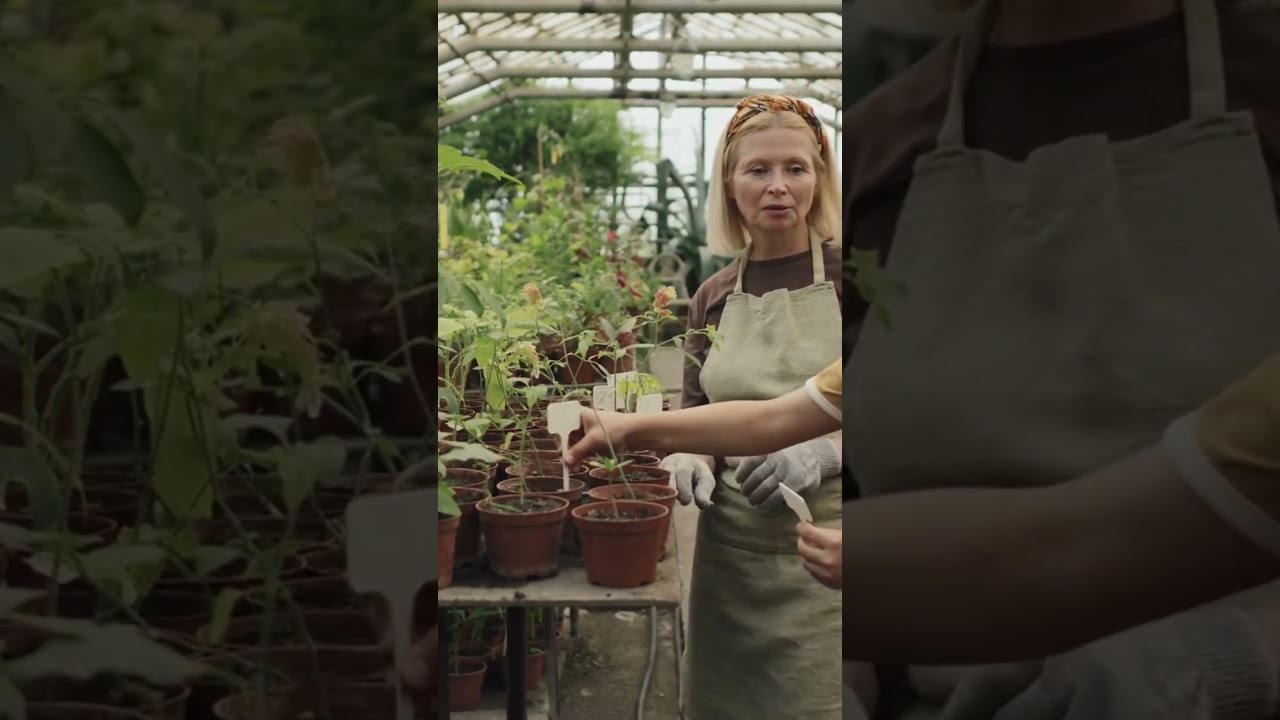
Every plant in your greenhouse has unique needs — and understanding them is the difference between struggling plants and a thriving, productive garden 🌱
In this video, I’ll show you how to research, track, and care for different plant varieties so you can confidently grow food and plants year-round.
In this lesson, you’ll learn:
✅ Why plant research is essential for greenhouse success
✅ How to identify and label different plant varieties
✅ Where to find reliable plant care information
✅ How to create simple, individual care plans
✅ What signs of stress, pests, or disease to watch for
✅ How to adjust care before problems get serious
This approach helps you stay proactive — not reactive — in your greenhouse.
🎁 Want to learn how to build and manage your own year-round greenhouse?
👉 Get my video training at https://greenhousecourse.com
Subscribe for more greenhouse lessons, sustainable gardening tips, and self-sufficiency training.
#GreenhouseGardening #PlantCare #YearRoundGreenhouse #GrowYourOwnFood #OrganicGardening #SelfSufficiency #SustainableLiving #GreenhouseCourse
Understanding the unique needs of your chosen plants is essential for a thriving greenhouse garden. Before we begin, let’s emphasize the importance of research. Researching your plants helps you provide the best care, resulting in healthier, more productive plants. It allows you to anticipate challenges and address them proactively. Your greenhouse may host a variety of plant species and varieties. It’s essential to understand their individual requirements. Start by identifying each plant species and variety in your greenhouse. Use labels or tags to ensure you can differentiate between them. Now, let’s discuss how to research the specific needs of your plants. Utilize gardening books, online resources, or consult with experts to gather information about each plant’s requirements. Take detailed notes about factors such as sunlight, temperature, water, soil type, and nutrient needs. Once you’ve gathered information about your plants, create individual care plans. Organize your notes into individual profiles for each plant variety. Note the unique care requirements and differences between plant varieties. Regularly monitor your plants and keep a record of your observations. Check for signs of stress or disease. Adjust your care routine based on your observations. Be proactive in preventing and managing pests and diseases. Regularly inspect your plants for pests and signs of diseases. Implement organic pest control measures and isolate affected plants if necessary.
Comments are closed.