
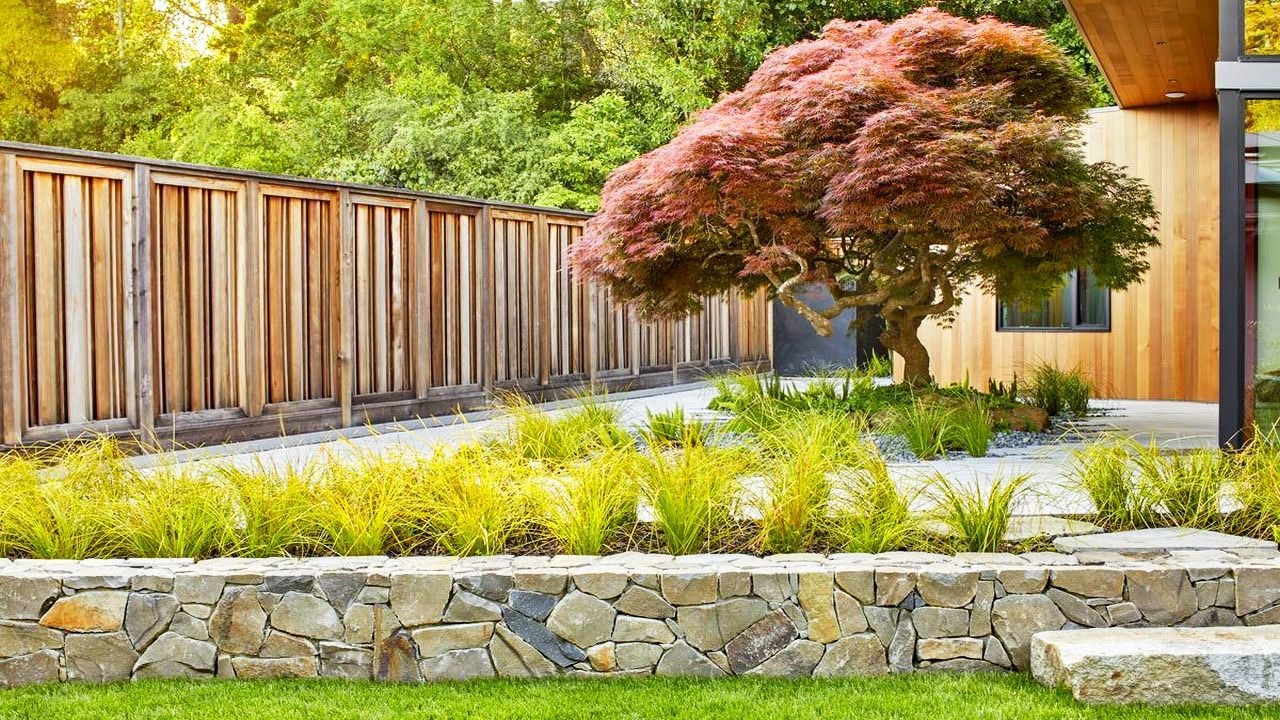
Welcome back to Garden Decor Designs, the channel dedicated to making your outdoor space a masterpiece! If you’re craving a peaceful escape right outside your door, you’re in the right place. Today, we’re diving into the sublime, elegant, and deeply spiritual world of the Japanese Minimalist Garden. This style is more than just landscaping; it’s about creating a true, tranquil sanctuary. Let’s start with the basics. Watch now! and enjoy the video, hope you like it and get great inspiration from it. Thank you.
#JapaneseGarden #MinimalistGarden #ZenGarden #GardenDesign #Karesansui #OutdoorDecor #GardenInspiration #BackyardIdeas #Minimalism #GardenDecorDesigns
—
If you like this video then like and subscribe our channel Garden Decor Designs
–VISIT OUR SOCIAL MEDIA
¦Youtube : https://www.youtube.com/channel/UC9Mx69myTdCEtgVVu4ctP1g
–Thanks for watching. If you like this video please? SUBSCRIBE – LIKE – SHARE -COMMENT
======================================================
If you are an owner of any photo and if you wish to delete that photo so please first contact me at my Gmail account that is mentioned above or you can also contact me at: gardendecordesigns@gmail.com
Fair Use Policy Disclaimer.
Copyright Disclaimer Under Section 107 of the Copyright Act 1976, allowance is made for fair use for purposes such as criticism, comment, news reporting, teaching, scholarship, and research. Fair use is a use permitted by copyright statute that might otherwise be infringing. Non-profit, educational or personal use tips the balance in favor of fair use.
======================================================
japanese minimalist garden,japanese garden, minimalist garden, zen garden design, garden landscaping, japanese aesthetics, outdoor living, tranquil spaces, garden ideas, small garden design, asian garden style, minimalist decor, landscaping tips, garden inspiration, nature therapy, garden design ideas, peaceful gardens, outdoor design, gardening techniques, creative gardens, Japanese minimalist garden, Zen garden, Japanese garden design, minimalist landscape, modern Japanese garden, dry landscape garden, Karesansui, garden decor, Japanese garden plants, small garden ideas, tranquil garden, Zen garden ideas, outdoor living space, garden decor designs
Hello everyone. Welcome back to Garden Decor Designs, the channel dedicated to making your outdoor space a masterpiece. Before we start, we want to ask your support to make this channel grow with subscribe to this channel. Leave comment, hit the like button, or share this video to your friends and family. If you’re craving a peaceful escape right outside your door, you’re in the right place. Today, we’re diving into the sublime, elegant, and deeply spiritual world of the Japanese minimalist garden. This style is more than just landscaping. It’s about creating a true tranquil sanctuary. Let’s start with the basics. The Japanese minimalist garden often referred to as a zen garden or kerasan sooie or dry landscape garden is a profound form of artistic expression where nature is symbolized not imitated. It strips away the unnecessary to focus on essential elements like stone, moss, gravel and carefully pruned plants. The fundamental principle is simplicity and restraint, embodying the Japanese aesthetic of wabishabi, which finds beauty in imperfection and transiencece and yen suggesting profound mysterious beauty. The garden isn’t just a place to look at. It’s a space for meditation and contemplation. The raed gravel represents water. The rocks symbolize islands or mountains. And the limited use of greenery ensures every element has maximum impact, encouraging the mind to fill in the missing details and find stillness in the carefully composed landscape. It’s a purposeful design where every object holds meaning and contributes to an overall sense of harmony. Having a Japanese minimalist garden offers a multitude of benefits that extend far beyond aesthetics. Firstly, it provides an immediate stress reducing environment. The clean lines, natural materials, and symbolic elements create a calming atmosphere that encourages mindful presence and a sense of serenity, making it a perfect spot for unwinding after a busy day. Secondly, this style of garden is remarkably lowmaintenance. Since it relies less on lush, high water demand plantings and more on non-living elements like stone and gravel. It requires less frequent watering, weeding, and pruning than a traditional garden, making it sustainable and timeefficient. Finally, a minimalist design is adaptable to any space, particularly small urban gardens or courtyards, by focusing on essential elements. Even a tiny corner can be transformed into a deeply meaningful and visually striking zen retreat, effectively maximizing the use and tranquility of your available outdoor space. The key to decorating a Japanese minimalist garden beautifully lies in thoughtful placement and subtraction, not addition. Start with your hardscaping, which forms the backbone of the design. Use natural irregularly shaped stones and rocks or ishi as symbolic focal points positioning them in oddnumbered groupings three or five to create a symmetry which is vital in Japanese design. Choose a clean gravel or sand for the main area and rake it into patterns or simone symbolizing water ripples or waves. This act is decorative and meditative. For structures, consider a stone lantern or TR or a small water basin or sucubai made of natural stone to introduce subtle architectural interest and an element of water or real or symbolic. When it comes to color, stick to a muted palette of greens, grays, and natural wood tones, ensuring any accessories or furniture blend seamlessly rather than standing out. Ultimately, the garden’s beauty comes from the empty space. The maso resists the urge to fill every corner, letting the arrangement of the essential elements speak for itself. The best plants for a Japanese minimalist garden are those that offer texture, structure, and year-round interest while being naturally restrained. Evergreen shrubs are essential for providing a constant backdrop of green. Look for species like Japanese holly or kronata or aelas that can be easily pruned into rounded or cloud-like forms. Moss is arguably the most vital plant, creating a soft velvet-like ground cover that symbolizes age and tranquility, especially in shaded damp areas. For vertical elements, consider a small, carefully pruned tree like a Japanese maple or acer palmatum for its beautiful seasonal color change or a dwarf pine or pinus densora umbracula for its distinctive architectural shape. Bamboo is also an excellent choice, providing a light, airy feel and a relaxing sound, but be sure to use a clump forming variety or a root barrier to contain it. The goal is to select a few strong plant types and use them sparingly, allowing the texture and form of each one to be appreciated against the backdrop of stone and gravel dot. Now, let’s dive into some practical and inspiring garden design ideas that you can implement in your own space. Here are these the collection of the top 10 best Japanese minimalist garden ideas to spark your creativity. One, tranquil stone lantern garden. This beautiful scene centers on a traditional stone lantern or TR. It’s a classic feature in Japanese gardens. Surrounded by carefully placed boulders and soft bright green moss, the gravel path offers a striking contrast to the lush plant life and dark stone. The design utilizes varying heights and textures with small trees and shrubs providing a delicate natural canopy against the simple light colored backdrop wall creating a peaceful shaded nook dot. Two urban stone and tree retreat ideal for small modern urban spaces. This minimalist courtyard extends the indoor living space outward through a large unobstructed sliding glass door. The garden floor is covered in small dark gray pebbles providing a neutral textural ground plane. A single mature tree in a small planted bed breaks the vertical concrete wall. Adding a vital element of life and shade. The design is clean, simple, and perfectly balanced, embodying the less is more philosophy. dot three forest edge pathway. This design expertly combines manicured lawn and geometric concrete stepping stones with the wilder naturalistic planting of the surrounding trees and shrubs. The dark modern enclosure and entry point create a sense of mystery and transition. While the pathway encourages slow deliberate movement, the mix of textures, smooth concrete, fine gravel, K and soft lawnies, minimal yet highly effective in creating a sophisticated twainer. Contemplative entry garden dot cozy urban courtyard. Proof that you don’t need a lot of space for zen. This small rectal linear courtyard features a miniature dry landscape using light gravel and a dark ground cover border. Carefully selected boulders, a small fence element, and a miniature pine tree create a complete symbolic landscape within a confined space. It’s a peaceful and private design that brings natural tranquility right up to the surrounding windows of the home. Five. Rustic front entry garden. This welcoming entryway showcases a beautiful use of natural materials. A stone path made of rugged earthy tone slabs is bordered by dark river pebbles and mulch. Boulders are used as natural accents and the small, carefully shaped pine and shrubs add structure and evergreen color. The design is less about a vast expanse and more about creating an intimate textural and slightly rugged passage that connects the landscape to the home’s entrance. Six classic moss and pine study. A beautiful example of classic Japanese garden elements. This design features a meticulously pruned windswept pine tree set in a dense lush carpet of bright green moss symbolizing land and evergreen life. The area is framed by a path of flat staggered stepping stones leading across a bed of raked sand or fine gravel emphasizing movement and contemplation. The traditional white wall and dark wood structure in the background complete the timeless serene setting. Seven. Classic dry riverbed landscape. A quintessential Japanese garden that uses a large sweep of fine light gravel to symbolize a dry river or sea. Dominant Moscow boulders anchor the foreground giving way to a curved stepping stone path. A beautifully sculpted pine tree on a mound of moss creates a central focal point. While the simple wall and open sky emphasize the vastness of the symbolized landscape within a contained space. 8 raked gravel zen garden. This image is the ultimate representation of the kerousan sooie or zenrock garden. The focus is entirely on the vast expanse of white gravel meticulously rad into complex concentric patterns that symbolize flowing water and waves. The vertical jagged rock formations rise like ancient mountains from the sea of gravel. The traditional wooden veranda provides a perfect vantage point for quiet contemplation and appreciation of the abstract design. Nine. Zen bamboo courtyard. This idea showcases a stunning contemporary take on the minimalist garden. Featuring a central kerous sooie or dry landscape contained within a glass enclosure. Tall, elegant bamboo shoots emerge from a bed of pristine white gravel which is offset by large natural riverstones. The surrounding dark stone tile floor provides a dramatic sleek contrast, making the internal garden a meditative focal point visible from the interior living space. This design brilliantly merges modern architecture with traditional Zen tranquility. 10. Modern gravel and boulder garden. A stunning example of a contemporary kerosui or dry landscape. The garden is dominated by an expansive bed of bright clean gravel symbolizing water scattered with three large dark boulders that represent mountains or islands. Simple low growing plants frame the edges providing minimal green contrast. The modern architectural lighting highlights the textures of the stone and gravel making the garden a dramatic centerpiece in the evening. The Japanese minimalist garden is a powerful lesson in intentional living and design by embracing simplicity, appreciating natural materials, and creating space for reflection. You can move beyond mere decoration to cultivate a garden that truly nurtures your well-being. Remember, in this style, every stone, every rake line, I got it. And every patch of moss is there for a reason. Creating a depth of beauty that busy, cluttered spaces simply cannot match. It’s about quality over quantity and finding profound peace in the natural order of things. Which of these incredible ideas is inspiring your next project? Let us know in the comments below. If you found this guide helpful for finding your own slice of zen, please give this video a like, share it with a fellow garden enthusiast, and make sure to subscribe to Garden Decor Designs and hit that notification bell so you don’t miss our next video on transforming your outdoor spaces. Thank you for watching and we’ll see you next time. Hey, hey, Heat. Heat.
1 Comment
Thank you for spending your time to watch this wonderful japanese minimalist garden design ideas video…Hope you enjoy and get inspired. Please help GARDEN DECOR DESIGNS channel to grow with like, comment and subscribe. And don't forget to click the bell icon. You will get notification when new video published in this channel.