
This week we experienced this winter’s second round of subfreezing temperatures. In areas that stayed around 30 degrees or above, damage to plants was likely light overall.
Areas farther north that experienced a hard freeze in the mid- to upper-20s will see more extensive damage. Where those temperatures occurred, warm-season bedding plants and vegetables have been badly damaged or killed.
While many tropical landscape plants may have been damaged, they have likely survived. But winter is just getting started.
At this point, it’s time to assess the effects of these recent freezes, and to evaluate how well what you did to protect plants helped to minimize damage. Perhaps you left a potted plant outside that should have been brought indoors and it has sustained cold damage. Learn from this and make a point of bringing the plant indoors in the future.

Tropical plants should be covered before a freeze, with the cover secured at the bottom to keep wind out.
PHOTO BY CHRIS GRANGER
What to do after a freeze
Unless you intend to keep them inside for the rest of the winter, move container plants you brought inside back to their spots outside once the freezing episode is over. It does not bother these plants to go from outside to briefly inside and back out again as needed through the winter.
And, unless you have excellent growing conditions indoors or have a greenhouse, these container plants would likely be happiest spending most of the winter outside — coming inside only when needed.
If you placed your container plants altogether under a porch or covered patio and covered them with sheets or plastic, uncover them and move them back to their original locations. Or you may decide it would be easier to leave them where they are. This is fine as long as you space them apart and make sure they get adequate light.
Plants growing in the ground cannot be brought indoors and must be sheltered in place. This is generally accomplished by covering them. Don’t be overly distressed if that tropical plant you carefully covered and tucked in for the night shows freeze damage despite your efforts. When we cover plants, we do not expect them to come through the freezes in perfect condition.
Scratch the stem of angel’s trumpets and other woody tropicals with your thumb to see if there’s green underneath the bark. Or, wait until it’s time to sprout to be sure whether they’re dead or alive.
For plants growing in the ground, cold protection is done to preserve the life of the tropical plant — not to bring it through the winter without damage. Only plants in pots that could be moved into a greenhouse or brightly lit locations indoors would be expected to go through the winter in excellent shape.
For plants that you cover with clear plastic, you must remove or vent covers to prevent excessive heat buildup if the next day is sunny and mild. You do not need to completely remove the cover if it will freeze again the next night. You can leave plants covered with blankets or sheets for several days without harming them.
Leaves of tropical plants will freeze where they were touched plastic covers (this does not happen as much with fabric covers). For this reason, if you simply draped a plastic cover over a plant it is typical for the outer leaves to look burned. But you still protected the inner part of the plant, so the cover did provide protection.
To minimize leaf burn, however, you can support the plastic cover up off the foliage. A tomato cage works well for this. Or simply drive three stakes that stick up slightly taller than the plant into the ground around it before you cover it.
Remember, covers usually work well to protect plants from freezes on chilly, clear nights or when temperatures will not go below the mid-20s. For more severe freezes, you can minimize damage better by providing heat under the cover. Draping the plant with small, incandescent outdoor Christmas lights before you cover it and leaving them on all night is a good way to do this.
Dealing with cold damage
The first thing that many gardeners want to do right after a freeze is to get out and start whacking everything back. Do not prune anything for a week or more after a freeze. It often takes at least a week for all of the damage to become evident.
Damaged growth on herbaceous or nonwoody plants, such as cannas, elephant ears, birds-of-paradise, begonias, impatiens, philodendron and gingers, may be pruned away back to living tissue. This pruning is optional and is done more to neaten things up than to benefit the plants. However, if the damaged tissue is oozy, mushy, slimy and smells foul, it should be removed.
Most of these plants have fleshy below-ground parts, such as bulbs or rhizomes, which will survive the winter and grow next year. A 4-inch layer of mulch over the ground is all that is needed to protect these below-ground parts.
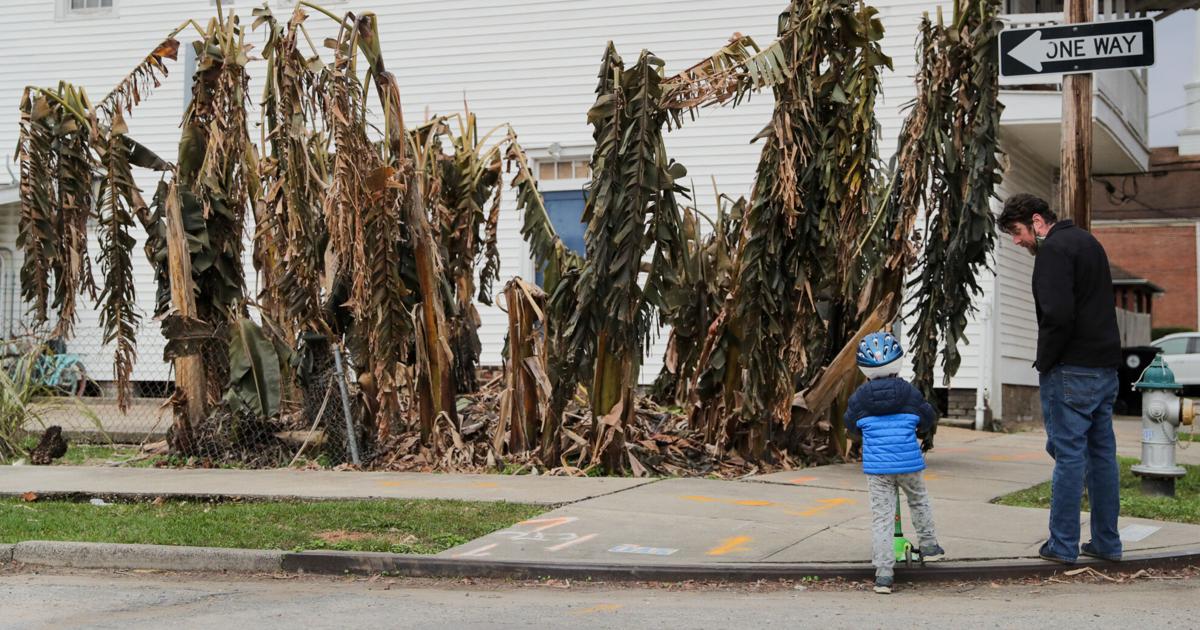
You may remove the damaged foliage from banana trees but do not cut back the trunks unless they have been killed (this usually takes temperatures in the teens). A dead trunk will look brown, feel mushy, feel loose in the soil and will bleed a lot if punctured.
Generally, it’s a good idea to delay hard pruning of woody tropical plants, such as hibiscus, tibouchina, angel trumpet, croton, ixora, ti plant, schefflera, copper plant and rubber tree, until new growth begins in the spring and you can more accurately determine which parts are alive and what is dead. Dead leaves on woody tropical plants can be picked off to make things look neater.
If you can clearly determine what parts are dead on a woody plant, you can prune them back. Scratch the bark with your thumbnail. If the tissue underneath is green, it’s still alive. If the tissue is tan or brown, that part of the plant is dead. Start at the top and work your way down to see how far back the plant was killed. There will likely be additional damage this winter.
Don’t get discouraged at this point. Although you may see a fair amount of damage to landscape tropicals, particularly where it got into the mid- to upper-20s, most of the tropicals are still alive and will appreciate continuing protection as needed through the rest of the winter.
Comments are closed.