
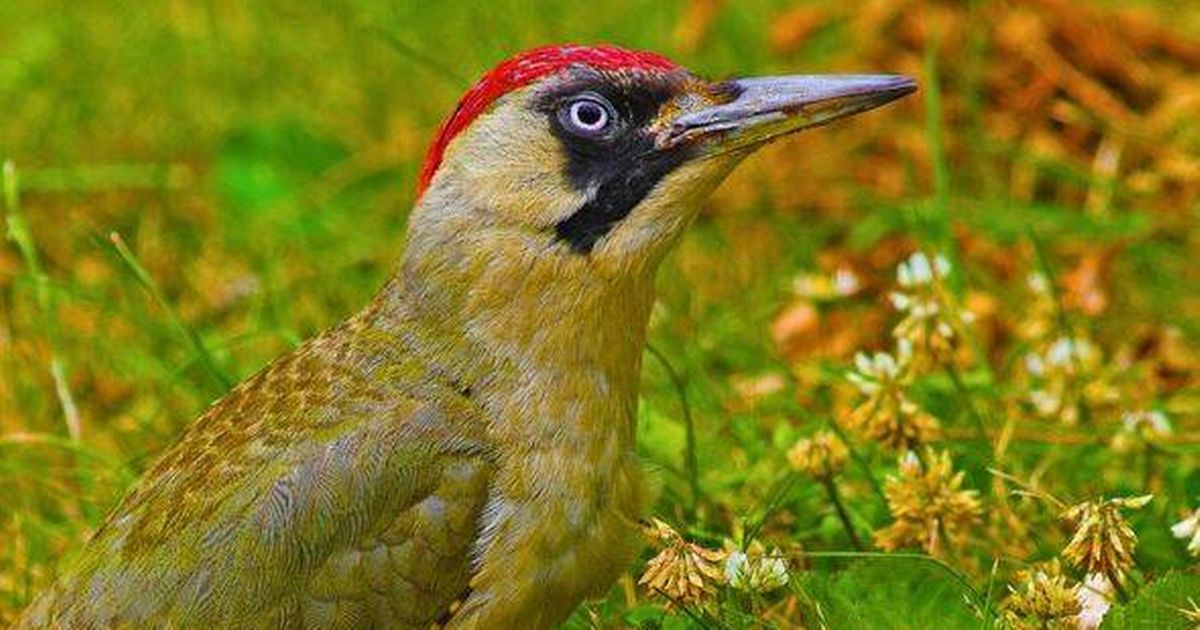
Woodpeckers are fascinating birds that not only are great to watch, but they can also be very helpful for gardeners as they eat a variety of insects that tend to harm plants Woodpeckers are natural way to get rid of pests in your garden(Image: Getty)
Woodpeckers are an eccentric bird species recognised for their distinctive call that resembles human laughter, yet numerous gardeners remain unaware of just how beneficial they can be for outdoor spaces. These feathered friends serve as natural pest eliminators, renowned for consuming various insects that typically damage trees, grass areas and flower displays.
Encouraging woodpeckers to visit your garden offers a straightforward method to maintain plant health without resorting to chemicals or purchasing costly treatments. Nevertheless, many homeowners hesitate to provide food during winter months due to concerns about attracting rodents like mice and rats.
The specialists at Kennedy Wild Bird Food have revealed that drawing woodpeckers to your garden is surprisingly straightforward – simply distribute organic nesting materials across the ground, reports the Express.
They explained: “Enhance your garden’s appeal to woodpeckers by offering nesting materials such as wood chips, dried grass, and feathers in designated areas.”
The experts continued: “Woodpeckers utilise these materials to line their nesting cavities, creating cosy and secure spaces for their eggs. Especially the breeding pairs would be attracted to these essential nesting components.”
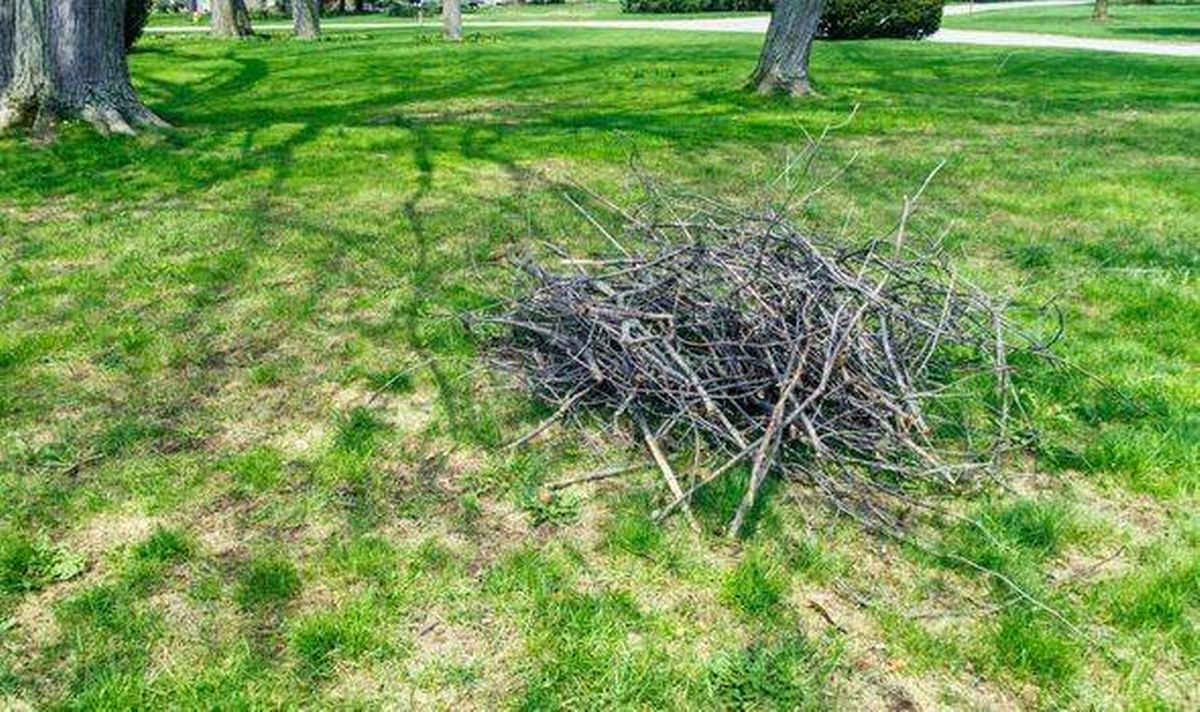 A simple way to attract woodpeckers is to leave out natural material like bark or dead wood(Image: Getty)
Countless people underestimate the significance of providing materials that help birds stay warm throughout the harshest months of the year.
Wood chips prove perfect for woodpeckers, though they’ll also greatly value any aged timber you might have available, since insects often shelter beneath rotting bark.
Hollow timber is recognised for drawing woodpeckers as it mimics the sound they produce whilst hunting for food, leading the birds to believe your garden offers a secure environment to settle.
Woodpeckers penetrating decaying timber helps release additional nutrients back into the earth, providing another organic method to enhance your garden’s wellbeing.
The specialist explained: “Mimicking the resonant sound of drumming that woodpeckers create naturally, these structures attract curious woodpeckers searching for suitable nesting or foraging spots.”
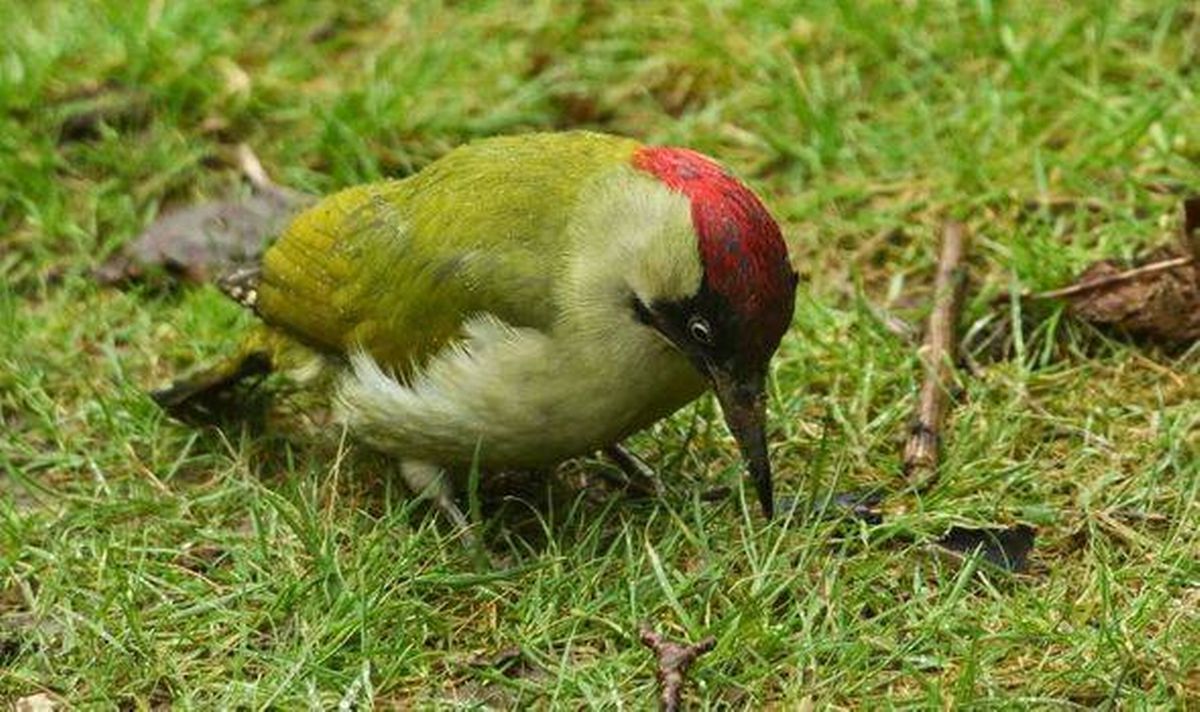 Woodpeckers love decaying wood as it attracts insects for them to feed on(Image: Getty)
Installing a birdhouse on a protected tree within your garden can also prove beneficial, as this will entice woodpeckers to remain and rear their offspring in the vicinity.
After successfully attracting woodpeckers to your outdoor space, ensure you provide a birdbath somewhere accessible, as birds often struggle to find clean drinking water during this season.
Should you choose to feed woodpeckers, they particularly relish high-fat foods such as suet blocks or peanuts, though ensure the peanuts are specifically designed for birds to avoid excessive salt content.
Woodpeckers are stunning creatures that provide captivating viewing, whilst offering an organic approach to maintaining garden health so it can thrive once winter passes and temperatures begin to rise.
Comments are closed.