
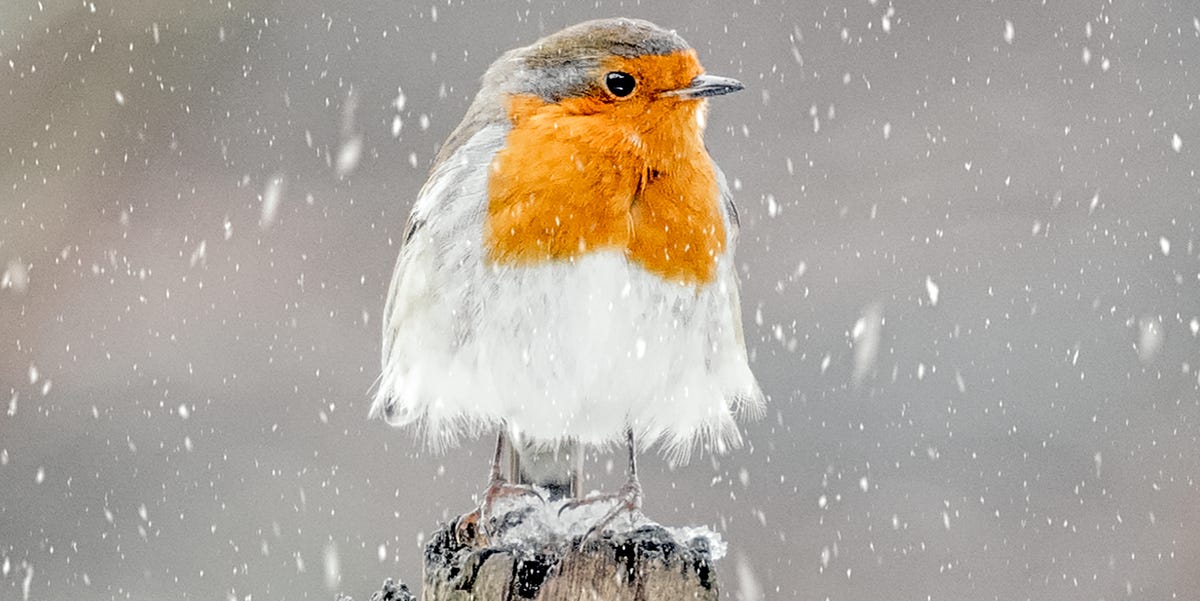
With their bright red breasts and inquisitive nature, robins are welcome garden visitors all year round. However, in winter – and in the lead-up to Christmas – there’s something particularly magical about spotting one hopping along a garden fence.
If you’re hoping to attract robins to your outdoor space, you’ll be delighted to know that a few simple tweaks can significantly improve your chances. During winter, robins, like all birds, are focused on two things: food and shelter. Provide both, and your garden will come alive with their cheerful song.
To help homeowners attract robins, we asked three bird experts to share their top tips on how to turn a garden into a wildlife-friendly winter sanctuary.
1. Offer food and water 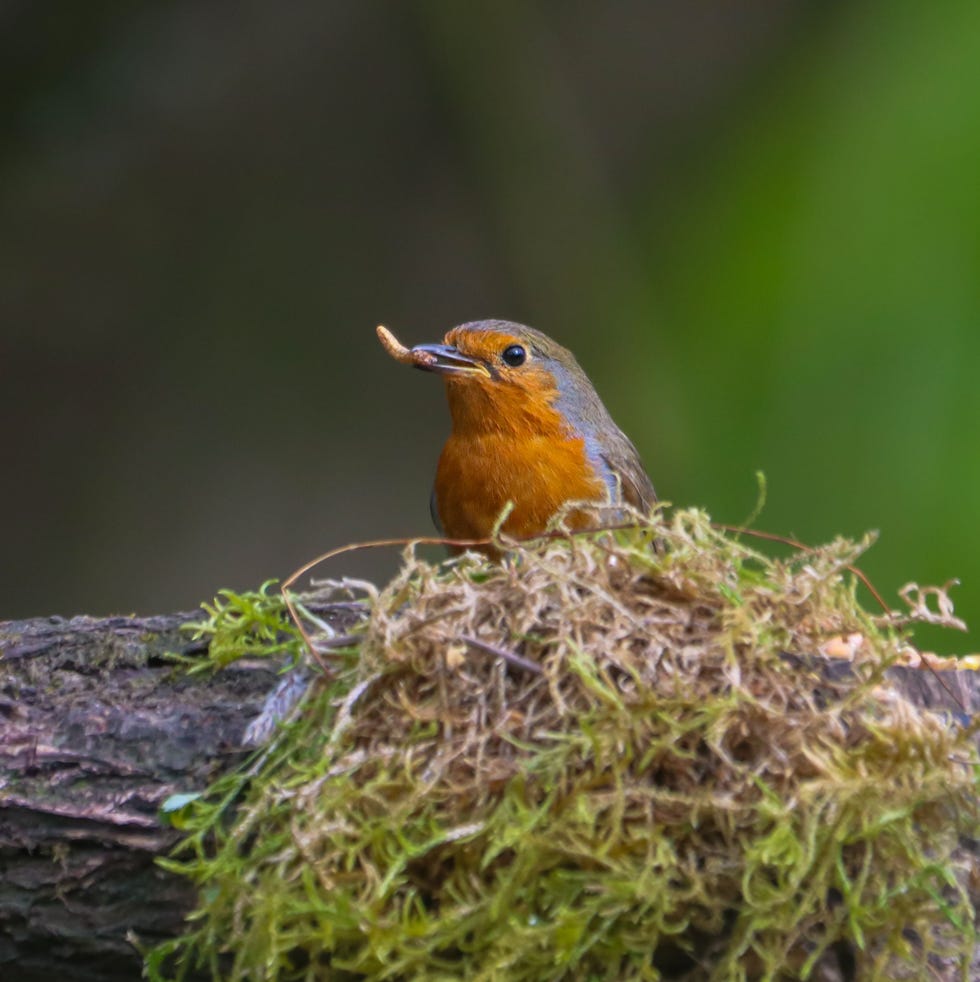

Wirestock//Getty Images
Offering food is one of the most effective ways to entice these red-breasted birds to visit. ‘Robins quickly learn where the good food is, so they’ll certainly become regular visitors when they know your garden provides a reliable meal,’ says Danny Yeoman, wild bird expert for Pets Corner and founder of Peter & Paul Bird Foods.
Catering to their preferences is key. ‘Robins adore raisins,’ the expert shares. ‘If you soak the raisins in warm water first, it makes them softer and easier for robins to digest, especially helpful during frosty mornings when insects and worms are tucked far below the frozen ground.’
Alongside raisins (which are toxic to dogs, so take care if you have pets), robins are also fond of mealworms, a vital source of protein and energy in winter, Danny adds. Jenny Shelton, a spokesperson for the Wildlife Trusts, recommends crumbs of cheese and cake, dried fruit, seeds and suet.
‘Robins also need fresh water for drinking and bathing, even in winter,’ Jenny adds. ‘Check for ice and remove it, and if you have a pond, consider floating a plastic ball on the surface to stop it freezing over completely.’
2. Choose the right feeding spot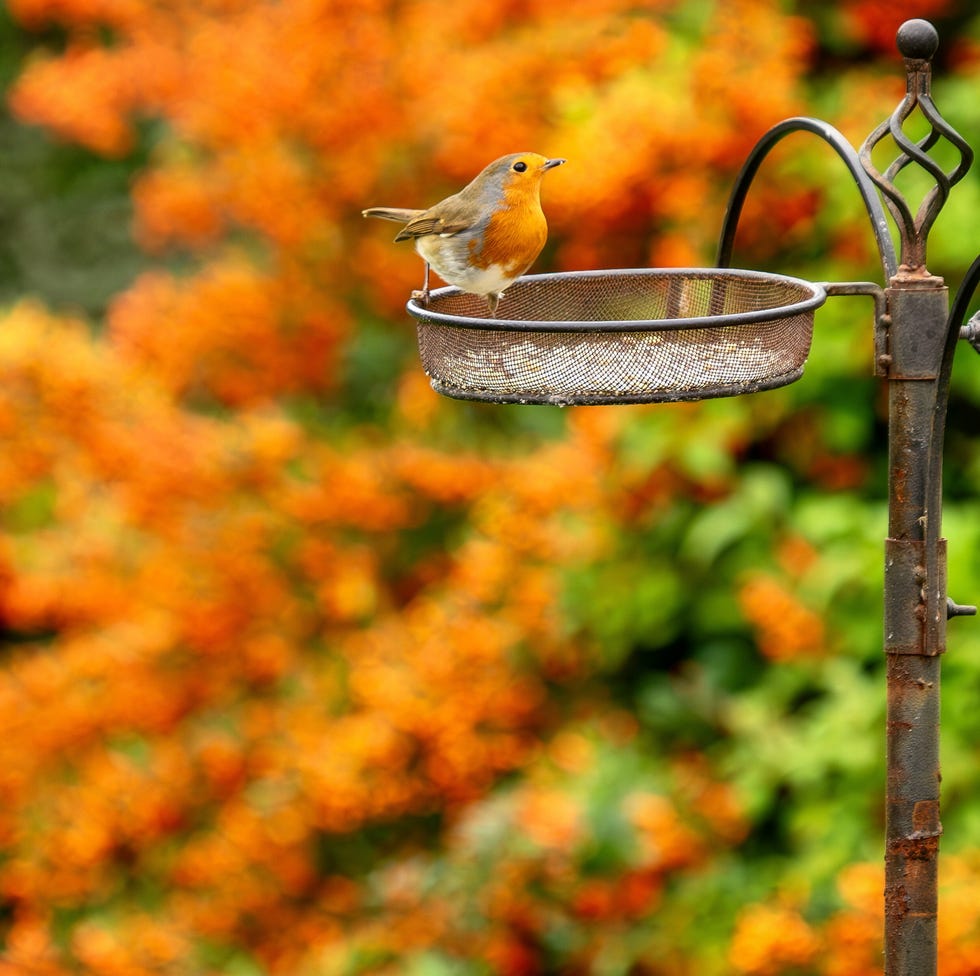
Victorburnside//Getty Images
Next to the food itself, presentation also matters. European robins, those native to the UK, are ground feeders, so scattering food on a flat surface – like a table or directly on the ground – is usually more appealing than using hanging feeders, for example.
That said, consider other wildlife in your garden. ‘If you’ve got hedgehogs or pet dogs, a ground feeder isn’t the best choice, as they can get sick from some of the bird food offerings,’ says Maria Kincaid, Ornithology Research Specialist for FeatherSnap.
‘Luckily, while they tend to prefer to feed on the ground, robins will use hanging or raised feeders if there’s little else available.’
3. Harness the power of plants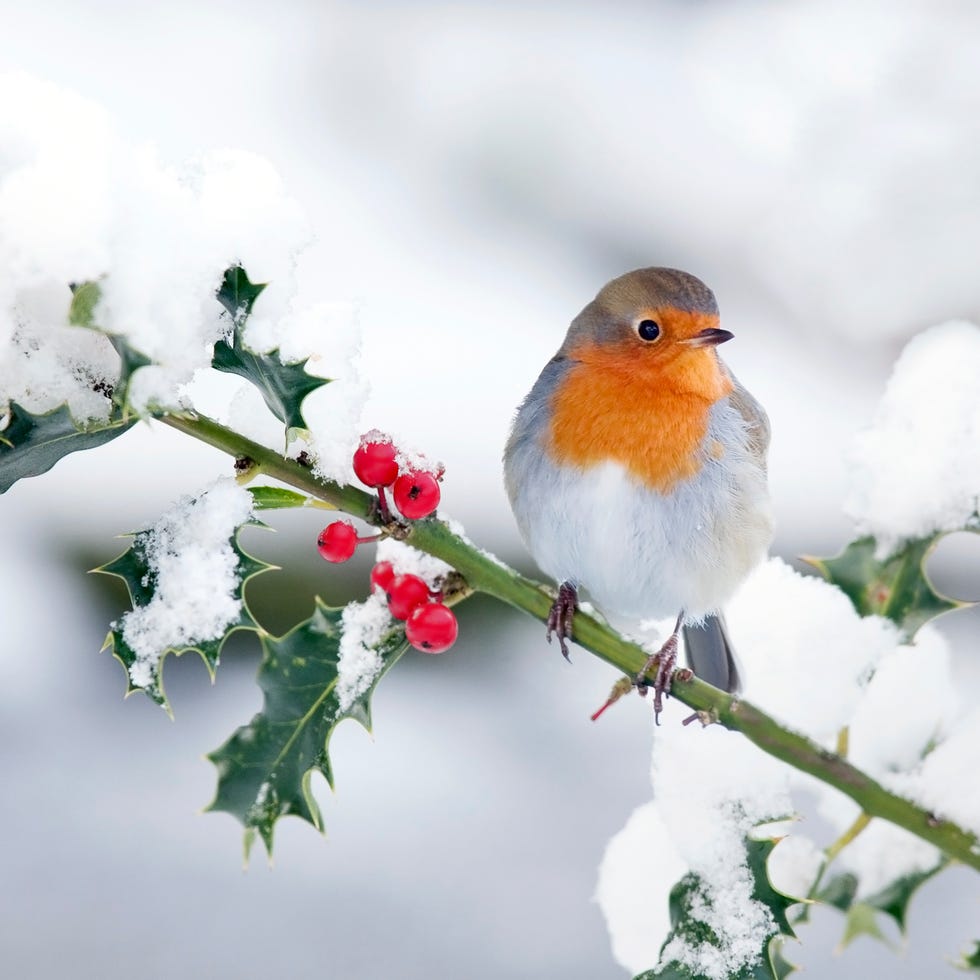
Andrew_Howe//Getty Images
Well-stocked feeders aren’t the only draw. Planting species that provide natural food sources can make your garden even more attractive to robins in winter.
‘Since they switch to eating more fruits during the winter, adding fruit-bearing plants, like Holly or Hawthorn, to your landscaping is another great choice to attract them,’ Maria says. ‘Leaving those flowers you grew in the summer to go to seed also provides a valuable winter food source.’
Planting style matters, too. ‘Longer areas of lawn and a variety of bushes and greenery will attract the insects our robins love to feed on, as well as giving them places to hide and shelter,’ Jenny shares. ‘Robins will have a good rummage in leaf litter and log piles, so allow yourself a few deliberately messy corners.’
4. Get digging
‘Another way to help robins is to get digging!’ Jenny shares. Often called ‘a gardener’s friend’, robins will eagerly follow as you turn over soil in flowerbeds. ‘They won’t waste time in hopping down to an area of overturned earth to grab any worms that you uncover,’ she adds.
5. Shelter and nesting spots
Rike_//Getty Images
Safe places to rest are just as important as offering food, particularly in winter, when trees and shrubs leave birds more exposed to predators. Offer security, and the little birds may even choose to make your garden their home come spring.
‘Female robins will be on the lookout for nesting material as early as January or February if the weather is mild,’ Jenny shares. ‘They’ll use moss, grass and pet hair to line their cosy nest cups, which they’ll build in a dense bush or tree hollow near the ground, but will also nest in a snug shed or in man-made items like boots, flower pots and post boxes.’
You can also install a nestbox. Choose one that is open-fronted, positioning it well out of reach of predators and away from busy feeding areas, says Jenny.
A word of caution: ‘If you find a robin’s nest, don’t linger, and don’t keep coming back to check,’ the wildlife expert adds. Robins may abandon their nests if they think they’ve been discovered. A secret nest is a safe nest.’
6. Keep predators at bay (as best as you can)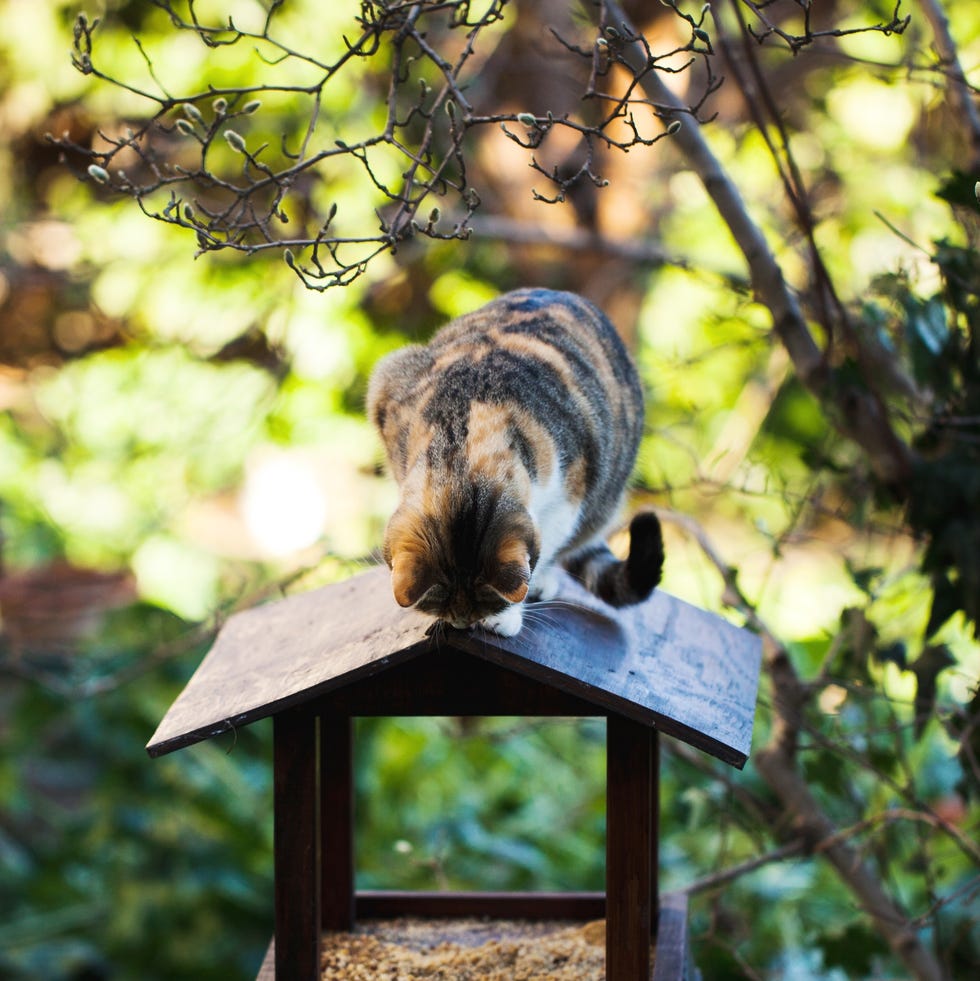
Laura Stolfi//Getty Images
Finally, it’s worth taking steps to minimise natural threats. ‘Cats are huge predators of birds, so keep outdoor or feral cats away from your garden as much as possible – I know that this is easier said than done,’ Maria says.
If you own a cat, fitting a bell to their collar can give birds an early warning. Cats also don’t like dislike certain scents, such as lavender or coffee grounds, which can be scattered around feeding spots to deter them.
Follow these steps and be patient, and you’ll be rewarded with a red-breasted visitor or two. ‘Robins bring a wonderful bit of life to the garden during the darker months,’ says Danny.
‘Their cheerful presence has earned them a special place in British hearts for generations, and giving them a helping hand in winter is a simple, heart-warming way to support one of our most beloved birds.’
Follow House Beautiful on TikTok, Instagram and Pinterest
Eco-friendly gardening practices: wildlife – bird feeder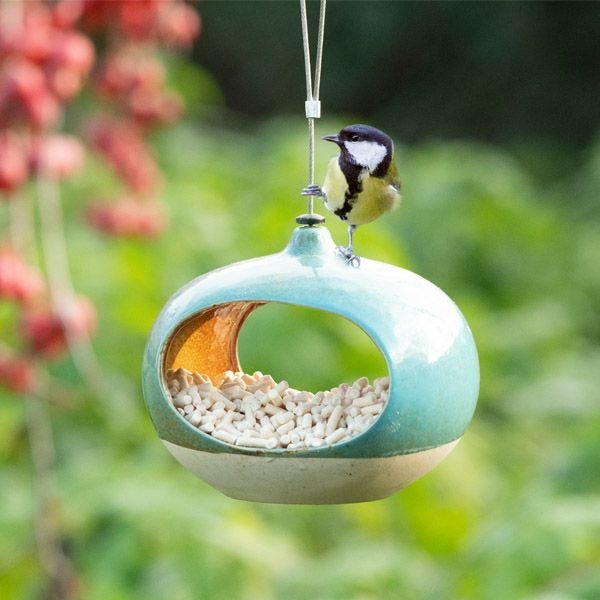 National Trust CJ Wildlife Vierno Diner Seed FeederCredit: National Trust
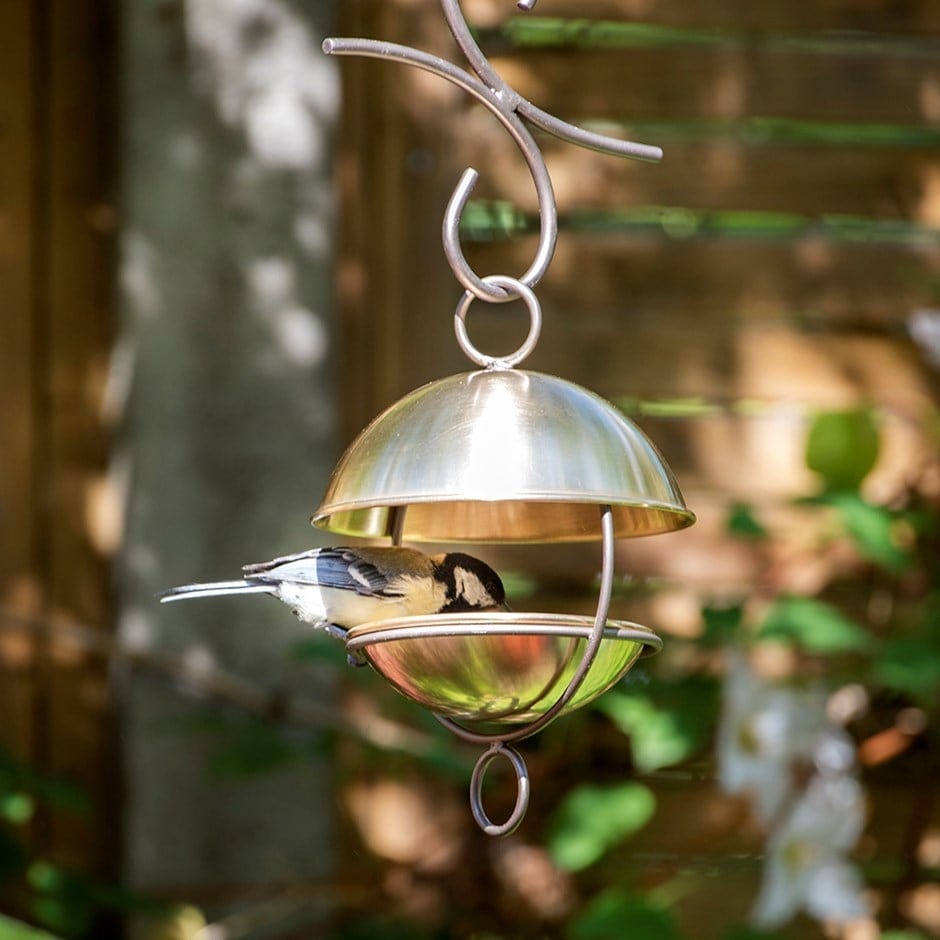 Brushed brass satellite bird seed feeder
Now 15% Off
Credit: Waitrose Garden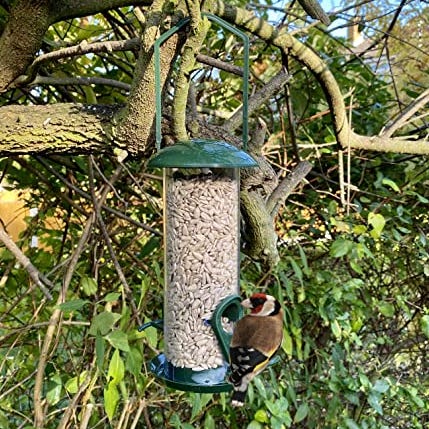 REPEAK Bird Feeder with Pre-Filled Sunflower SeedsCredit: Amazon
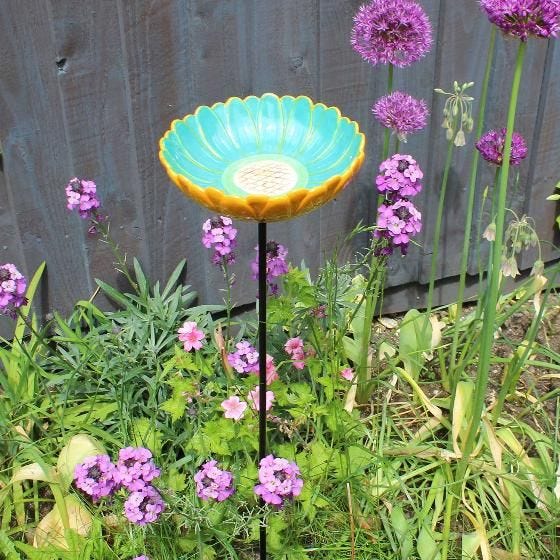 African Daisy Bird DrinkerCredit: RSPB

Wanda Sachs is the Daily Writer for House Beautiful and Country Living, exploring the latest in interior design, home trends, property news, wellbeing and sustainable living. With a keen eye for style and a passion for storytelling, she previously served as an Associate Editor at The Berliner in Berlin, where she launched and led the magazine’s monthly style vertical, covering emerging fashion trends. Wanda holds a combined BA in English and German from Goethe University Frankfurt.
Comments are closed.