
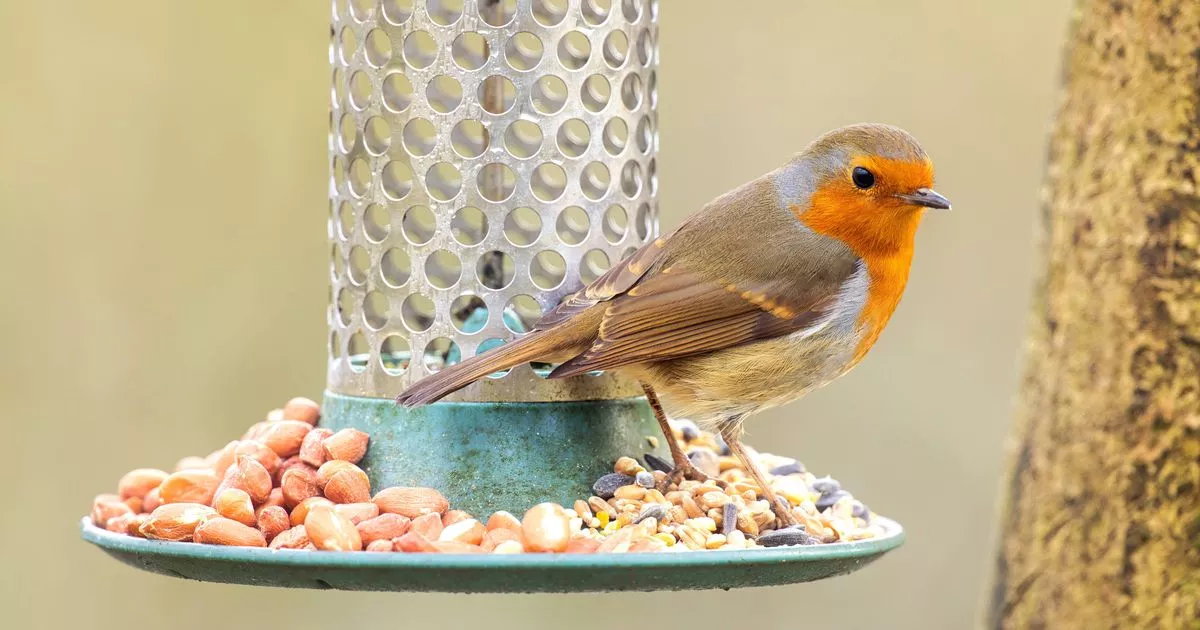
A wildlife expert claimed these common kitchen scraps could help birds survive winter
Andrew Nuttall U35 Lifestyle Writer
12:36, 16 Dec 2025Updated 12:37, 16 Dec 2025
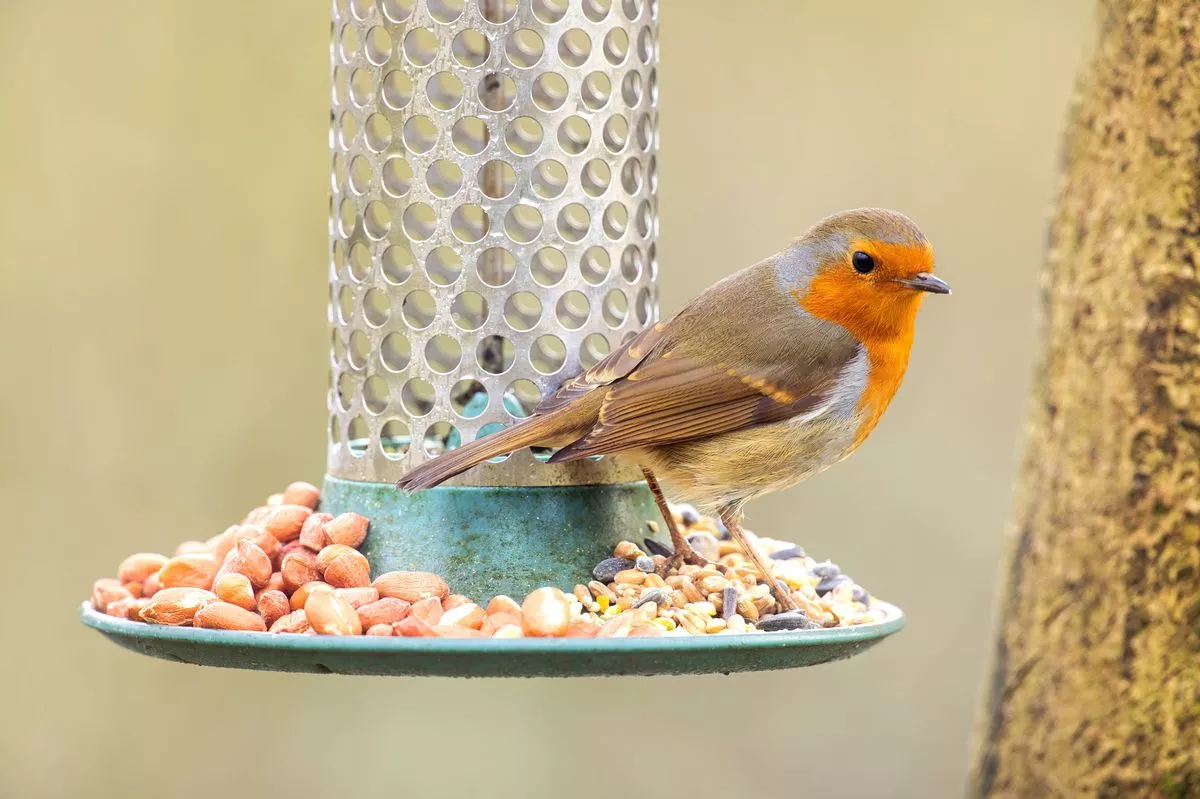 Pick the perfect food source and robins will notice your garden (Image: vandervelden via Getty Images)
This year, with a bit of effort now, people could transform their garden into a picturesque Christmas card scene come Christmas Day. A few simple steps can turn your average garden into a sanctuary for a classic Christmas creature that needs a little help to get through the winter.
Robins are found everywhere in the UK, from gardens and parks to woodlands and hedgerows. These little birds are known to be fiercely territorial, especially in winter, and defend their nests with loud songs and even physically attack reflections and other robins.
But, without human intervention, some red-breasted robins may not make it through the season. These birds, often weighing no more than 20g, work tirelessly in the harsh winter temperatures to stay warm and find what they need to get through each day.
In the UK, robins are typically more noticeable in winter due to the bareness of trees and shrubs. Male and female robins maintain and protect separate territories during winter, which means people might be able to offer their gardens as a home for these festive songbirds still in search of a place.
Sean McMenemy, founder of Ark Wildlife, suggested there are specific bird-related items people can purchase, as well as some kitchen scraps that could prove life-saving for a hungry robin. Food is a crucial element that these birds may lack, and could entice them to settle in the garden if homeowners are seen to provide a consistent food source, reports the Daily Mirror.
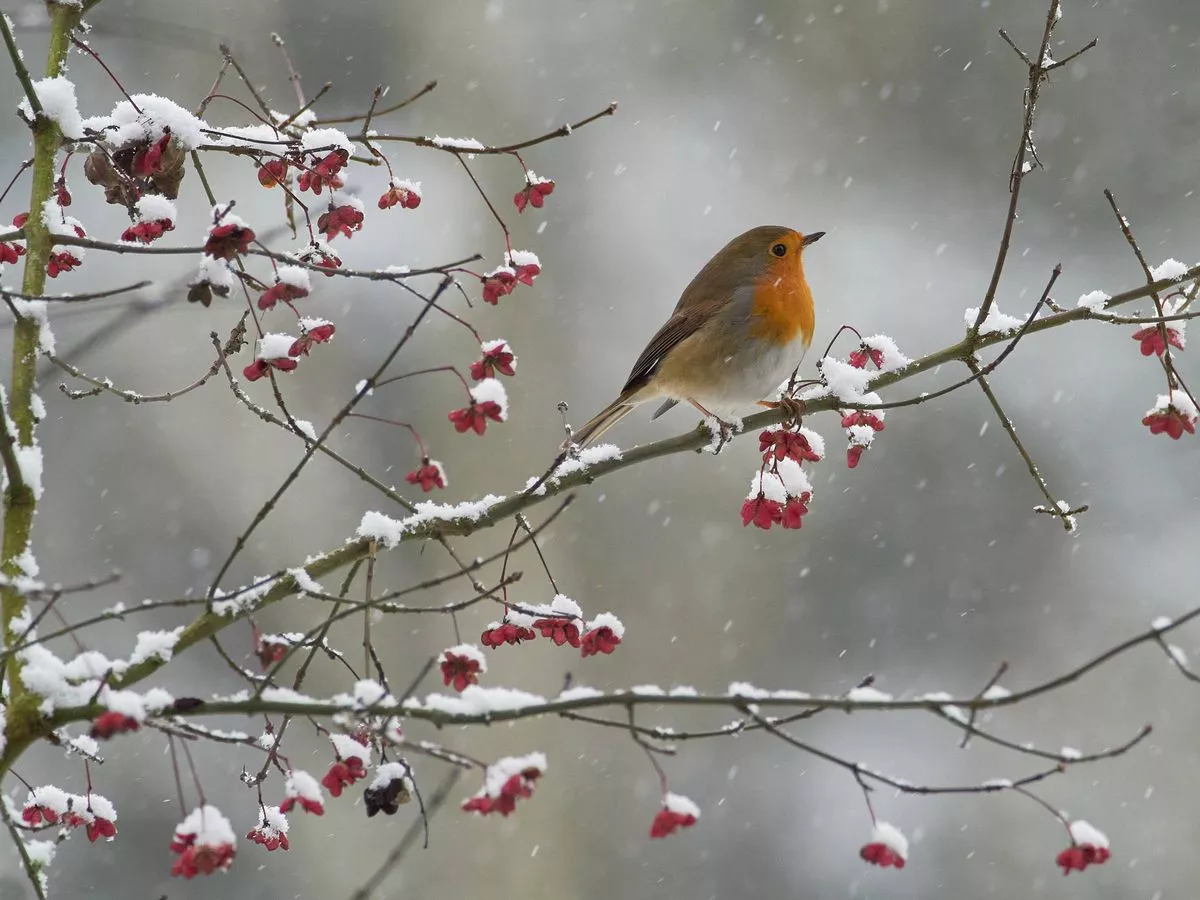 Robins need help to survive the bitter winter months(Image: Stefan Seidel via getty)
During these frosty months, birds rely on what they can scavenge in the absence of worms and insects, such as mealworms. Certain other items may prove irresistible to a famished robin, such as:
Special high-protein robin blendsMeaty kitchen scrapsMild cheeseCake and biscuit crumbsDried fruitPeanuts (shredded or crushed)
Sean said: “Avoid offering salty or sugary scraps, bread, chocolate, or processed foods, as these can disrupt their digestive systems and may be toxic. Similarly, citrus fruits or heavily spiced items should be reserved for human consumption only.
“By sticking to natural, bird-friendly foods and avoiding human treats, you can ensure your garden remains a safe and welcoming environment for robins throughout the holidays.” However, supplying food is just the first step in drawing robins to your garden space.
Providing refuge and sanctuary is just as crucial, with a thick, prickly hedge serving as a perfect choice. These adaptable birds are known to be resourceful and adapt to construct their homes in the most surprising spots, from old watering cans to cracked teapots.
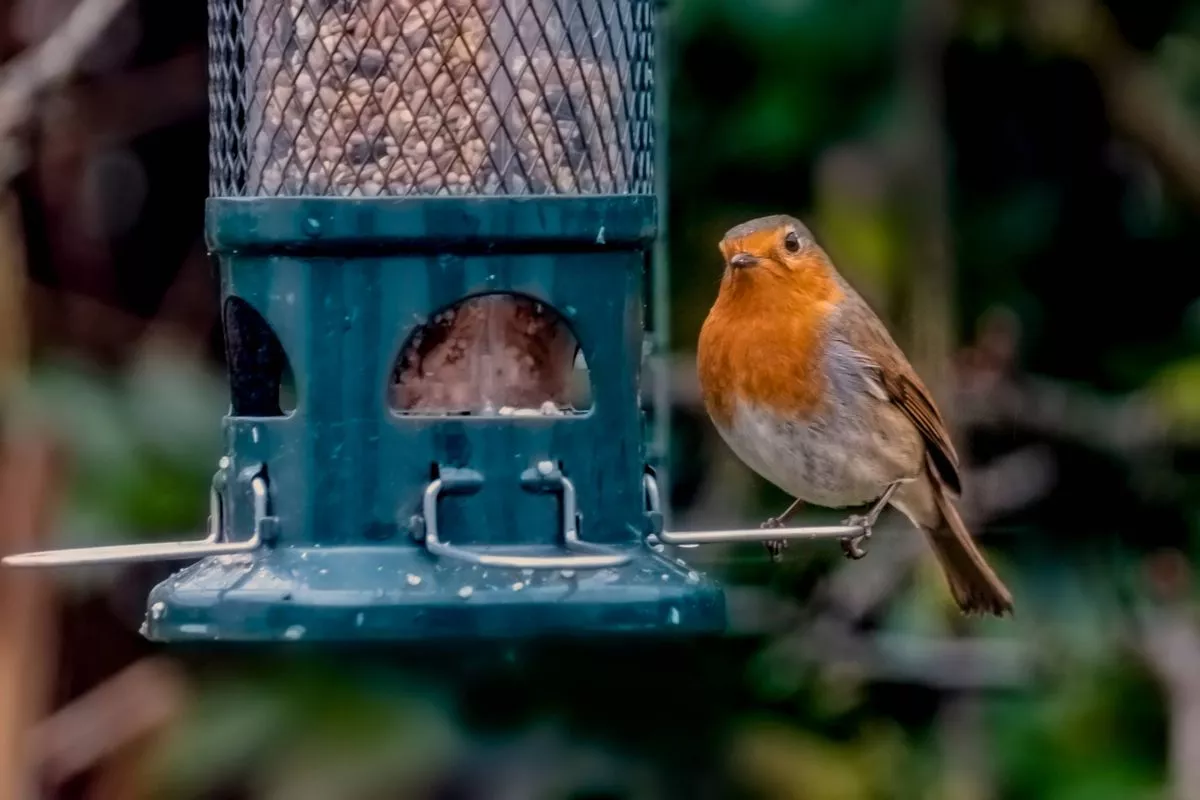 There’s a simple way to encourage birds to visit(Image: Pauline Lewis via Getty Images)
These feathered creatures work with remarkable speed when building their homes, typically setting up a home within two to six days using natural materials such as grass, foliage, and moss. Therefore, gardeners who begin preparing their outdoor spaces for robins today (December 16) might find themselves hosting a nesting robin come Christmas morning.
Gardeners can make life easier for robins by providing some nest-building materials in the garden and not discarding these items. Garden centres stock specially designed open-fronted nest boxes that particularly appeal to these beloved birds who cannot fit through classic round-hole versions.
Those purchasing ready-made dwellings should position them strategically to maximise their appeal. These birds prefer to settle in places that are around six feet off the ground and away from predators. The small birds also favour concealed positions within protective cover, such as beneath roof overhangs, dense bushes, ivy, or climbing vegetation, for natural camouflage.
Comments are closed.