
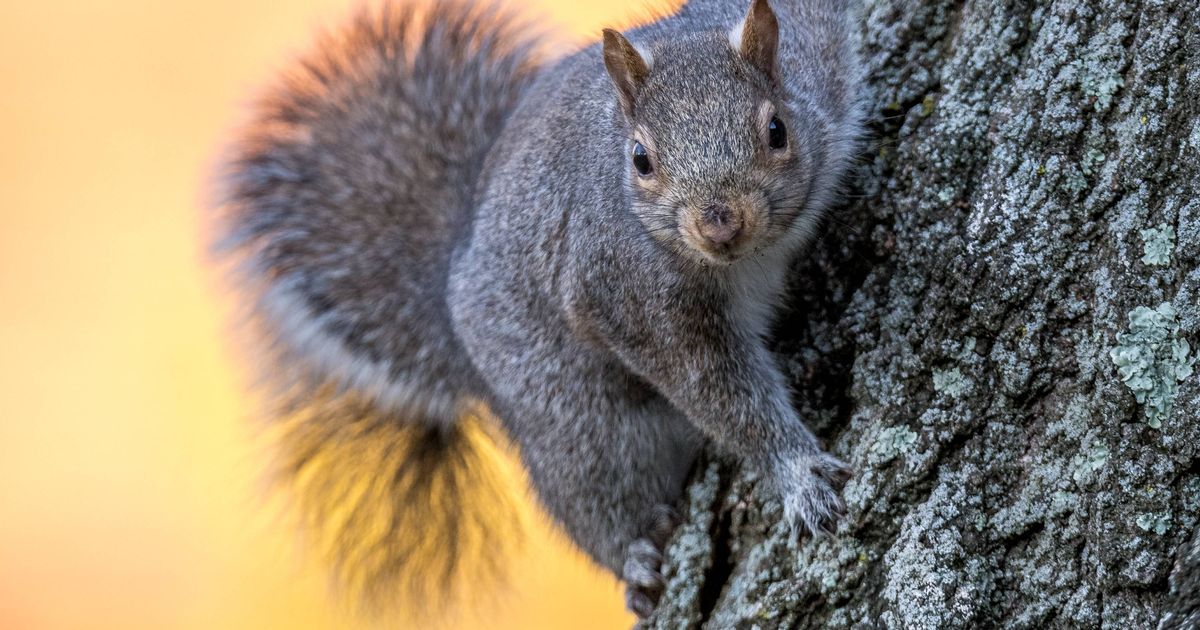
Grey squirrels can create big problems all year round including in the depths of winter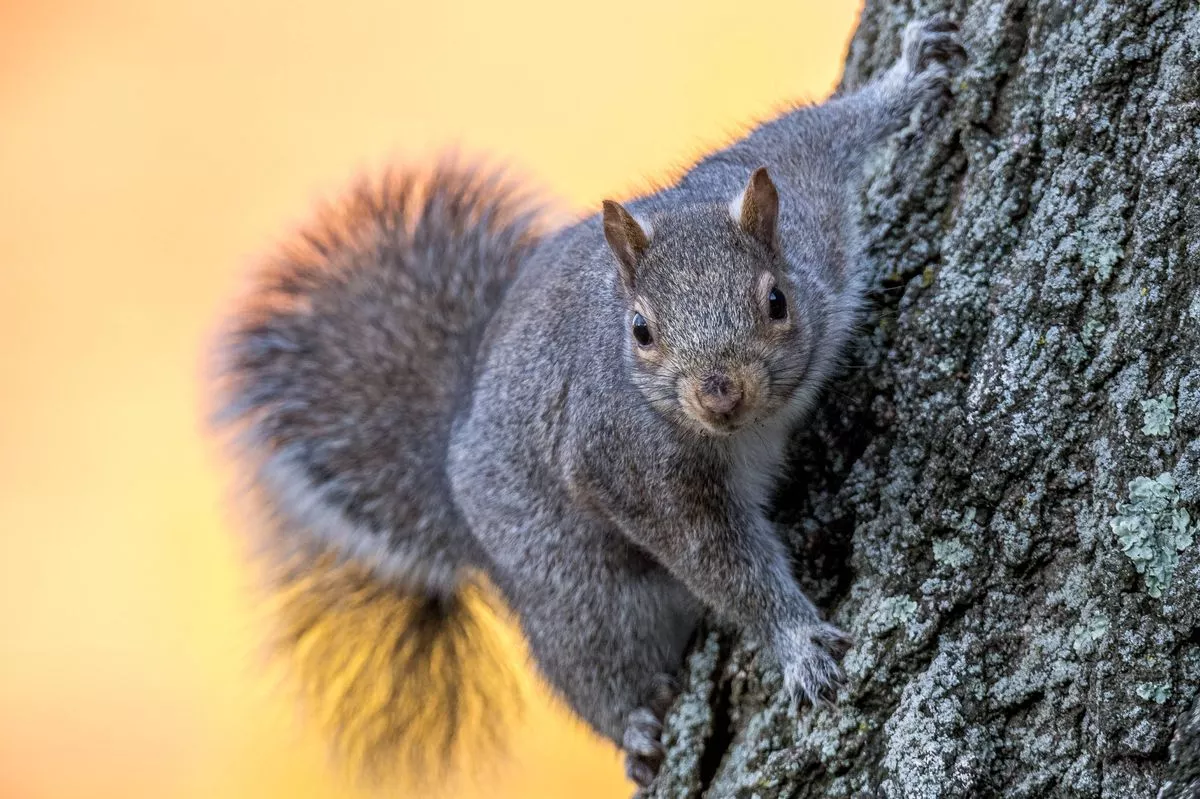 Grey squirrels can create big problems all year round including in the depths of winter(Image: Imran Ahmad / 500px via Getty Images)
They’re an adorable and familiar sight in British gardens, delighting many as they dart about—yet few realise that grey squirrels are actually an introduced species that has pushed out our native red squirrels, whilst causing havoc in gardens, threatening bird populations and even compromising homes.
Grey squirrels can infiltrate loft spaces, causing significant damage to timber structures and wreaking havoc on plumbing systems and electrical cables when left uncontrolled. Furthermore, these creatures pose a serious threat to garden birds.
Data from British Red Squirrel.org reveals a Forestry Commission assessment of at-risk woodlands across Great Britain found that grey squirrels had damaged 100% of sycamore specimens, 66% of beech trees, and 30% of both oak and sweet chestnut varieties. The invasive species also prey on wild bird eggs and nestlings in residential gardens, whilst raiding feeders intended for our feathered friends.
During the colder months, birds require considerable assistance to endure as food becomes increasingly difficult to find, with overwintering species such as robins struggling to locate berries or insects for sustenance. Grey squirrels, however, show no regard for this, pilfering food from feeders and bird tables. Additionally, they consume eggs as springtime approaches, reports The Express.
British Red Squirrel notes: “Grey squirrels eat song-bird chicks and eggs. Research carried out by the Game Conservancy and Wildlife Trust demonstrates that grey squirrels have an adverse impact on many native woodland birds, reducing fledging rates by an average of 15%.
“Grey squirrels can damage maize and fruit crops. They are a threat to orchards and market gardens. They destroy bulbs and corms, eat tree nuts, recently sown seeds and enter into roof voids, damaging thatched and shingled roofs, telephone wires and electricity cables.
“Grey squirrels have driven the native red squirrel to localized extinctions by out-competing the red squirrel for food and habitat and by carrying a lethal squirrel pox virus to which it is immune but which is deadly to the native red squirrel.”
To deter squirrels, you can scatter chilli powder in your garden, which squirrels detest, though this method doesn’t distinguish between the British red and invasive grey varieties.
BritishRedSquirrel.org is encouraging people to check whether they live in an area with red squirrels or an active reintroduction programme. It stated: “Please contact the conservation group in your area. If you live in an area with only grey squirrels, look on the map to see if there is a grey control project nearby.
“Please consider setting up a community grey control group.” Grey squirrels pose problems not only for gardens and wildlife, but can also cause damage to properties.
Homeowners with grey squirrels on their premises are being advised to contact Environmental Health, according to professional house buyers Gaffsy. They stated: “Grey squirrels often produce a litter in February, which means they can become a particular nuisance at this time of year. If they manage to invade your roof space, they can damage your roof timbers, plumbing and electrical wiring with their biting.
“If you currently have grey squirrels nesting in your roof, we would recommend contacting Environmental Health who will be able to address the issue. To prevent any further grey squirrels from nesting on your roof, it’s important to fix any damage to your roof, such as the eaves and soffits, to prevent them from gaining access. Similarly, use a durable wire mesh and cut back any tree branches to block access.”
Get all the latest and breaking news in Yorkshire by signing up to our newsletter here.
Comments are closed.