
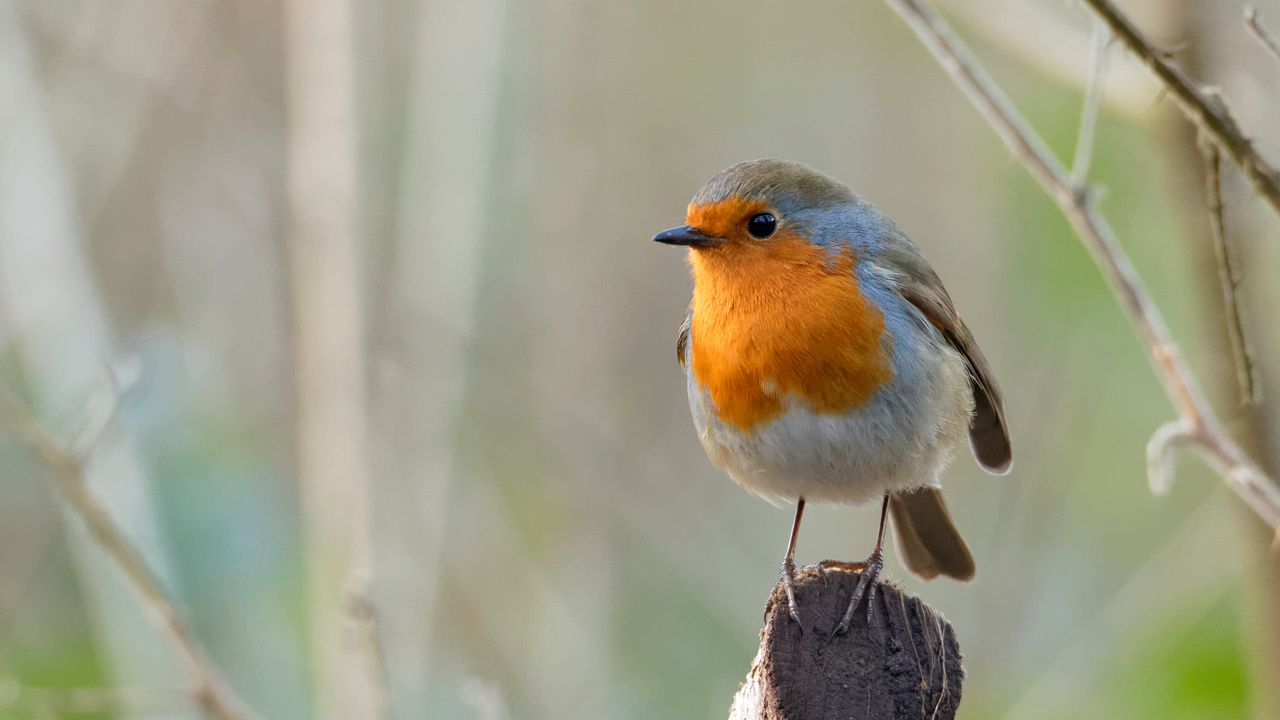
Where there aren’t any boxes or old kettles available, robins will build their own nests, and you can help them by leaving their preferred building materials lying around in winter and early spring: don’t collect leaves in borders, let a little moss develop in the lawn, and, if you spot some sheep’s wool on a walk, scoop it up and deposit it in the garden.
What are the best plants for robins?
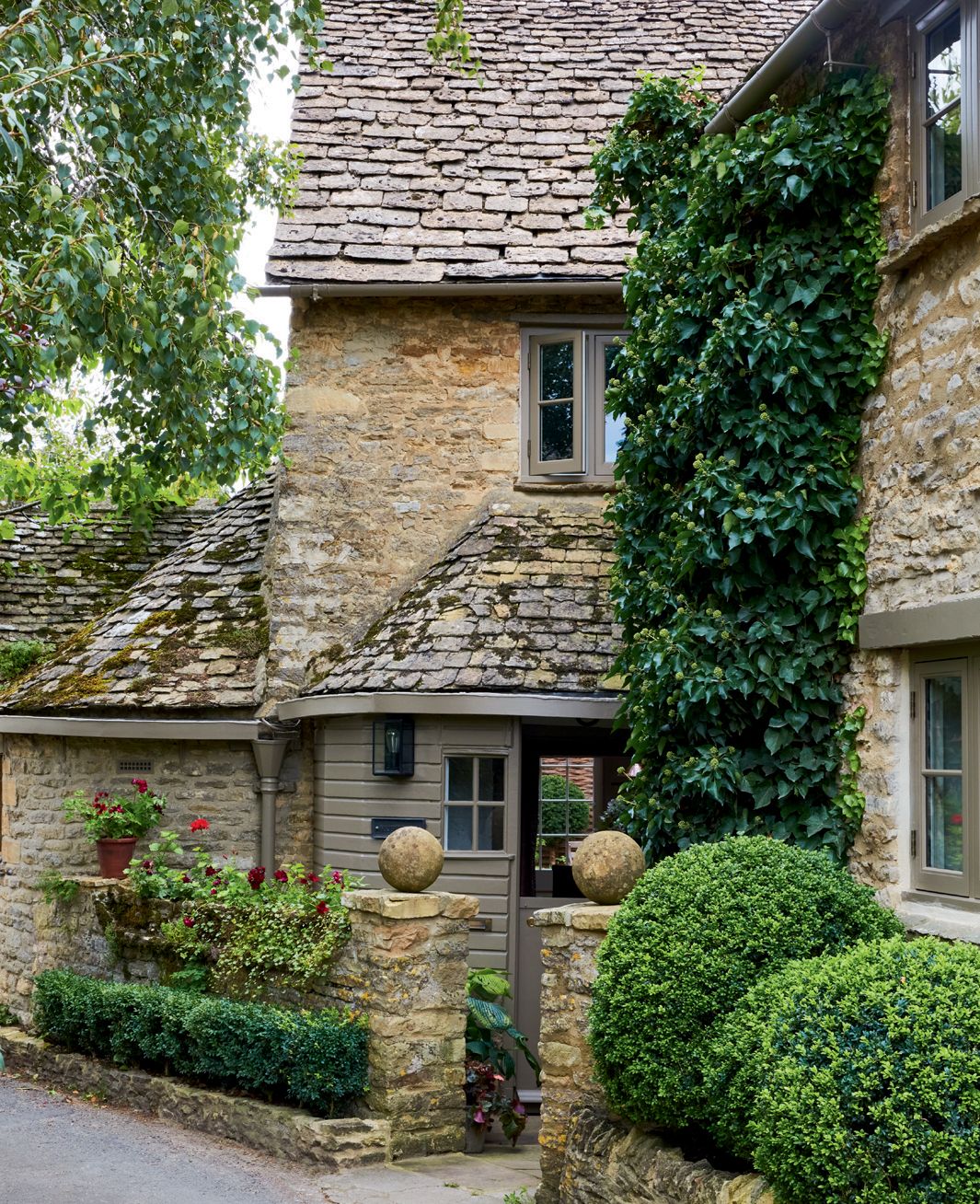
Evergreens offers year-round shelter and nesting sites. Spiky evergreens (such as holly) shield them from predators, while evergreen climbers with dense layers of leaves (such as ivy) offer safety by hiding them. The two festive evergreens, holly and ivy, also provide robins and other birds with a wealth of berries in winter.
Which berries do robins eat?
Robins aren’t fruit fanatics in the way that blackbirds and song thrushes are. But in autumn and winter, when insects are scarce, they seek out the nutrient-rich berries of many plants, including elder, deciduous spindle (for instance, Euonymus alatus ‘Compactus’), guelder rose (such as Viburnum opulus ‘Compactum’), and crab apples (such as Malus x robusta ‘Red Sentinel’, which often carries its fruit well into winter).
What is the best way to attract robins?
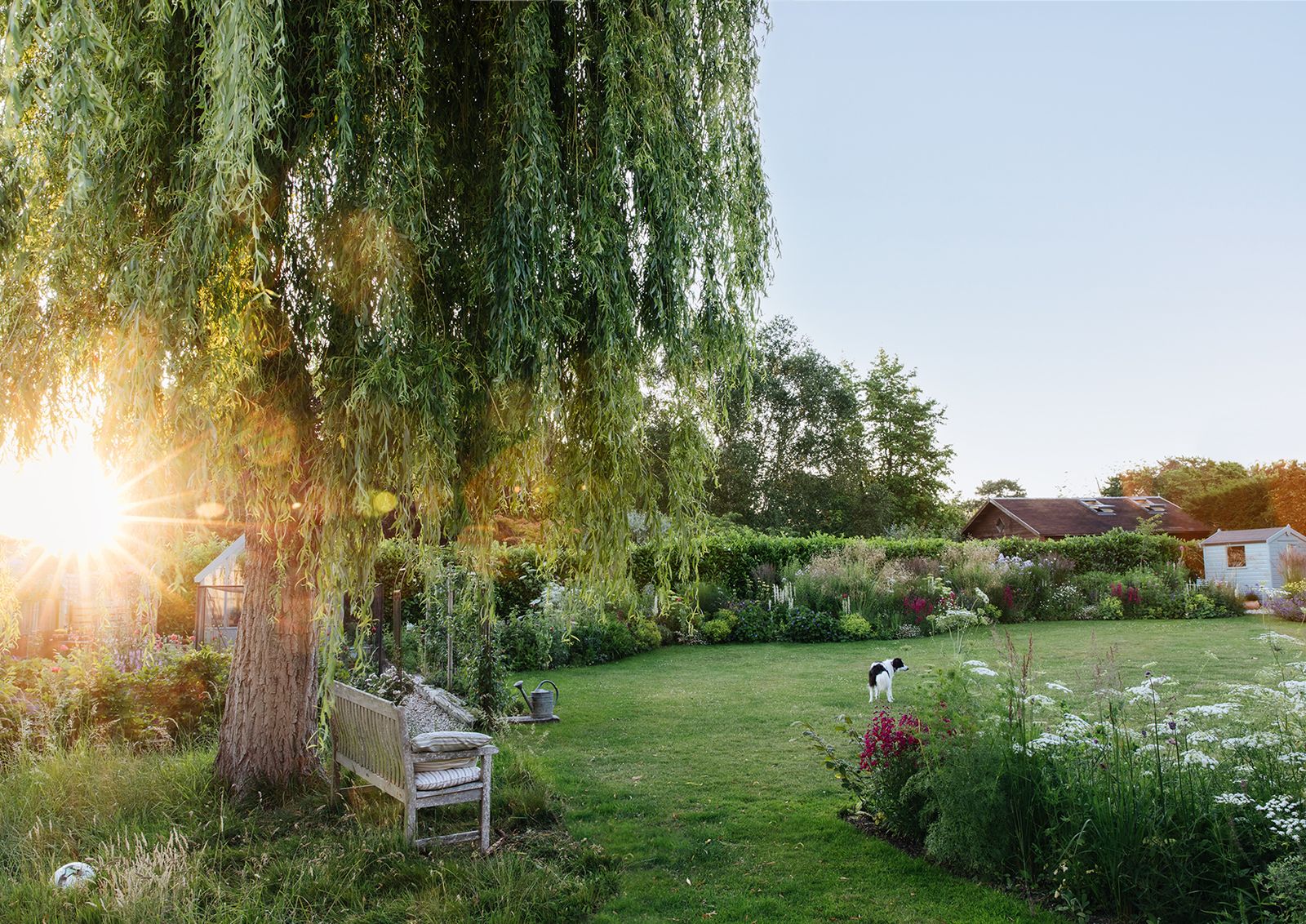
Robins’ favourite food is insects, so make some simple changes to increase the amount of them in your garden. Firstly, stop using pesticides and don’t be too neat: let the grass grow long in places, don’t cut everything back hard, and leave seedheads (which provide habitat for insects) over winter. Robins love beetles, so create habitat for them by stacking piles of logs around the garden and, when choosing a garden boundary, consider a dry-stone wall. A mixed hedge is another great boundary for robins, especially if it has hawthorn in it, which offers protective thorns, nutritious berries, and has a high insect count. If you have room for a tree, a willow is capable of supporting 266 insects and a silver birch can have an insect count of 229 species. Robins produce 1 to 3 broods a year and feed chicks 1,000 bits of food each day, including worms, spiders, and caterpillars. Research shows that using organic compost and disturbing soil less (try the no-dig method) increases worm numbers, spiders love log piles, and we can encourage caterpillars via naturalistic gardening.
What are the best feeders for robins?
Unlike the gymnastic blue tits, robins prefer to stand up when feeding. Therefore, they’re happiest taking food from hanging flat feeders and bird tables (covered tables are best to give some defence against sparrowhawks). They also feed on the ground, and flinging a handful of food onto the lawn in a different place each day is preferable to having a low ground-feeding table in one place because it will attract predators. In the same vein, robins feel safer going to suspended water stations to avoid cats, and providing fresh water daily helps them in icy weather.
Comments are closed.