
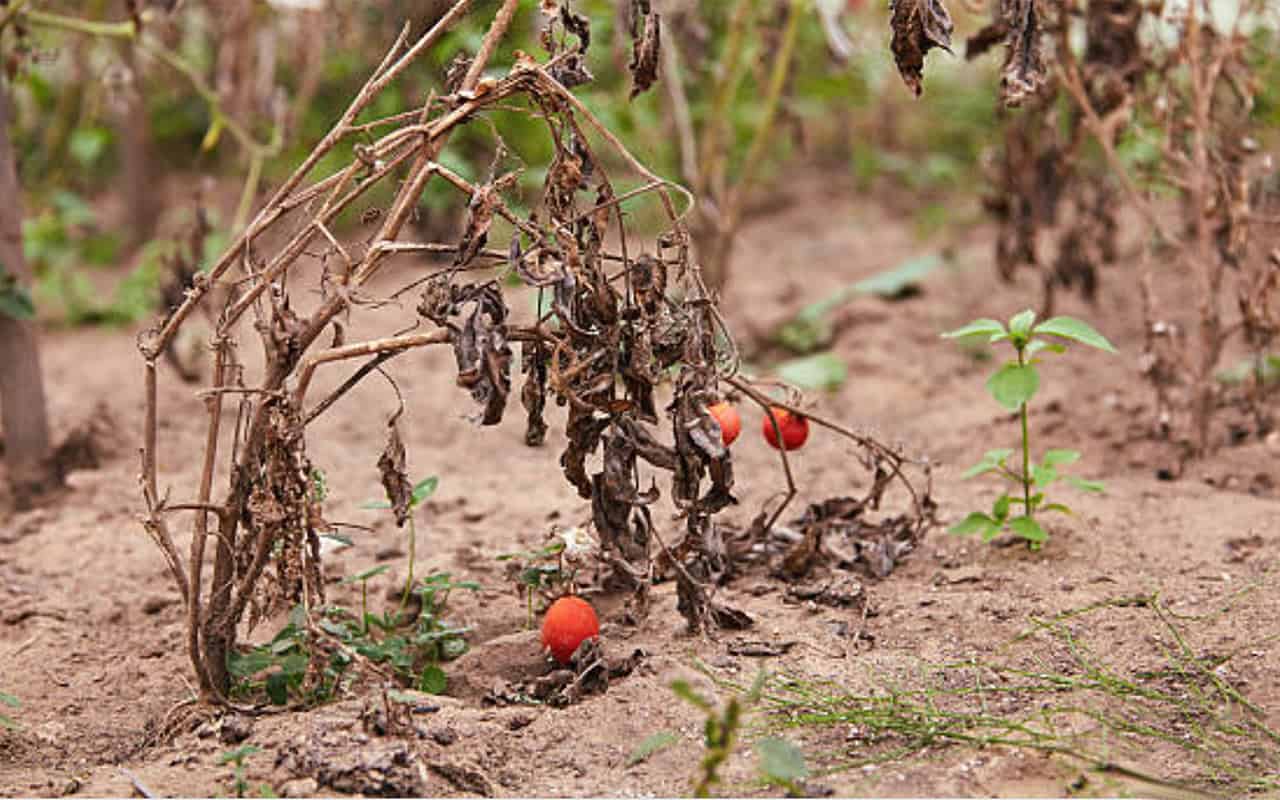
Growing great vegetables in scorching weather is challenging, but it can be made easier with planning. Hopefully my preparation will pay off with plenty of produce from my summer garden.
I began drought-proofing my soil by adding bulk quantities of compost and bagged horse poo, well dug in, and covered with about 10 cm of mulch, which will help to minimise water loss and keep the soil cool. The planting area was left undisturbed while I raised seedlings.
The tomatoes, cucumbers, zucchini, sunflower and basil seedlings that I raised in October were planted in early November to take advantage of the warm weather and plentiful rain.
I have been stockpiling grass clippings as the preferred summer mulch material, which will help shade the soil from the sun, keeping it cooler and dramatically reducing evaporation
Climbing beans have been direct sown along the garden fence, and suspending bird netting over the fence provides just enough dappled afternoon shade to alleviate leaf scalding, caused by the intense UV rays. It will also deter any early hatching green shield beetles.
In hot dry conditions getting seeds to germinate is tricky. I have been experimenting with beetroot and carrot seeds, by wetting the seed drill before sowing to provide a cool moist environment. First, I water along marked out rows, allowing the water to drain away, and then fill and drain again before sowing the seeds. Shade cloth is suspended over the rows to provide just enough shade to allow germination and to keep plants cool in severe heat. In the hot summer conditions beetroot needs to be shaded until it is well established.
The quick growth and high moisture content of many edible summer crops mean that if you don’t water you won’t get a harvest. I use watering cans in the summer as I want to make sure that I am watering the roots thoroughly and soaking the soil under the mulch. I especially don’t want to be spraying water over the foliage of the zucchini or tomato plants which will encourage disease and fungal growth.
Water is critical for summer gardening and I have a number of water butts to gather water from outbuilding roofs that are close to the garden area. Using watering cans helps conserve the water. I also use self-watering containers for herbs and cool season crops like lettuce; they will water plants for up to two weeks.
Comments are closed.