
Your support helps us to tell the story
From reproductive rights to climate change to Big Tech, The Independent is on the ground when the story is developing. Whether it’s investigating the financials of Elon Musk’s pro-Trump PAC or producing our latest documentary, ‘The A Word’, which shines a light on the American women fighting for reproductive rights, we know how important it is to parse out the facts from the messaging.
At such a critical moment in US history, we need reporters on the ground. Your donation allows us to keep sending journalists to speak to both sides of the story.
The Independent is trusted by Americans across the entire political spectrum. And unlike many other quality news outlets, we choose not to lock Americans out of our reporting and analysis with paywalls. We believe quality journalism should be available to everyone, paid for by those who can afford it.
Your support makes all the difference.Read more
The Royal Horticultural Society (RHS) has forecast that plants adaptable to shifting weather patterns will dominate gardening trends in the coming year.
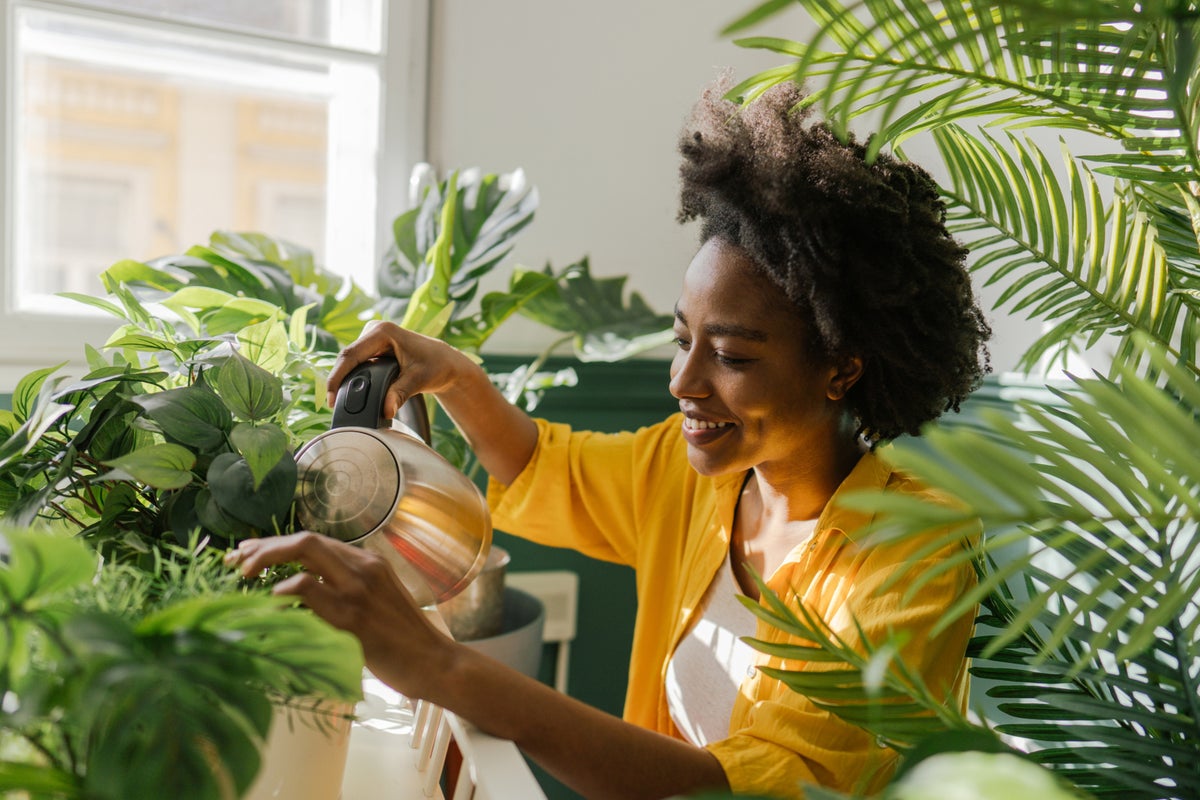
As England experiences increasingly frequent hot and dry summer conditions, traditional houseplants like spider plants and tradescantia are being moved into outdoor hanging baskets and pots for the warmer months, before being returned indoors for winter.
The UK’s largest gardening charity stated that climate change is the primary influence on garden activity for the next year, a conclusion drawn from public engagement at its gardens, shows, and advice service, alongside industry data and scientific studies.

open image in gallery
Houseplants are set to migrate outside as a result of hotter summers (Alamy/PA)
Lantana, historically grown indoors in Britain, is now a favourite indoor-outdoor plant grown as bedding in sunny borders or patio pots. Salvia hybrids, which have previously been covered or brought in for winter, are now surviving outdoors unprotected as we experience more mild winters, it said.
RHS chief horticulturist Guy Barter said: “Plant breeders are increasingly responding to changing weather patterns but also the expectations of gardeners, who want plants that serve multiple purposes and are robust enough to survive our weather extremes.”
“Passion flowers used to be cut back to ground level every winter. Now they retain their foliage right the way through into spring,” he said.
The continued rising cost of living will lead to more people supplementing weekly food shops by growing their own ‘tabletop veg’, aided by the huge number of dwarf varieties bred to fit in any gardening space, it predicted.

open image in gallery
Chilli plant in a pot (Alamy/PA)
New popular choices include table-top chillies, compact aubergines, hanging basket cucumbers and 50cm grapevines. Blackcurrants will see a resurgence, thanks to new varieties bred sweet enough to be eaten fresh, rivalling strawberries, raspberries and blackberries.
The bumper tomato harvests this year, thanks to the dry summer, could drive increased demand in 2026, it added.
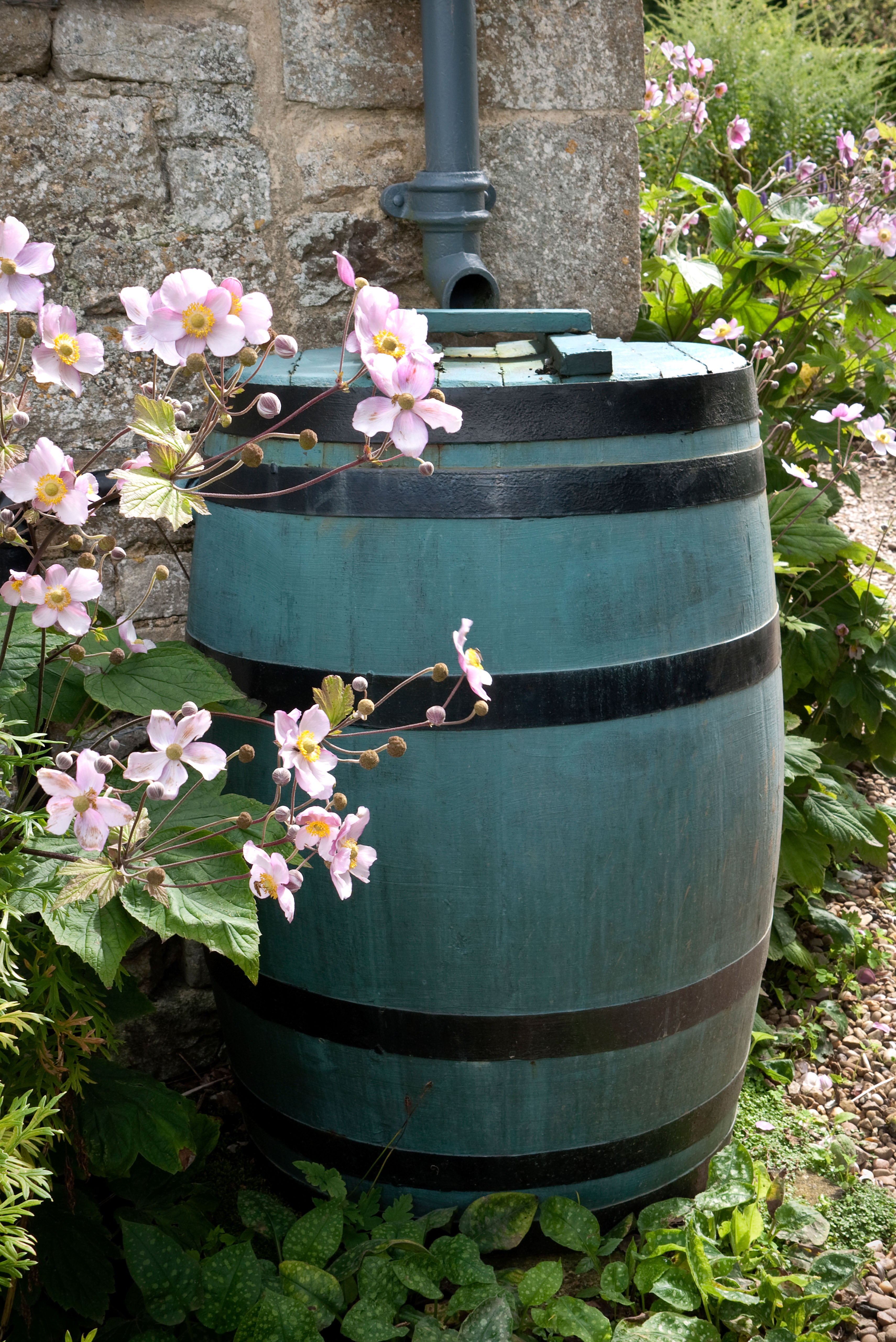
AI-enabled water butts which self-empty based on the weather forecast are still at concept stage, and traditional methods of saving and distributing water may prevail among community gardeners, “but in the fullness of time we expect AI-enabled water butts to automate the whole process,” said Barter.
open image in gallery
A traditional water butt. AI is likely to revolutionise the water butt in coming years (PA)
Plants for pollinators, including single-flowered dahlias and drought-tolerant Persica roses, proved popular this year and the trend is set to continue, while viola sales are up on previous years and primroses should draw attention in early spring next year, the RHS said.
“People are more and more interested in and appreciate what we call biodiversity, but everyone else calls wildlife and natural things, in their garden, and there seems to be no end to people‘s interest in this,” said Barter.
In 2026, the RHS will launch its year-long Bringing Nature Home campaign, which will champion plants’ benefits for wildlife, including pollinators.
Other trend predictions include:
Popular plants
Focus will be on plants which bloom for a long time, work well in a lot of different situations and are low-maintenance, predicts Julian Palphramand, head of plants at garden centre group British Garden Centres.
Erysimum, nemesia, lily-of-the-valley and gladioli will continue to remain popular, he predicts. Evergreen hebes will be another top choice, given its low maintenance, while Ilex crenata will be more popular for topiary and Hydrangea paniculata varieties are also growing in popularity.
“And with hotter summers coming, drought-tolerant plants like euphorbia will be a must,” he says.
Plants that look interesting or unusual are also becoming popular, he notes. Tree ferns like Dicksonia antarctica and D. squarrosa, along with cycads, ginkgo trees, and monkey puzzle trees, are becoming more popular. These plants have a sense of history or age, and they work well both indoors and outside.
Bold leaves
“Plants with bold leaves will stay popular. Bright reds, dark purples, and yellow shades are especially in style, seen in plants like Uncinia ‘Everflame’, ophiopogon, hakonechloa, and heuchera,” says Palphramand.
“These foliage plants are easy to look after, add colour and texture, and look great alongside flowering plants, creating more interest in the garden.”
Landscaping
Demand for decorative aggregates such as Cotswold stone chippings and blue slate will continue into 2026, says Danny Kirby, group landscape buyer for British Garden Centres.
“Low maintenance is definitely a huge part, and also it can give gardens a bit of colour all year round, when the plants may not.”
Furniture
Durability and colour will be key factors when selecting garden furniture. All-weather rattan (resin weave) remains the most popular material for a traditional look, says Darren Craven, group furniture buyer for British Garden Centres. Aluminium frames and all-weather rope contemporary designs are becoming more popular.
Beige, almond and sand shades with hints of terracotta, grey and charcoal remain strong, while soft green and sage on fabrics will be the colour to watch.
Saving water
Water conservation will become essential, predicts Dr Anton Rosenfeld, research manager at sustainable garden charity Garden Organic.
“We will see more people mulching crops and supplying water through drip irrigation so that every last drop of water reaches the roots,” he says.
“We may also see increased interest in perennial crops as alternatives such as ‘Taunton Deane’ or ‘Daubenton’ kale. These require less water due to their deep, well-established root systems.”
Gardeners may also be trying out more unusual vegetables such as amaranth, as dependable favourites such as runner beans are starting to fail, with the hot conditions preventing the flowers from setting pods, he observes.
Edimentals
“‘Edimentals’ – edible ornamentals – will have a real moment in 2026. Plants such as sea kale, samphire, artichokes and all the resilient herbs are beautiful, architectural and delicious,” says Harry Holding, multi-award-winning co-designer of the Eden Project Bring Me Sunshine Garden at next year’s RHS Chelsea Flower Show.
“We’re using a lot of them in the Eden Project Bring Me Sunshine Garden because they show how a garden can look good and also quietly feed you – even in the smallest spaces.”
Comments are closed.