
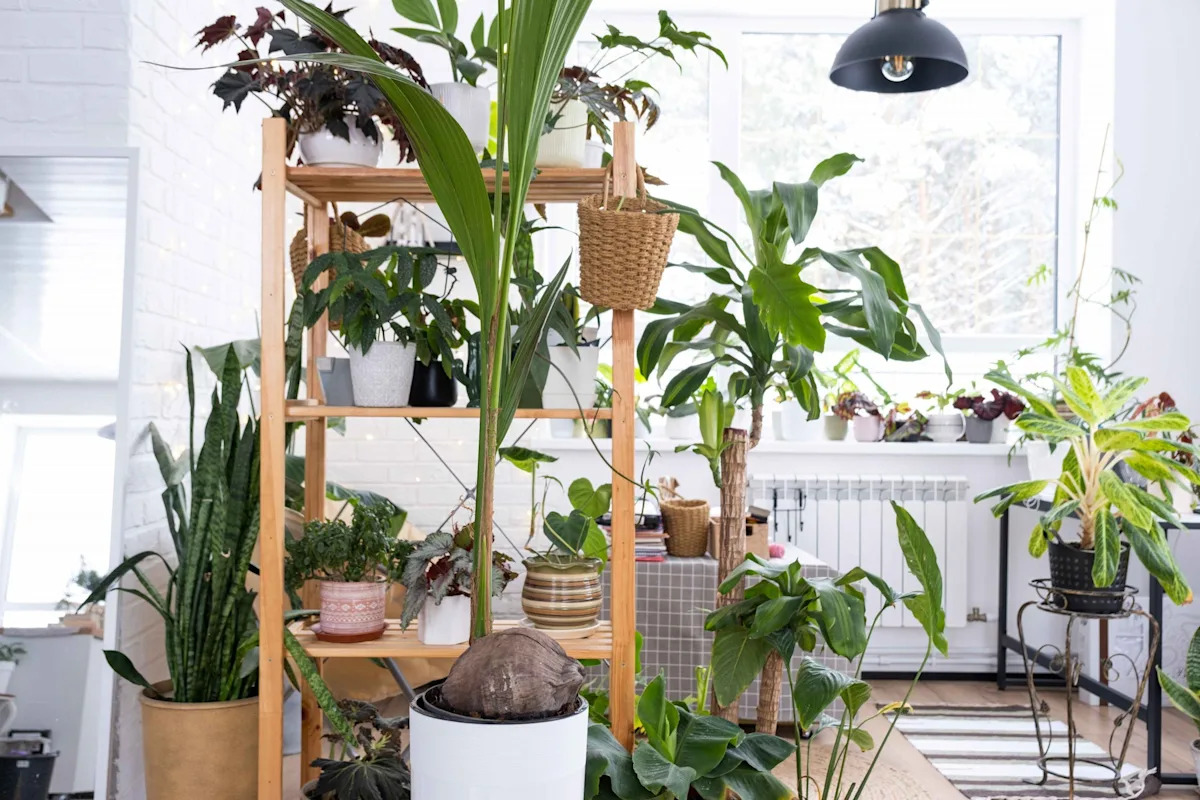
Getting your houseplants through the winter in good shape is completely doable, as long as you meet a few basic requirements
Keeping houseplants healthy in the warmer months isn’t that hard. Meet their basic needs – water, light, food – and chances are they won’t die on you. (As the great 1970s PBS gardening host Thalassa Crusoe said reassuringly, remember that plants basically want to grow.)
But when winter closes in, things get more complicated. The humidity in your house can drop to as low as 20 or 30 per cent – that’s Sahara Desert levels – while cold drafts (or worse, hot dry air from a radiator or floor vent) can severely stress them. And shorter days and reduced sunlight can depress houseplants almost as much as they depress humans.
Most plants react to the change in seasons by going to sleep – or at least taking it easy – until conditions improve. But that doesn’t mean you can ignore them. By adapting your care routine just a little to help them weather the dark days of winter, you, and they, should do fine.
Reduced sunlight
Shorter days and less sunlight can significantly diminish how much light reaches your plants. Try moving them closer to the window, or moving them to a brighter one, ideally facing south or west. Or consider supplementing the light with grow lights or full-spectrum bulbs.
A friend of mine replaces the ceiling pot lights in her living room with daylight bulbs and trains them on her plants, and they seem to appreciate it.
Watering
Because your plants aren’t really growing, their watering needs are drastically reduced; overwatering causes many more plant deaths than underwatering. Wait till the top inch of soil is fully dry (stick your finger in the soil up to your first knuckle to check), and then water slowly till it runs out the bottom.
I like to give my plants an occasional “spa day.” Place the plant in your sink or bathtub, give it a gentle but thorough soaking from the faucet (set the water temperature to lukewarm), and wash or spray the leaves.
Putting a tea towel under the plant keeps soil from going down the drain. If the leaves are very dirty or dusty, gently wipe them with a wet cloth. You can buy leaf cleaner, but I’ve never used it myself.
Humidity
In winter, central heating can do a number on the humidity in your house. It’s not great for wood furniture and floors, musical instruments, or your skin and sinuses, for that matter. And it can severely stress your plants.
It’s particularly a problem for plants with small leaves, like Boston ferns. In summer, my ferns are among my more robust plants, but come winter and they start shedding like sheepdogs. Spraying them several times a day helps, but the effects only last a few minutes. If dry air is a problem in your house (and chances are, it is), you’ll need to resort to more powerful measures.
The gold standard is to invest in a room humidifier – not just for your plants’ comfort, but yours as well. There’s a wide range of options on the market, from portable desktop units to full-size appliances that stand on the floor; some even hook up to your plumbing.
But even a bedside vaporizer from the drug store does help somewhat. Be careful to aim the vapour spray so that it avoids hitting plant leaves directly.
Other options include grouping all your plants together, so they can share what humidity there is. You might also place them on plastic or metal trays filled with pebbles, and keep the trays topped up regularly. (This old-school technique works well for increasing general household humidity as well, even if you don’t have a humidifier.)
Finally, remember that your plants are resting right now, and beyond these basic requirements, it’s actually kinder to just let them take it easy. They’ll let you know when they’re ready to start growing again next spring, when you first see a tiny new leaf.
Please feel free to write in with questions, to comment or to share your own city gardening adventures
with Martha. Write to her at marthasgarden07@gmail.com.
Comments are closed.