
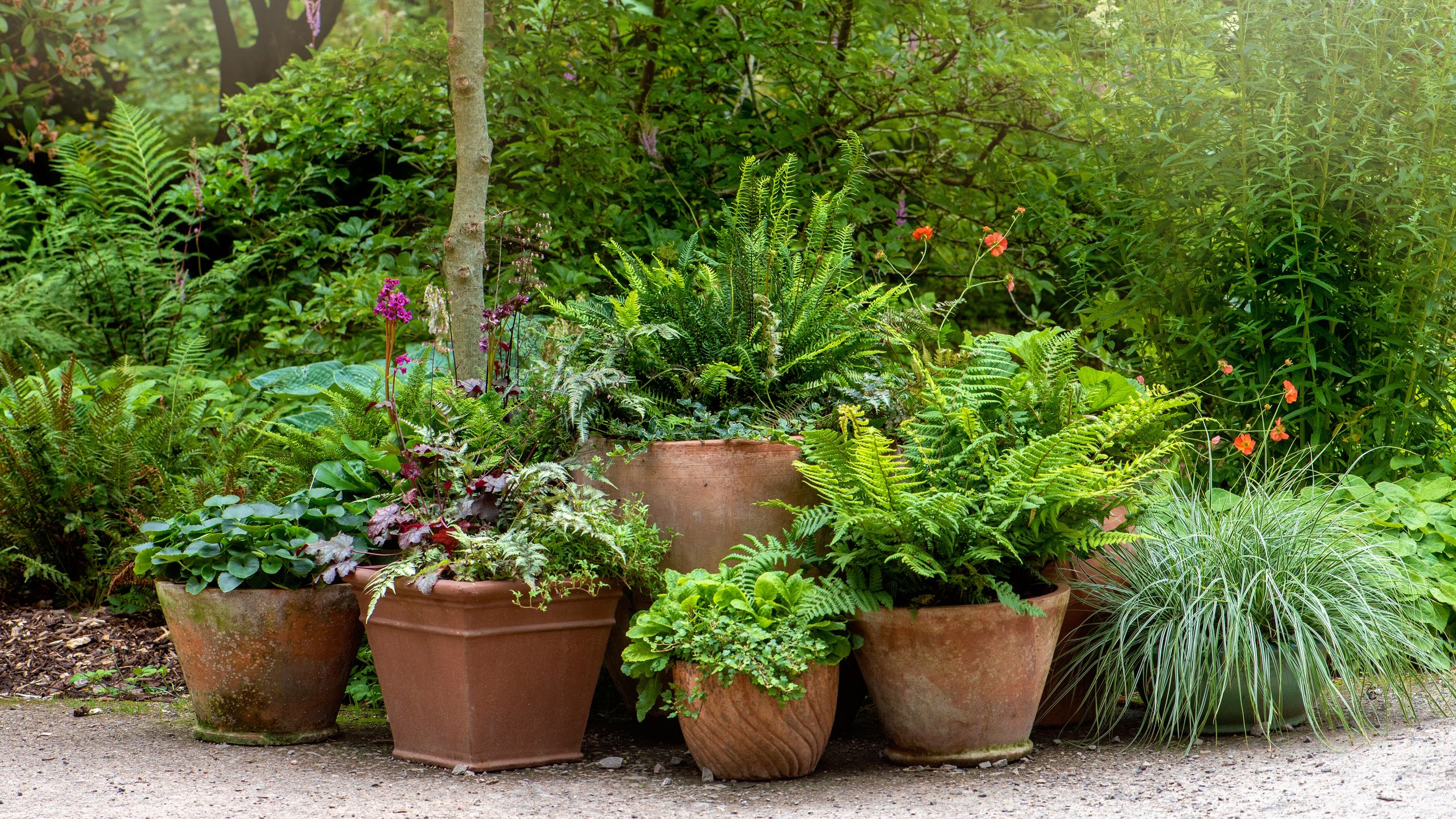
Evergreens really come into their own in winter. Trusty and dependable, evergreens provide interest, structure, and screening when other deciduous plants have lost their leaves. Perfect for providing the framework of a garden, they are also ideal for winter containers.
Second to a front yard, a porch has a strong role in welcoming you and your guests to your home. Often adorned with flowering perennials and annuals over the warmer months. What can you plant to provide winter interest? Read on to discover some of my favorites that I have used over my horticultural career.
You may like
(Image credit: Natalia Greeske / Alamy Stock Photo)
Evergreen container plants for winter and year-round beauty
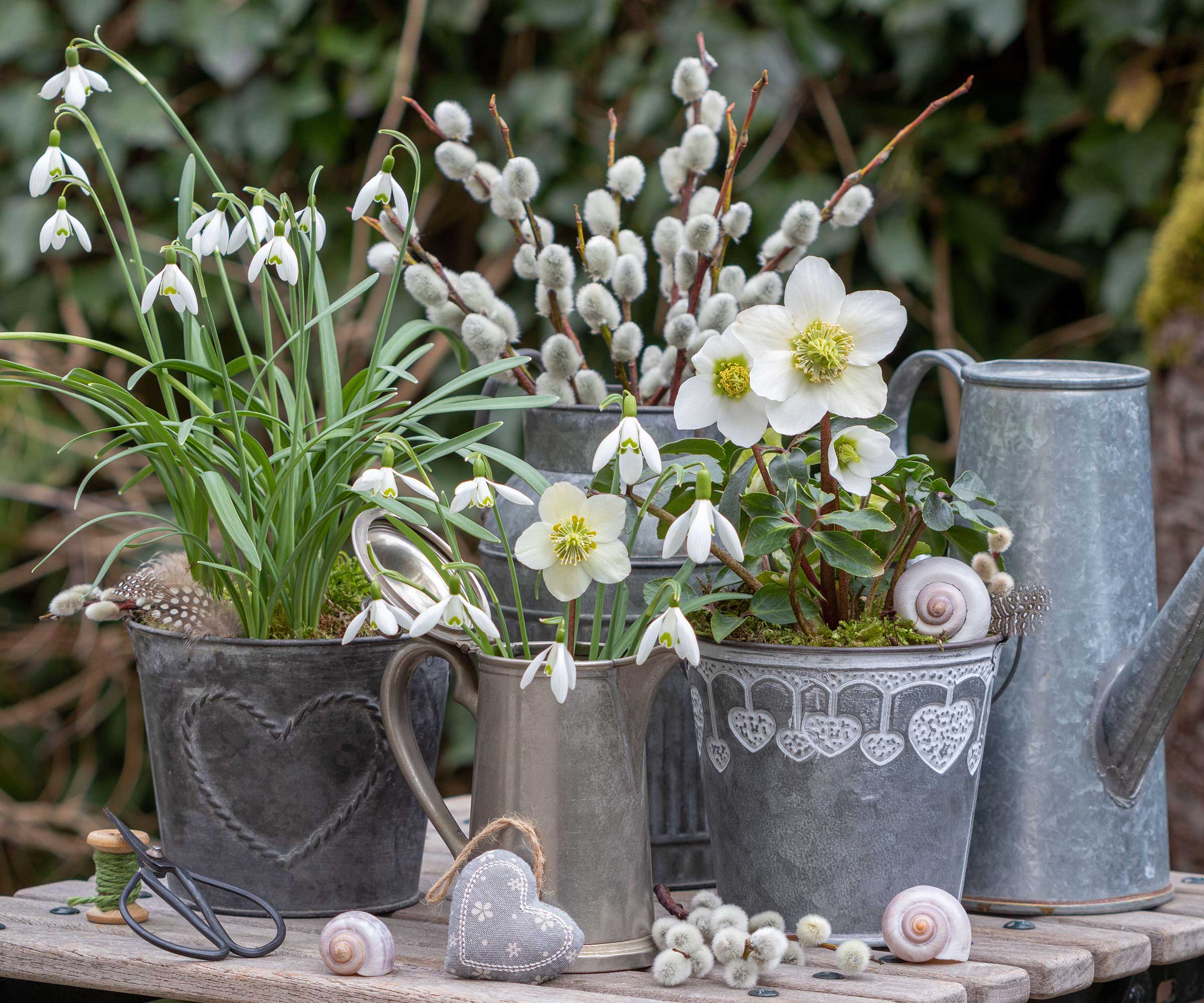
Evergreen container plants are perfect for adding structure, texture and color. They can be planted on their own as a contrast against a striking ornamental grass or the vivid flowers of a cyclamen.
Some even produce a lovely scent to appreciate every time you leave or return home.
Winter box
(Image credit: Alamy/ Trevor Chriss)
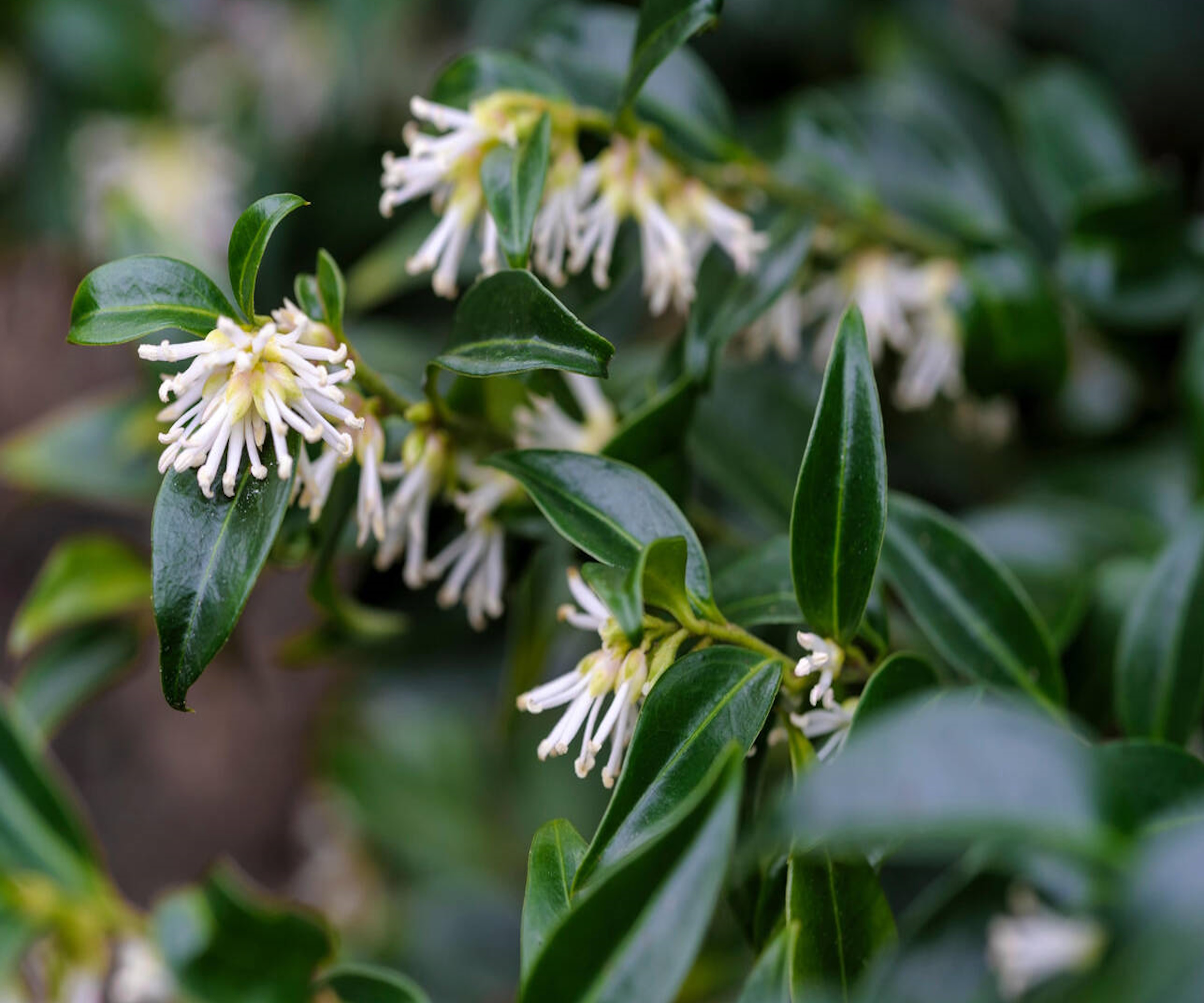
Perhaps one of the best winter flowers for scent, sweet box, or winter box, as it is also known, needs to be smelled to be truly appreciated. A true evergreen, Sarcococca produces dark green leaves that make its pure white, scented flowers really stand out.
Blooming from December through to March, sweet box earns its name from its vanilla-like flowers that give off a delicious scent. Furthermore, depending on the variety, red or black berries can further extend their season of interest.
In the gardens I have managed over my career, I often made sure there was a pot of sweet box growing somewhere that visitors could stop, smell and appreciate and I was regularly asked what it was so they could plant some at home.
In fact, I value its cheering and uplifting scent so much that I have had a container of it by my back door for more than a decade.
Easy to grow and care for, winter box thrives in zones 7-9 and in dappled or light shade. You can purchase fragrant sweet box from Nature Hills.
You may like
Bay laurel
(Image credit: Future)
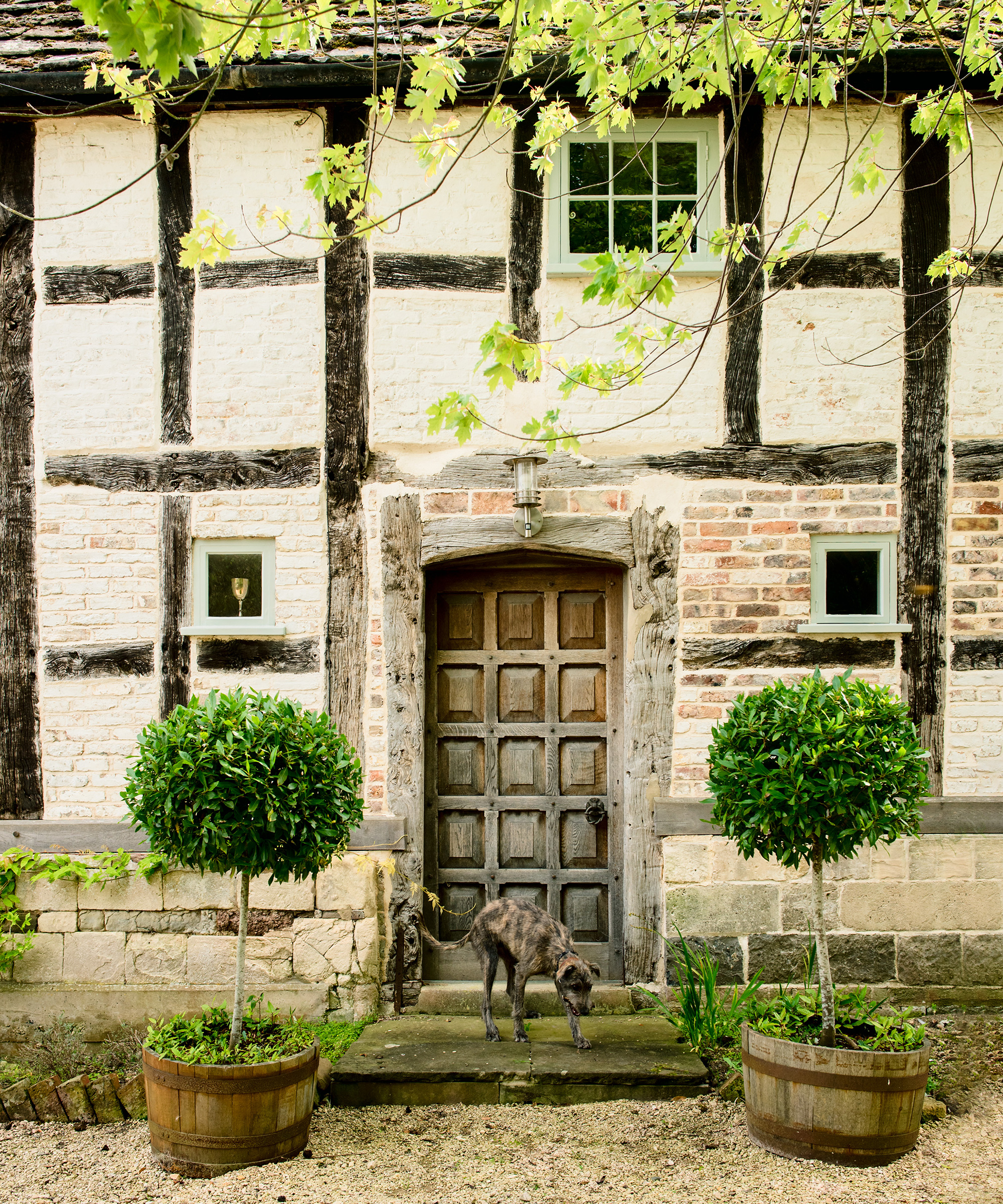
Adding evergreen height and structure, bay laurel, Laurus nobilis, is one of the best small trees to grow in a pot. Well-suited to topiary, a pair of containerized bay tree lollipops or pyramids is a great way of framing a front door.
Prized for their aromatic, dark green foliage and culinary uses, bay laurels are widely grown. A final height of around 15 feet or more makes this evergreen shrub ideal for screening purposes, but it is also suitable for growing as a patio tree in a planter.
Thriving in either full sun or partial shade, bay laurels are low-maintenance and only need to be lightly trimmed once a year in spring. Ideally suited to growing in zones 8-11, you can also grow bay in colder areas, but you will need to protect them over the winter months.
Tough, dependable and virtually pest and disease-free, you can purchase bay laurel from Nature Hills.
Japanese skimmia
(Image credit: Future)
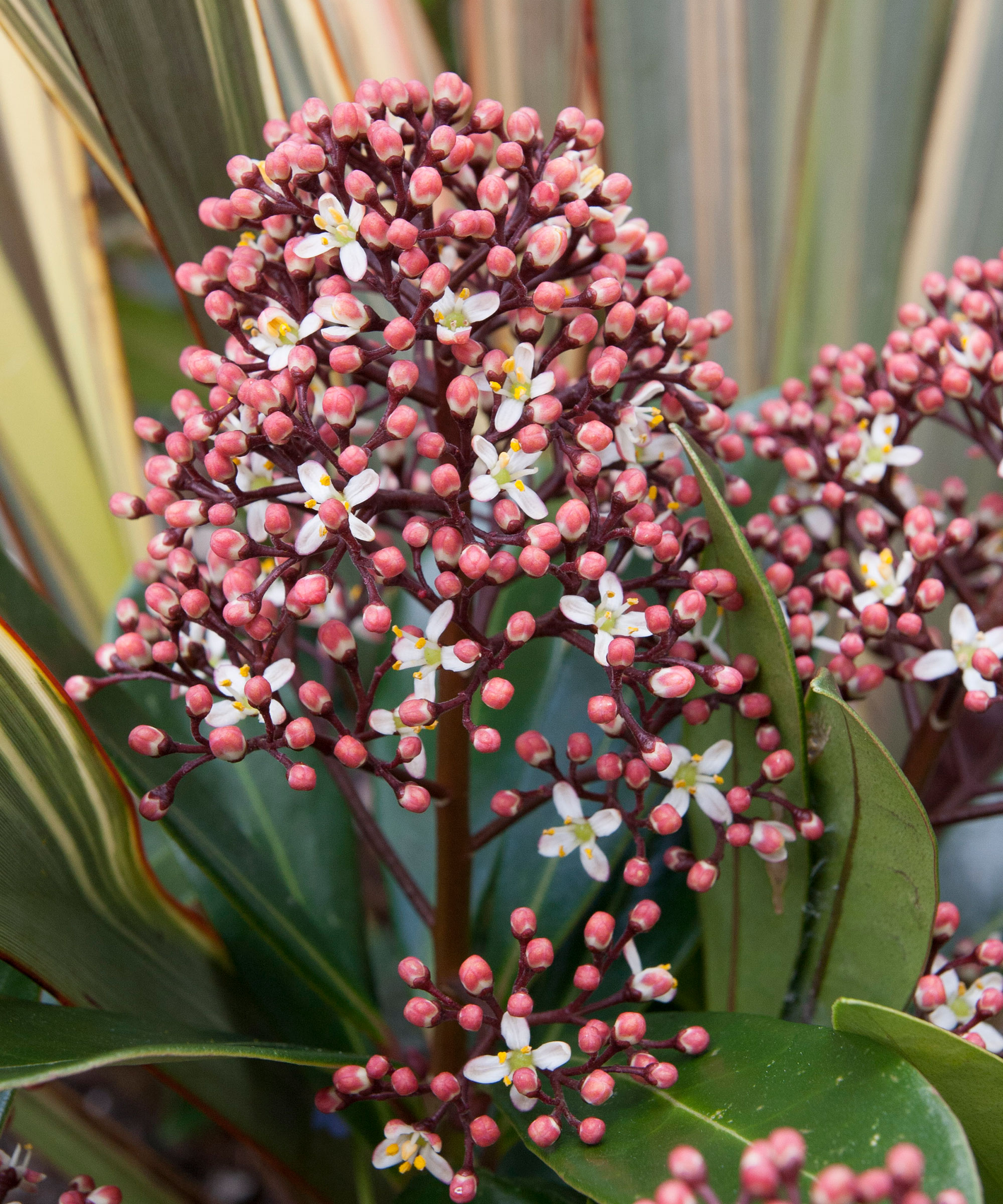
Glossy dark green leaves, attractive buds, white flowers and bright red berries (for pollinated female varieties) make Japanese skimmia, Skimmia japonica, an ideal winter flower for a pot.
A commonly grown and perfect evergreen container plant, the slow-growing Japanese skimmia produces pleasing mounds of tough, dark green foliage and often fragrant flowers in spring. They thrive in partial shade, but will also tolerate full shade.
Over time, skimmias can grow into impressively sized shrubs and are well-suited to a shady border or corner, but as smaller specimens, they make a fantastic container plant.
Suitable for growing in zones 6-8, you can purchase this Japanese skimmia fragrant evergreen shrub from Walmart.
Pittosporum
(Image credit: Getty Images/Nahhan)
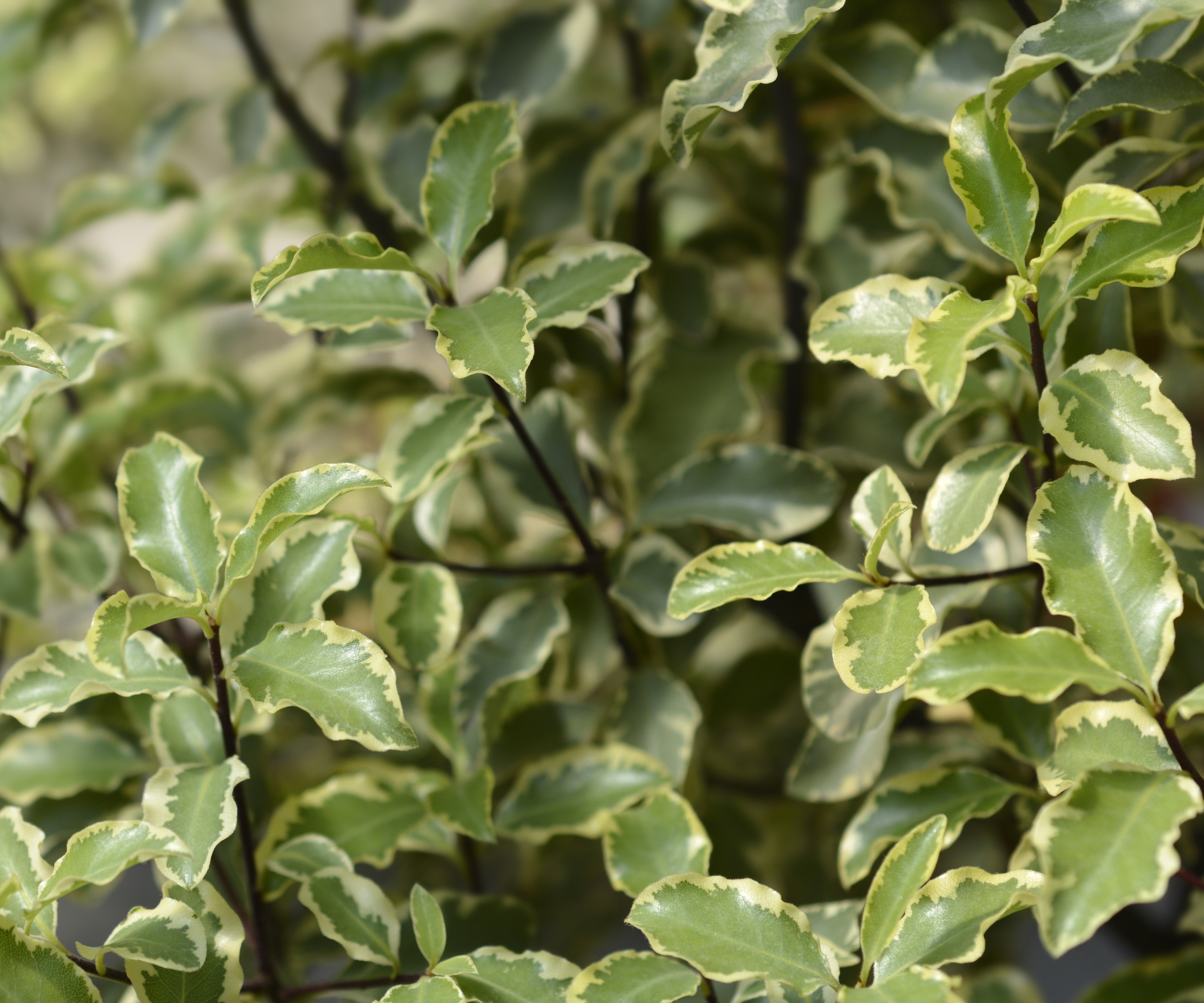
If you would like a change from dark green foliage, pittosporums can be a great choice. However, to grow as a container plant, you will want to choose a smaller variety, as some can grow in excess of 15 feet tall.
Pittosporum tenuifolium varieties are excellent for containers or planters, especially the compact ‘Golf Ball’ with its bright green leaves or variegated ‘Variegatum’. Better suited to a sunnier porch or spot, pittosporums can tolerate both full and partial sun.
Needing little ongoing care, pittosporums rarely require more than a light trim and some, like ‘Golf Ball’, naturally form a rounded shape that is perfect for complementing a container.
However, pittosporums are not the hardiest on the list and are suitable for growing in zones 8-11, even then, they might need some winter protection.
You can purchase Wade Logan® pot planter from Wayfair.
Hebe
(Image credit: Claudia G Cooper / Shutterstock)
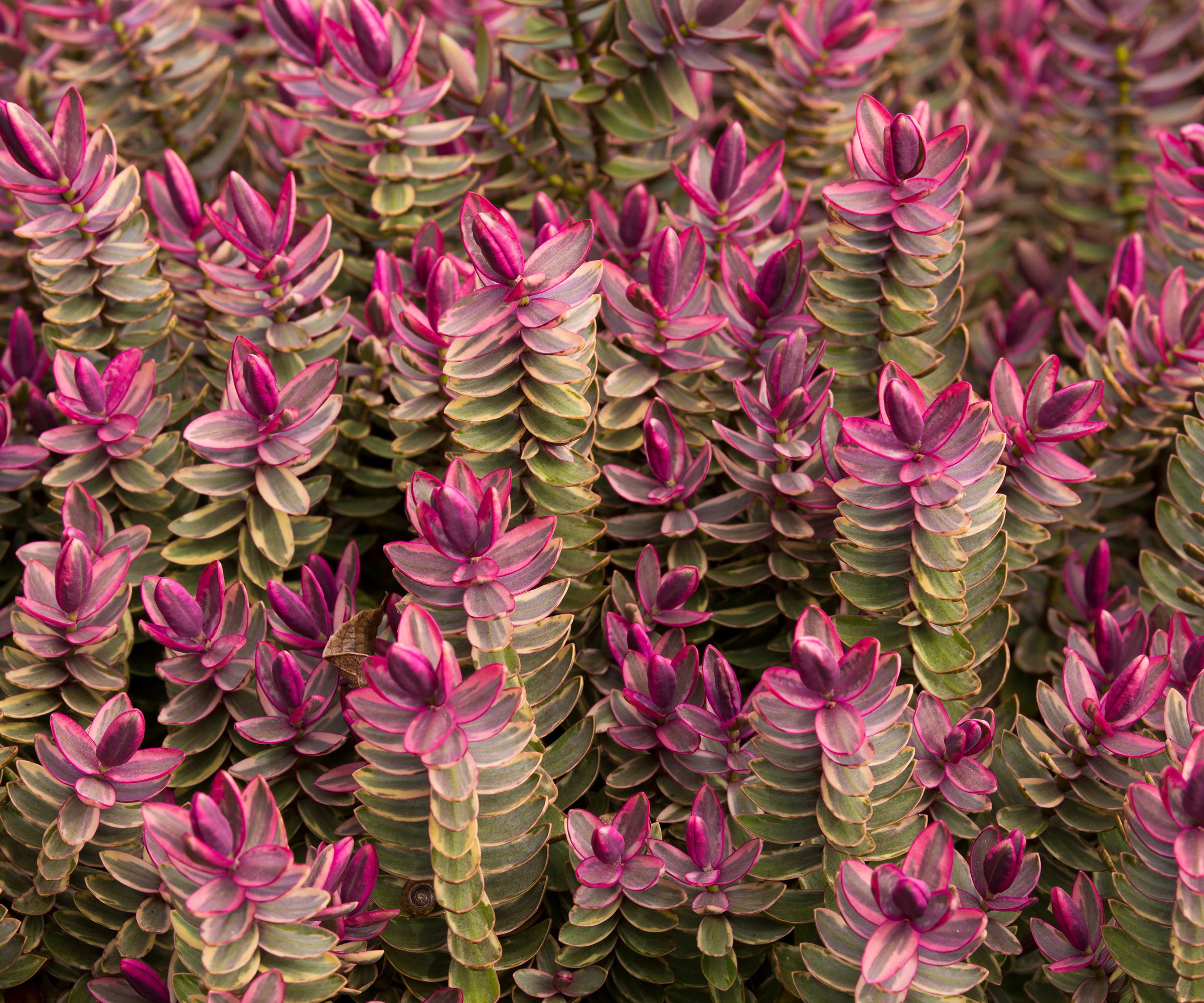
Hebes are popular, low-maintenance shrubs that are grown for their year-round structure and varied and striking foliage. Furthermore, in summer, flowers are produced that attract pollinators.
Often grown at the front of a border or along a path, smaller hebes are also ideal for growing in a container.
With its maximum size of 2-3 feet, tiny leaves and striking dark red stems, Hebe ‘Patty’s Purple’ is an ideal evergreen container plant. In late summer, you and the bees will appreciate its lavender-blue flowers that burst forth.
Preferring full sun to partial shade and suitable for zones 8-11, Patty’s Purple hebe is available to purchase from Nature Hills.
Hart’s tongue fern
(Image credit: Getty Images/Wirestock)
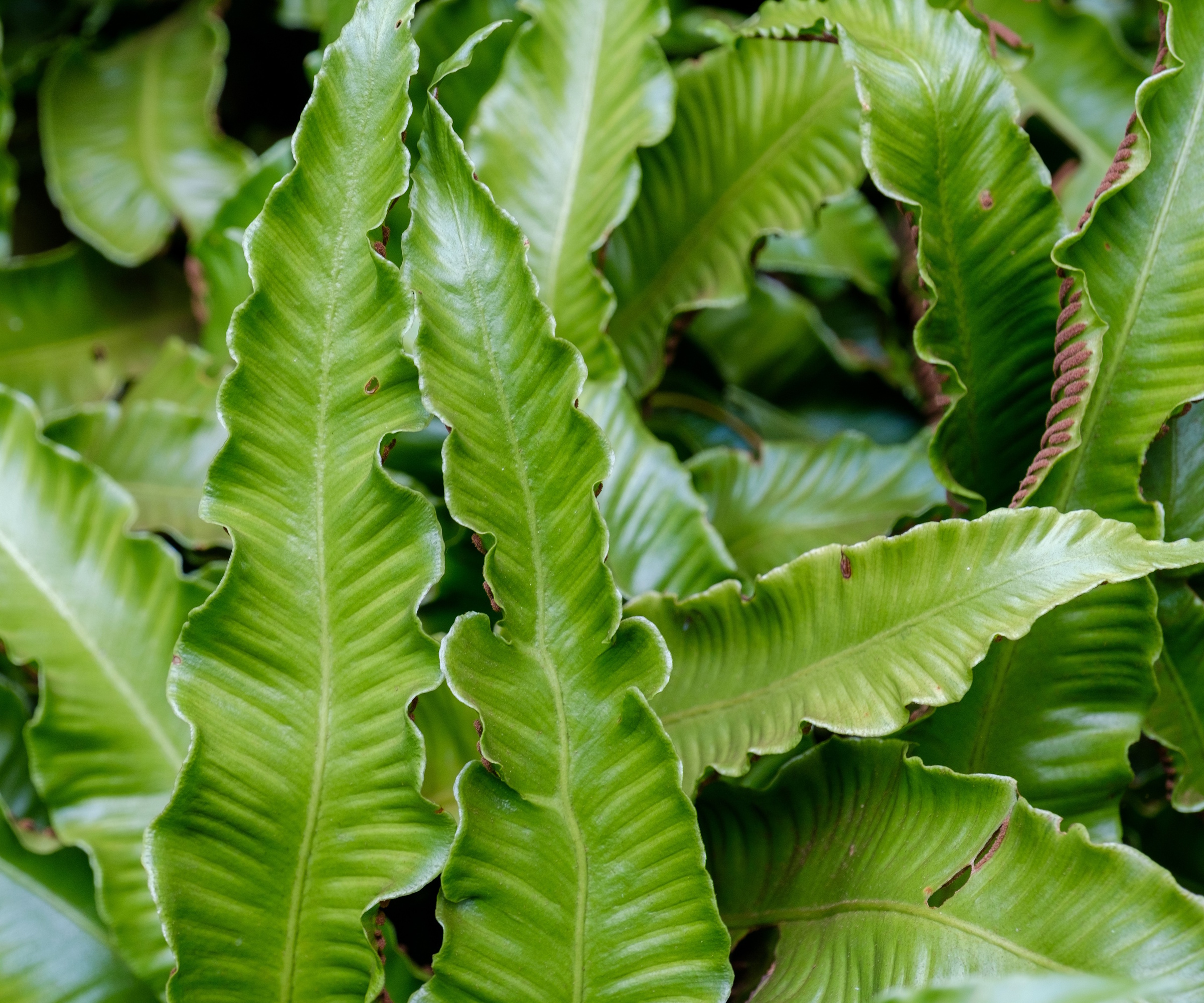
For something a bit different, why not try an evergreen fern such as Asplenium scolopendrium or the Hart’s tongue fern, as it is more commonly known. Forming arching, wavy, bright green fronds, this shade-loving fern will add interest and structure to any pot or planter.
Having grown and cared for it in many gardens I have overseen, I can vouch for its love of a damp and shaded spot, where it positively thrives.
Ideal for a winter porch that does not receive much light, its final size of around 2 feet all over makes it ideal for planting in its own container so it can show off its full potential.
Cold-hardy and tough as old boots, Hart’s tongue fern is suitable for cultivating in USDA zones 5-9. Why not pair it with a Birch Lane™ resin pot planter available from Wayfair.
Winter daphne
(Image credit: Photos from Japan, Asia and othe of the world / Moment / Getty Images)
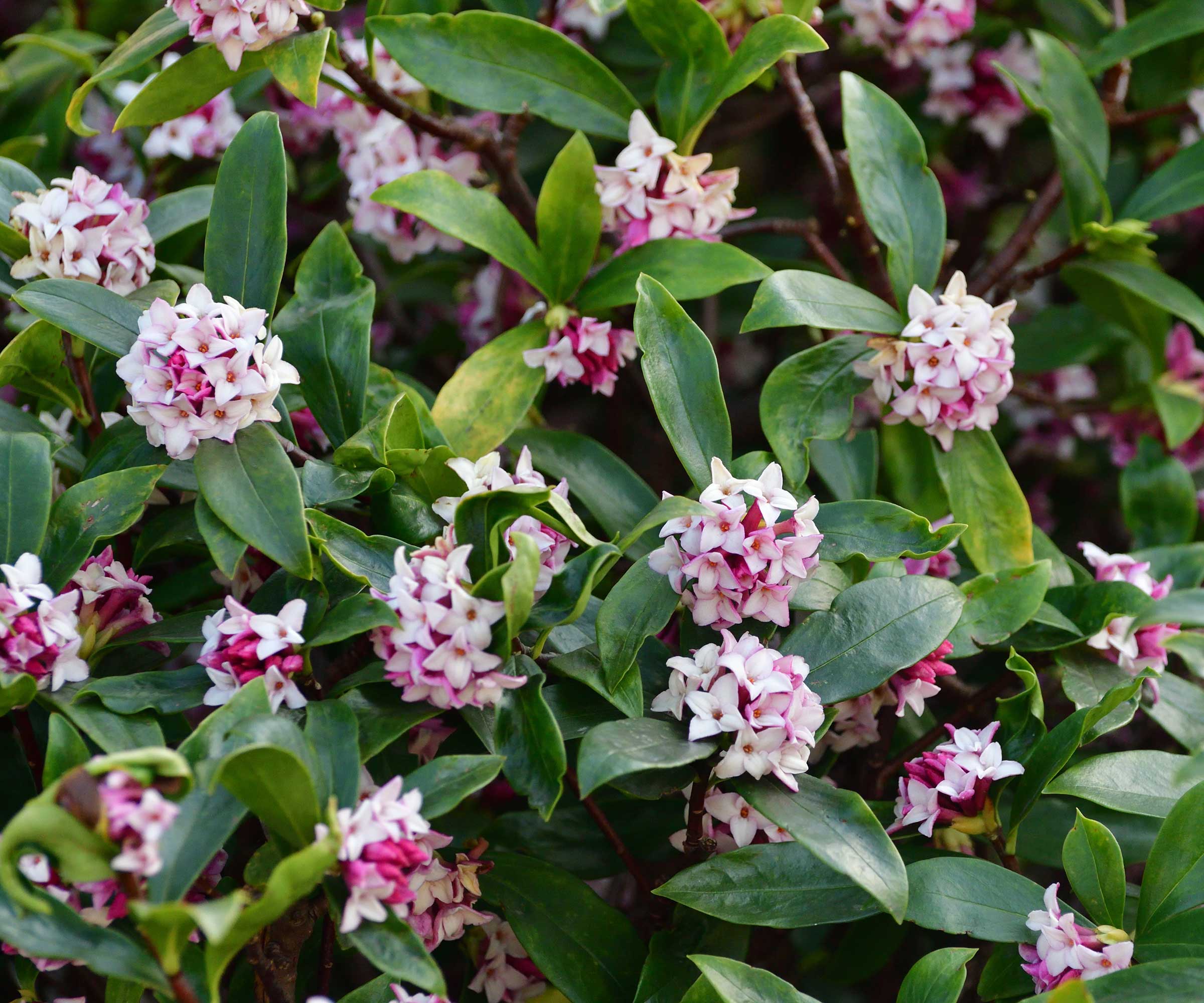
Daphne odora, or the winter daphne as it is better known, is a popular winter-flowering shrub that is valued for its fragrant winter blooms. Originating from the East Asia, winter daphnes might be slow-growing, but they are, in my opinion, so worth the wait.
Developing dark, evergreen leaves and pink buds that open into sweetly scented pink flowers in early to mid-winter, daphnes provide interest and structure when little else does.
Generally tolerant in US hardiness zones 5– 9, from my experience, daphnes require protection from any cold winds or may begin to drop their leaves. Taking time to reach their final height, typically around 3-4 feet, depending on the cultivar, you need to either be patient or purchase a mature specimen.
You can purchase Daphne Marianni®, Daphne odora ‘Rogbret’ from Nature Hills.
Evergreen shrubs are often a prerequisite for a front or back yard due to their ability to provide form, structure and interest, especially over the colder months.
However, fast-growing specimens such as Leyland cypress and privet can require regular care to keep them in check. For those of us with less time on our hands, these low-maintenance evergreen shrubs can be a perfect alternative.
Comments are closed.