
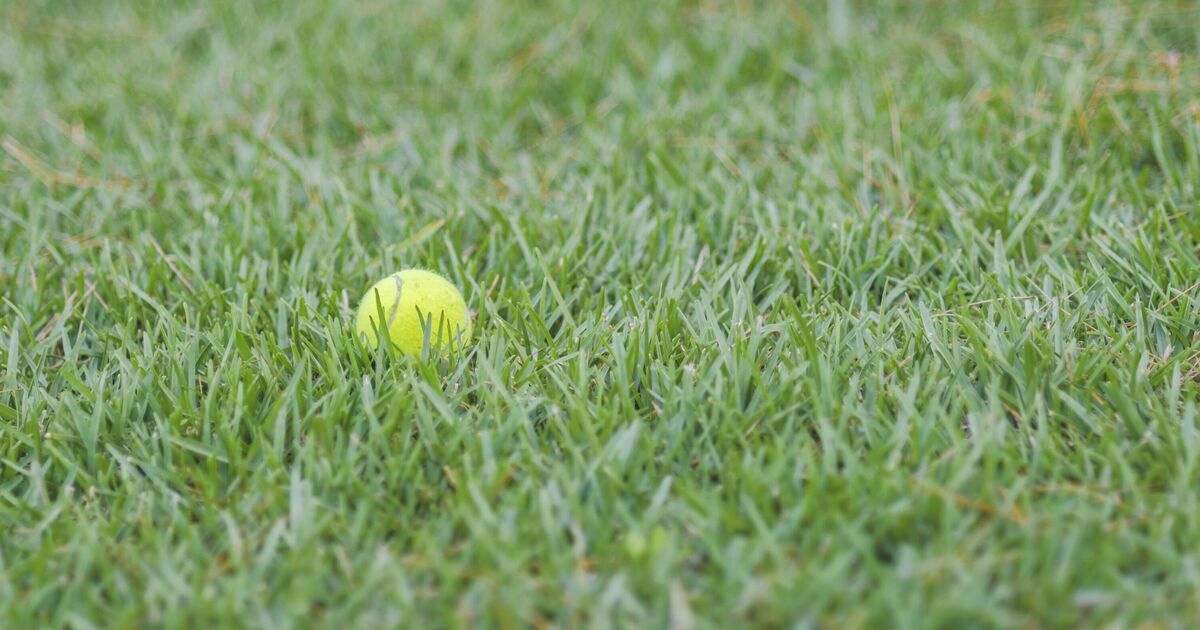
Gardeners have been urged to leave tennis balls across their gardens this winter. The advice comes from wildlife experts who suggest the balls can be useful, particularly for one crucial reason, and it all has to do with two animals.
Like many animals, birds and hedgehogs struggle in colder temperatures and typically need more help during the colder months. Scattering tennis balls in your garden does exactly that, and while it might seem a bit bizarre, it’s simpler than you realise.
According to Ideal Home, tennis balls can provide a more stable surface for both birds and hedgehogs during wintry conditions.
Richard Barker, commercial director of LBS Horticulture and horticultural expert, explained: “Scattering tennis balls in your garden can benefit birds and hedgehogs as it can provide them with a stable surface during icy and wintry weather.
“The bright colour of tennis balls gives birds a clear place to land, and their fuzzy surface functions as a non-slip surface that they can perch on. Hedgehogs may struggle to reach food if pathways are slippery, so they can use the tennis balls to steady themselves if it is icy.”
This piece of advice comes in handy for those who are particularly interested in attracting birds to their gardens even throughout the winter, as the balls can help them navigate and offer a safe landing spot.
Additionally, for hedgehogs, the balls not only help them navigate but also provide shelter.
James Ewens, wildlife and gardening expert at Green Feathers, said: “Tennis balls can act like little shelters, giving small birds and hedgehogs extra hiding spots from predators and harsh weather.
“They also create small pockets where insects like to gather – such as between the ball and the damp earth – making perfect snack hotspots for wildlife.”
The best spots to place the tennis balls are wherever wildlife congregates, such as around a bird bath, table, or feeder. If snowing, Mr Barker also recommends using the small prints from birds as indicators of where to place the balls.
For hedgehogs, you should look at where they are likely to hide, such as thick shrubbery or under a shed, and place the balls around there. The number of balls you choose to place depends on the size of your garden, but a few in key spots, alongside hedges and fencing, should do the trick.
Comments are closed.