
Q: I always enjoy reading your informative column in the Edmonton Journal, and some of your information is posted inside our garage for future reference.
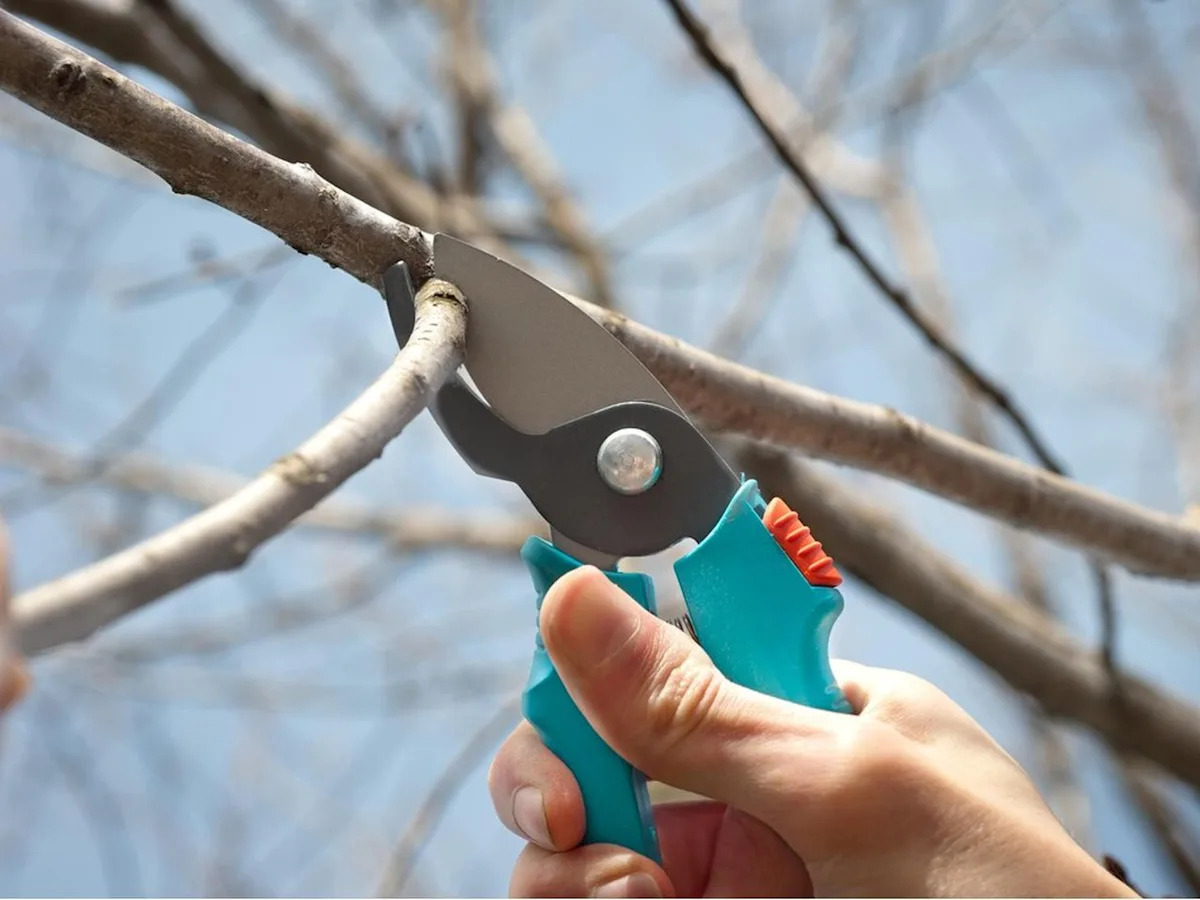
Hopefully, you can give me your advice on pruning. In Edmonton, we have three trees 35 years old. An apple, crabapple and a flowering crab tree. All in good condition, but the crab and flowering crab really need a good pruning as they are getting very large and have to be cut back. I know I should not be taking off more than 30 per cent in one year.
I have been pruning a bit on all three trees for a number years and following the advice in an older Ortho Book for Growing Fruits & Berries in Western Canada where it states “if pruning in winter or early spring, growth will be more vigorous and pruning in late summer or fall will weaken the tree and new growth will be less vigorous”.
That’s why I have been doing fall pruning, and the trees have not seemed affected by the pruning when the leaves are falling off. But going through the Internet yesterday looking for pruning information, it says for apple and crab apple trees in Edmonton, fall pruning should not be done as the tree is weakened and may not survive the winter. I want to prune the two trees with less chance of vigorous growth. What is your recommendation?
A: Thank you for your kind words. I agree that pruning in our area in the fall may cause some problems. I prefer to do my pruning in the spring before the buds begin to open, and I also prune my apples and crabs for shape in the late summer (August). The second pruning will contain the vigorous growth you mentioned.
Q: I have a problem with about 50 per cent of my red onions this year. The outer skin covering the onion over the large spot feels quite dry and papery, but when you press on that spot the onion underneath is not very firm. I’m hoping you can tell us what this is, the cause and any treatment for it. I read your column in the Journal all the time and you have always been a great help.
A: Thank you for being a faithful reader. I looked up an answer Dr. Leuan Evans, who is a plant pathologist, gave me for this problem a few years ago.
Here is his reply, “It sounds and looks like a condition called sour skin. Sour skin and another condition called slippery skin that can also be relatively common in wet springs. Both are caused by related soil-inhabiting bacteria Burkholderia gladioli (alliicola) and B. cepacia (sour skin). These bacteria are introduced to gardens in Alberta on onion sets and gladiolus bulbs. Control is usually a 4-year rotation. Avoid overhead irrigation, heavy nitrogen fertilization and dry indoors the harvested onions as quickly as possible.”
Related
Every week, Growing Things Outdoors runs online at edmontonjournal.com or, if you prefer an epaper format, epaper.edmontonjournal.com
Learn more by emailing your questions to filipskigerald@gmail.com, reading past columns or my book Just Ask Jerry. You can also follow me on X (Twitter) @justaskjerry01.
Comments are closed.