
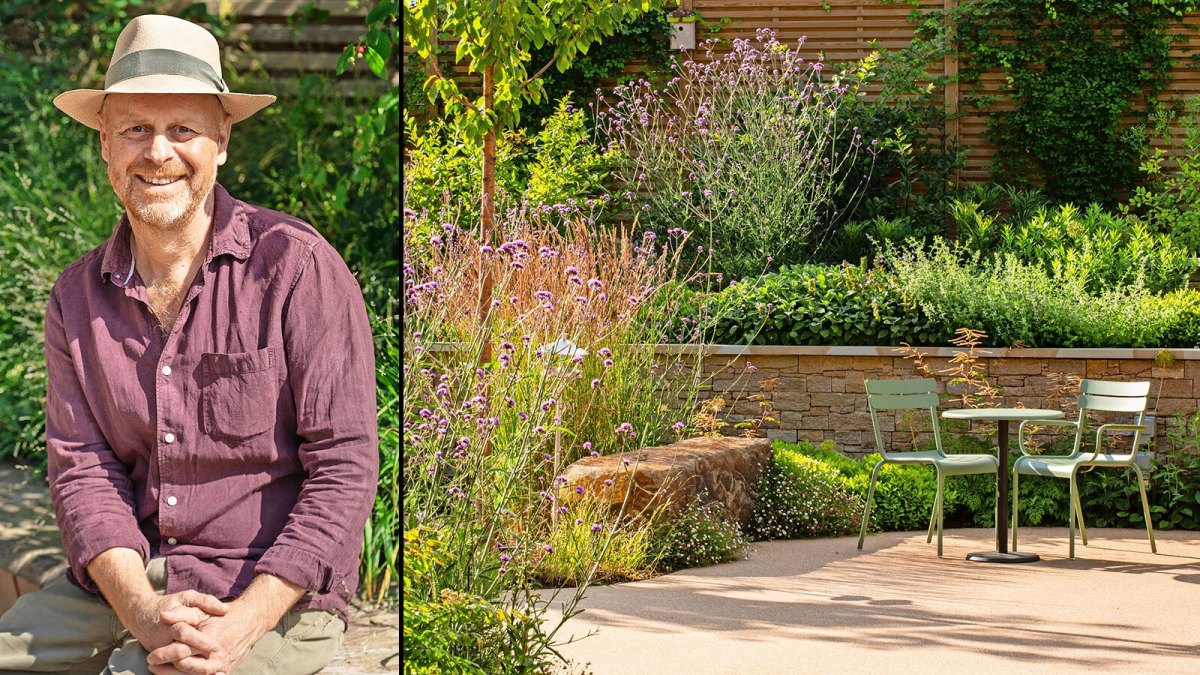
It’s the time of year when many want to support charities by buying cards, going to fundraising carol concerts or wearing silly jumpers to work. But a charitable Christmas donation makes a lot of sense to me and is surely a nobler way to part with some cash. Or if you’re the kind to get your hands dirty, you could think about volunteering.
I’d urge you to consider a garden-based charity. There are so many doing wonderful, diverse and essential work. Some make and maintain gardens at hospices and hospitals; others support gardeners with disabilities or injured professional gardeners; and there are those that use the power of gardening to help disabled or disadvantaged people. The National Garden Scheme (NGS) raises money from private owners opening their gardens. The visiting fees plus money raised from tea and cakes (an important element of a garden visit) is then passed on to nursing and cancer charities and other beneficiaries, like Horatio’s Garden, an outfit that installs and maintains beautiful gardens for spinal units in the UK.
I’ve been involved with Horatio’s Garden since 2016. My design at Stoke Mandeville Hospital, Buckinghamshire, which was opened in 2018 (by the queen of cakes herself, Mary Berry) was a big build on a site that was completely unused (mainly a thoroughfare, so very exposed) and impractical (sloping with uneven paving) — even a slight bump can be excruciating to someone with a spinal injury. It was a humbling experience and, to date, the most important garden I’ve designed.

Horatio’s Garden installs and maintains beautiful gardens for spinal units in the UK
MARK LORD
Such gardens are hugely impactful and life-changing. With a spinal injury, a patient may be lying in bed for months — rehabilitation can take up to a year — in the (understandably and necessarily) sterile hospital environment with only the ceiling to stare at. The garden at Stoke Mandeville can be viewed from inside (even in the evening, as it has some subtle lighting), so I designed it very much with those views in mind, putting some planting beds in the foreground for ornamental grasses and tall — but gappy — perennials. The garden can be ventured into year-round, in a bed or wheelchair. It offers an escape with fresh air, beautiful plants, bees, birds and butterflies, and the visceral, life-affirming feeling of being surrounded by the natural world.
• ‘Therapy gardens can be a game changer for mental health’
Patients often want to be alone to reflect or spend important time with family and friends in small gatherings or larger groups, so the design has different sized “pods” with planting between them for privacy. There is a greenhouse and a bespoke garden building with a kitchen and wi-fi, and there’s always something going on, be it a gardening workshop or an event — a slice of normality compared with the wards. It is heated in winter, too, so it offers shelter year-round. The benefits are overwhelming, bringing solace and joy to patients, supporting better sleep, increasing vitamin D levels, improving relationships (which can get strained after a life-changing injury) and mental health, and helping to distract from pain and reduce stress. Talking to patients, their friends and families, and the NHS staff who spend time in the garden, I’ve heard of the enormous positive effects the space has.

Stoke Mandeville Hospital’s greenhouse
MARK LORD

The bespoke garden building is heated in winter, offering year-round shelter
LUCY SHERGOLD
One aspect of my brief was to design a “relatively high-maintenance garden”, almost unheard of in modern garden-making. There is an army of volunteers, who do a fabulous job and like to keep busy. This brief encouraged me to use a wide range of plants: plenty of grasses and perennials, and scented winter shrubs. Thousands of perennial bulbs went in, and tulips are planted annually, which put on an uplifting display come spring.
As a garden designer, there’s nothing more rewarding than being able to apply your experience and expertise to such a special project. The charity has a can-do attitude that’s infectious, and everyone’s pushing in the same direction: to make beautiful and meaningful gardens that have a considerable impact on people’s lives. I try to visit once or twice a year to help direct the planting, and will always be involved with this wonderful charity.
There are 11 spinal units in the UK — eight now have Horatio’s Gardens and plans are being put in place for the remaining few. Most can be visited on NGS open days. See the NGS website for details: horatiosgarden.org.uk.
• Why gardening is good for your physical and mental health
How to get involved in a garden charityVolunteer
Many rely on volunteers to maintain the gardens or help oversee opening days.
Fundraise
Perhaps you’re one of those outdoorsy types who loves climbing mountains to raise money? Or maybe a bake sale is more your kind of thing? It all counts.
Donate
Forget that silly jumper. Make a cash donation or, even better, set up a standing order (and remember to tick the Gift Aid box).
Corporate partnerships
Do you work for a company? Perhaps choose a gardening charity as a beneficiary or help to organise a corporate volunteering day.

Hospital gardens can bring solace and joy to patients
Other garden-related charities to get involved with National Garden Scheme
The National Garden Scheme gives visitors access to more than 3,500 gardens in England, Wales and Northern Ireland (Scotland has its own scheme), and raises millions every year for nursing charities (ngs.org.uk).
Perennial
Dedicated to helping people in horticulture in many ways, including improving physical wellbeing for those with injuries, offering financial support and career development and training (perennial.org.uk).
Greenfingers
Greenfingers aims to provide all life-limited children, their families and carers with emotional support through the power and pleasure of nature. It creates beautiful, well-designed outdoor spaces for children to enjoy with their family, friends and siblings, whether for play and fun or therapeutic rest and relaxation (greenfingerscharity.org.uk).
Thrive
This charity uses gardening to bring about positive changes for those living with disabilities or ill health, or who are isolated, disadvantaged or vulnerable (thrive.org.uk).
Comments are closed.