
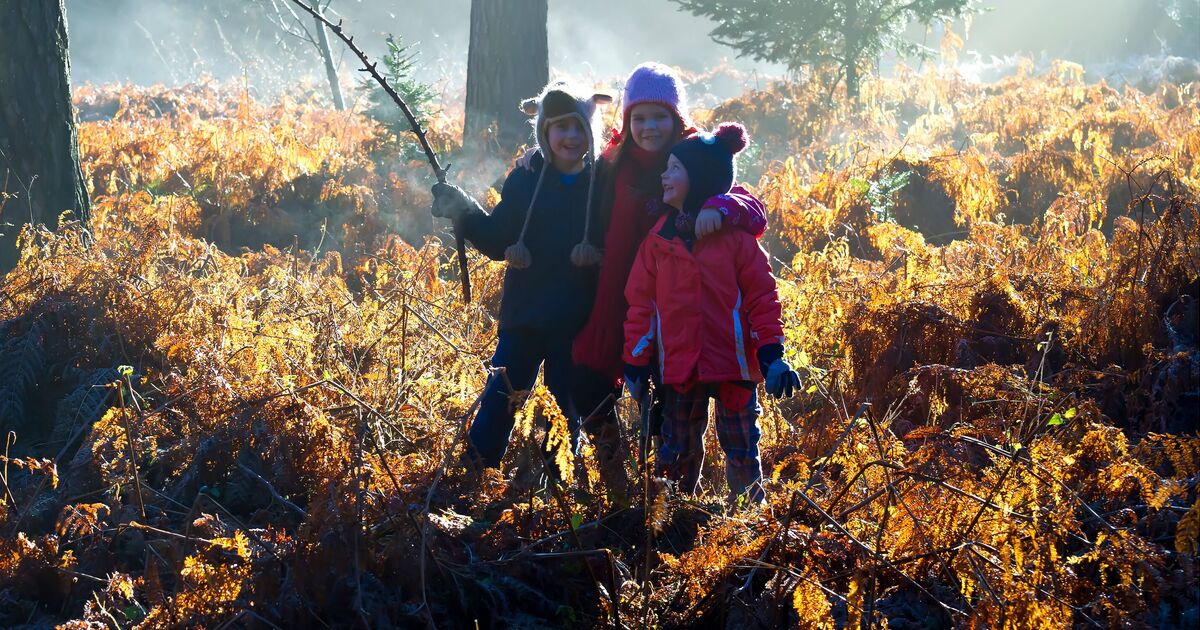
With schools soon breaking up for Christmas, it’s wise to find engaging activities for the kids away from the screens. Simple nature projects keep minds busy and encourage time outdoors.
FESTIVE WALKS AND PINECONE TREASURE
Start with a winter walk to burn off some energy. Give children a challenge to spot different bark patterns, evergreen shapes and berries clinging to hedgerows. Let them gather a few fallen pinecones from the ground to take home. Once dry, they can be painted and topped with tiny cardboard stars or pompoms as miniature Christmas trees. Half a wine cork makes a great trunk, or you can add a loop of string so you can hang them on your tree.
SNOWY SEED TRAY SCENES
On a chilly afternoon, turn the kitchen table into a mini garden studio. Give each child a shallow tray or recycled punnet and add a layer of compost. They can press in twigs or rosemary sprigs as trees, sprinkle gravel for winding paths, and use jam jar lids, tin foil or cling film for frozen ponds. Soft tufts of cotton wool or shredded white paper can give a convincing snowy look. Once they’re finished, hold a winter garden show for family or friends and let each child describe the stories behind their tiny landscapes.
BULBS FOR NEW YEAR
Indoor bulbs are a great lesson in patience, even when planted in mid-December. Amaryllis bulbs are easy for small hands to handle too. All they need is a snug pot, some free-draining compost, and a bright, warm windowsill. Just make sure the top third of the bulb sits above the compost surface. Planted now, amaryllis should flower in about six to eight weeks, so it gives kids something to look forward to in 2026.
They’ll give a bold burst of colour, and children can measure the stems every week to keep the excitement growing. Check out the first episode of my YouTube series, A Year In My Garden, to see a giant amaryllis bulb I bought this year, @daviddomoney.
PAINTING TERRACOTTA POTS
Terracotta pots are perfect for a cosy, crafty afternoon indoors at this time of year. Wash them, let them dry, then turn them into Christmas characters. Children can paint faces, snowy scenes, or recognisable characters on the sides, using acrylic paint and keeping the drainage hole clear. Think gonks, elves, snowmen or even a whole little festive family.
Once the paint is dry, add free-draining peat-free compost, and plant some fragrant herbs as “hair”. Curly parsley, chives and thyme all work well and can be snipped for delicious Christmas stuffing, roast potatoes and more festive treats. Keep these character pots indoors now, as terracotta can crack in hard frosts. The children can trim their herb hair for cooking and enjoy their creations right through winter.
With a few simple projects like these, you can bring extra Christmas magic to the holidays and spark a lifelong love of nature.
Five jobs for the week
1. Check your stored dahlia and begonia tubers or any corms in boxes or paper bags. If any of them look shrivelled, nestle them into just-damp compost and then return them to a cool, frost-free place. Remove any rotten pieces so decay won’t have a chance to spread.
2. Wrap tree ferns before hard frosts bite. Gently fold any old fronds into the crown, then pack the centre with dry straw or bracken. Next, wrap the trunk with fleece or hessian, tying it securely so winter winds cannot tug it loose.
3. Give winter containers a refresh. Remove any faded or yellowing leaves, spent flowers and any moss choking the surface, then top up with compost or add some decorative gravel. Check pansies, violas, cyclamen, heucheras and small conifers, snipping off dead blooms and damaged foliage so they stay tidy and healthy. Water if the compost has dried and shrunk from the pot’s sides.
4. Tidy bamboo by cutting out dead, damaged or very spindly canes at the base to open the clump. Remove any unwanted runners before they spread. Avoid hard pruning in a cold snap – you’re just doing a small spruce up, so the plant keeps good structure and is less likely to rock or snap in winter winds.
5. When you bring home a cut Christmas tree, saw two to three centimetres off the base of the trunk so it can drink again. Stand it in a water-holding stand, top up regularly and keep it away from radiators and open fires, so it stays fresher for longer. Learn more about this and other Christmas tree tips in the latest episode of step by step gardening on my YouTube channel @daviddomoney.
Facebook – https://www.facebook.com/DavidDomoneyTV
Instagram – https://www.instagram.com/daviddomoney/
Pinterest – https://www.pinterest.co.uk/daviddomoney/overview/
TikTok – https://www.tiktok.com/@daviddomoney
Focus Plant: Mistletoe
Mistletoe is a semi-parasitic plant, so it draws water and nutrients from its host tree while still making food. Light infestations on apples, poplars or limes rarely cause serious harm. However, heavy growth can reduce vigour over time, so keep an eye on it.
For decorations, look for sprigs with firm green leaves and plump, pearly berries rather than shrivelled ones. Kept cool, bunches usually last two to three weeks, so they’ll see you through. Remember, all parts are poisonous if eaten, so keep it out of reach from children and pets.
If you fancy growing your own, now is the time. Identify suitable host trees in a sunny, sheltered spot. Then, in late winter to early spring, start by pressing ripe, soft berries on to thin, young branches, tucking them into little nicks, forks or rough patches. The sticky seed will cling on and a few will germinate.
Hard, unripe berries are much less likely to succeed, so wait until later in the season.
Fun fact: The mistle thrush is named for its love of mistletoe berries, and its Latin name, Turdus viscivorus, means “devourer of mistletoe”.
Did you know?
“True” cinnamon comes from the inner bark of the Sri Lankan cinnamon tree (Cinnamomum verum). Most jars of cinnamon in supermarkets are actually cassia, which is bark from closely related trees. Cassia is thicker and has a stronger, spicier flavour in Christmas baking.
Potatoes, tomatoes and aubergines are all cousins in the nightshade family, Solanaceae. So your roasties, tomato sauce and aubergine side dish at Christmas dinner are botanically close relatives, sharing similar flowers, pests and crop-rotation needs.
On a poinsettia, the bold red “petals” are actually colourful leaves called bracts. The real flowers are the tiny yellow centres, so you’re decorating the house with cleverly dressed-up foliage each Christmas.
Research on European holly shows it can change how spiny its leaves are. When deer or livestock browse lower branches, new leaves there often regrow smaller and with many more leaf spines, while higher, untouched branches stay smoother. A wonderful example of plant defence.
Comments are closed.