
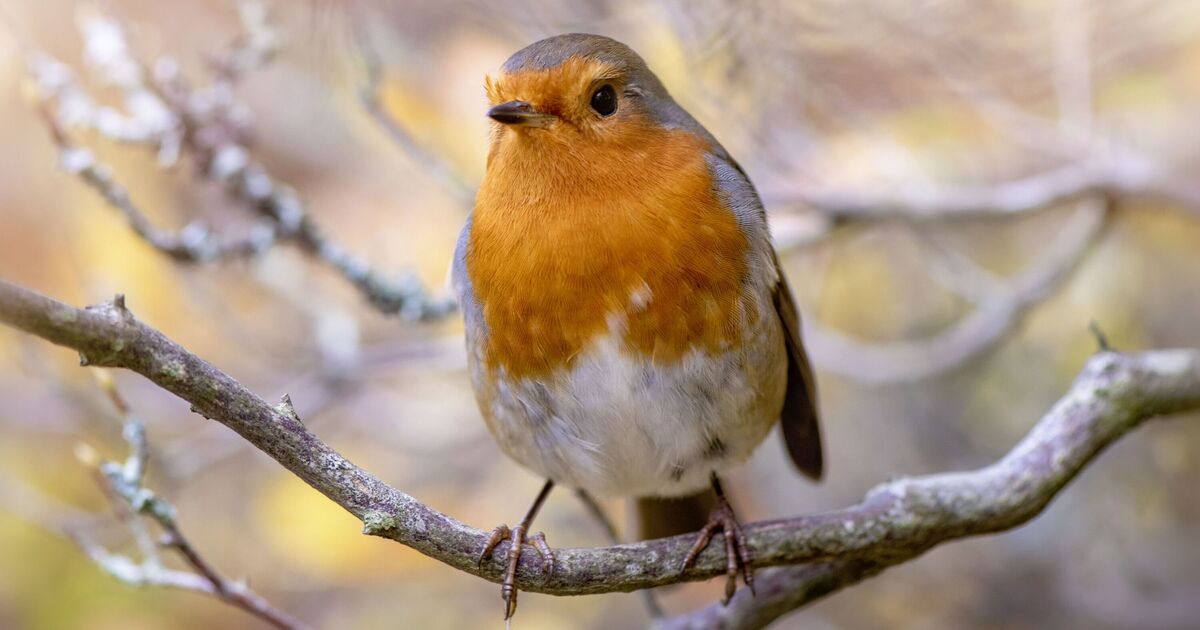
Birds are lovely visitors to have in the garden, especially over winter. There’s not so much else thriving in the garden and gardeners will be eagerly awaiting spring.
Winter is a difficult time for these little creatures to survive. The weather is cold and food is scarce but, fortunately, there is a way to help birds flourish this winter and you don’t even have to lift a finger. Gardening experts from Monty Don to wildlife trusts have shone a light on the much-maligned ivy plant. Generally considered as garden menace or even a ‘parasite’, the common plant is a vital source of food and protection to birds and other wildlife.
Monty Don says ivy gets “some of the respect it fully deserves” in December, if only as Christmas decor. Writing on his blog, Monty pointed out ivy is one of the UK’s few native evergreens that’s underappreciated for providing greenery when almost nothing else is.
More importantly, animals from insects to birds and bats rely on it. The Berkshire and Buckinghamshire & Oxfordshire Wildlife Trust goes as far to call it one of the “unsung heroes of the plant world”.
“In winter, insects and small birds will shelter in its leaves while larger birds take the last of the energy rich seeds,” they shared. “On sunny days, insects sunbathe on the dark leaves, warming up so they can start feeding.”
Ivy is notorious for spreading like wildfire, but Monty gave another important reason not to cut back too much.
Birds appreciate gardens that don’t over-prune ivy. The plant’s berries provide a bounty of food for birds, but in order for them to develop, the plants need to be strong enough to flower.
He explained: “Ivy flowers are followed by the characteristic black berries which are highly calorific and an important winter food for birds such as blackbirds and thrushes. However, if the ivy plant is very exposed it will never flower because the season’s new growth is too tender to survive the cold and develop mature leaves.”
Whilst he acknowledged that ivy can indirectly kill the plants it climbs by shielding them from sunlight, there is a species of ivy that helps wildlife and isn’t so destructive.
“Hedera helix hibernica has very large leaves, grows very fast and is not so inclined to climb so is the best choice for this.”
Comments are closed.