

Pruning is an essential part of gardening, but it should be done at the right time of year to avoid damaging the plant and reducing the number of flowers it produces in the spring
Sophie Harris Senior Lifestyle Reporter and Vita Molyneux Travel reporter
14:06, 12 Dec 2025
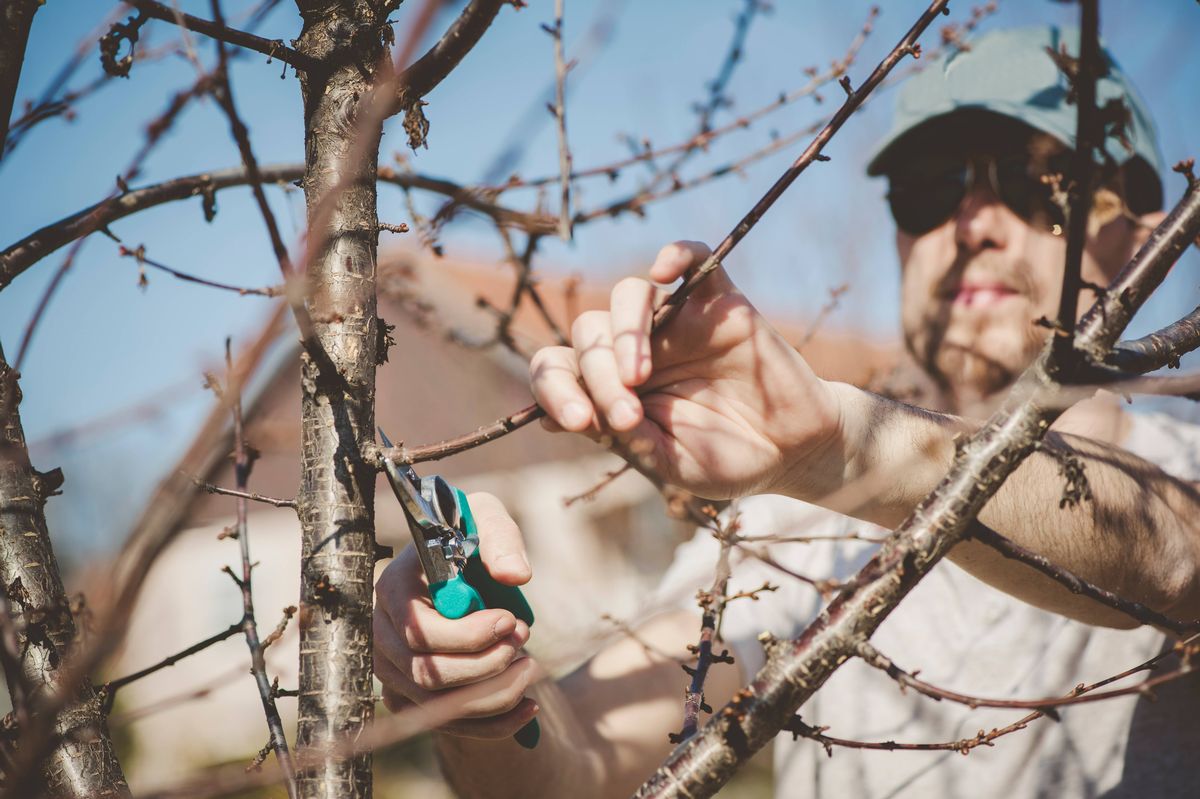 These trees need to be left alone(Image: Emilija Manevska via Getty Images)
Pruning serves a dual purpose: enhancing both a plant’s flowering capacity and your garden’s overall appearance. The timing of pruning is crucial, generally carried out during the plant’s dormant period, though this varies by species.
However, a gardening specialist has warned that certain plants should not be pruned during the winter months. Hamid Ali, an experienced landscape gardener and horticulture specialist at Airtasker, explained: “You should avoid pruning spring-flowering shrubs like forsythia, lilac and flowering currant.
“For example, if you prune them, the sensitive cut part of the plant will be exposed to harsh climate, which would provide unfavourable conditions to grow.
“This could then result in death from cutting it.
“Pruning these plants in winter can remove flower buds that have already formed, reduce or eliminate blooms for the coming spring.”
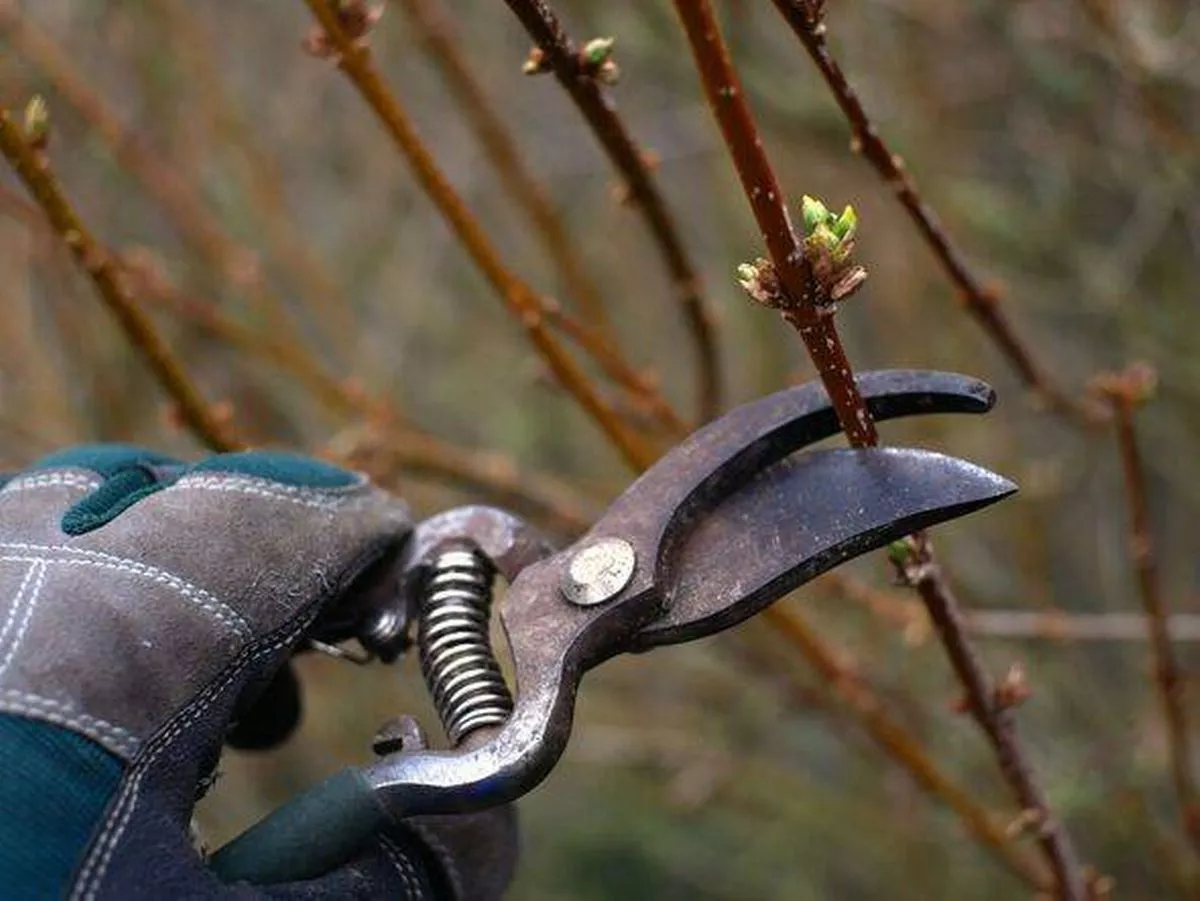 These plants should be left alone(Image: Getty)
Hamid advises waiting until after these plants have flowered, typically in late spring or early summer, before undertaking any pruning work, reports the Express.
The gardening professional also cautioned against pruning evergreens unless absolutely essential, as they’re particularly vulnerable to cold-related damage.
He added: “You can cut back specific plants in winter, but it’s mostly for maintenance and tidying up.”
Appropriate winter tasks include removing dead or damaged growth, particularly on herbaceous perennials or deciduous shrubs such as roses.
Winter pruning is also suitable for dormant trees, including apple, pear or maple varieties, provided temperatures aren’t excessively low, allowing for shaping or the removal of damaged timber.
Gardeners ought to remove deteriorating foliage from plants, including hostas and sedums, to ward off potential diseases.
The specialist observed: “However, avoid cutting back plants that are dormant or those with early spring blooms, like forsythia, to preserve flower buds.”
Additional winter tasks encompass sowing specific seeds for springtime development, aerating lawns and sprucing up patio areas.
Comments are closed.