
This month evokes memories of cold evenings, glowing candles and early garden dreams — the season when hidden growth takes root in soil and soul alike.
Chodesh Tov, it’s the month of Kislev.


Kislev translates to “heart-pocket” and is the Jewish month for darkness and dreaming. The light our Chanukah candles bring serves us in embracing the dark. This month, we give ourselves a chance to slow down and let our hearts’ desires, ideas and even small miracles surface.
Outside in Metro Detroit, the sun hangs low in the sky, the days shorten and the flow of growth in the garden has slowed to a trickle. By mid-afternoon, the garden is already in shadow. There’s a quiet here and, if you listen closely, you can hear the collective exhale of farmers and gardeners across our region and throughout all the Northern Hemisphere’s wintering fields.
This is Kislev, the heart-pocket of the year, where we nestle into resting and dreaming, until we hear the calls of spring.
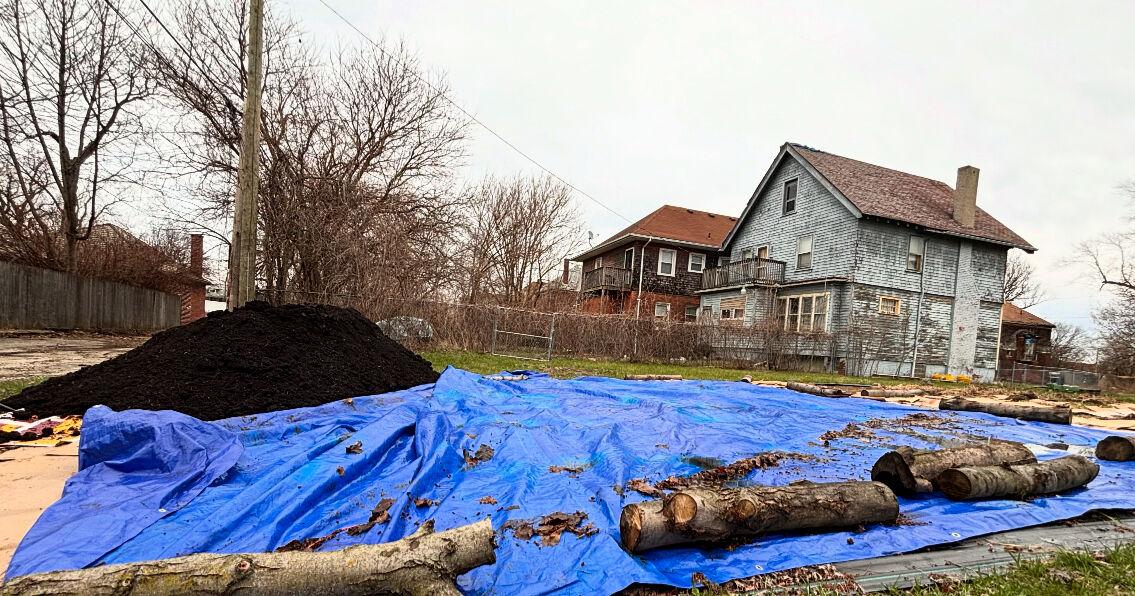
One of my favorite ways to engage in the quiet, dreamy work of this month is laying the groundwork for new beds. As I plan for next year, maybe I will envision expanding my cut flower garden or landscaping a new area in my yard. I can start now and save myself time and heavy labor in the future by smothering grass through the winter with cardboard, tarps or a thick layer of woodchips (four to five inches at least). Months later, by spring, the grass below will be gone, and I can simply aerate, add some compost and get planting. Much easier than starting with digging up sod!
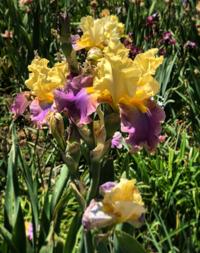
Irises
With the ground not yet entirely frozen, it’s also the perfect time for planting things that need the cold and dormancy of Kislev: bare-root saplings, seeds requiring “cold stratification” and, my favorite, flower bulbs. Planting them is almost too easy, and their seasonal color and delight will return year after year. And delight really is the best word for it. You’ll know the feeling if you’ve ever had a peppering of crocuses pop up across your lawn in the early spring. Or maybe there’s a patch of your favorite tulips, emerging from the same spot year after year, followed closely by daffodils, then irises.
They start simply: Dig a hole where you want them, bury them pointy-end-up and walk away. Let their slow, hidden work do its wonders and go take a nap.
Small, cold-season tasks like these allow nature to do much of the work for us. Just like with miracles, there are forces much larger than ourselves at play, and there’s real magic created when we collaborate with them through our own action. Our efforts in this quieter season may feel dormant and less visible beneath the soil, mulch or snow, but natural forces amplify them and nourish us throughout the growing season in big ways.
As the days remain short and the skies gray, Kislev invites us to mirror this slow, hidden growth in our own lives. It’s a time for reflection, for slowing down, and for paying attention to the important ideas and dreams in the little pockets of our hearts.
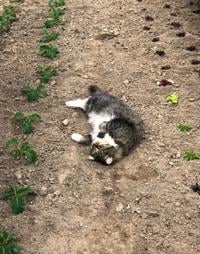
Farm cat taking a break at MSU Student Organic Farm in East Lansing
Jewish sages viewed dreams not as senseless echoes from daily life, but as Divine messages, omens or tools for spiritual reflection. In our busy world, it may feel challenging to rest, take a step back and do what feels easeful. But our tradition knows that when we do, the results that unfold can be some of the most impactful and aligned. This month reminds us that light does not always arrive in fire or blaze; sometimes it’s built one flickering candle at a time.
As Kislev unfolds, may you embrace the rest and potency of this dark, quiet time. And trust that come spring, what you dream up may bloom in miraculous ways.
A Year in Jewish Gardening is a column exploring rhythms of the Hebrew calendar and our region’s agricultural season. Each month, around the new moon, Carly Sugar of Chamomile Gardens shares reflections from forest and field, insights from Jewish tradition, and practical vegetable gardening tips — helping you cultivate a deeper connection to the land and bring the farm-to-table movement to your own backyard. Check out previous months’ submissions on the jewishnews.com.
The Detroit Jewish News has been supported by readers like you since 1942. Support independent, local, Jewish journalism with a donation today.
DONATE
Comments are closed.