
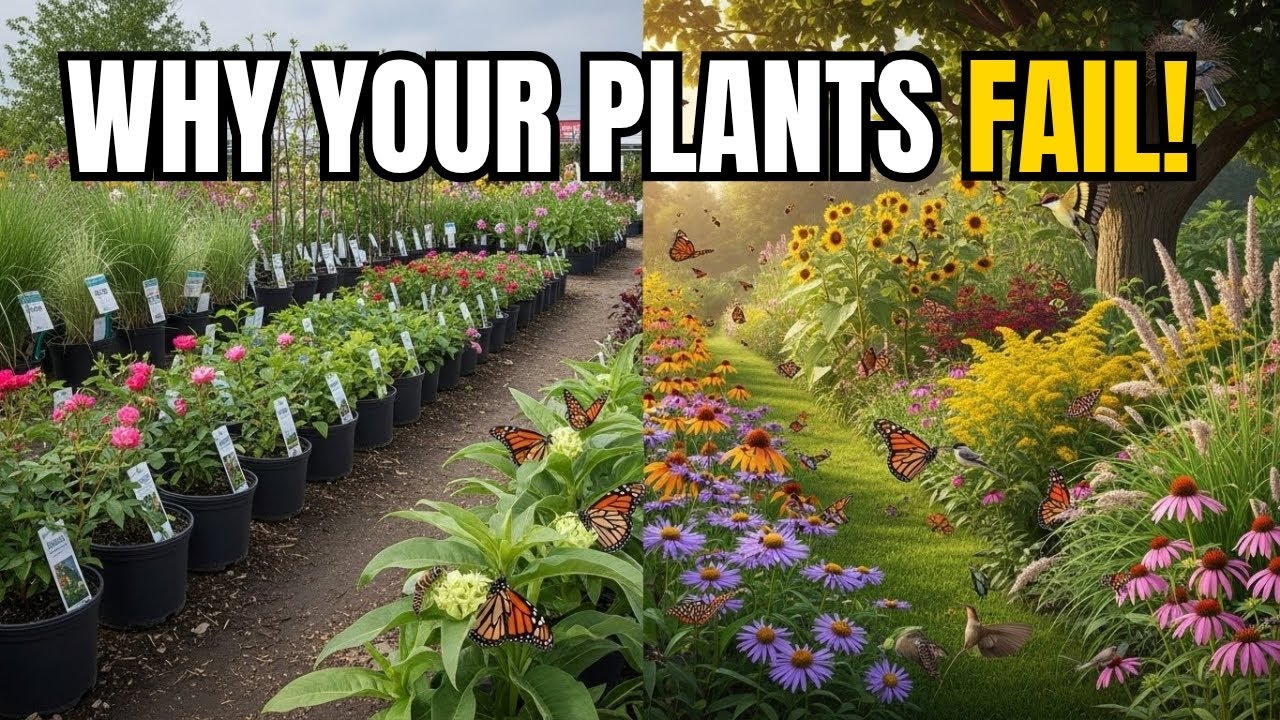
🌿 Welcome to EverGreen Home Living!
Discover the powerful native plants your ancestors grew — and why they outperform modern garden center hybrids in every way. 🌿🐝
In today’s world of imported ornamentals and genetically altered hybrids, we’ve forgotten the plants that naturally support our ecosystems. These native species thrive without fertilizers, pesticides, or excessive watering — while feeding pollinators, birds, and restoring soil health.
In this video, you’ll learn:
The 9 native plants that create real, functioning ecosystems
Why hybrids fail to support wildlife
How native plants restore pollinators, birds, and soil naturally
Which species work best for your region
How to start your own ecosystem restoration garden
Whether you’re a gardener, homesteader, permaculture enthusiast, or someone passionate about sustainability, this video will change how you see plants forever.
🌎 This isn’t just gardening — it’s ecological restoration.
👉 Comment your region and which native plants grow near you
👉 Like & Subscribe for more sustainable living and restoration content
✔ Subscribe for more gardening hacks & plant care tips:
https://www.youtube.com/@EverGreenHomeLiving?sub_confirmation=1
🌱 Grow smarter. Live greener. Save more.#NativePlants
#NativeGardening
#SustainableGarden
#EcoRestoration
#PollinatorGarden
#GrowNative
#RegenerativeGardening
#HomesteadLife
#NatureRestoration
#OrganicGardening
#EarthCare
#EcoFriendlyLiving
#NatureBasedSolutions
#ClimateAction
#ButterflyGarden
native plants, native gardening, sustainable gardening, eco restoration, pollinator garden, monarch butterfly plants, native milkweed, native sunflowers, native asters, native oaks, goldenrod benefits, native coneflowers, native grasses, berry producing shrubs, native woodland plants, restore ecosystem, environment friendly gardening, organic backyard garden, native plant species, hybrid vs native plants, biodiversity gardening, wildlife friendly yard, regenerative gardening, permaculture garden, low maintenance plants, eco yard transformation, gardening for pollinators, monarch butterfly garden, sustainable landscaping, environmental healing, nature based gardening, backyard ecosystem, climate friendly plants, permaculture design, environmental conservation, organic ecosystem garden
Disclaimer:
This content is for educational and awareness purposes only. Always verify native species for your specific region before planting.
Your ancestors grew plants that required no fertilizer, no pesticides, and no constant watering. Meanwhile, you’re spending hundreds on hybrids that struggle to survive and feed nothing but your frustration. Walk through any garden center and you’ll find the same plants everywhere. Japanese maples, knockout roses, Bradford pears, ornamental grasses from China. They’re bred for appearance, shipped from across the world, and sold as easy care, but they’re ecological dead zones. They feed almost no wildlife. They need constant inputs and they’re disconnected from your local ecosystem. Your ancestors didn’t garden this way. They used plants native to their region. Plants that evolved over thousands of years to thrive in local conditions without help. Plants that formed the foundation of functional ecosystems supporting hundreds of species. Today, I’m showing you nine native plants your ancestors grew and why they’re superior to modern hybrids. These aren’t rare or difficult. They’re regionally adapted powerhouses that support local ecology while requiring minimal maintenance. This isn’t just gardening. It’s ecosystem restoration in your own yard. Before we start, comment your region and whether you grow any natives. Let’s see how many people are already restoring their local ecosystems. And if you care about functional, sustainable gardening that actually supports wildlife, hit subscribe. This channel goes beyond pretty plants to ecological impact. Let’s start with a native plant. your great-grandparents grew that feeds more life than any hybrid ever could. Plant number one, native milkweed species. Native milkweed, the monarch’s lifeline. Your ancestors grew milkweed in their gardens, not as ornamental, as necessity. They understood it fed monarchs and countless other species. Why native milkeed matters? Monarch butterflies require milkweed. It’s the only plant their caterpillars can eat. But not all milkweed is equal. Native species evolved with monarchs over millennia. They bloom at right times, contain proper compounds, and support complete monarch life cycle. Garden centers sell tropical milkweed year round. Seems helpful. It’s actually problematic. Tropical milkweed doesn’t die back in winter, disrupting migration patterns. It harbors parasites that harm monarchs. Native milkweed dies back naturally supporting healthy populations. Native species by region. Northeast Midwest. Common milkweed eskeleipia sriyaka swamp milkweed a incarnatada. Southeast butterfly weed a tuberosa white milkweed a variagata. Southwest antelope horn a asparola. Desert milkweed a subilada. West Coast showy milkweed a speciosa narrowleaf milkweed a facicicularis beyond monarchs native milkeed supports 450 plus insect species bees beetles wasps flies all feed on flowers these insects feed birds creating cascading ecological benefits growing requirements full sun well- drained soil once established drought tolerant no fertilizer needed no pest control required Plant once, enjoy for decades. Hybrid alternative fails. Ornamental milkweed cultivars often have reduced nectar, altered bloom times, or attract fewer beneficial insects. Native species outperform dramatically. Getting started. Buy native species suited to your region. Plant in spring. Water first season. Ignore thereafter. Watch monarchs arrive. Plant number two. Native sunflowers. Native sunflowers. Wildlife feeding stations. Your ancestors grew native sunflowers throughout their gardens, not the massive hybrid heads you see at fairs, the original species that fed birds and people. Why native sunflowers are superior. Hybrid sunflowers are bred for massive single heads on short plants. Looks impressive. Terrible for wildlife. One head, one harvest, done. Native sunflowers grow tall with multiple smaller heads producing continuously. Each plant feeds wildlife for months, not weeks. Native species and benefits. Maxmillian sunflower helanthis maximani. 8t tall, blooms late summer into fall when food is scarce. Hundreds of flowers per plant support 73 specialist bee species. Jerusalem artichoke. Htuberosis. Edible tubers your ancestors harvested. Prolific flowers. Naturalizes easily. Provides food for humans and wildlife. Woodland sunflower. H. Dearicatus. Shade tolerant. Perfect for forest edges. Your ancestors gardened. Wildlife supported. Goldfinches, chickades, nuthatches, junkos feed on seeds. Native bees specialize to sunflower pollen. Caterpillars of 73 moth and butterfly species feed on foliage versus hybrids. Garden center sunflowers support almost nothing. Bred for sterile flowers, reduced pollen, or altered chemistry that discourages insects. They’re ecological blanks. Growing requirements: full sun, any soil. Once established, never water, no fertilizer. Cut back in late winter. They returned stronger each year. Harvest. Your ancestors let most seeds feed birds, but harvested some for their own food. You can, too. Native sunflower seeds are smaller, but flavorful and nutritious. Getting started. Plant native sunflower species in fall or early spring. Space 3 ft apart. Stand back and watch the wildlife arrive. Plant number three, native aers. Native aers fall lifelines. Walk through any garden center in fall and it’s all ornamental mums. Colorful, sure. Ecologically worthless. Your ancestors grew native aers instead. Why aers matter? Late season pollinators desperately need food before winter. Native aers bloom August through October, providing critical nectar when little else flowers. Ornamental mums from Asia bloom at the same time. Zero value to native pollinators. Wrong flower shape. Minimal nectar or nectar chemistry. Native insects can’t use. Native aster species. New England aster symphotricum novi anglier 4 to 6 feet tall. Brilliant purple blooms supports over 100 specialist bee species. Aromatic aster s oblangjapogium drought tolerant spreads beautifully. Lavender flowers beloved by monarchs preparing for migration. Heath aster s arericcoides small white flowers massive abundance supports late season butterflies. Ecological impact. One native aster plant supports more pollinator species than an entire yard of ornamental mums. Research proves this dramatically. Beyond pollinators, seeds feed overwintering birds. Dense growth provides shelter. Native aers create habitat while ornamental mums create nothing. Growing requirements: full sun to part shade, any soil, drought tolerant once established, cut back in spring. They return bigger each year, zero maintenance otherwise. The mum problem. Commercial mums are treated with neonicotenoid pesticides that kill bees. They’re literally poisonous decorations marketed as pollinator plants. Getting started. Replace fall mums with native aers. Plant in spring for fall bloom or plant in fall for even better establishment. Your local pollinators will thank you. Plant number four, native oaks. Native oaks. Keystone species. Your ancestors understood. Your ancestors planted oaks not for shade alone because they understood oaks are life support systems. Why oaks are irreplaceable? Doug Talamy’s research proves native oaks support more life than any other plant genus in North America. One oak tree supports 897 species of moths and butterflies. Those caterpillars feed baby birds. Without caterpillars, birds can’t raise young. Garden center ornamental trees. Most support fewer than 50 species. Some support under five. They’re green sculptures, not functional ecosystem components. Native oak species by region. Northeast, white oak, quirkus alba, red oak, q rubra, black oak, qvelutina. Southeast, live oak, q, Virginiaiana, southern red oak, q, falcata, water oak, q, Midwest bur oak Q macrocarpa pin oak Q pelustrous west valley oak Q Labata Oregon white oak Q garyana complete ecosystem impact acorns feed deer squirrels jays turkeys bears flowers provide early nectar bark hosts lychans and mosses dead wood supports beetles and fungi a single mature oak is an entire ecosystem versus ornamental imports Bradford pears, Japanese maples, crepe myrtles support almost nothing. They’re biological deserts. Your ancestors knew better. Growing requirements: plant when young, minimal care first few years, then completely self-sufficient for centuries. Oaks are investments that pay ecological dividends for generations. The time investment. Oaks grow slowly. This deters modern gardeners. Your ancestors thought in generations. They planted for children and grandchildren. That’s how ecosystems are restored. Getting started. Plant native oak species suited to your region. Protect from deer when young. Water first 2 years. Then watch it become the most valuable plant in your entire landscape. Four native plants that create actual functioning ecosystems versus sterile hybrids that do nothing. If this is changing how you think about plant choices, hit that like button. Five more ecosystem builders coming up. Plant number five, native golden rod. Native golden rod. Misunderstood fall champion. Your ancestors grew golden rod deliberately. Modern gardeners avoid it thinking it causes allergies. This myth devastated native plant gardening. The allergy myth debunked. Golden rod doesn’t cause allergies. Ragweed blooms simultaneously and produces airborne pollen. Golden rod has heavy sticky pollen carried by insects, not wind. It’s physically impossible to be allergic to golden rod from pollen. This myth was promoted by chemical companies selling lawn care products. Golden rod became enemy of perfect lawns. Ecological disaster ensued. Why golden rod matters? Over 100 native bee species require golden rod pollen. Late season nectar source is critical for bees preparing for winter. Monarch butterflies fuel southern migration with golden rod nectar. Native species stiff golden rod solidago rigida. Drought tolerant showy flat topped blooms. Rough stemmed golden rod s rugosa. Adaptable spreads well. Gray golden rod s nemerales poor soil specialist zigzag golden rod S2023 flexololis shade tolerant woodland species ecological services supports 115 specialized bee species 31 moth and butterfly species seeds feed birds through winter creates habitat for beneficial insects versus ornamental substitutes Garden centers sell ornamental grasses and exotic aers as fall color. None provide golden rods ecological function. Substitutes fail entirely. Growing requirements. Full sun to part shade. Any soil including poor, drought tolerant, zero maintenance. Cut back in spring. Divide every few years if desired. Getting started. Stop removing golden rod if it volunteers. Plant additional species if needed. Watch your fall garden come alive. Plant number six, native cone flowers. Native cone flowers. Before they were hybridized. Your ancestors grew straight species purple cone flour. Then plantreeders got involved. Now garden centers sell 50 cultivars that barely function ecologically. The hybridization problem. Modern coneflower cultivars have double flowers, altered colors, reduced nectar, or sterile seeds. They look interesting. They’re ecologically worthless. Research shows native insects prefer native cone flour by overwhelming margins. Give them choice between fancy cultivar and straight species. They choose straight species every time. Native species value. Purple cone flour. Akinosia perpia supports native bees, butterflies. Seeds feed goldfinches all winter. Roots have medicinal properties your ancestors used. Pale purple cone flour e pala. Drought tolerant supports specialist bees. Drought tolerant supports specialist bees. Yellow cone flour E2 palada. Drought tolerant paradoxa. Unique color different bloom time. What cultivars lack? Double flowers eliminate nectar access. Altered flower shapes discourage pollinators. Sterile varieties produce no seeds for birds. Some cultivars revert to weak plants within years. Growing requirements: full sun, well- drained soil, drought tolerant once established. No deadheading required. Leave seed heads for birds. Zero fertilizer. Zero pesticides. Getting started. Seek out straight species native cone flowers. Avoid cultivars with fancy names and altered appearances. Plant in groups of three to five. Watch goldfinches arrive in fall. Plant number seven, native grasses. Native grasses. The forgotten foundation. Your ancestors landscapes included native grasses, not lawns. diverse native grasses that fed wildlife and prevented erosion. Why native grasses matter? They co-evolved with native herbivores, seeding birds, and ground nesting species. They provide food, nesting material, and shelter. They build deep roots that sequester carbon and prevent erosion. Ornamental grasses from Asia look attractive but serve almost no ecological function. They’re decorative, sterile substitutes. Native species by region. Eastern, little blue stem, skitsicarium scaparium, switchgrass, panacum, vatum, Indian grass, sorghastramm, newans. Prairie regions big blue stem andropagon gerardi side oats gramma budalua certipendula western blue gramma budalua graasilus Idaho fescue fuka Idahoensis wildlife supported seeds feed 100 plus bird species through winter grasses provide nesting material and cover roots support soil food webs complete ecosystem services versus ornamental imports Missanthus, fountain grass, pampas grass feed nothing. Their ecological zeros marketed as lowmaintenance. Growing requirements, full sun, minimal water once established, cut back once annually in late winter. No fertilizer, no pesticides. Plant once, benefit forever. Getting started. Replace ornamental grasses with native species or create native grass meadow areas. Reduce lawn. Increase native grasses. Your local birds will reward you. Plant number eight. Native berry producing shrubs. Native berry. Shrubs is wildlife feeding stations. Your ancestors understood shrubs were food sources. They chose species producing berries for humans and wildlife. Why native berry shrubs are essential? Fruit eating birds require berries for migration and overwinter survival. Native shrubs produce berries timed with bird migration. Berry chemistry matches what native birds need. Top native berry shrubs. Elderberry sambicus canadensis produces June berries feeding 120 plus bird species. Humans harvest for jams and wine. Supports ecosystem while providing human food. Service berry, amalanche species. Early berries feed spring migrants. Humans eat them, too. Your ancestors made pies. Beautiful spring flowers support early bees. Viburnums, native species. Multiple species with different berry timing. Feed birds spring through winter. Summer evergreen providing yearround cover. Winter berry holly. Alex vertilada. Brilliant red berries last all winter feeding robins and cedar wax wings. When food is scarce versus ornamental shrubs, garden centers sell exotic burning bush, nandina, barberry. These produce berries birds can’t digest or avoid entirely. They’re ornamental zeros. Growing requirements. Native berry shrubs require minimal care. Plant in appropriate sun exposure for species. Water first year. Prune minimally. Watch birds feast. Bonus. Many produce edible berries for humans, too. Your ancestors harvested from same plants feeding wildlife. Getting started. Replace at least one ornamental shrub with native berry producing species. Plant in groupings for maximum berry production and bird attraction. Plant number nine. Native woodland plants. Native woodland plants. Forgotten shade solutions. Your ancestors didn’t have hostas. They used native woodland plants that evolved in shaded forest understories for thousands of years. Why native woodland plants matter? They fill the shade niche with species supporting local ecology. They provide early spring nectar when pollinators first emerge. They’re adapted to local moisture and soil conditions. Top native woodland species. Wild ginger. Asarum canadence. Ground cover supporting specialized pollinators. Your ancestors used roots as ginger substitute. Bloodroot sanguinia canadensis. Early spring ephemeral providing first nectar of season. Goes dormant after flowering. Trillium species. Iconic spring wild flowers. Slow growing but worth the investment. Support early season bees. Virginia blue bells. Merenzia vica. Blue flowers. Beloved by early bumblebees goes dormant by summer. Wild coline aqualia canadensis feeds hummingbirds and native bees self sews once established versus hostas and periwinkle. These Asian imports support almost nothing. They’re sterile green fillers. Native woodland plants create spring food webs sustaining entire ecosystems. Growing requirements shade to part shade. Organic rich soil mimicking forest floor. Mulch with leaves otherwise completely self-sufficient. Understanding ephemerals. Many natives go dormant after spring bloom. This confuses modern gardeners. Your ancestors understood this natural cycle. They interplanted species with staggered dormcancy. Getting started. Replace hostas with native alternatives. Create woodland garden areas under trees. Plant spring ephemerals in groups for impact. Why natives outperform hybrids? The science behind native superiority. Understanding why natives outperform hybrids helps you make better choices. Reason one, regional adaptation. Natives evolved in your specific climate over millennia. They’re adapted to local rainfall, temperature extremes, soil chemistry, and seasonal patterns. This means zero inputs needed once established. Hybrids are bred in controlled conditions for appearance. They require constant help to survive outside their comfort zone. Reason two, co-evolved relationships. Native plants evolved alongside native insects for millions of years. Plant chemistry matches what native insects can digest. Flower structures fit native pollinator mouth parts. Bloom timing matches insect emergence. Hybrids break these relationships. Altered chemistry means insects can’t feed. Changed flower shapes exclude pollinators. Wrong bloom times miss insect activity. Reason three, complete ecosystems. Native plants support complex food webs. Insects feed on natives. Birds feed on insects. Predators feed on birds. Entire ecosystems build on native plant foundations. Hybrids support nothing. Without insects, no birds. Without birds, no ecosystem. gardens become sterile green deserts. Reason four, genetic diversity. Native populations maintain genetic diversity, allowing adaptation to changing conditions. They’re resilient. Hybrids are genetically uniform clones. Disease or pest adapted to one affects all. They’re vulnerable. Reason five, maintenance requirements. Natives require zero fertilizer, minimal water, no pesticides once established. They’re adapted to thrive with what nature provides. Hybrids need constant inputs, fertilizer, irrigation, pest control. They’re expensive and timeconuming. Reason six, longevity. Natives live for decades or centuries with zero care. They’re permanent landscape investments. Many hybrids decline within years or require constant replacement. their temporary features. Reason seven, ecosystem services. Natives clean water, prevent erosion, sequester carbon, cool cities, support pollinators, feed wildlife. They provide measurable environmental benefits. Hybrids provide only appearance, no functional benefits. They’re cosmetic. The bottom line, natives work with nature. Hybrids fight nature. Your ancestors understood this intuitively. Modern gardeners are relearning this wisdom. Nine native plants that create functioning ecosystems versus hybrids that create nothing but work. What native plants grow in your region? Drop your location in comments. Let’s build regional native plant community. Stay subscribed. Restoration strategies coming next. Getting started with natives. Your native plant action plan. Ready to restore your local ecosystem. Here’s your practical starting plan. Step one, identify your region. Understand your eco region. Native plants vary dramatically by area. What’s native to Georgia isn’t native to Oregon. Resources: Native Plant Society chapters, local extension offices, native plant nurseries. Step two, assess your conditions. Observe your yard. Note sun exposure, soil moisture, soil type. Match natives to existing conditions rather than modifying conditions for plants. Natives succeed because they’re adapted to conditions you already have. Step three, start small. Don’t overwhelm yourself. Replace one ornamental bed with natives first year. Expand annually. This builds knowledge and confidence. Your ancestors didn’t landscape overnight. Neither should you. Step four, source regionally. Buy from native plant nurseries using local genetic stock. Avoid big box stores selling natives from other regions. Genetics matter. Many native plant societies host plant sales with verified local genetics. Step five, prepare minimally. Natives don’t need perfect soil. Remove existing plants. Add compost. Plant. Don’t over amend. Natives thrive in average conditions. Step six, plant properly. Plant native plugs or small pots in spring or fall. Water regularly first season while establishing. Second season, water occasionally. Third season, never water. Step seven, mulch with leaves. Forget shredded bark. Use fallen leaves as mulch. This mimics forest floor, feeds soil biology, and supports overwintering insects. Your ancestors never bought mulch. Neither should you. Step eight, reduce lawn. Lawns are ecological deserts. Replace lawn sections with native plantings gradually. Start with shaded areas where grass struggles anyway. Step nine, eliminate chemicals. Natives don’t need fertilizer or pesticides. Eliminate these completely. Chemicals harm the very ecosystem natives support. Step 10. Be patient. Native gardens take three years to establish. First year they sleep. Second year they creep. Third year they leap. Don’t judge too quickly. Year 1 results. Modest growth. Establishment below ground. Some flowers beginning wildlife interest. Year two results. Faster growth. More flowers. Seeds produced. Wildlife increases noticeably. Year three results. Vigorous growth, abundant flowers, maximum wildlife, garden self- sustains. Common mistakes to avoid. Buying non-native cultivars marketed as native alternatives. Planting too densely, overwatering established plants, using chemicals, expecting instant results, removing leaf litter. The investment initial cost is similar to conventional landscaping. Long-term cost is dramatically lower. Zero ongoing inputs. Ecological benefits are immeasurable. You’re restoring local ecosystems one yard at a time. The bigger picture. Why individual gardens matter. You might think one yard can’t make a difference. You’re wrong. The fragmentation problem. Development fragmented natural habitats into isolated patches. Wildlife populations declined because isolated patches can’t sustain populations. But residential landscapes cover massive acreage. If converted to native plantings, they create habitat corridors connecting fragmented natural areas. The math. Residential landscapes in the US cover 40 million acres. Converting even 25% to native plants creates 10 million acres of habitat. That’s larger than many states. Your yard is a pixel in a larger picture. Collectively, residential landscapes can restore regional ecosystems. The cascade effect. Native plants in your yard support insects. Insects support birds. Birds distribute seeds, creating new native plant patches. Your restoration work spreads. Neighborhood effect. When neighbors see your native garden supporting wildlife, many convert their own landscapes. One native garden becomes five, then 20. The cultural shift. Your ancestors grew natives because that’s what was available and what worked. Then commercial horiculture promoted exotics as superior. We’re reversing that mistake. Native plant gardening is fastest growing horicultural trend. You’re part of cultural shift toward ecological function. Climate resilience. Climate change stresses all plants. Natives with deep roots and regional adaptation show greater climate resilience than hybrids bred for specific conditions. Restoring native plants increases landscape resilience to climate extremes, the personal reward. Beyond ecological benefits, native gardens provide something hybrids can’t. Connection to place. You’re growing what belongs, what evolved here, what sustained humans and wildlife for millennia. That connection is profound. the legacy. Your ancestors planted oaks for grandchildren. You’re restoring ecosystems for future generations. Both thought beyond themselves. That’s how lasting change happens. And there you have it. Nine native plants your ancestors grew and why they’re superior to every hybrid in any garden center. From milkweed and sunflowers to oaks and woodland plants, these natives create functioning ecosystems while requiring minimal care. They support hundreds of species. They adapt to local conditions. They restore what development destroyed. Your ancestors understood this intuitively. They chose plants that worked with nature, not against it. They created productive landscapes supporting both human needs and local ecosystems. We can do the same. We must do the same. Every yard converted to native plants makes a difference. Every ornamental hybrid replaced with a native species restores a piece of fractured ecosystem. Collectively, we can restore regional biodiversity one garden at a time. This isn’t just gardening. It’s activism. It’s restoration. It’s leaving the world better than you found it. Here’s what to do right now. First, hit that like button if you’re ready to replace at least one hybrid with a native species. That’s how movements start. One person, one plant, one yard at a time. Second, leave a comment sharing your region and one native plant you’re committing to grow. Let’s build a community of ecosystem restorers. Third, share this video with your neighbors. Habitat corridors work best when entire neighborhoods participate. Spread the knowledge. Fourth, subscribe to this channel and turn on notifications. I share ecological gardening approaches that create real environmental impact, not just pretty pictures. Next week, I’m covering how to eliminate your lawn entirely and replace it with native plants. Complete transformation strategies from start to finish. Thanks for watching. Now go identify native plants for your region, find local sources, and start your restoration journey. Your ancestors planted what belonged, what thrived without help, what fed the ecosystem. You can, too. You should, too. Stop buying hybrids from halfway around the world that feed nothing and need constant help. Start growing natives that belong, thrive, and restore. Your local ecosystem is waiting for you to remember what your ancestors knew. Happy restoring.
1 Comment
This was very informative and gave correct information . You have earned a like and subscription . zone 7b