


LONDON, ENGLAND – MAY 20: Alan Titchmarsh attends The RHS Chelsea Flower Show at Royal Hospital Chelsea on May 20, 2024 in London, England. All the main garden categories return to the Royal Hospital Chelsea this year. The Show Gardens along Main Avenue, Sanctuary and Feature Gardens explore themes through horticulture, while the All About Plants area in the Floral Marquee focuses on planting. This year is billed as the most sustainable to date. (Photo by Jeff Spicer/Getty Images) (Image: Jeff Spicer, Getty Images)
The British winter tends to be rather a dull period, with very little in the way of excitement in our gardens. But Alan Titchmarsh says that that, with a little careful planning, you can cultivate a variety of winter-blooming plants that will deliver “little splashes of colour” right through until spring.
On his own YouTube channel, Alan’s compiled a catalogue of five absolute winter winners, alongside a pair of suggestions from his personal garden – one of which, he confesses, can be somewhat “divisive.”
Alan also cheekily suggested one winter colour option that he wouldn’t tolerate anywhere near his own plot.
Examining an ornamental kale, he remarked: “I know some people like them. And I hate to be unkind to any plant, but it’s a bit of a weirdo, isn’t it? Plant it if you like it, just don’t bring it anywhere near my garden!”
So here are Alan’s premier five choices for winter colour.
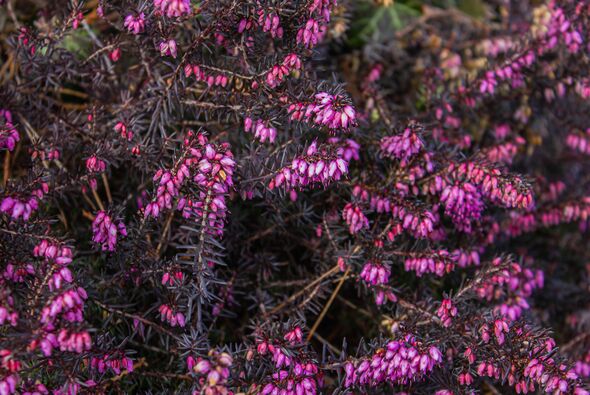
Beautiful evergreen heather Erica carnea (spring alpine heath) purple Flowers. Flowering Erica carnea pink ornamental plant, background. (Image: Albina Soleikina via Getty Images)
Read more: Alan Titchmarsh says if you want an great spring garden ‘plant these bulbs now’
Read more: Alan Titchmarsh names five plants he ‘simply can’t ever grow’ in his garden
Winter-flowering heather
A blanket of vibrant heather is precisely what’s needed to enliven a winter garden, according to Alan. Endorsing the “Beauty Queen” variety, he notes: “Plant them 18 inches apart, and they’ll eventually make a thick rug.”
Flourishing brilliantly in acidic soil, the heath will also appear stunning in a container, if your flower-bed space is limited.
Should your soil be heavy clay, make it more welcoming for your heather by enriching it with lime-free ericaceous compost.
It usually flowers from January to April, illuminating the gloomiest months of the year.
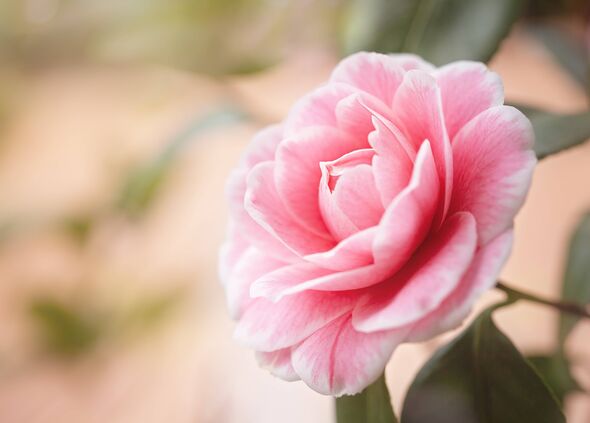
A pink Camellia flower (Image: Cris Cantón via Getty Images)Camellias
Another winter standout, camellias are glossy-leaved evergreens, with typically white, pink or red flowers.
Alan recommends the Yuletide variety, which as its name suggest does well in the colder months, or for a whiff of winter fragrance try sasanqua.
Camellias like woodland and acidic soils. Try to find a spot that’s sheltered from cold, dry winds and early morning sun – buds and flowers may be damaged by chilly winds winds and late frosts.
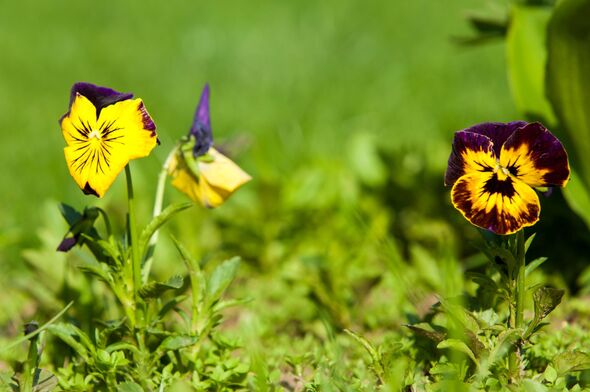
Pansy flowers. a popular cultivated viola with flowers in rich colours (Image: TatyanaMishchenko via Getty Images)Winter-flowering pansy
Whilst they lost favour somewhat previously, partly due to over-exposure, pansies are making a subtle comeback amongst garden designers.
Alan explains: “There are lots of summer-flowering pansies that tend to go to sleep in winter, but those that are bred to flower through the winter really are cheery.
“There are lots of them. Just check they are winter flowering ones. They’re that bit tougher and these will carry on flowering right the way through the spring.”
They will genuinely brighten up a border in a sunny location, or even in dappled shade, he says. However, they needn’t be planted in a bed at all.
Alana adds: “Better still in a container where you can plant them and have them close to the house so that every time you come in and out you see these cheerful faces smiling at you.”
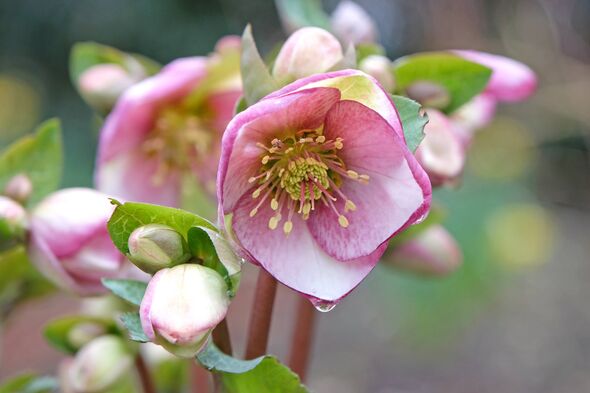
Pink and cream Helleborus hybridus (Image: Alex Manders via Getty Images)Hellebore
Alan’s premier recommendation is the hellebore – they’re classic plants for winter interest, although you’ll need to keep an eye on them as they can be ravaged by slugs and snails. These perennials boast an extended flowering season, continuing well into spring and they’ll perform remarkably well in more shaded areas.
They’re a genuine garden standout. Alan continues: “You can find flowers now that are pure white, pale yellow, green, crimson, spotted, dark purple. So many variations.”
Hellebores tolerate a broad range of soil conditions, he adds, and thrive in dappled shade beneath and around trees and shrubs.
“They’ll flower in their various forms right the way through from the end of one year to the beginning of the next,” says Alan, making them the perfect source of winter colour in your garden.
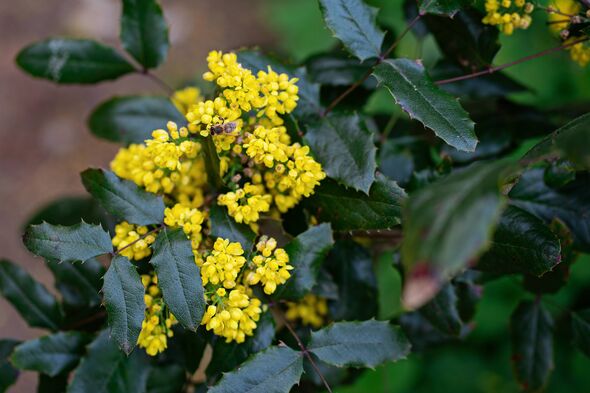
Bee collecting nectar from yellow mahonia flowers (Image: Volha Salavarava via Getty Images)Mahonia
Alan also highlights one final selection which, he says, can be somewhat divisive. He says Mahonia is a plant “which divides opinion but which I love in winter”.
Displaying a variety called Winter Sun, he says it’s “quite tall and angular,” with a “fountain of flowers’ blooming from the top.
“If you examine them closely, each one is almost like a tiny daffodil flower,” Alan points out.
The drawback of mahonia is that it can be rather prickly, meaning that whilst it does possess a delightful fragrance, you’re risking injury if you venture close enough to catch a scent. Alan’s final piece of advice is to be brave with pruning: “When it starts to get too tall, when the flowers are finished in spring, take your secateurs or your loppers to it and cut it back quite dramatically just above one of these lower leaves. It will sprout and branch and turn into a much more shapely shrub.”
Comments are closed.