
 Ramona Jones
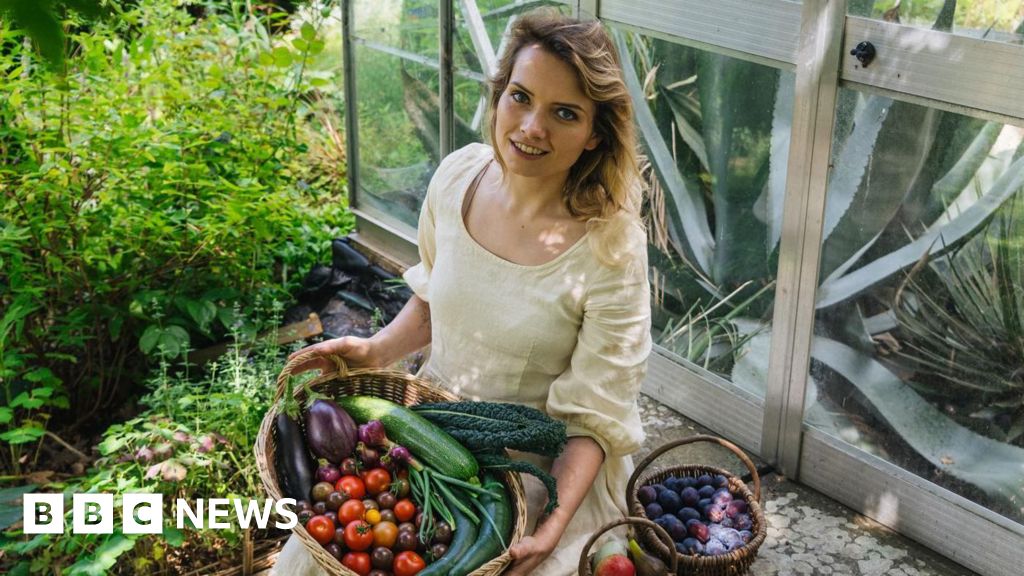
Ramona Jones shares videos from her bountiful cottage garden in Somerset
The stress of being a social media influencer can put significant pressure on mental health, a study has revealed.
Influencers struggle with work-life balance and commercial pressures, as well as negative comments and the strain of appearing to be authentic, said researchers from the University of the West of England (UWE).
Content creator Ramona Jones, 32, from Somerset, said she had to create strict work-life boundaries to stop certain comments from affecting her.
She said: “Now that I’ve got these boundaries in place, its better, but I don’t think anyone can develop a thick enough skin to cope with some of the nasty comments that you do always get in this kind of work.”
Ms Jones runs an account named “monalogue” on Instagram which was set up in 2013 and now has more than one million followers.
It features artfully shot videos of Ms Jones’ lush cottage garden with her runner ducks, as well as travel tips and videos featuring the picturesque Somerset countryside.
She said: “In the early days, it was quite tricky where my identity and work personas were intertwined.
“So if I had difficult comments on social media, it was hard to tease them apart from your self-worth.
“I would love for people to stop seeing content creators as a scapegoat for their stresses and their fears, and start seeing us as creative people who are wearing a lot of different hats and working hard.”
‘Exploitative behaviour’
Ms Jones said financial pressures can cause a lot of stress – for example, when big brands wait months to pay creators.
She added that new creators who become viral quickly would benefit from a guidebook on contracts as they are vulnerable to the exploitative behaviour of big brands.
“There is a massive proportion of [creators] who have autism or ADHD,” she said. “And I think the reason they’ve gone into this work is because they don’t necessarily fit into the standard working model, and in this place, they’ve found somewhere safe.
“Their skill set’s really good for this kind of work, but it also means that group of people are really, really vulnerable.”
 Ramona Jones
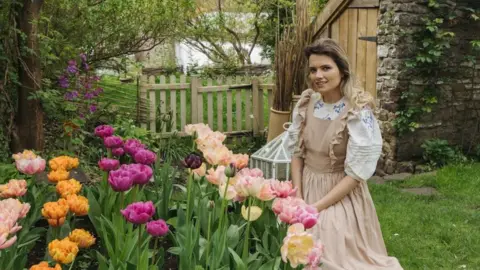
Ramona says more should be done to guide new influencers through the industry
A team of academics now plans to carry out a wider survey of influencers, following the study of ten content creators.
Dr Moya Lerigo-Sampson, who led the research at UWE, said: “We’re really hoping to create recommendations for people who work in those roles, either as individuals, but also for marketing agencies, and brands themselves.”
She said the findings could inform policy too.
“People in these roles, they don’t have a line manager, they don’t have peers or colleagues to support them, or a HR department,” she said. “They are all navigating that kind of stuff themselves.
“We want to make recommendations that would try to improve the day-to-day working environment.”
Comments are closed.