
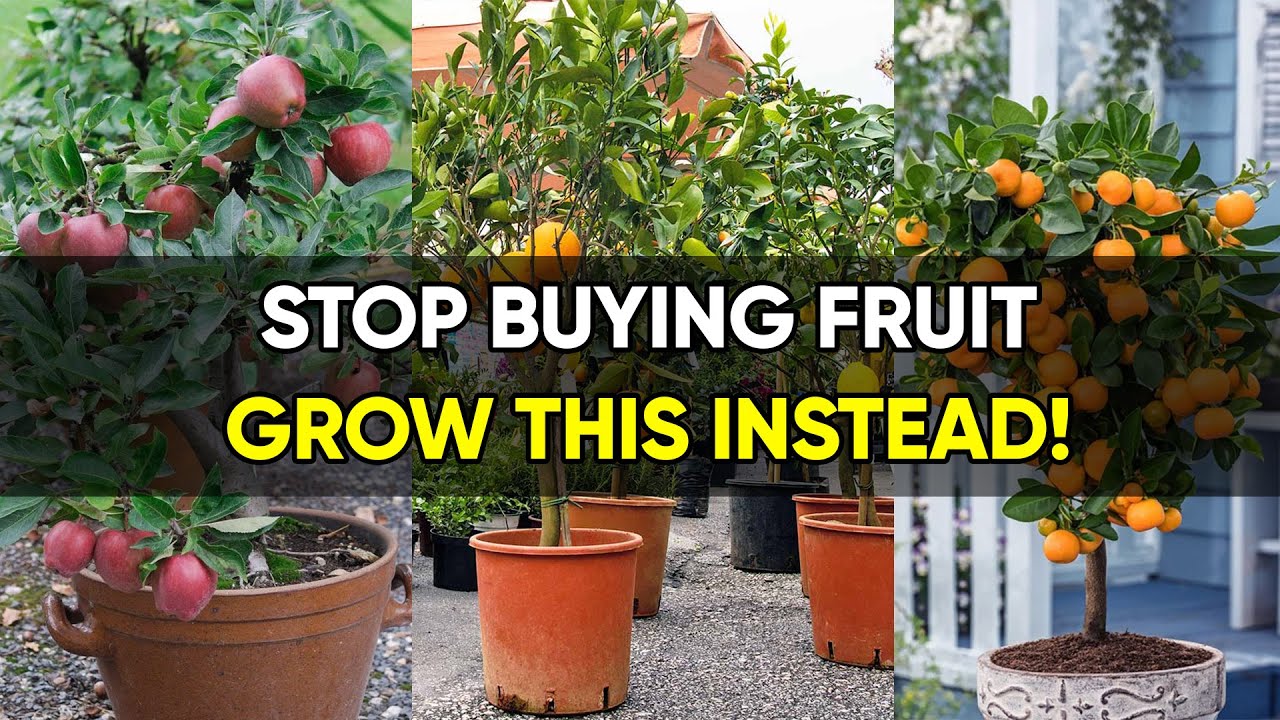
Think you need a big yard to grow fruit trees? 🍏 Think again! In this video, we’re revealing 10 incredible fruit trees that thrive in pots and small spaces — from juicy dwarf apples and peaches to fragrant Meyer lemons and exotic figs. 🌿
Whether you have a tiny patio, balcony, or compact backyard, these container-friendly fruit trees will fill your space with color, fragrance, and delicious homegrown harvests. 🍑🍋
You’ll learn:
🌱 The best dwarf and patio-friendly varieties
☀️ How to care for them in pots year-round
🍓 Tips for watering, feeding, and pruning for maximum fruiting
These trees aren’t just practical — they’re beautiful too! Perfect for anyone who wants fresh fruit without a big garden.
👉 Watch till the end for bonus tips on creating your own mini fruit orchard in containers!
fruit trees in pots, dwarf fruit trees, container fruit trees, best fruit trees for small spaces, patio orchard, balcony gardening, potted fruit trees, urban gardening, Meyer lemon, dwarf apple, fig tree in container, grow your own fruit, small garden ideas, container gardening, fruit tree care
#FruitTrees #ContainerGardening #UrbanGarden
Imagine stepping out onto your balcony, patio, or small backyard and picking a handful of fresh, juicy fruit, straight from your own tree. No big yard, no orchard, no fancy greenhouse. Just beautiful, productive fruit trees growing right in containers. Sounds impossible. Think again. You don’t need acres of land to grow your own fruit. With the right varieties, a few large pots, and a little care, you can grow apples, peaches, lemons, figs, even cherries in the smallest of spaces. In today’s video, we’re counting down eight incredible fruit trees that thrive in pots in small spaces. Perfect for patios, balconies, courtyards, or even sunny windows. These trees are compact, productive, and beautiful year round. Proof that you can have your own mini orchard no matter where you live. So, grab your gardening gloves because by the end of this video, you’ll know exactly which fruit trees to grow, how to care for them, and how to keep them healthy and thriving in containers. Let’s get started. One, dwarf apple trees, the classic in many form. Let’s start with the timeless favorite, apples. There’s just something magical about plucking a crisp, juicy apple straight from your own tree. And the best part, you don’t need an orchard to do it. Modern dwarf and columner apple trees are absolute game changers for container gardeners. These compact powerhouses can thrive in pots, patios, or even balconies, bringing all the flavor and fragrance of a full-sized tree in a tiny package. Varieties like Golden Sentinel, North Pole, Honey Crisp, and Pixie Crunch have been specially bred to stay small, around 5 to 8 ft tall, while still producing generous harvests of full-sized apples. To get started, choose a large pot at least 20 in wide and deep with excellent drainage holes. Apple roots don’t like sitting in soggy soil. Fill it with a premium quality potting mix enriched with compost or well-rotted manure. Apples love full sun. Give them at least 6 to 8 hours of sunlight daily. A sunny balcony, driveway, or backyard corner works perfectly. Now, here’s an important tip. Most apple trees need cross-pollination, meaning you’ll get better fruit if you grow two compatible varieties side by side. But if you’re too tight on space, no worries. Go for self-pollinating types like Golden Delicious, Liberty, or Fuji. Water regularly, especially during the growing season, keeping the soil slightly moist but never soaked. In early spring, feed with a balanced organic fruit tree fertilizer. Then again in midsummer to support fruing. When it comes to pruning, think of it as sculpting your tree. Remove crossing branches, thin out dense growth, and shape it to allow sunlight to reach all sides. This not only keeps it compact, but also encourages healthier fruit. And let’s not forget the show. Apple trees are stunning when they bloom. In spring, delicate pink and white blossoms burst open, filling the air with a soft, sweet fragrance. It’s like having your own miniature orchard right outside your door. Then, as summer rolls into autumn, those blossoms transform into shiny red, green, or golden fruits. You can pick them fresh for snacks, pies, or cider. All from a tree growing just a few feet tall. It’s one of the most rewarding container trees you can grow. Beautiful, productive, and nostalgic all at once. Two, dwarf peach trees. Sweet harvests in small pots. Next up, one of the most irresistible fruits of all time. Peaches. There’s nothing quite like biting into a homegrown peach. Warm from the sun, dripping with sweetness, and so fragrant it perfumes the whole patio. And believe it or not, you can grow that same orchard experience in a simple pot. Dwarf peach trees like Bonanza, El Dorado, or Pix Z are tailor made for small space gardeners. They typically stay between 4 and 6 feet tall, yet produce heavy crops of full-sized fruit. Start with a deep container around 18 to 24 in wide and just as deep. Peaches love room for their roots, and they’ll thank you with faster growth and more fruit. These trees crave full sun, at least 6 hours daily at boyi, and appreciate consistent watering. Unlike many fruit trees, peaches don’t tolerate drying out. The key is to keep the soil evenly moist, but not water logged. Use a potting mix with good drainage and add some compost to boost fertility. In early spring, you’ll be rewarded with a spectacular show of pink blossoms. Absolutely breathtaking and a magnet for pollinators like bees. Then, as the weather warms, those flowers give way to fuzzy golden orange fruits that ripen by mid to late summer. Feed your peach tree with a slow release or liquid fertilizer that’s rich in potassium and phosphorus. These nutrients help promote flowering and fruit production. After harvest, do a little pruning, remove dead wood, shape the canopy, and thin out crowded branches. This keeps the tree healthy and ensures plenty of sunlight and air circulation. If you live in a region with cold winters, move your potted peach to a sheltered area or an unheated garage once it goes dormant. Dwarf varieties are surprisingly hearty, but protecting the roots helps them wake up strong in spring. And don’t underestimate the productivity. Even a single small tree can give you 20 to 40 peaches per season. Enough to enjoy fresh, make smoothies, bake pies, or share with neighbors. Plus, these trees are stunning year round. Blossoms in spring, fruit in summer, and glowing foliage in fall. It’s like having an edible work of art, one that rewards you with the sweetest harvest imaginable. Three. Meer lemon, the balcony superstar. If there’s one fruit tree every container gardener should grow, it’s this one. The meerle lemon. This little citrus legend is the definition of small but mighty. Compact, fragrant, and endlessly productive. It’s perfect for patios, balconies, or even sunny indoor spaces. The Meer lemon is actually a hybrid between a lemon and a mandarin orange, which gives it its signature charm. The fruit is slightly smaller. The rind is thin and smooth, and the flavor sweeter, more floral, and far less tart than a regular lemon. It’s the citrus lover’s dream. Amazing for lemonade, cocktails, desserts, or fresh zest on everything from pasta to pastries. Now, here’s why it’s a container superstar. This tree stays compact, usually between 3 and 6 feet tall, but can still produce dozens of lemons per year. It thrives in full sun, so if you can give it 6 to 8 hours of direct light daily, it will absolutely thrive. Use a large pot with excellent drainage holes, ideally 18 to 24 in wide. Citrus trees hate wet feet, so a well- draining soil mix is a must. Look for one specifically made for citrus or mix your own with compost, perlite, and coarse sand. Water deeply but infrequently. Let the top inch of soil dry out between waterings, then soak it thoroughly until water drains out of the bottom. This mimics the deep rain cycle citrus trees love. And don’t forget, feeding citrus are hungry plants. Use a high quality citrus fertilizer every 4 to 6 weeks during the growing season, spring through early fall. The added nitrogen keeps those glossy green leaves healthy and the fruit coming. Now, one of the best things about the meer lemon, it’s totally portable. If you live in a colder region, simply bring it indoors for winter before the first frost. Place it near a bright southacing window. Mist the leaves occasionally to keep humidity up, and it will continue to thrive, even bloom and fruit indoors. The flowers are unbelievably fragrant, like a natural air freshener that fills your whole space with that sweet tropical scent. And yes, it can produce fruit year round, especially if you keep it warm and wellfed. Picture this, snow falling outside and you’re inside your kitchen, plucking a golden lemon from your own tree. That’s the magic of the Meer lemon. Beauty, fragrance, and flavor all in one little pot. Four dwarf cherry trees. Sweet treats in small spaces. Now, let’s talk about one of the most delightful trees you can grow in a container, the dwarf cherry tree. When most people think of cherries, they imagine sprawling orchards with endless rows of trees. But the truth is, modern compact cherry varieties make it possible to enjoy that same experience right on your patio or balcony. Varieties like Stella, Lapens, Sweetheart, and Compact Stella are perfect for small spaces. They grow to about 6 to 8 ft tall, yet still produce full-sized, juicy cherries that taste every bit as sweet as orchard grown fruit. Start with a large, sturdy pot about 20 in across and deep with excellent drainage. Fill it with a rich, lomy potting mix, ideally with some compost or aged manure mixed in. Cherries like slightly acidic soil and steady moisture, but they don’t want to sit in water logged soil. Place your tree in full sun at least six time 8 hours a day. The more sun it gets, the better your bloom and fruit set will be. Now, here’s where cherry trees really shine. Springtime. Before the leaves appear, your dwarf cherry will burst into bloom with clouds of delicate pink and white blossoms that rival even ornamental cherry trees. It’s a breathtaking sight, like having your own slice of Japan’s cherry blossom season right at home. After the blooms fade, they give way to clusters of glossy red cherries that ripen by early summer. You’ll know they’re ready when they turn deep red and feel slightly soft to the touch. Sweet varieties like Stella and Lapens are incredible straight from the tree, bursting with juice and flavor. And here’s the best part. Most dwarf cherries are self-fertile, meaning you only need one to get fruit. But if you plant two different varieties, you’ll often get larger and more abundant harvest. Feed your tree in spring with a balanced fertilizer, 10 10 or organic equivalent, and again after fruing to help it recharge. Prune lightly in late winter to maintain shape and remove dead or crossing branches. If you live somewhere with cold winters, these trees are hardy, but the roots in a pot are more exposed. So, wrap the container in burlap or move it to a sheltered spot when temperatures drop below freezing. Beyond the harvest, dwarf cherries are incredibly ornamental. Their spring blossom, summer fruits, and golden red fall leaves make them a year round centerpiece. And there’s something special about walking outside on a summer morning, reaching out and plucking a handful of ripe cherries straight from your own little tree. Five. Calamond Orange. The tiny citrus wonder. If you love the look, scent, and charm of citrus trees, but don’t have a lot of space, then let me introduce you to one of the most delightful miniature fruit trees you can grow, the Calamond Orange. This little tree might just be the perfect blend of beauty and productivity. Imagine a compact plant, just a few feet tall, covered in glossy green leaves, tiny white blossoms that perfume the air, and bright orange fruit that looks like miniature tangerines. It’s like having a slice of the tropics sitting right on your patio or kitchen window sill. Calamontan trees are small, usually around 3 to 5 ft tall, but they’re mighty producers. Once mature, they can hold dozens, even hundreds of fruits at a time. And here’s the best part. They’re everbearing, meaning they can bloom and fruit multiple times a year. You’ll often find flowers, green fruit, and ripe oranges all on the same plant. The fruit itself is tiny, about the size of a golf ball, and wonderfully tangy. You can eat them whole, skin and all, because the peel is sweet while the juice inside is sour. The flavor is somewhere between a lemon and a mandarin, making them amazing for marmalades, citrus curds, cocktails, or even cooking. They’re a secret ingredient in many Southeast Asian and Filipino dishes. Prized for their bright, zesty kick. But what truly sets Calamondon apart from other citrus trees is how adaptable it is. While most citrus struggle indoors, this one thrives. It’s one of the few that truly enjoys being a house plant. Just place it in the sunniest spot you can find near a south or west facing window and it will reward you with constant growth and blooms. It’s not overly fussy about soil either. Use a light, well- draining potting mix and make sure the container has plenty of drainage holes. Keep the soil evenly moist, but never soggy. If the top inch feels dry, it’s time to water. Feed it with a citrus fertilizer every few weeks during spring and summer and mist the leaves occasionally to keep humidity up. In winter when indoor air is dry, a small humidifier nearby can make a big difference. And because it’s naturally compact, you don’t need to prune much. Just remove the occasional stray branch to keep its shape. Beyond the fruit, Calamon Don is a showstopper for decor. The combination of shiny green foliage, fragrant blossoms, and little orange fruits makes it look like a living piece of art. Cheerful and exotic at the same time. It brightens any corner indoors or out. Imagine this. Guests walk into your home, catch a whiff of citrus blossom, and see a glowing orange tree by the window. And then you casually mention, “Oh, those are my calamond. I make marmalade from them.” Instant admiration. So, if you want something that’s easy, ornamental, and endlessly rewarding, the Calamond Orange might just become your new favorite container tree. Six. Fig trees. The Mediterranean marvel. Now, let’s talk about one of the oldest and most beloved fruit trees in history, the fig tree. Figs have been grown for thousands of years, and from ancient Egypt and Greece to the Mediterranean coasts of Italy and Spain. They symbolize abundance, sweetness, and peace. And guess what? You don’t need a villa in Tuscanyany to grow one. You can grow your own fig tree right in a pot. Unlike many fruit trees, figs actually enjoy being confined. They thrive when their roots are slightly restricted, which makes them ideal for container growing. A happy potted fig produces lush tropical leaves and delicious fruit that looks straight out of a Mediterranean postcard. Choose compact container friendly varieties like Petite Negra, Brown Turkey, Celeste, or Little Miss Figgy. These are naturally smaller and produce highquality fruit even in limited space. Petite Negra is especially great. It can start fruing when it’s barely 2 ft tall. Use a large pot at least 18 to 24 in across and deep with excellent drainage. Figs love moisture but hate standing water. A mix of garden, lom, compost, and perlite or sand works perfectly. They thrive in full sun, so the brighter the spot, the better. If you live in a cooler region, position your fig near a warm wall or patio where it can soak up extra heat. The warmth helps ripen the fruit faster and makes the leaves even more lush. Now, let’s talk about the fruit, because this is where figs really shine. In late summer, you’ll see clusters of small pear-shaped fruits forming along the branches. As they ripen, they turn shades of deep purple, bronze, or honey brown, depending on the variety. When they start to droop slightly and feel soft to the touch, that’s your cue. Pick one, split it open, and you’ll find the sweet jam-like flesh glistening inside. The taste is rich, complex, and almost caramel-like. Nature’s dessert. Even better, many varieties can produce two harvests a year, one in early summer and another in late summer or early fall. That means twice the sweetness from one small tree. Figs are lowmaintenance, too. Prune lightly in winter to shape the tree and remove any weak growth. Feed it in spring with a balanced organic fertilizer and again midsummer if it’s still actively growing. In colder climates, you’ll need to protect the tree in winter. Once it goes dormant, move the pot to a sheltered frostfree spot like a garage or basement. Don’t worry, figs lose their leaves naturally in winter, then burst back to life in spring. And let’s not forget, even without fruit, fig trees are gorgeous. Their big hand-shaped leaves give off a tropical vibe that transforms any space into a Mediterranean retreat. Imagine sitting on your balcony on a warm evening, surrounded by fragrant herbs and the rustle of fig leaves, plucking a ripe fruit straight from your tree. That’s the joy of container gardening and the world’s most ancient luxury right at your fingertips. Seven. Dwarf pomegranate. Jewel of the patio. If you’re looking for a plant that combines beauty, symbolism, and fruit, few can match the dwarf pomegranate. Known as the jewel of the patio, this miniature version of the classic pomegranate tree brings color, energy, and elegance to any small garden, balcony, or sunny window corner. The moment it begins to bloom, it steals the show. The tree bursts with brilliant orange red flowers shaped like tiny flaring trumpets. Against its glossy green leaves, they almost look like glowing embers dancing in the sun. Even before it fruits, it’s breathtaking. But the real magic begins when those flowers transform into small round pomegranates. Shiny bronze red globes filled with jewelike seeds that shimmer like rubies. They may be smaller than the grocery store varieties, but don’t underestimate them. They’re bursting with flavor, sweet and tangy, with that classic pomegranate richness. If you’ve ever opened a pomegranate and marveled at its hidden treasure of seeds, you know the I eat your feeling. Now, imagine watching those treasures form on your own patio tree year after year. The most popular dwarf variety, Puna Granatum Nana, stays under 3 feet tall, making it perfect for pots. Another great option is State Fair, a compact variety known for its heavy blooming and small edible fruits. Caring for a dwarf pomegranate is refreshingly easy. These trees love full sun. The more light they get, the more flowers and fruits they produce. They also thrive in heat, tolerating drought far better than many fruit trees, thanks to their Mediterranean heritage. Use a well- draining potting mix. Cactus or citrus soil works beautifully. Water moderately. Allow the top inch to dry out between waterings. Overwatering can cause root rot, so less is often more. In spring and summer, feed with a balanced fertilizer once a month to encourage steady growth and vibrant blooms. In fall, as temperatures drop, reduce feeding and watering to help the tree rest. If you live in a cooler climate, don’t worry. Keep dwarf pomegranates are easy to overwinter indoors. Once the weather dips below 40, move your pot to a sunny window sill or bright indoor corner. Even when it’s not fruing, its glossy foliage and unique shape make it a charming house plant. And when the sun returns in spring, simply move it back outside. It will wake up, start blooming again, and resume its cycle of color in life. Beyond beauty and flavor, pomegranates carry deep symbolism. They represent abundance, prosperity, and renewal in cultures around the world. So, in a way, growing a dwarf pomegranate isn’t just gardening. It’s cultivating a living symbol of joy and resilience. So, if you want a plant that’s ornamental, edible, and endlessly fascinating, the dwarf pomegranate deserves a place in your garden or even on your windowsill. Eight. Dwarf pear trees. Graceful and delicious. If elegance had a fruit, it would be the pear. Tall, slender, and gracefully shaped, pear trees have a natural charm that feels timeless. And now with dwarf varieties, you can enjoy their beauty and sweetness even in a small garden or balcony. Compact types like garden bell, concord, patio pear, or urban treasure grow only 6 to 8 ft tall. Yet, they produce full-sized juicy pears that taste every bit as good as those from a big orchard tree. In spring, they put on a show of stunning white blossoms, filling the air with a light honeyed fragrance that attracts bees and butterflies. Then through summer, the branches fill with clusters of glossy green fruit, slowly ripening into shades of gold, blush, or russet, depending on the variety. The sight of sunlit pears hanging from a small patio tree is something special. It’s like having a little piece of countryside growing right outside your kitchen. Growing pears in containers is simpler than you might think. Start with a large pot, at least 20 in wide and deep, and use a rich, well- draining mix with compost or aged manure. Pears love slightly acidic soil, so adding a handful of Pete moss or pine bark can help balance pH. They thrive in full sun, ideally 6 to 8 hours a day. Keep the soil consistently moist, but not soggy, especially during the fruiting season. Steady moisture helps pears grow plump and juicy. Like apples, many pears need cross-pollination, which means you’ll need two compatible varieties for fruiting. But don’t let that discourage you, and there are several clever solutions. You can plant two dwarf pairs in matching pots side by side. They’ll pollinate each other beautifully, or choose a self-fertile variety, such as Conference or Concord. Another option is a dual grafted tree where two pair types are grafted onto the same trunk. One tree, double the harvest. Feed your tree in spring with a slowrelease fruit tree fertilizer and top up with compost once or twice a year. Prune lightly in late winter to maintain shape and remove any crossing or weak branches. This keeps the tree open and airy, helping light reach the developing fruit. During summer, you can also thin the fruit if the branches are overloaded. Leaving about four to six inches between each pair helps them grow larger and more flavorful. Pears are typically ready for harvest in late summer or early fall. A ripe pair should lift easily from the branch with a gentle twist. You can pick them slightly firm and let them ripen indoors. They’ll soften beautifully within a few days. And let’s not forget the romance of the pear tree itself. The graceful silhouette, the seasonal transformation, and the reward of golden fruit at the end of the year. Even after harvest, the tree remains lovely. Its leaves turn shades of yellow and red in autumn before gently falling away for winter. For small space gardeners who want something elegant, fruitful, and longived, the dwarf pear tree is perfection. It’s not just a plant. It’s a living piece of art that grows sweeter with every
Comments are closed.