
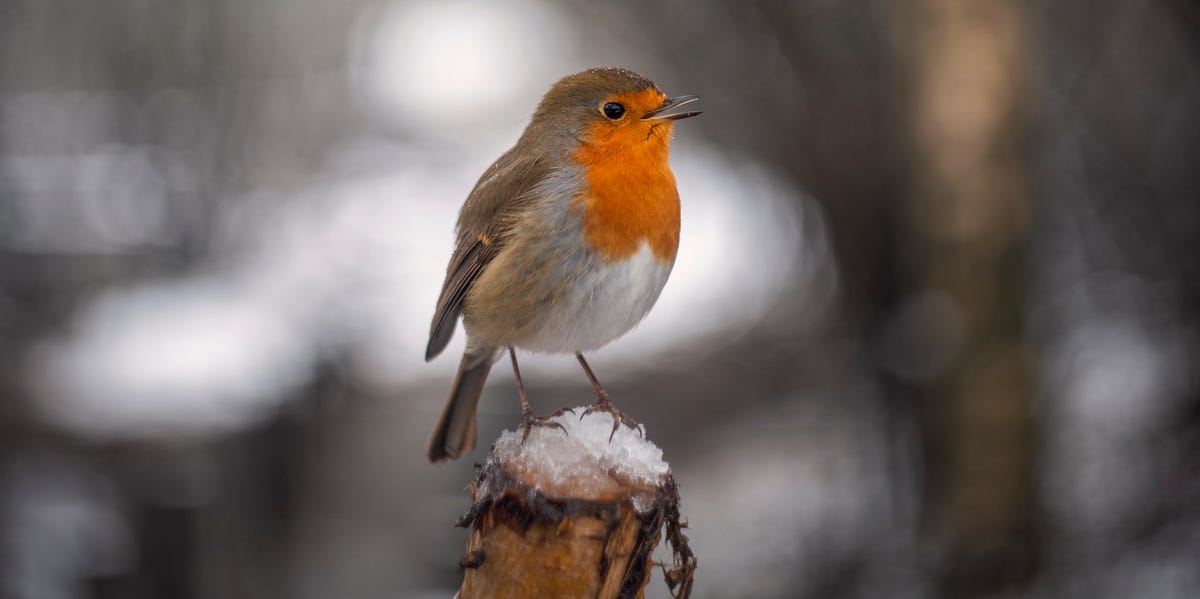
As late autumn strips trees, shrubs and forest floors of natural food sources for birds, many homeowners across the country are looking for simple ways to turn their gardens into small wildlife sanctuaries.
Beyond keeping feeders topped up, offering fresh water and installing nest boxes, there is another, less obvious tactic that can make a surprising difference: scattering tennis balls around the garden.
Tennis balls have a history of helping wildlife in unlikely ways. Wimbledon, for instance, donates thousands of used tennis balls to The Wildlife Trusts, where they are transformed into miniature shelters for endangered harvest mice.
While most British garden birds are far too large to live inside one, these bright, yellow orbs still offer distinct advantages during the colder months.
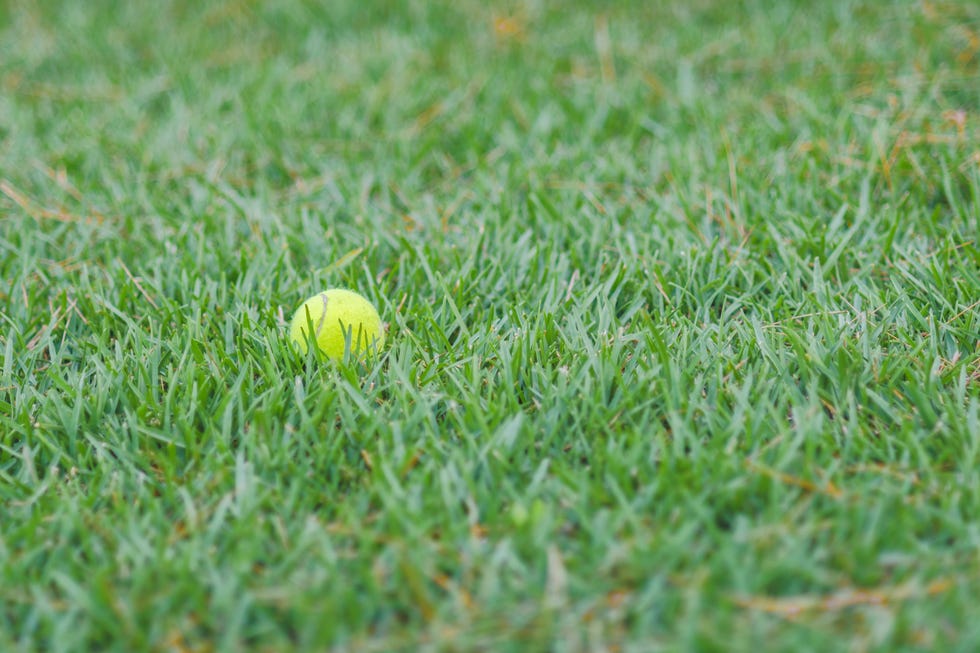

Manuel Breva//Getty Images
When temperatures plummet and frost settles on branches, birds face an often-overlooked hazard: slippery perches. Just as icy pavements pose risks for us humans, frosted branches can cause birds to slip or injure themselves during landing.
Tennis balls, with their textured surface, provide an alternative resting point. Their glaring yellow colour makes them highly visible even in dim winter light, allowing birds to spot them from a distance.
‘Birds approach feeders at speed, and when the ground or patios are frozen, hard, slippery surfaces can lead to rough landings or injuries,’ says Danny Yeoman, wild bird expert for Pets Corner and founder of Peter & Paul Bird Foods.
‘Placing a tennis ball nearby helps break up those icy patches and gives birds a clear, softer visual marker when they drop down to feed.’
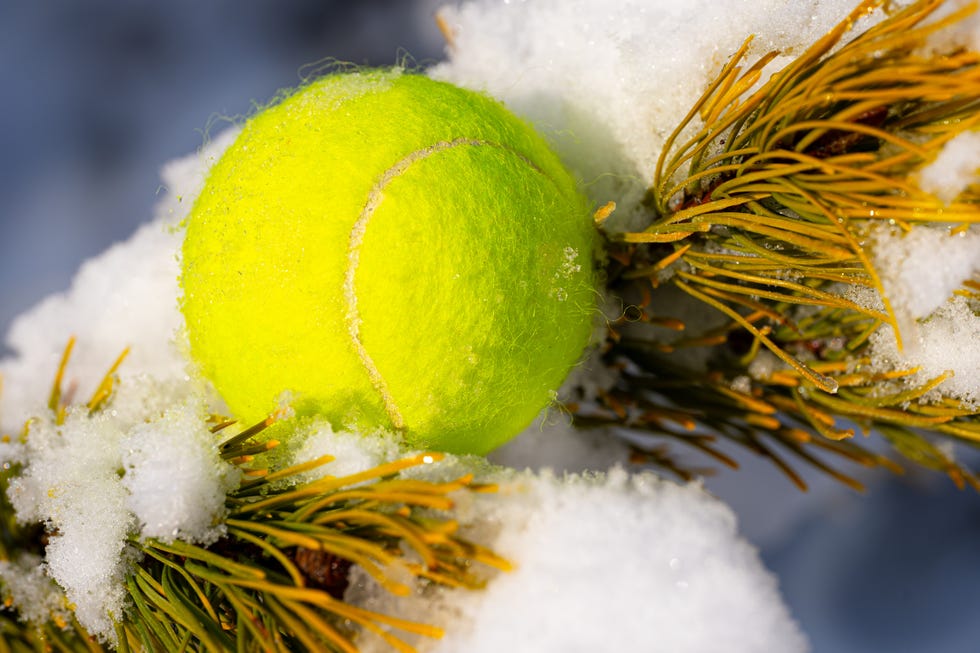
Iryna Veklich//Getty Images
You can also use the fuzzy orbs to stop a pond or bird bath from freezing over. ‘A tennis ball floating on the surface moves with the wind and helps stop water freezing completely, which is vital as birds still need to drink and bathe in winter to keep their feathers in good condition,’ the expert explains.
And other garden wildlife can benefit, too. Hedgehogs can struggle with slippery surfaces when navigating their way along fences, sheds or compost heaps in the garden, Danny says. Tennis balls can serve as small stabilising props.
In short, a few retired tennis balls can support an array of creatures through the harshest months of the year. So before you bin your balls from last season, consider giving them a second lease of life as high-vis landing spots – and watch birds flock to your garden.
Eco-friendly gardening practices: wildlife – bird feeder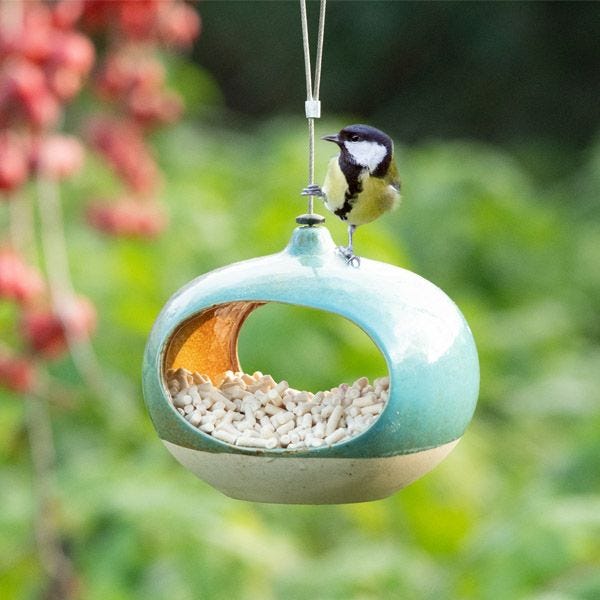 National Trust CJ Wildlife Vierno Diner Seed FeederCredit: National Trust
 Brushed brass satellite bird seed feeder
Now 15% Off
Credit: Waitrose Garden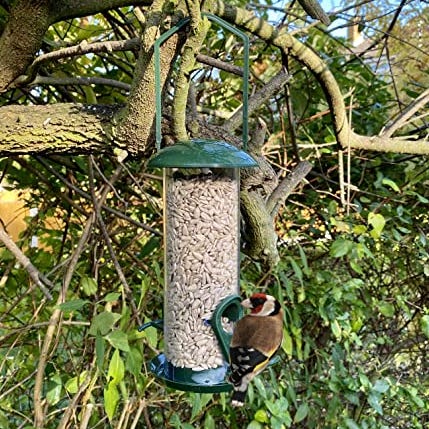 REPEAK Bird Feeder with Pre-Filled Sunflower SeedsCredit: Amazon
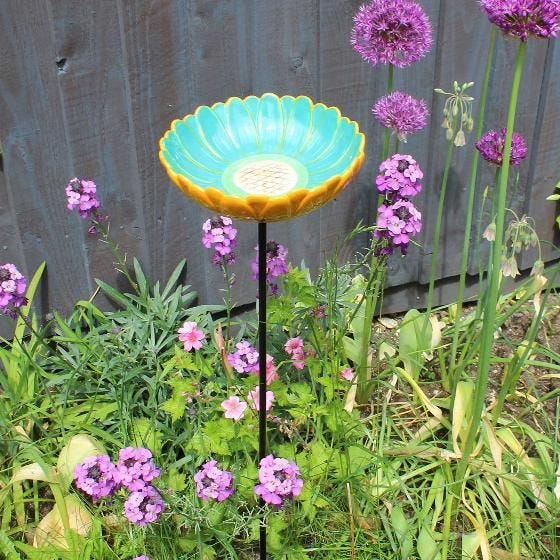 African Daisy Bird DrinkerCredit: RSPB
Follow House Beautiful on TikTok, Instagram and Pinterest

Wanda Sachs is the Daily Writer for House Beautiful and Country Living, exploring the latest in interior design, home trends, property news, wellbeing and sustainable living. With a keen eye for style and a passion for storytelling, she previously served as an Associate Editor at The Berliner in Berlin, where she launched and led the magazine’s monthly style vertical, covering emerging fashion trends. Wanda holds a combined BA in English and German from Goethe University Frankfurt.
Comments are closed.