
#bonsai #japanesezengardens #landscaping #gardening #gardendelight #homegarden #bonsaitree #garden #bonsailandscaping
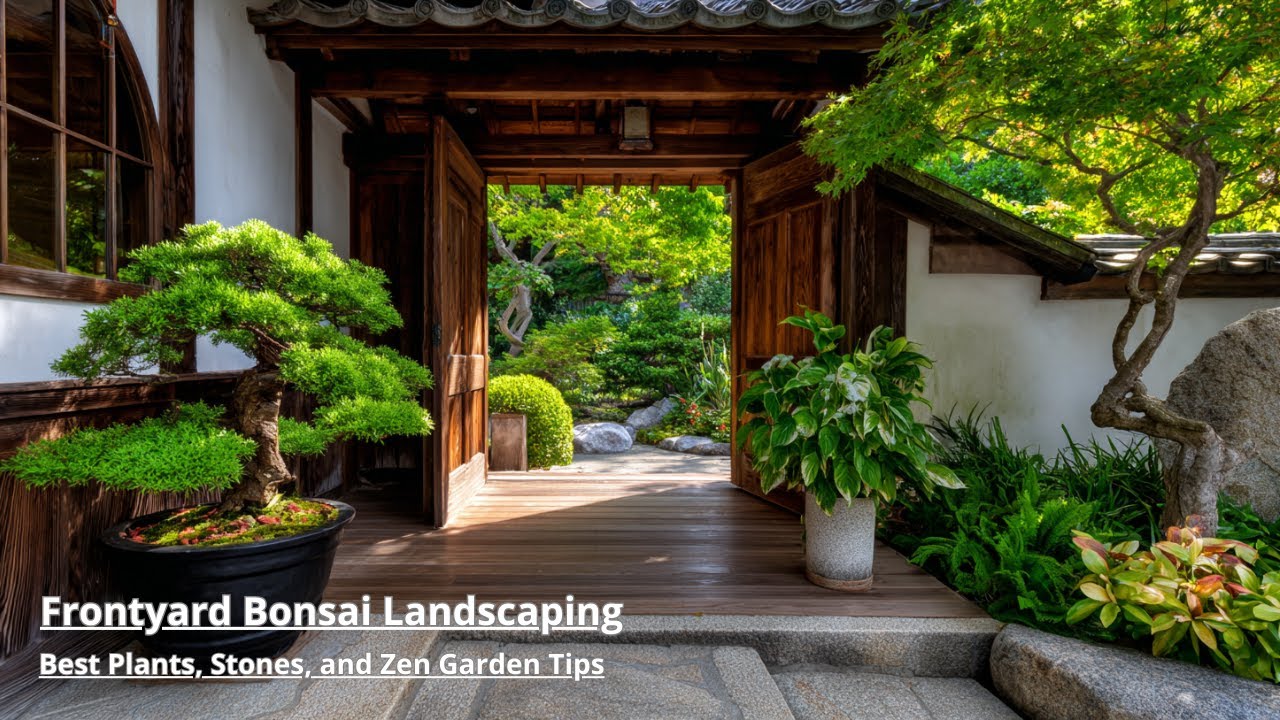
Bonsai landscaping in a frontyard Japanese Zen garden brings together art, nature, and mindfulness to create a timeless sanctuary. The harmony of bonsai trees, raked gravel, moss, and stones reflects the essence of Zen design, blending natural elements with architectural balance. This minimalist yet symbolic approach enhances curb appeal while offering a calming entrance to the home.
Designing a Japanese Zen garden with bonsai requires careful planning of scale, placement, and seasonal flow. Pathways, lanterns, bamboo accents, and water features serve both functional and symbolic roles. Incorporating pines, maples, and flowering bonsai varieties ensures year-round beauty, while soft outdoor lighting highlights the tranquil atmosphere day and night. Each element works together to embody wabi-sabi, the beauty of imperfection and natural flow.
More than a landscape, a bonsai Zen garden is a living artwork and meditation space. Daily care such as pruning bonsai, raking gravel, and maintaining moss becomes a mindful ritual. Sustainability with local stones and reclaimed wood keeps the garden eco-friendly, while seating areas encourage reflection. Over time, the garden evolves with seasons, becoming a personal sanctuary of peace, balance, and spiritual renewal.
Chapters
Introduction to Bonsai Landscaping
The Essence of a Zen Garden
Choosing the Right Space
Planning the Layout
Selecting Bonsai Varieties
Creating Stone Pathways
The Role of Water Elements
The Symbolism of Rocks and Gravel
Incorporating Moss and Ground Cover
Balance Between Minimalism and Detail
Seasonal Considerations
Lighting for Ambience
Maintenance Practices
The Meditative Experience
Enhancing Curb Appeal
Conclusion: A Sanctuary at Home
Harmony Between House and Garden
The Importance of Scale
Integrating Bamboo and Wood
Creating Focal Points
The Role of Symmetry and Asymmetry
Bonsai Containers and Placement
Using Lanterns and Ornaments
Sound as a Design Element
Fragrance and Seasonal Blooms
Seating and Viewing Spots
Lighting the Pathways
Sustainability and Natural Materials
The Garden as a Daily Ritual
Final Reflection: A Living Work of Art
[Music] [Music] Welcome to Vina Home Garden. Transform your outdoor and indoor spaces into thriving, beautiful havens with our gardening tips, DIY projects, and creative home decor ideas. Whether you’re a seasoned gardener or just starting out, Vina Home Garden offers practical advice, step-by-step tutorials, and inspiration to make your space bloom. What we cover? Easy gardening tips for beginners, creative landscaping ideas, indoor plant care, DIY garden decor projects, seasonal planting guides, budget friendly home garden transformations. Join our community of plant lovers and home enthusiasts. Subscribe now to get weekly updates and inspiration to grow your dream garden. [Music] [Music] [Music] [Music] Bonsai landscaping is more than arranging miniature trees. It is the art of crafting harmony between nature and space. A frontyard Japanese zen garden that integrates bonsai creates a sanctuary of calm right at your doorstep. This timeless design reflects balance, mindfulness, and respect for nature. [Music] [Music] [Music] [Music] [Music] [Music] [Music] [Music] A Zen garden or kurasansui is built around the principles of simplicity, asymmetry, and natural flow. Its purpose is to invite meditation and contemplation. Rocks, gravel, moss, and bonsai trees work together to form a symbolic landscape of mountains, rivers, and islands. [Music] [Music] [Music] [Music] [Music] The front yard is the perfect canvas for a Japanese Zen garden. Whether you have a compact yard or a spacious entrance, the design can be scaled to fit. The key is to maximize visual serenity while maintaining a natural look that complements your home. [Music] [Music] [Music] [Music] [Music] [Music] [Music] [Music] Every Zen garden begins with a thoughtful layout. Position bonsai trees as focal points. Use gravel or sand as flowing water. And place stones as islands or mountains. A well planned design ensures that each element feels intentional and balanced. [Music] [Music] [Music] [Music] [Music] [Music] Not all bonsai species are suitable for an outdoor zen garden. Pines, junipers, and maples are traditional choices as they symbolize endurance and harmony with the seasons. Flowering bonsai such as Aelius can add subtle color without overwhelming the tranquil design. [Music] [Music] [Music] [Music] [Music] [Music] [Music] Stone pathways not only guide visitors but also symbolize the journey of life. Carefully placed stepping stones through gravel or moss bring depth to the design. The path should never be perfectly straight. It should gently meander to reflect nature’s unpredictability. [Music] [Music] [Music] [Music] [Music] Though Zen gardens are often dry landscapes, adding a water feature like a small pond or bamboo fountain can heighten the sense of calm. The sound of trickling water complements the stillness of the bonsai and encourages quiet reflection. [Music] Heat. Heat. [Music] [Music] [Music] [Music] [Music] [Music] [Music] Rocks represent mountains and permanence while raked gravel symbolizes flowing rivers. Patterns in the gravel can be changed to reflect moods or seasons, turning the garden into a living artwork. Bonsai trees positioned nearby complete the balance between motion and stillness. [Music] [Music] [Music] [Music] Heat. Heat. [Music] [Music] [Music] Moss is an essential part of Japanese garden aesthetics. Its lush green texture softens the landscape and creates a sense of age and timelessness. Combined with bonsai, moss evokes the feeling of a miniature natural forest in the front yard. [Music] [Music] [Music] [Music] [Music] [Music] A zen garden should never feel cluttered. Each bonsai and rock must serve a purpose. At the same time, details such as lanterns, bamboo fences, or a simple stone basin can be added thoughtfully to enrich the landscape without overpowering its simplicity. [Music] [Music] [Music] [Music] [Music] Your bonsai landscaping should highlight the changing seasons. Spring blossoms, summer greenery, autumn foliage, and winter silhouettes all bring fresh perspectives to the garden. By choosing bonsai that thrive year round, you ensure that the front yard remains visually engaging. [Music] [Music] [Music] [Music] Heat. Heat. [Music] [Music] [Music] Soft outdoor lighting enhances the garden at dusk and night. Gentle lanterns or hidden spotlights can highlight bonsai silhouettes and create a calming glow. Avoid harsh lighting as it disrupts the natural and peaceful atmosphere. [Music] [Music] [Music] [Music] [Music] [Music] A zen garden thrives with regular care. Bonsai pruning, gravel raking, moss misting, and seasonal adjustments are all part of the ritual. This maintenance is not just gardening. It is meditation in action, strengthening the bond between you and your garden. [Music] [Music] [Music] [Music] [Music] [Music] [Music] Spending time in a bonsai zen garden encourages mindfulness. The act of raking gravel or trimming bonsai becomes a form of meditation, helping you slow down and connect with the present moment. The garden is not just for viewing but for living within. [Music] [Music] [Music] [Music] [Music] Beyond personal enjoyment, a Japanese zen garden in the front yard enhances your home’s curb appeal. Visitors are welcomed into a serene environment and the natural elegance of bonsai landscaping sets your property apart with grace and distinction. [Music] [Music] Heat. Heat. [Music] [Music] [Music] [Music] [Music] [Music] [Music] A frontyard Japanese zen garden with bonsai landscaping is more than decoration. It is a sanctuary. It reflects balance, respect for nature, and inner peace. By integrating bonsai trees with stones, moss, gravel, and water, you create a timeless retreat that transforms your home entrance into a place of harmony. [Music] Heat. Heat. [Music] [Music] [Music] [Music] [Music] A Japanese Zen garden in the front yard should blend seamlessly with the architecture of the home. The design must feel like a natural extension of the building rather than a separate space. Bonsai trees near the entrance create a welcoming transition between man-made structure and nature. [Music] [Music] [Music] [Music] [Music] [Music] Balance and scale is essential for bonsai landscaping. Miniature trees should be proportionate to stones, lanterns, and pathways. Too many large objects can overpower the delicate bonsai, while too many small details may feel cluttered. The right proportions maintain the illusion of a natural landscape. [Music] [Music] [Music] [Music] [Music] Bamboo fences, wooden gates, and natural timber accents help frame the Zen garden. These elements bring authenticity to the space while also offering privacy. When combined with bonsai, bamboo introduces vertical contrast that complements the horizontal flow of gravel and moss. [Music] [Music] [Music] [Music] [Music] [Music] Every garden needs a visual anchor. In a bonsai zen garden, this might be a carefully pruned pine bonsai placed near a stone lantern or a small maple bonsai overlooking a pond. These focal points draw the eye and encourage viewers to pause and reflect. [Music] [Music] [Music] [Music] [Music] While western gardens often emphasize symmetry, Japanese zen gardens embrace asymmetry. The uneven placement of bonsai, rocks, and sand patterns creates a more natural flow. Asymmetry does not mean imbalance. It represents the beauty of imperfection known as wabishabi. [Music] [Music] [Music] [Music] [Music] The choice of bonsai pots influences the entire garden’s character. Unglazed clay pots offer a traditional rustic feel, while stone basins or low ceramic containers create refinement. Positioning bonsai on raised platforms or natural stone slabs elevates their presence and ensures they are admired at eye level. [Music] [Music] [Music] [Music] [Music] [Music] Stone lanterns, water basins, and simple sculptures add depth and cultural richness to the garden. However, they should be used sparingly. Just like bonsai, each ornament should serve a purpose as guiding attention, marking a path, or enhancing a focal area without distraction. [Music] [Music] [Music] [Music] [Music] [Music] The Zen Garden is not only visual but also auditory. The rustling of bamboo leaves, the chirping of birds, and the trickle of a fountain all contribute to the meditative atmosphere. Bonsai landscaping can enhance this by shaping the environment to encourage gentle, soothing sounds. [Music] [Music] [Music] [Music] [Music] [Music] Scent is another subtle dimension of the Zen garden. Flowering bonsai such as cherry or plum release delicate fragrances in spring, while pines offer a crisp, refreshing scent year round. Incorporating fragrant elements heightens the sensory experience of the front yard sanctuary. [Music] Heat. Heat. [Music] [Music] [Music] A zenar. garden is meant to be observed as much as walked through. Adding a wooden bench or a simple stone seat allows visitors to pause and enjoy the view. From these spots, the bonsai and landscape can be appreciated in stillness, much like a living painting. [Music] [Music] [Music] [Music] [Music] [Music] [Music] Subtle lighting along pathways ensures safety while maintaining the atmosphere of serenity. Low lanterns or solar powered lights can softly illuminate bonsai silhouettes at night. The interplay of light and shadow adds mystery and elegance to the evening garden. [Music] [Music] [Music] [Music] [Music] [Music] [Music] A bonsai zen garden thrives when built with sustainable practices. Using local stones, reclaimed wood, and native plants reduces environmental impact. Rainwater collection can be used for watering bonsai and moss. This approach keeps the garden eco-friendly and aligned with nature’s cycles. [Music] [Music] [Music] [Music] [Music] [Music] [Music] [Music] Caring for bonsai and maintaining the Zen garden can become part of daily life. Sweeping paths, pruning branches, and raking gravel each morning serve as quiet rituals that ground the mind. These small acts of care transform the garden into a space of living mindfulness. [Music] [Music] [Music] [Music] [Music] [Music] A frontyard Japanese Zen garden with bonsai landscaping is never finished. It evolves with time, seasons, and the hand of its caretaker. Each bonsai branch, each stone, and each grain of sand contributes to a living artwork that embodies peace, balance, and timeless beauty. [Music] [Music] [Music] Heat. Heat. [Music] [Music] [Music] [Music]
Comments are closed.