
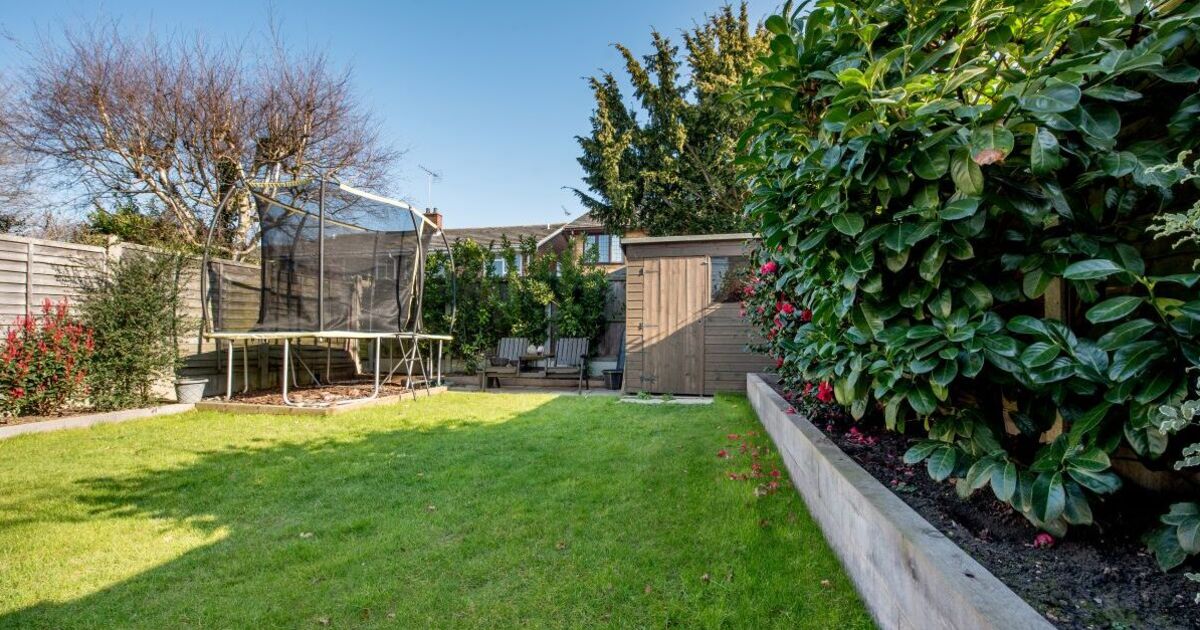
There is one thing you can place in your garden to help an animal that is endangered in the UK. As decades go on, many animals across the world see their populations drop significantly, including this animal native to the UK. British hedgehogs were classified as endangered in 2020. In 2022, it was reported that hedgehogs have declined by between 30% – 75% across different areas of the countryside since 2000, with the largest declines seen in the east of England.
“Hedgehogs as we know them today have lived here for at least half a million years, but they’re now facing myriad pressures which are causing populations to plummet, particularly in the rural landscape,” Fay Vass, CEO of The British Hedgehog Preservation Society (BHPS), previously said. While the reasons for the decline are varied and not entirely certain, experts say it can be put down to a lack of suitable habitat.
Gardeners can help support hedgehogs by providing them with shelter and certain foods. Vass called for gardens to be made more hedgehog-friendly, whether they are in urban or rural areas.
One way to do that is to provide them with food to help them survive and thrive. But what do hedgehogs eat? Well, one of the foods that is very beneficial for hedgehogs is plain kitten biscuits, according to The Wildlife Trusts.
“Use plain kitten biscuits or meat-based wet dog or cat food,” the organisation says. “You can also use specialist hedgehog food but keep in mind that this isn’t regulated and can vary in quality so always make sure to check.”
However, it is also important that hedgehogs can get to the food before cats do. To help with this, the Wildlife Trusts advises Brits to place the hedgehog food under a brick shelter with a hedgehog-sized gap in it.
Additionally, the British Hedgehog Preservation Society advises people to leave a corner of their garden as a wildlife sanctuary where hedgehogs can shelter. “You could be rewarded by the pleasure of seeing visiting hedgehogs and other wildlife, as well as the knowledge that they will help clear the ground of pests,” the organisation says.
Additionally, you can collect logs, leaves and brushwood that the animals can use to shelter in or build nests. When it comes to feeding them, the society says: “Splitting food over several sites might help reduce aggressive interactions at food bowls, or try scattering food to encourage more natural foraging behaviour.”
Comments are closed.