
CLEVELAND, Ohio — A couple of weeks ago in this space, we caught up with reader Jay from Lakewood, who replaced his foundation planting with native plants. As part of his garden makeover, he added signs from the Monarch Watch Monarch Waystation, the National Wildlife Federation Certified Wildlife Habitat, and the Greater Cleveland Wild Ones NEO Native Habitat Corridor.
This detail sparked interest in readers on how (and why) to get these signs.
Environmental certification signs do more than decorate a garden. Tall grasses, seedheads, brush piles, and winter stems can confuse neighbors (not to mention HOAs and local code enforcement staff) who are used to conventional landscaping. A sign tells neighbors that the yard is intentional, not neglected, and that the gardener is participating in a broader effort to support pollinators and wildlife.
Read all of Susan Brownstein’s columns here.
Each certification program has its own requirements and area of emphasis. Many certification programs also come with the opportunity to add your patch of pollinator paradise to an online map. Some popular options include:
Monarch Watch – Monarch Waystation
The Monarch Waystation program is run by Monarch Watch at the University of Kansas and is focused exclusively on how well a garden supports monarch butterfly conservation. This group also has a popular program for citizen scientists to tag monarch butterflies and add data to a large-scale migration monitoring effort dating back 30 years.
The Monarch Waystation requirements are simple: a site must have at least one species of milkweed and a supply of nectar plants that bloom across the seasons. Registration costs $18, and a metal sign is an additional $18.
Because the requirements are so accessible and helps fund monarch monitoring and outreach, the program has grown rapidly, with more than 54,000 gardens reported on their website.
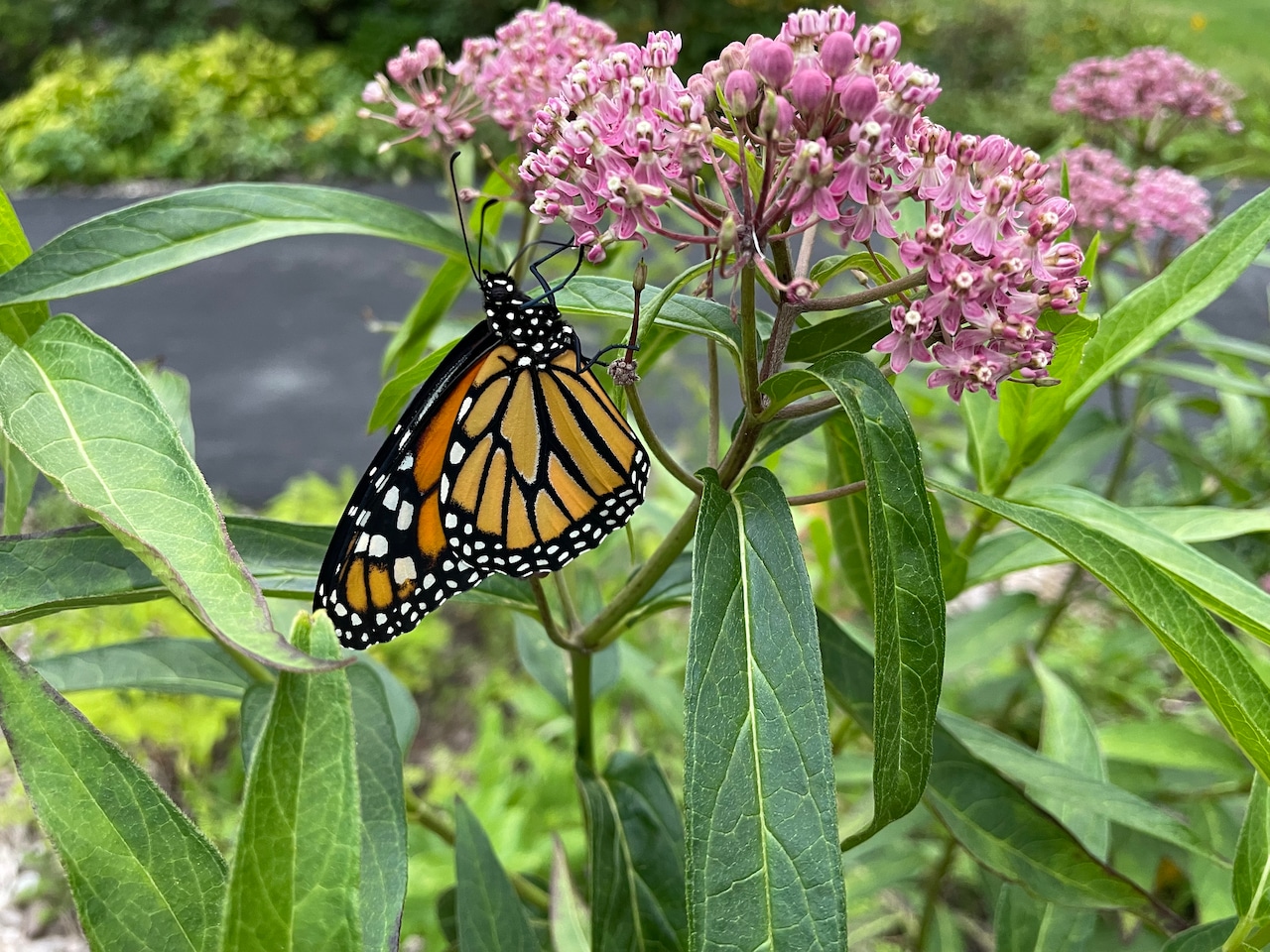 A few milkweed plants is all it takes to support monarchs–and get a certification sign as a Monarch Watch Waystation.Susan Brownstein
National Wildlife Federation Certified Wild Habitat
The Certified Wildlife Habitat program from the National Wildlife Federation is the most widely recognized program. To qualify, a yard must offer food, water, cover, and places for wildlife to raise young.
Those criteria can be met in flexible ways, such as native shrubs, a birdbath, or seedheads left standing through winter, and an online quiz guides you through the requirements. Registration costs $20, and an aluminum sign or garden flag costs an additional $30.
The process relies on self-reporting and is not intended to be demanding, but it raises money for conservation education and gives gardeners a way to signal their intentions.
Greater Cleveland Wild Ones NEO Native Habitat Corridor
Local organizations have also created their own habitat recognition programs. The NEO Native Habitat Corridor, run by the Greater Cleveland chapter of Wild Ones, encourages gardeners to plant natives and reduce pesticide use. The goal is to create stepping-stone habitats across communities so pollinators and birds can move safely between yards.
A $25 donation supports plant giveaways and community education, and the aluminum sign signals membership in a regional network. Signs can be purchased online, or better yet, at a Wild Ones event and at some local nurseries. The Wild Ones website also has helpful information on how to mount your sign, because most of these sign programs do not include a post.
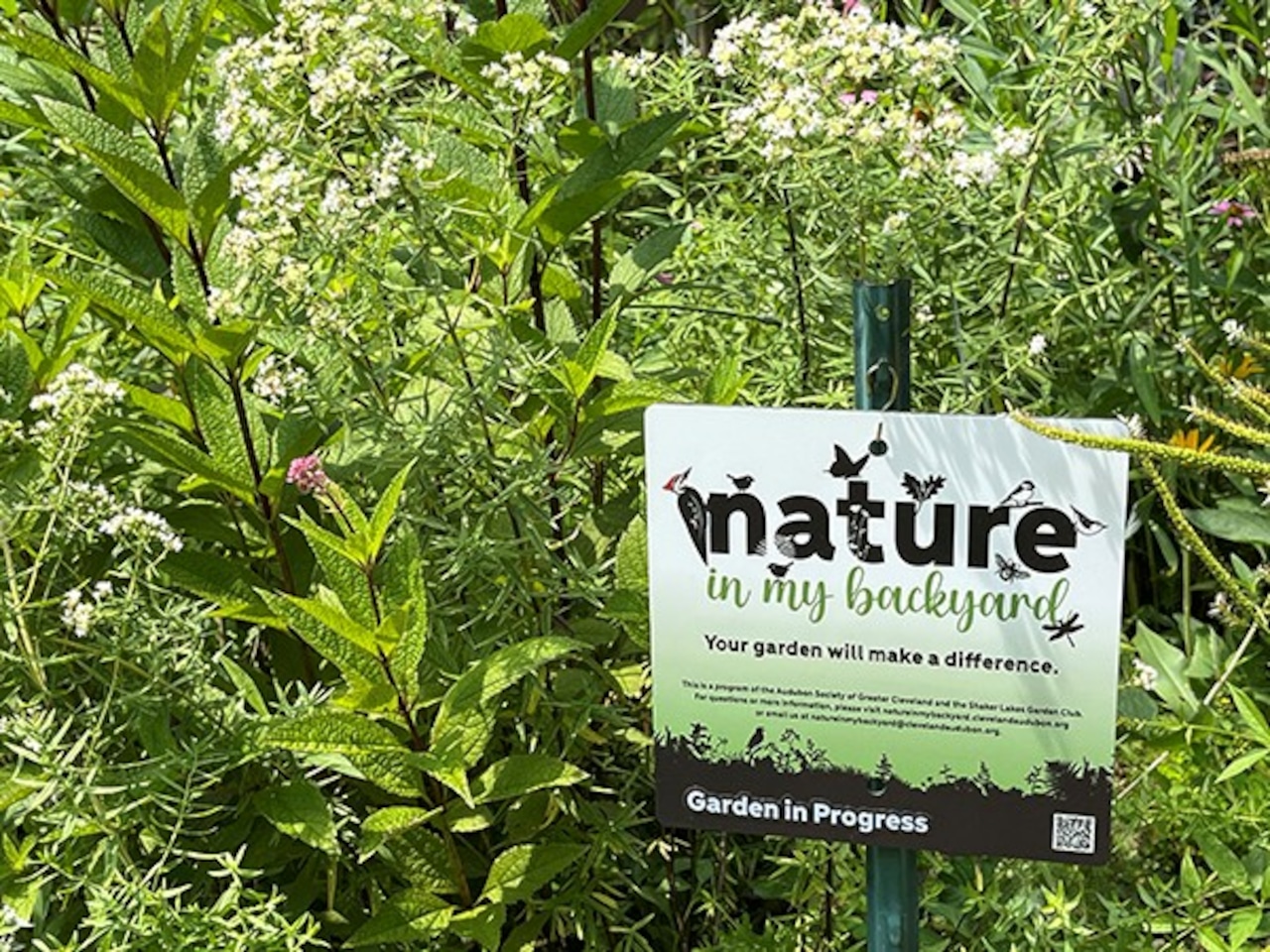 A sign from the Cleveland Audobon Society’s Nature in My Backyard program is part of a free certification process offered by local experts.Courtesy Nature in My Backyard
Cleveland Audubon Society – Nature in My Backyard
The Nature in My Backyard program, sponsored by the Cleveland Audubon Society, highlights bird-friendly gardening. Their free service to evaluate your yard (which was featured in a column this past August) is the first step in their certification process.
Participants then implement the expert recommendations for providing food and shelter for birds through native plants, water features, and reduced pesticide use. A certification sign is $25, and a post is an additional $15.
While the Nature in My Backyard program has the most stringent requirements for certification, the process gives local, expert insight for improving their habitat and is a great learning experience. Certification supports local bird conservation projects, and unlike the national programs, the sign is more than a participation trophy; it lets neighbors know the yard is part of a rigorous, local, citizen-led habitat effort.
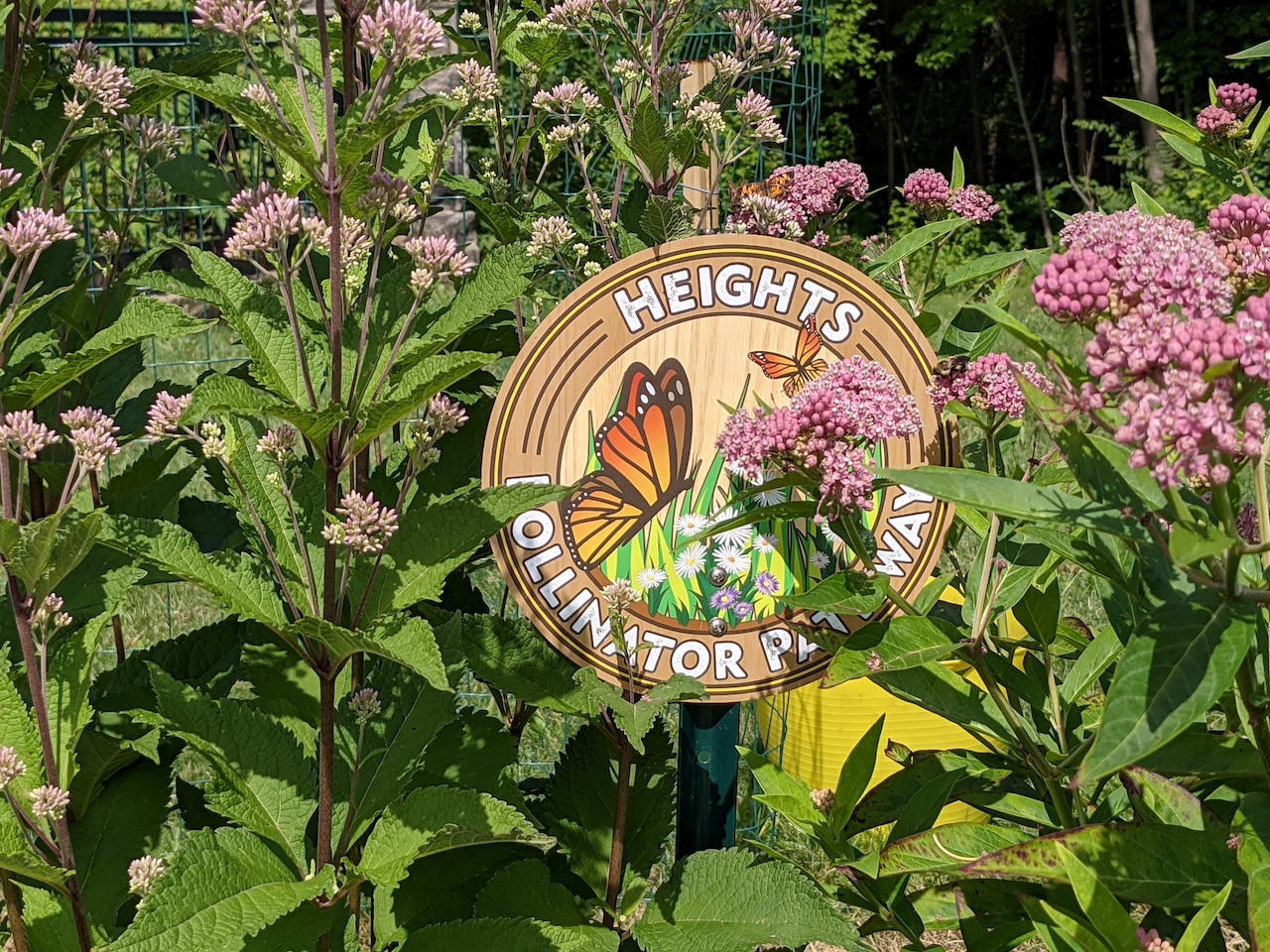
Friends of Heights Parks – Heights Native Pollinator Path
Another local option the Heights Native Pollinator Path sponsored by Friends of Heights Parks. The program recognizes gardens throughout Cleveland, Shaker, and University Heights that support native pollinators with regionally appropriate plants. The project aims to connect public spaces and home gardens into a continuous ecological path through the region. The group offers a $20 aluminum sign for a self-reported front yard garden that is composed of at least 85% native plants. They also host wonderful spring and fall native plant sales. Even if you do not live in the Heights, the group’s active and supportive Facebook group is a great way to learn how to start a pollinator path initiative in your own neighborhood.
The cost and hassle factor of these various initiatives mean that a certification sign might make a thoughtful holiday gift for a native gardener in your life (and a year-end charitable donation for you).
While the certifications are not scientific audits (except for Nature in My Backyard), they support good causes and spark conversations with neighbors that spread awareness. Even better, go the extra mile and include a sign post and installation.
Thanks as always to Heights Pollinator Path and Nature in My Backyard for sharing their inspiring work and photos. If you have a gardening question or idea, email me at sbrownstein216@gmail.com.
Comments are closed.