
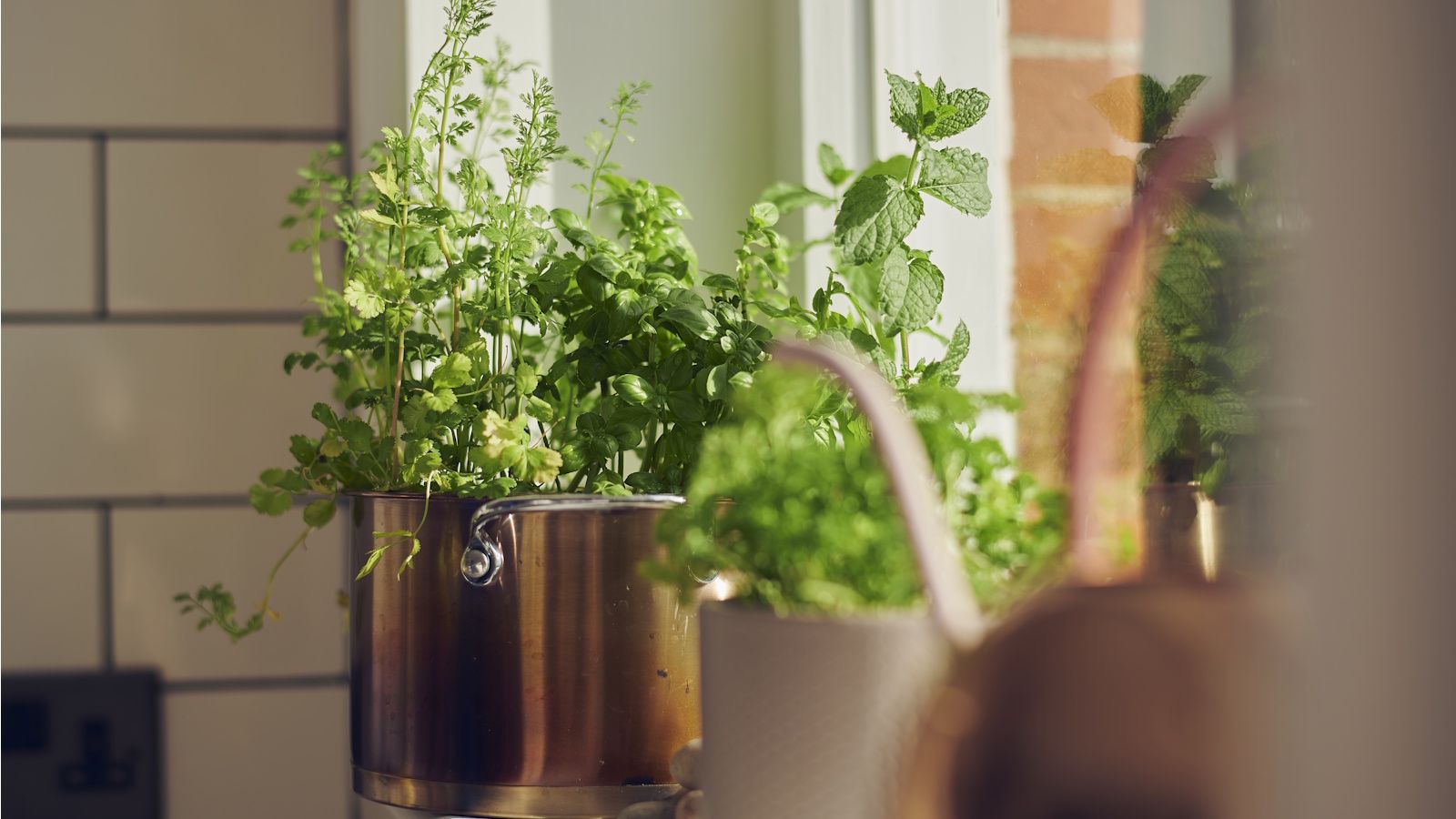
In my opinion, there’s no better way to maximize the festive feeling in the home than using real plants. Whether it’s having a real pine Christmas tree, styling holiday houseplants, or growing deliciously scented plants on your kitchen windowsill.
There are actually lots of unusual herbs to infuse festive scent into the home that you can grow this season. Although, it should be noted they aren’t necessarily herbs in the traditional sense, but they do make for brilliant additions to indoor herb gardens, both to be enjoyed for their culinary properties and cozy nutmeg, cinnamon, and citrus fragrance.
You may like
3 Unusual Herbs for Festive Scent
The below unusual herbs for festive scents are not herbs in the traditional sense (like this pack of basil, rosemary, and tarragon potted plants from Walmart), nor are they necessarily the easiest herbs to grow at home.
But, they are culinary plants that you can cook with and use to make your living room smell nice this season.
1. Lemon Myrtle
(Image credit: L.S. Sandiford via Alamy)
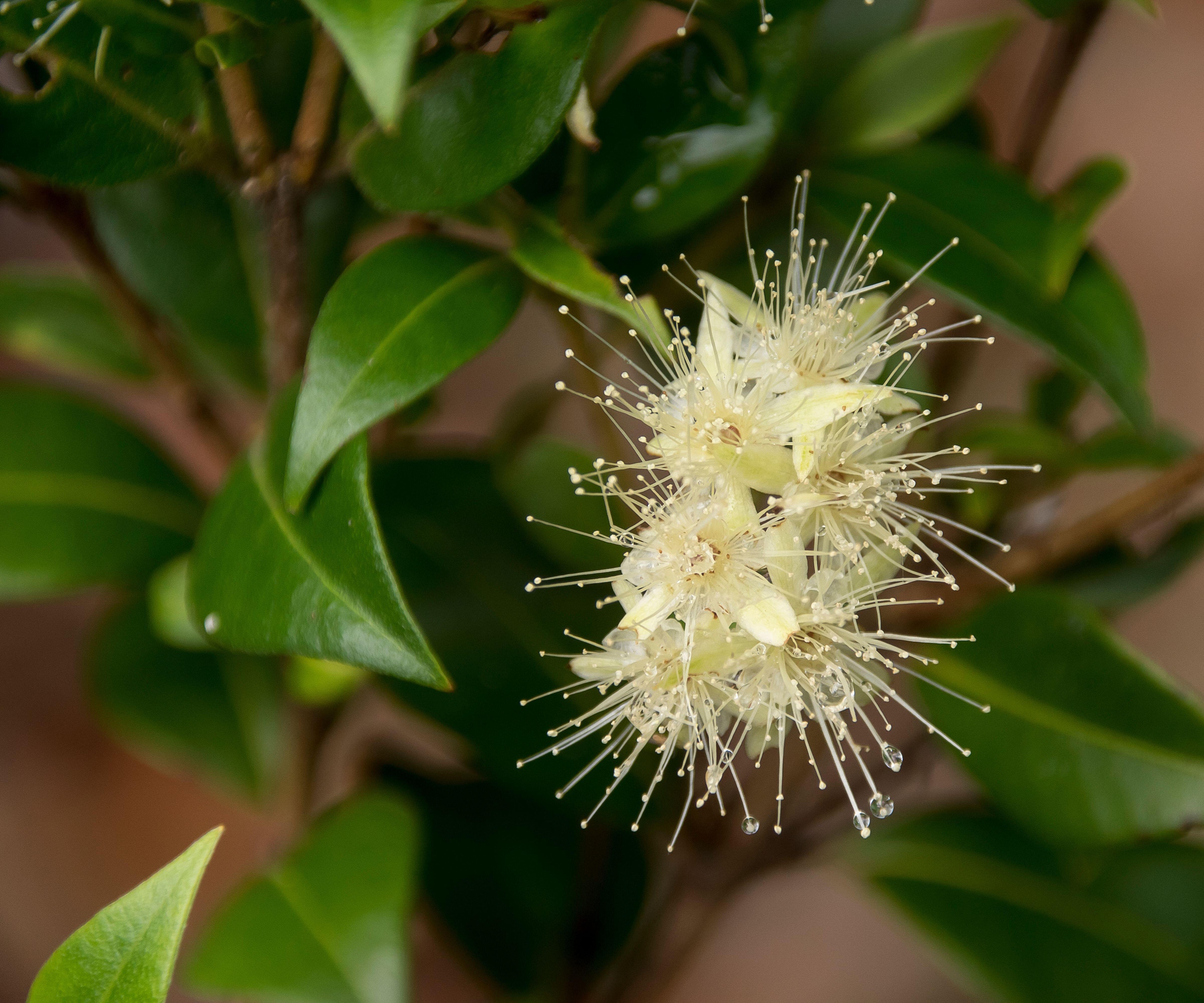
The first plant on this list is lemon myrtle (you can find seeds from Amazon). It’s widely used as a herb and medicinal plant in Australia (where it’s native to), with its leaves making a zesty antioxidant ingredient. You can even purchase ground lemon myrtle from Amazon.
Outdoors it grows best across US hardiness zone 9-11, but it can also be grown indoors, so long as you meet some essential requirements.
‘It’s fragrance is intensely citrus, stronger and cleaner than lemon verbena,’ describes Brandon McCormick, plant and garden expert.
While lemon myrtle is unlikely to bloom indoors, especially during December for the holidays, its smooth foliage is just as scented as the summer blooms.
‘Lemon myrtle loves consistent warmth and high humidity, so place it near a bright kitchen window, and mist regularly,’ Brandon advises.
You may like
You can use a planter mister (we love this one from Amazon) to raise humidity levels, and use other methods to increase humidity for indoor plants.
It’s also important to provide bright, indirect light, around six-eight hours daily. You should likewise maintain consistent moisture levels and ensure its pot has good drainage.
If you aren’t up for the challenge of having an indoor lemon myrtle, you can also use lemon myrtle essential oil (available from Amazon) to to infuse the scent around your home.
 Brandon McCormick
Social Links Navigation
Plant Expert
Brandon McCormick is the plant and landscape design expert. With a lifelong foundation in horticulture, Brandon brings a unique depth of plant knowledge to the built environment. His combined experience in landscape maintenance, rare plant care, and design collaboration positions him as a trusted expert at the intersection of form, function, and green innovation.
2. Cinnamon Basil
(Image credit: Danish Khan via Alamy)
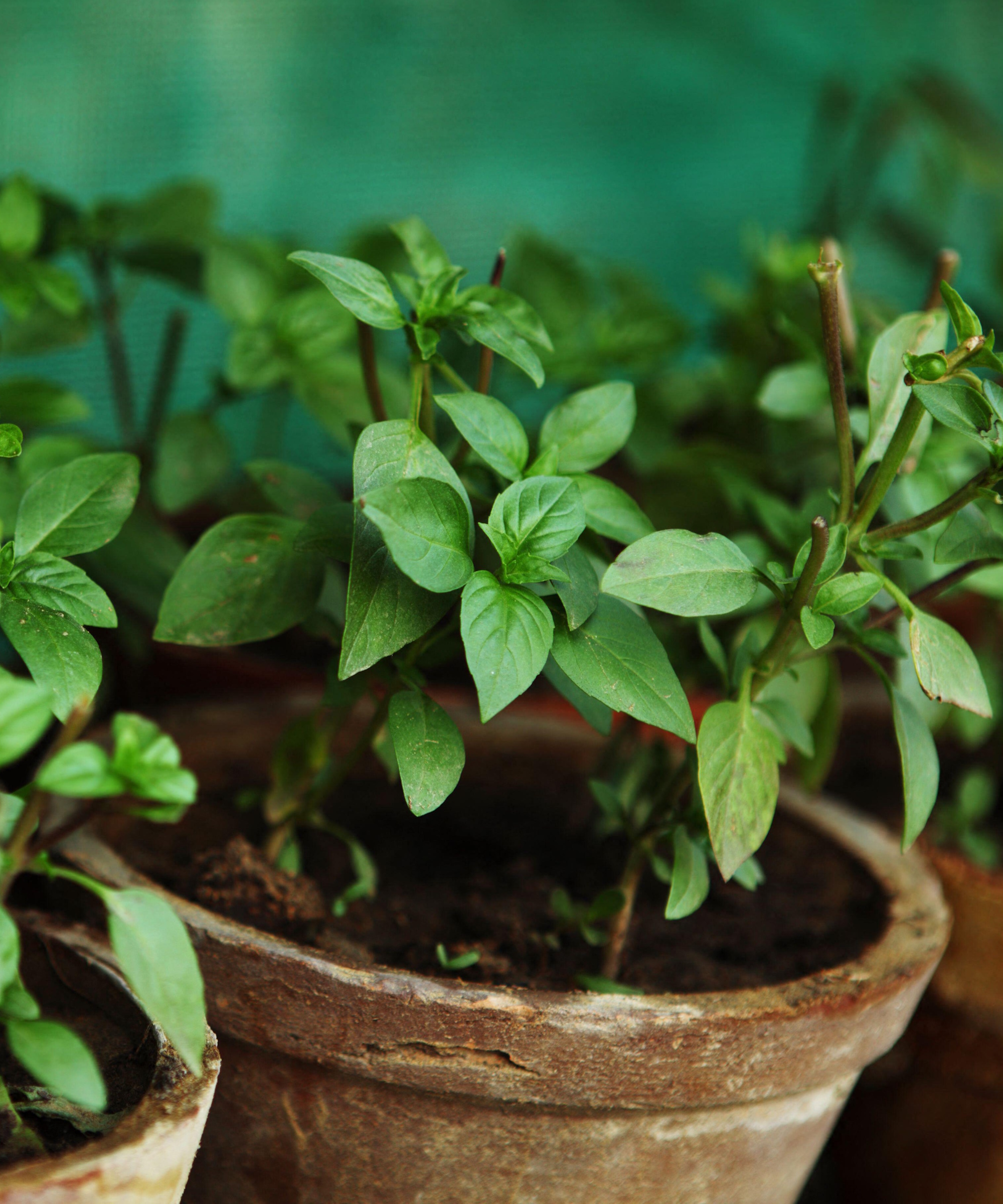
Another unusual herb for festive scent is cinnamon basil (You can find seeds at Amazon), and it’s exactly what it sounds like: basil that smells and tastes like cinnamon.
Care requirements are much the same as growing basil indoors, including providing warm temperatures around 65°F. Chilly temps can cause your basil to turn yellow.
‘Give it 12–14 hours of bright light (a simple grow light, such as this model from Amazon, works great). Keep soil slightly moist and harvest leaves from the top to keep it producing all winter,’ advises Brandon.
You can get your basil to grow bigger and last longer by harvesting from the top, as Brandon suggests, as well as placing it somewhere sunny.
You can even try drying your cinnamon basil to use as festive decoration on the table and hang up around the home to enjoy its scent for longer.
3. Scented Geranium ‘Nutmeg’
(Image credit: MNS Photo via Alamy)
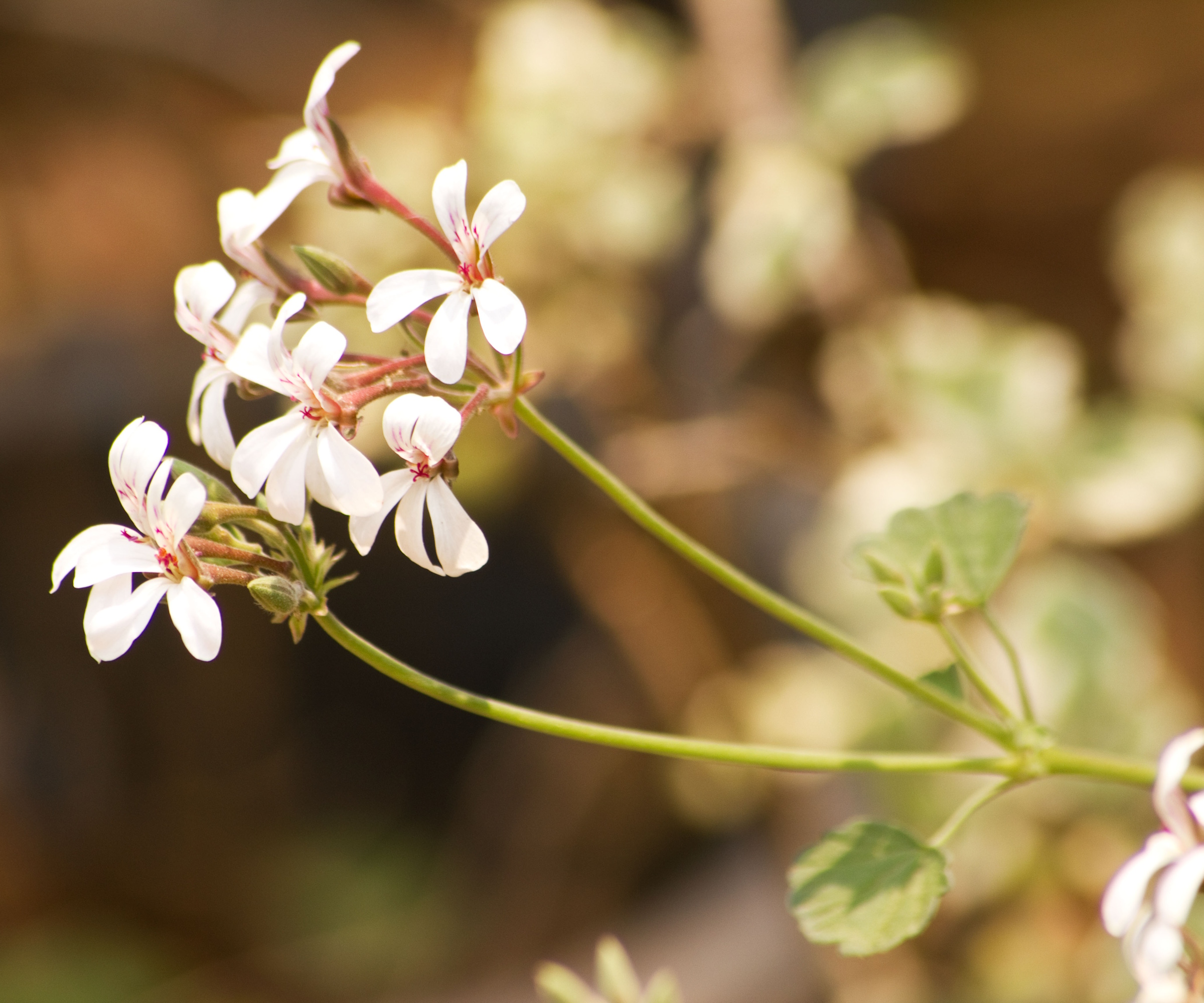
This is another plant you may not realize is edible, but scented geraniums are often used for culinary purposes, specifically for growing your own herbal tea.
‘This festive variety has a soft nutmeg smell with hints of pine,’ describes Brandon.
‘Snowy Nutmeg’ scented geranium (you can find starter plants from Walmart) is another variety with a similar scent, but it also has white variegation on its leaves.
‘You can grow scented geraniums indoors for winter, making them perfect for Christmas fragrance,’ he adds.
In fact, another variety that is popular for growing indoors is citronella.
Both the flowers and leaves of scented geraniums are fragrant, and you can enhance the aroma by brushing your hand across the leaves.
‘Let the soil dry out between waterings because these plants hate wet feet,’ Brandon advises.
FAQsCan You Simmer Herbs For Aroma?
Yes, you can simmer herbs in a pot on the stove to create a delicious aroma for your home, like stovetop potpourri. You should keep the heat low, steaming the herbs and releasing their fragrance. Don’t leave it unattended for fire safety and top up water as it evaporates. Our guide to simmer pot recipes has some of the most mouth-watering combinations to try.
Whether you’re planning to grow these unusual herb plants or want to stick to standard herbs, make sure to read up on herb gardening mistakes that can set you back.
Shop Herb Growing Accessories
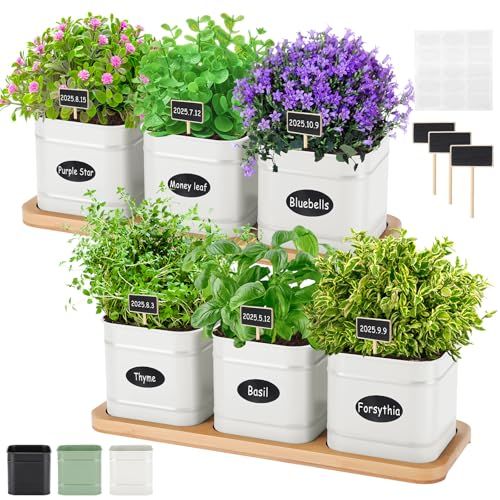
This indoor herb planter has capacity for six herb plants, neatly housed on wooden trays. Each pot has a label to customize to the plants you’re growing.

Use these pretty herb scissors to harvest and prune herbs. It has a carbon steel blade for clean cuts, maintaining healthy plant growth.

This stunning orange watering can is ideal for indoor plants and herbs. It has a narrow spout and has a one liter capacity.
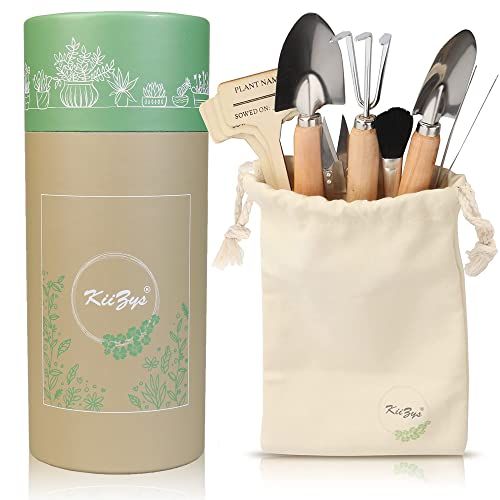
This set of mini garden tools are perfect for tending to indoor herbs and houseplants. It includes trowels, a dusting brush, tweezers, plant labels, and more.
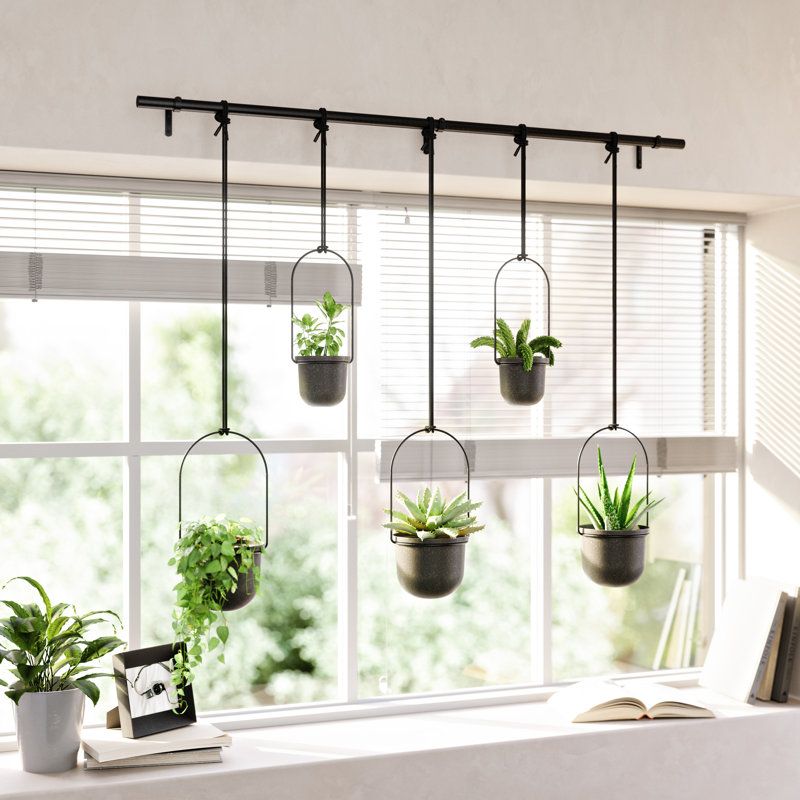
You can create a green spectacle in your kitchen with this hanging planter. There are two 3-inch pots and three 6-inch pots, ideal for indoor herbs.
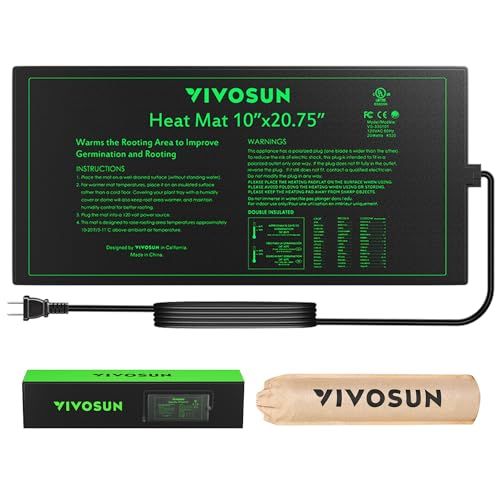
Use this seedling heat mat to keep warmth-loving herbs warm during cold winter days. It can also be used for propagating houseplants from cuttings.
Comments are closed.