
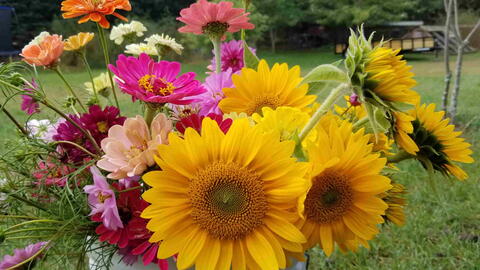
Our Pollinator Paradise Flower Garden is both beautiful and purposeful. This garden layout uses a mix of flowers that attract bees, butterflies, and hoverflies, providing nectar and pollen throughout the growing season. The garden plant list focuses on open, native flowers that are easy for pollinators to access for a vibrant garden!
Part of Our Garden Plan Collection
This plan is part of our free Garden Plan Library, featuring tested layouts for vegetables, flowers, and mixed gardens. Each plan guides you on what to plant, when, and how—so you can grow with confidence and enjoy a steady supply of blooms for cutting or decorative purposes. →Browse the full Garden Plan Library.
Quick FactsFeatureDetailsGarden Type:Pollinator Flower GardenDifficuty LevelBeginner to IntermediateHardiness Zones:4–8Sun Exposure:Full SunSeasonality:Early Spring through Late Fall FallSoil Type:Well-draining garden soilWatering Needs:Regular, even moistureSpecial Features:Pollinator-attracting flowers, native plants, seasonal bloomsGarden Size:Approximately 14 x 18 feet (very adaptable, depending on central yard size)Fun FactNot just bees! Butterflies, bats, beetles, flies, hummingbirds, and even moths are all pollinators. What Our Pollinator Plan DeliversA complete pollinator garden layout featuring native and seasonal flowers that provide nectar and pollen for bees, butterflies, and hoverflies.Step-by-step instructions for soil preparation, planting, watering, and maintenance.Plant list with spacing, bloom times, and planting guidance to ensure year-round support for pollinators.Tips for companion planting and garden structure to create diverse habitats.Real gardener insights using this exact plan to attract pollinators successfully.
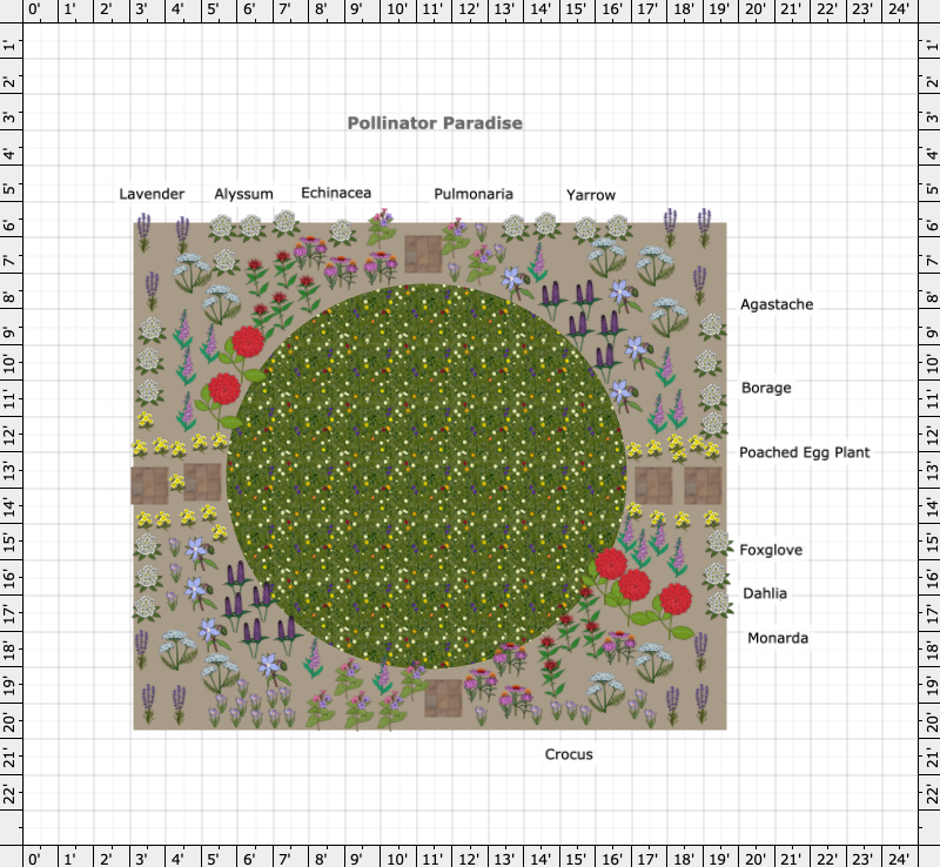
Pollinator Paradise!
The Pollinator Plant List
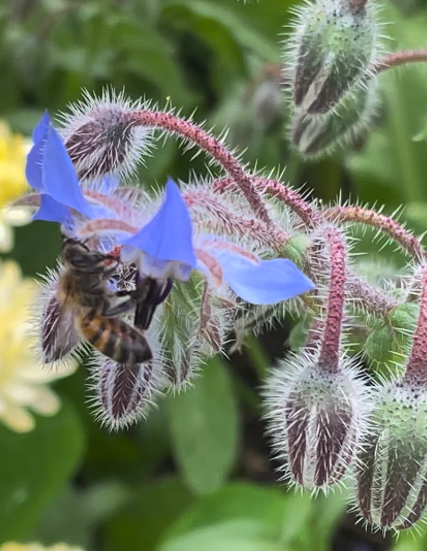
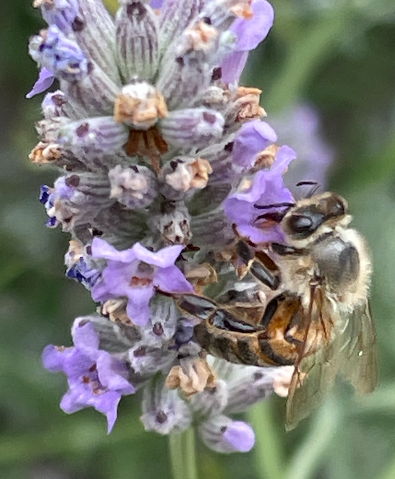
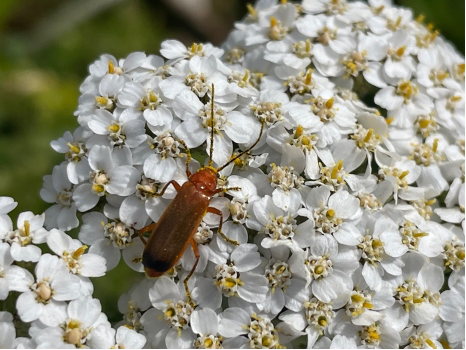
The plant selection includes common pollinator-friendly flowers in a variety of shapes, heights, and colors—from tubular foxgloves and lavender for long-tongued bees to flat-flowered yarrow and coneflowers for easier access. Blue, purple, and violet flowers are emphasized, as these colors are highly visible to pollinators and signal rich nectar sources.
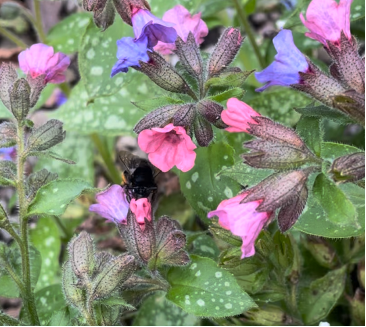
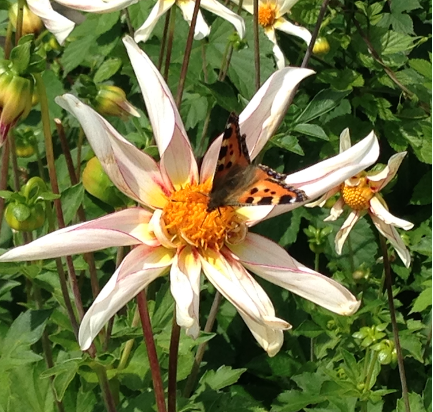
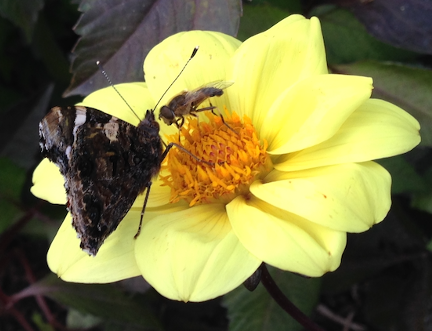
Early-season blooms like crocus and pulmonaria help pollinators emerging from hibernation, while late-season plants like borage and dahlias sustain species flying into autumn. The center “lawn” is allowed to grow long, providing structural diversity with daisies and clover that supplement pollen and nectar for bees and hoverflies.
See guides to all plants listed below: Almanac Flower Growing Guides.
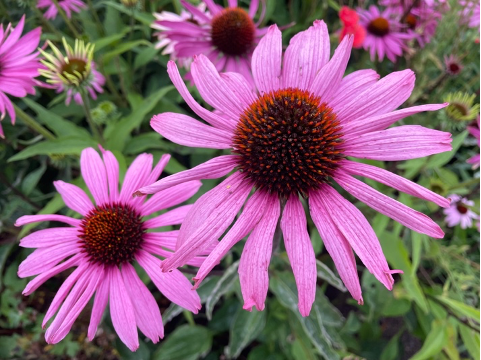
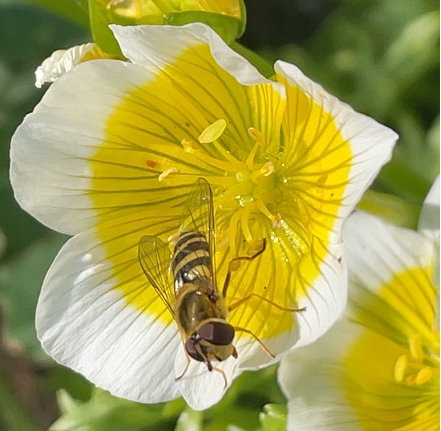
PlantBloom TimeHeightNotes for PollinatorsLavenderMid–Late Summer18–24”Tubular flowers attract long-tongued beesAlyssumSpring–Fall6–12”Great for hoverflies; small florets accessible to many pollinatorsEchinaceaMid–Late Summer24–36”Flat-topped; attracts bees and butterfliesPulmonariaEarly Spring12–18”Early nectar source for emerging pollinatorsYarrowSummer18–24”Flat clusters; accessible for many bee speciesAgastacheMid–Late Summer18–30”Tubular flowers for bees; fragrantCrocusEarly Spring4–6”Early-season pollen and nectarBorageSummer18–24”Attracts bees; edible flowersPoached Egg PlantSpring–Summer18–24”Ideal for hoverflies and small pollinatorsFoxgloveSummer36–48”Tubular; preferred by long-tongued beesDahliaLate Summer–Fall24–48”Simple flower forms accessible to pollinatorsMonarda (Bee Balm)Summer24–36”Tubular flowers; attracts hummingbirds and bees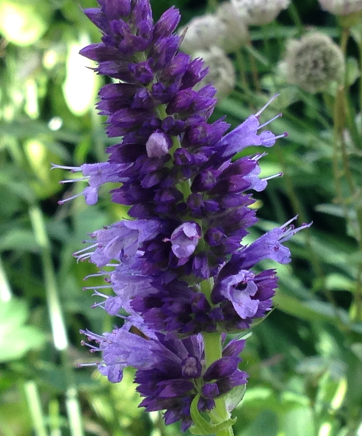
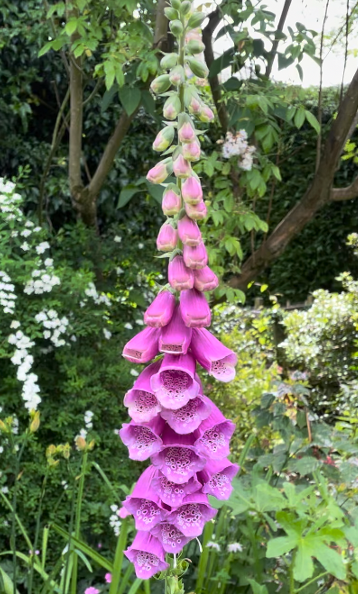
How to Create Your Pollinator ParadiseStep 1: Soil PrepUse rich, well-draining garden soil.Amend with compost to promote healthy growth.Ensure beds or garden areas have 6–8 hours of sun daily.Step 2: Planting Tips:Provide continuous blooms from early spring to late fall by planting a mix of early, mid, and late-season flowers.Plant taller tubular flowers (foxgloves, lavender, agastache) toward the back or center for structure.Place flat, open flowers (yarrow, coneflowers) in clusters for easy access.Group early bloomers (crocus, pulmonaria) to support early pollinators.Allow the center lawn area to grow long, with daisies and clover for habitat and additional nectar.Some species like borage and dahlias are great for late-season pollinators.Step 3: Watering and MaintenanceKeep soil consistently moist, especially during establishment.Mulch around plants to retain moisture and reduce weeds.Deadhead spent blooms to encourage succession and extend flowering.Gardener Spotlight: Alex’s Experience
“I planted this pollinator garden in my backyard last spring and was amazed at the activity. Early in the season, I spotted bumblebees on the crocuses and hoverflies on the alyssum. By summer, lavender, echinacea, and foxgloves were buzzing constantly. The garden not only looked gorgeous but felt alive—every day I saw new pollinators exploring different flowers.”
FAQs for Pollinator Gardens
Q: Do I need to plant native species only?
A: Native plants are preferred because local pollinators are adapted to them, but many non-invasive ornamental flowers like lavender or borage are also excellent nectar sources.
Q: Can I use this plan in a small backyard or container garden?
A: Yes! The plan is adaptable. Even a 6×6-ft area or large containers can support a variety of pollinators.
Q: How do I ensure flowers bloom all season?
A: Plant a combination of early, mid, and late bloomers. Succession sow or plant later-blooming species to maintain nectar and pollen throughout the year.
Q: Will this attract pests?
A: Pollinator gardens can attract some insects, but they also support beneficial species like hoverflies and ladybugs that help control pests naturally.
More ReferencesWit & Wisdom
“The hum of bees is the voice of the garden.” – Elizabeth Lawrence
A majority of plants, more than 70 percent of species, depend on insects and other pollinators.
Other Plans to Explore
Want more flower garden ideas? Check out our other cutting flower plans:
Cut Flower Garden Plan (Annuals, 3 Raised Beds).
– Perfect for bouquets and indoor arrangements.
Cut Flower Garden Plan (Perennials & Annuals, In-Ground)
– Mix of flowers for cutting throughout the season.
Or, explore our complete Garden Plan Library for tested layouts of vegetable, flower, and mixed gardens suitable for every skill level and space.
Comments are closed.