
Bare root plants are having a moment. These freshly dug, pot-free plants may look unassuming, but they’re affordable, sustainable, and surprisingly resilient — which explains why more gardeners are choosing them each year.
What is a bare root plant?
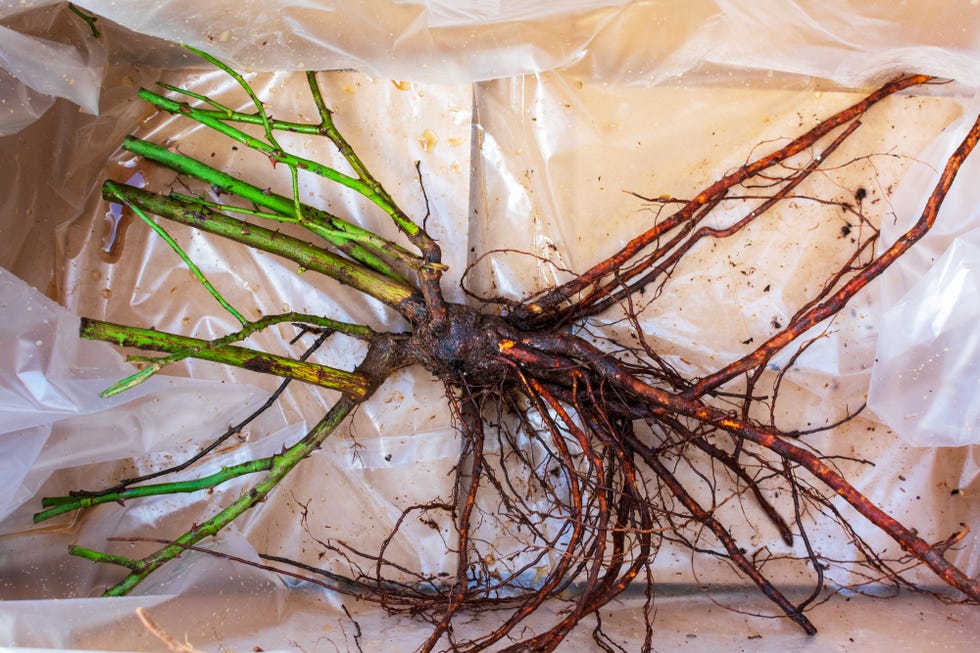
A bare root plant is one that has been recently dug up and sold without any pot or compost, ready to be replanted straight into your garden.
Before the rise of garden centres and the mass commercialisation of plant sales, this was simply how plants were bought. They were sold dormant, as a cluster of roots with a dusting of soil, often wrapped in newspaper.
Plastic pots later transformed production, allowing nurseries to grow plants in larger numbers and to a more mature size. They could be displayed for longer, and naturally buyers preferred seeing what they were purchasing. It made commercial sense – before we fully understood the environmental impact of all those discarded pots.
Some plants, such as roses and hedging, have continued to be supplied as bare root specimens, as shrubby plants are easy to package and transport. But the real shift today is the growing interest in bare root perennials, which are becoming increasingly popular with gardeners.
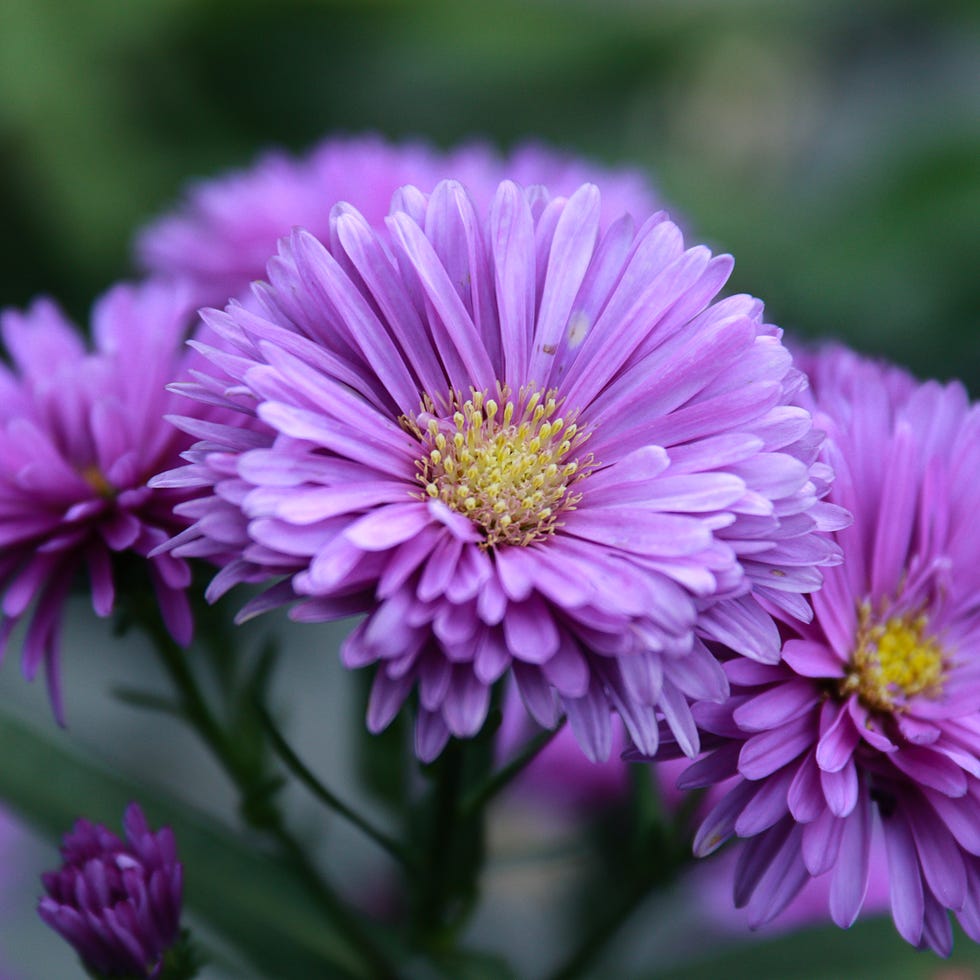
10 plants to try as bare root 1) Asters
These bright and abundant daisy-like flowers are loved by pollinators and the starry blooms are great for filling that colour gap through to the end of autumn.

Shuni Vashti//Getty Images
2) Gaura ‘Siskiyou Pink’
A drought-resistant perennial which is both useful and beautiful with abundant flowers. It’s great for cottage garden-style planting as well as end of summer colour.
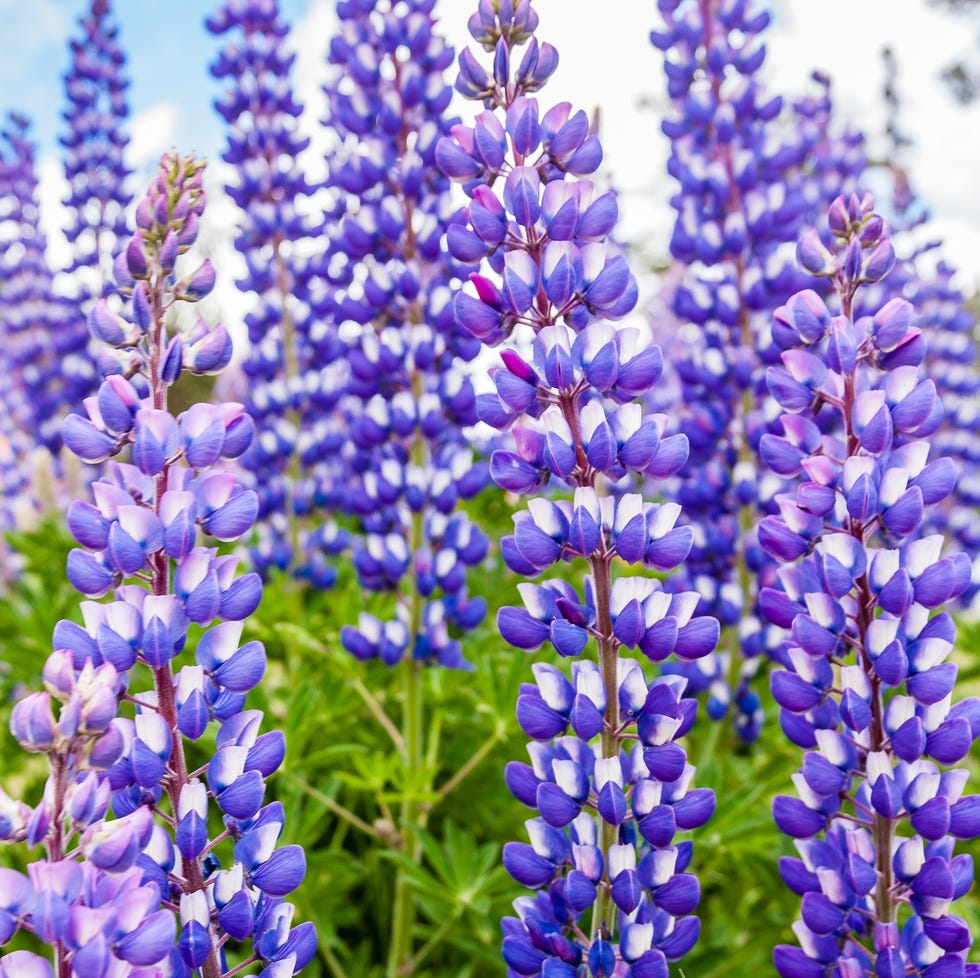
3) Lupins
Their tall, colourful flower spikes add height and structure to mixed perennial borders. Plant in clusters to create bold colour and a strong vertical feature.
Santiago Urquijo//Getty Images
4) Anemone ‘Honorine Jobert’
A classic, must-have perennial with elegant white blooms. It’s well suited to most soils and part shade, offers great foliage, and has a long flowering season that carries the garden beautifully into late summer.
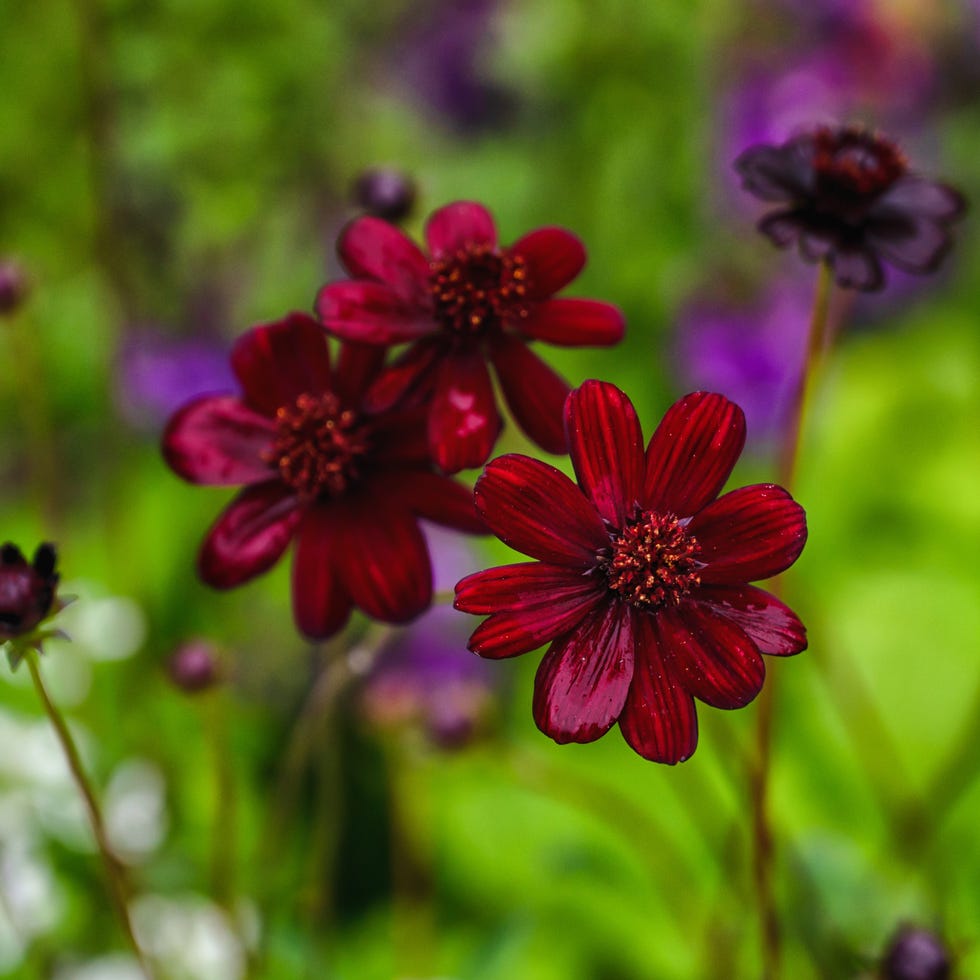
5) Cosmos atrosanguineus
The gorgeous velvety brown flowers with a chocolate scent (hence why they are known as chocolate cosmos), are much more subtle than annual cosmos grown from seeds. These bare roots can be kept for years but do need a little protection from winter frost.
I love Photo and Apple.//Getty Images
6) Helleborus ‘Pretty Ellen Spotted’
The garden would be pretty miserable in January and February without these winter flowers. Hellebores make the perfect companion to snowdrops.
7) Salvia ‘Bazuin Dark Night’
Tough and shrubby, don’t underestimate these garden workhorses. Salvias are always a top pick for pollinators and great value for their long flowering season.
8) Fruit bushes
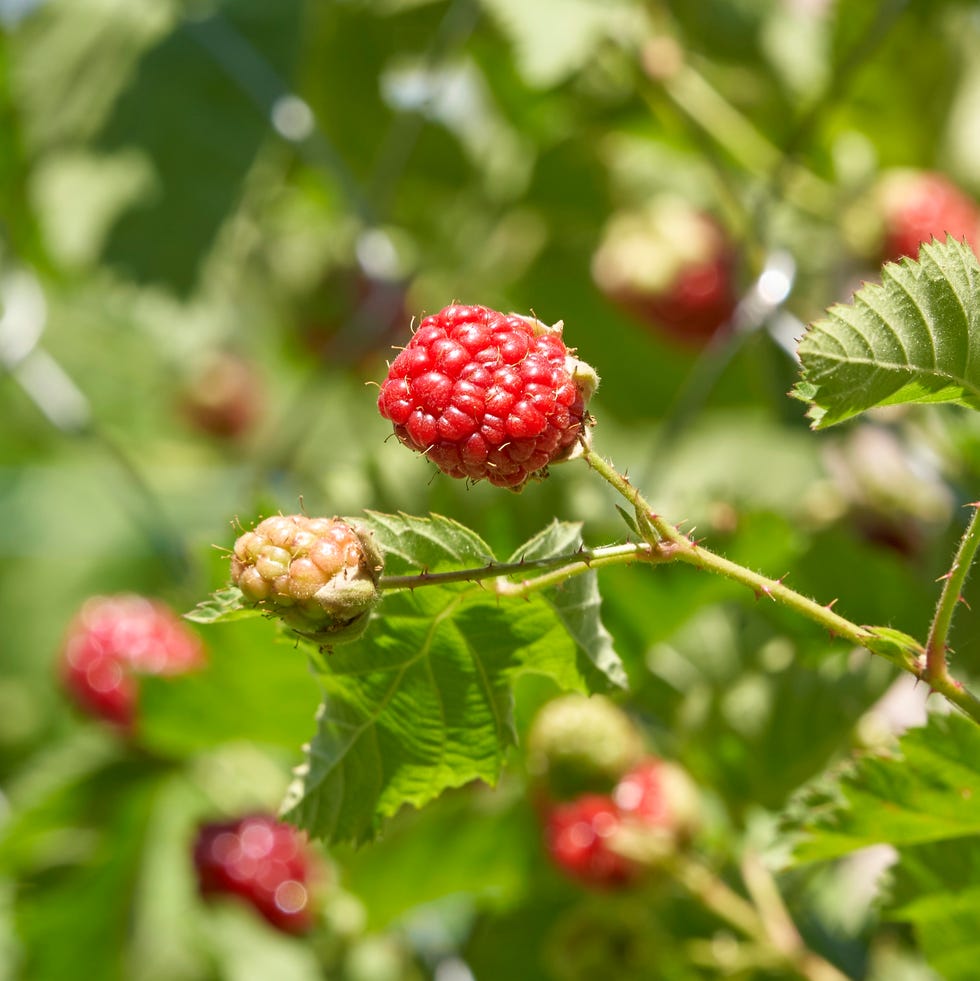
Raspberries, strawberries, and currants all perform exceptionally well when grown from bare root plants.
©Raota Jose Luis//Getty Images
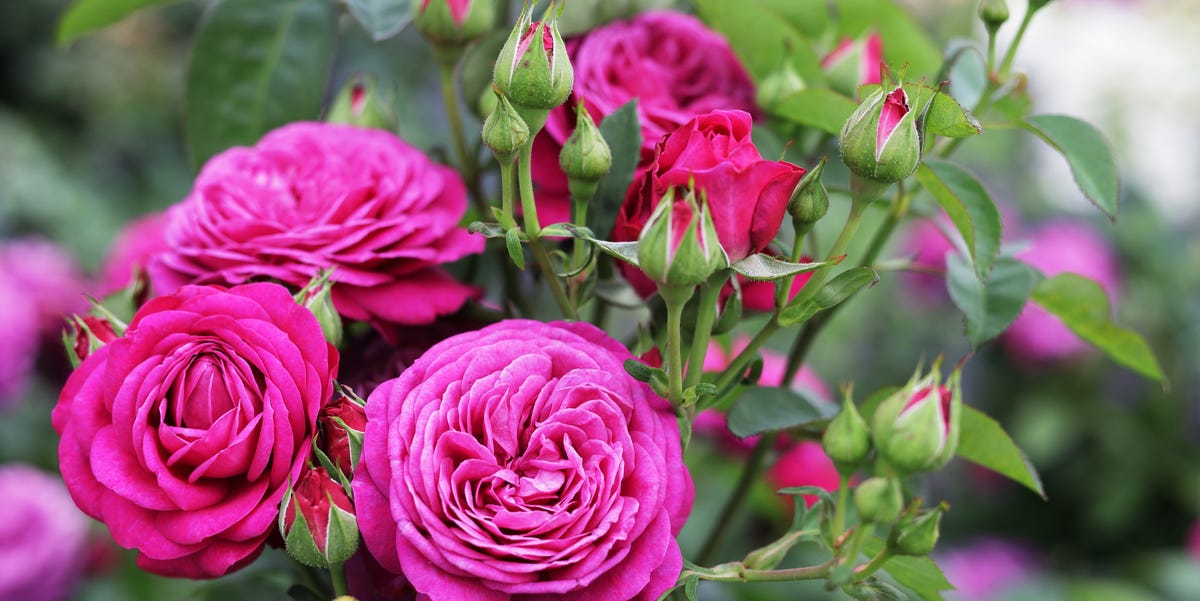
9) Roses
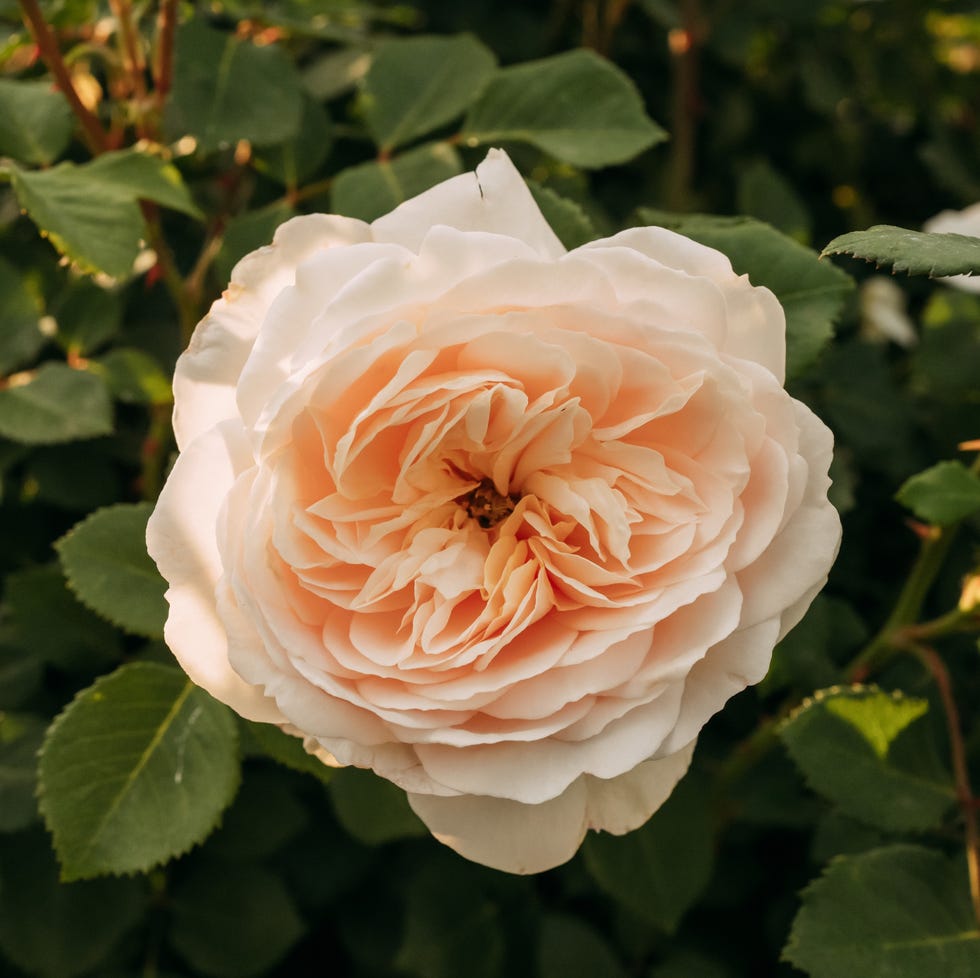
These are classic candidates for bare root planting and many rose specialists have been sending out plants as bare root specimens for decades. David Glass, head gardener at Bowood House, advises: ‘It is important to keep the roots moist and protected until planting. I often use a soil treatment, such as “RootGrow” because it helps the plant develop a strong and fibrous root system. Water the plant thoroughly once it is in the ground, as giving it a good soaking gives it the best possible start.’
Svetlana Repnitskaya//Getty Images
10) Native hedging plants
‘Planting woody plants during autumn and winter gives the roots time to establish before the growing season begins,’ says David. ‘This reduces losses. They are also lightweight and often grow more vigorously because the roots have grown freely in the soil, rather than being confined to a pot.’
Why gardeners are switching to bare rootCost and sustainability
Bowood House head gardener, David Glass, says he is seeing far more gardeners choosing bare root plants. ‘Cost is a major factor as bare root plants are often better value,’ he explains. ‘Sustainability is also motivating gardeners because bare root plants come without plastic pots or compost, which means there is very little packaging involved. As they are generally grown in open ground, the roots develop naturally, which means they can be posted easily, making them more accessible to all gardeners.’
Healthier plants with fewer inputs
Simon Thompson, botanical horticulturist at RBG Kew, explains the horticultural advantages: ‘Bare root plants are generally less intensive to care for as they remain planted in the ground until they are ready to transport. Starting their life in open ground gives them a chance to grow sturdier and healthier, free from some of the diseases pot plants are susceptible to.’
Michael Vi//Getty Images
Nursery shift
It’s more common to see bare root plants for sale at some smaller specialist nurseries and plant fairs. But a few well-known nurseries and plant suppliers are embracing this more traditional method of supplying plants on a larger scale.
Peter Nyssen is well known as a bulb supplier but started supplying bare root perennials in 2023. Previously, plants would have been grown and supplied in 9cm pots.
‘There were a few reasons for us to switch,’ says Stephen Teeuw. ‘But we hadn’t anticipated the support and enthusiasm for it. Firstly, we found the quality of the plants in pots wasn’t as good and many were too young to be planted straight into the ground. Secondly, we had been looking for ways to reduce our plastic use. Not only are the 9cm pots not widely recyclable, but they also require significantly more room to send.’
The main advantage for Peter Nyssen has been that bare root plants are tougher, often more mature and hardy, which means a better success rate for customers. The range is slightly smaller but still significant. It’s also about encouraging customers to think about perennial planting and growing sustainably too.
‘Diversity is the key to gardening in the future,’ says Stephen. ‘We encourage planting a wide range of plants, both bulbs and bare root perennials, for a healthier garden. A range of flowers benefits different pollinators and balances soil quality through companion planting. It allows your garden to be more tolerant of drought or excessively wet conditions.’
How and when to plant bare root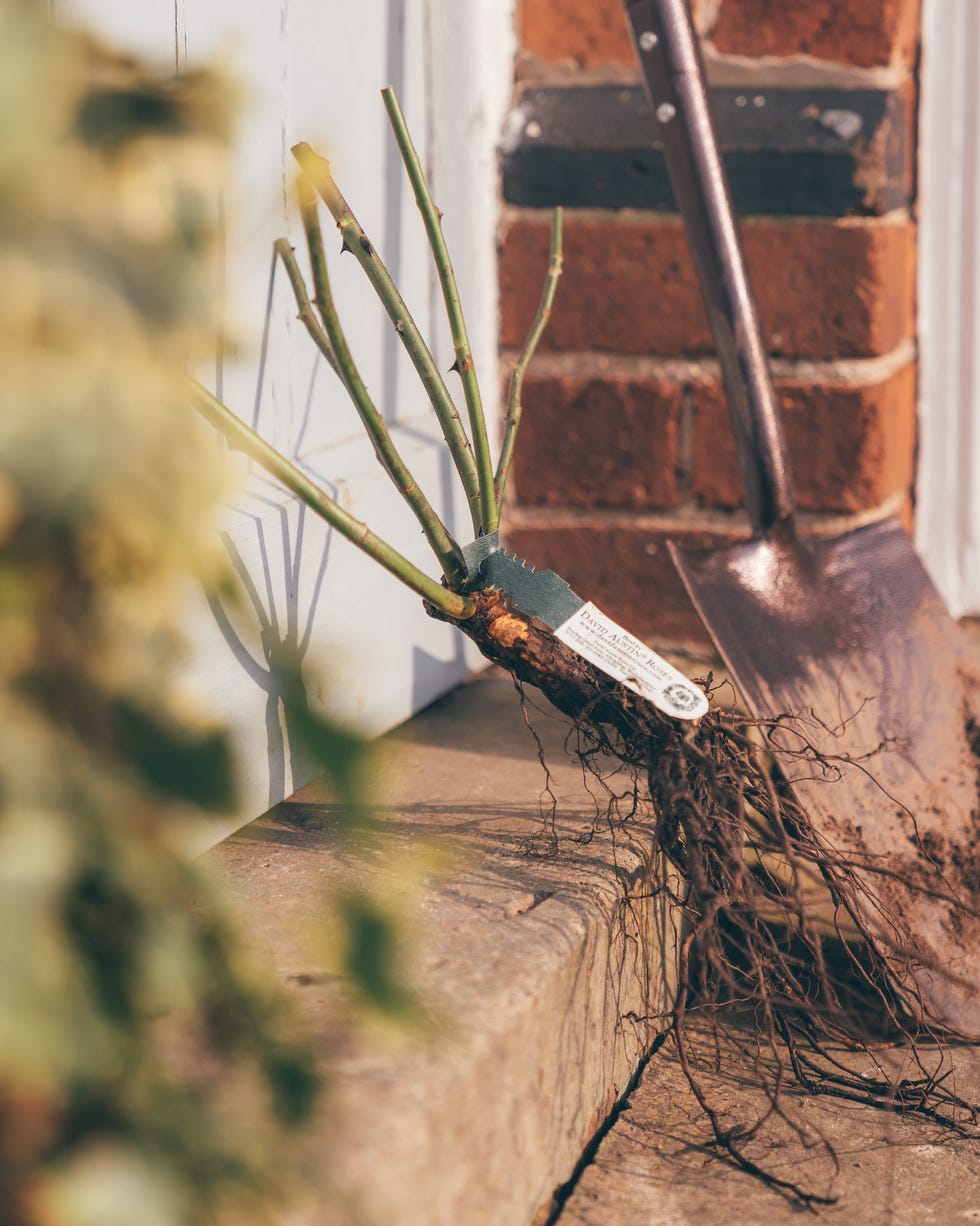
Bare root plants need to be planted in autumn, before or in between frosty days. Plants supplied as bare roots are hardy and generally quite tough, so can go straight in the ground while dormant. Once planted, they will develop strong roots through the winter months which will help them to grow well once the weather warms up.
Simon Thompson says it gives the plant a head start. ‘This makes it much more likely the plant will thrive in its new position as it is not actively growing. If you were to move bare root plants during the growing season, it would add more stress and require more energy from the plant. There is also a higher chance of roots drying out and dying if bare roots are moved and planted during the warmer months,’ he explains. ‘Potted plants on the other hand can be moved almost any time of year as they are in a readymade environment.’
In terms of physical labour, it can also be easier. Bare root plants require a much smaller hole and in the case of hedging plants, you can dig a single trench and place all of your plants before backfilling with soil. If you’re planning a larger garden renovation, bare root plants are cheaper to buy in quantity and also easier and cheaper to transport.
Follow House Beautiful on TikTok, Instagram and Pinterest

Camilla Phelps is a freelance writer, gardener and horticultural therapist and lives in West Sussex. Coming from a background in art and music, she discovered horticulture as a second career, and retrained in garden design and planting at Capel Manor College, London. She went on to work on BBC gardening shows and websites, alongside designing gardens large and small in and around London. Since becoming a mother to twin boys she has focused on writing and developing community gardening projects for health and wellbeing.
Comments are closed.