
Pam Varga/Master Gardener
| Special to The Times


Ohio Leaf Disposal Laws: Burning, Bagging, And Alternatives
Discover how central Ohio residents handle fall yard cleanup with leaf burning restrictions and leaf collection services in Columbus.
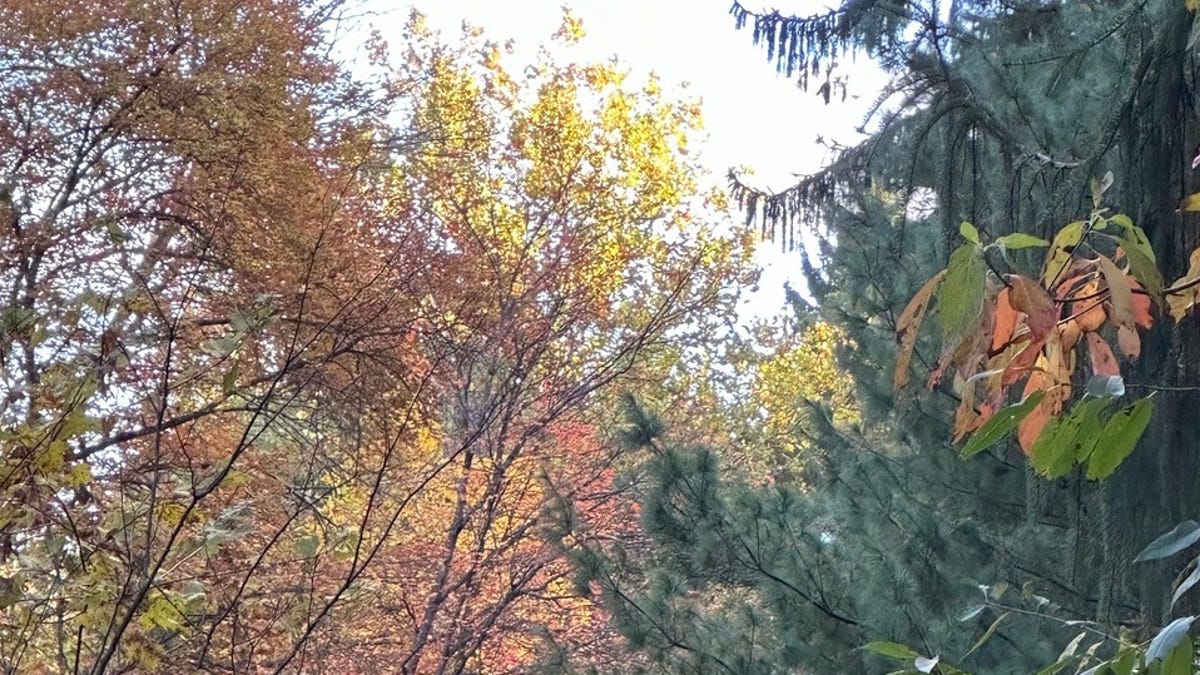
Brilliant reds, golden yellows and mellow oranges, nature’s rainbow of autumn leaves. Then they fall, covering your lawn with a carpet of color. Time to get out the rake. Bag the leaves and send them off to the landfill, or chop them into tiny pieces with your lawnmower or mulcher, or perhaps even burn them. Actually, these are not such good ideas … It’s much better just to leave the leaves.
The first benefit of doing so is for wildlife. The layer of fallen leaves provides winter shelter and insulation for many creatures, including insects, spiders, toads, salamanders, some snakes, earthworms and soil microbes.
Many butterflies and moths depend on the leaf litter as an essential part of their life cycles. Some lay their eggs on the leaves that fall to the ground. The eggs will hatch in the spring. When autumn arrives, many butterfly and moth caterpillars drop to the ground from their host plants and spend the winter under the leaves. The familiar black and brown Woolly Bear caterpillar sleeps under the leaves through the cold. Other butterflies and moths spend the winter under the leaves inside their chrysalises and cocoons. Even some adult butterflies, such as the beautiful Red Admiral, overwinter under the leaves. The beautiful jade green Luna moth caterpillar incorporates leaves into its cocoon. The camouflaged cocoon drops to the ground and will be protected by the leaf layer until the adult emerges in the spring. Ninety-four percent of our moths follow the same pattern in their life cycles. Queen bumblebees, as well as 30% of our native bees, burrow a few inches under the soil. The leaf layer provides them with extra insulation and warmth and helps to keep the surrounding soil moist. We all love to see fireflies flashing their lights on warm summer evenings. Firefly larvae live for two to three years under the leaf litter, preying on smaller insects and surviving the winter.
It isn’t just insects that depend on the carpet of leaves. Once common Eastern Box Turtle adults and hatchlings dig about 2 inches down into the soil and are protected by the blanket of fallen leaves. Birds and small mammals forage through the leaf litter searching for food. Ninety-five percent of our songbirds depend on insects to feed their nestlings.
Next is the benefit to plants. Leaves are nature’s compost and fertilizer. A blanket of leaves provides insulation for plant roots and helps to retain soil moisture. As the leaves decompose, they return vital nutrients to the soil directly to plant roots, promoting spring growth. Use a layer of leaves about 3-5 inches over your garden plants and around your trees and shrubs. Don’t mound the leaves into a “volcano” shape around tree trunks. This can be harmful. Add fallen leaves to your compost pile or make a pile of leaves to decompose over the winter and produce a natural compost called “leaf mold.” The leaf mold compost can be applied to your plants in the spring. A layer of leaves also helps to suppress the growth of unwanted weeds.
And then there is the benefit to the environment. Yard trimmings and leaves account for 13.5% or 300 million tons a year of the waste buried in landfills. The decomposing waste in landfills produces harmful methane gas, which contributes to climate change. Gas-powered lawn mowers and mulchers create air pollution. Chemical fertilizers are carried away by rain runoff and contribute to water pollution. Layers of leaves help to prevent soil erosion.
Finally, there is the benefit to you. Using leaves as natural mulch and fertilizer saves you money. Not mowing or chopping up the leaves saves you time, work and energy. You’ll save money on gas for your mower and mulcher. Best of all, you’ll have more time to enjoy the season.
For the benefit of wildlife, plants, the environment and for you, have I convinced you to leave the leaves?
Pam Varga is a Penn State Beaver County Master Gardener.
Comments are closed.