
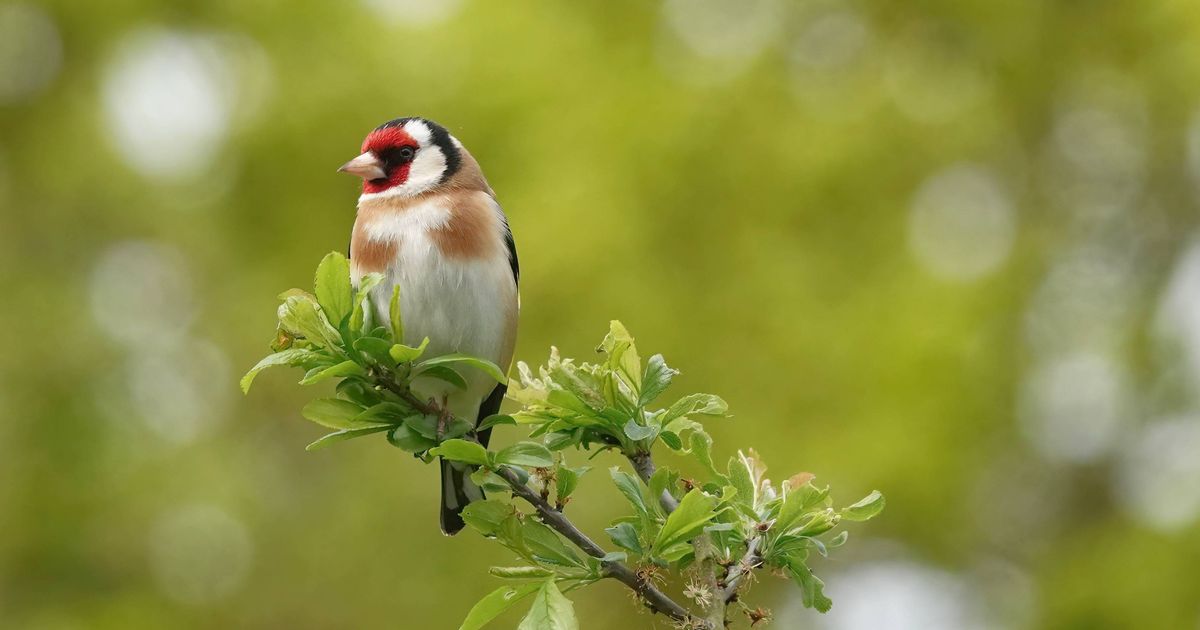
With the right set-up and plants, bird lovers can attract small birds, like goldfinches, to their garden during the colder months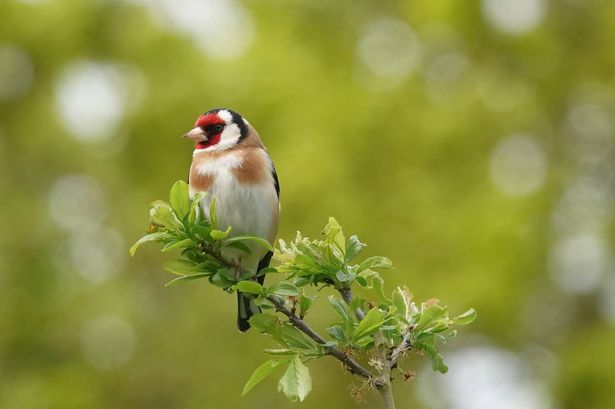 Goldfinches are thought to be drawn to three particular plants(Image: Nigel Harris via Getty Images)
Garden experts say there are numerous methods to observe and appreciate birds during winter with the right setup. For smaller garden birds, such as goldfinches and robins, the colder months represent a vital period for locating food and preserving energy levels.
Nic Wilson, a Guardian Country Diarist and author, identifies three specific garden plants that particularly attract goldfinches. In the latest edition of BBC Gardeners’ World Magazine, she explained: “A good pair of binoculars can help you pick out the details of a bird’s plumage, especially when watching from indoors. The magnification makes it easier to distinguish blue tits from great tits and dunnocks from house sparrows.
“Or, if you’ve got seed heads in your borders, you might get the chance to study the spectacular red neck and white patterning on a goldfinch’s head. In my garden, they go for the seeds of Verbena bonariensis, Russian sage, and lavender.”
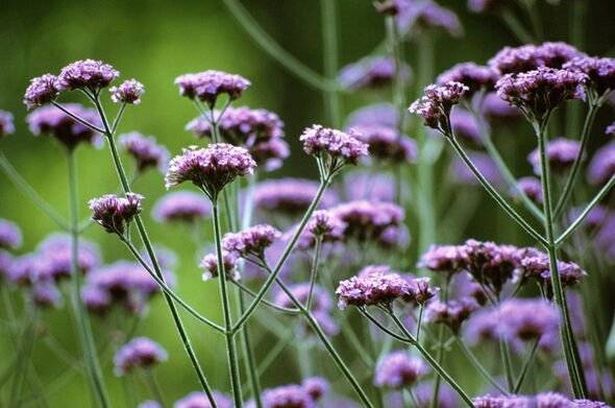 Goldfinches are attracted to Verbena bonariensis mainly for its seeds and the plant’s structure(Image: GETTY)Verbena bonariensis
Verbena bonariensis (also known as tall verbena or purpletop vervain) is a perennial flowering plant commonly cultivated in gardens. It’s recognised for its tall, delicate structure and extended flowering period.
Goldfinches, which are predominantly seed-eating birds, are attracted to Verbena bonariensis for multiple reasons. The plant yields abundant small, nutrient-rich seeds from late summer through autumn, ideally suited to a goldfinch’s beak.
These smaller birds favour nyjer (niger) seeds, sunflower hearts, teasels, and similar small, oil-dense seeds. With Verbena bonariensis, its seeds are loosely perched on tall, open clusters, providing birds with an easier opportunity to cling and feed without the struggle of prying seeds free.
Gardeners’ World’s Monty Don has lauded Verbena bonariensis for its reliability, as it continues to produce seeds when other food sources become sparse.
Its lofty, open structure also enables goldfinches to feed securely while remaining vigilant for predators.
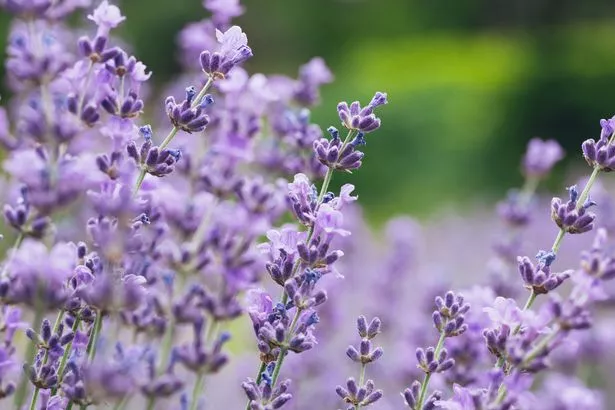 Small birds are drawn to aromatic plants like lavenderLavender
A Little Bird Company suggests that goldfinches are attracted to fragrant plants like lavender, as their natural oils help ward off parasites and insects – a feature that can make nests safer for their offspring.
They also favour lavender’s seeds as they are small, easy to access, and available late in the season.
However, they are mainly a supplementary food rather than a high-energy staple.
The plant’s open stems also provide good visibility so that birds can be more aware of their surroundings.
Russian Sage
Russian sage (Perovskia/Salvia yangii) is a perennial plant with silvery-grey foliage and spikes of small lavender-blue flowers.
Birds, such as goldfinches, are sometimes drawn to it for its seeds and structure.
The plant produces small seeds after flowering, which birds can easily peck at.
Like lavender and Verbena bonariensis, Russian sage also has tall, open stems that allow goldfinches to perch and feed safely.
Its seeds remain available into late summer and autumn when other sources are scarce.
 Monty Don of Gardeners’ World(Image: Getty)
In addition to plant-based food, goldfinches are particularly drawn to high-fat seeds in feeders.
Bird specialist Tom Ferris reveals: “Goldfinches love nyjer seeds and sunflower hearts, which provide the high-fat energy they need in colder conditions.”
In conversation with Express.co.uk, he continued: “Placing a dedicated nyjer feeder in a sheltered, quiet spot can make a noticeable difference.”
Horticulture expert Monty agrees, observing that nyjer ranks amongst the most favoured seed varieties for goldfinches, house sparrows, siskins, and tits.
To attract their interest, he recommends scattering the seeds across a log, enabling smaller birds to access them, or employing a feeder purpose-built for small seeds.
Comments are closed.