
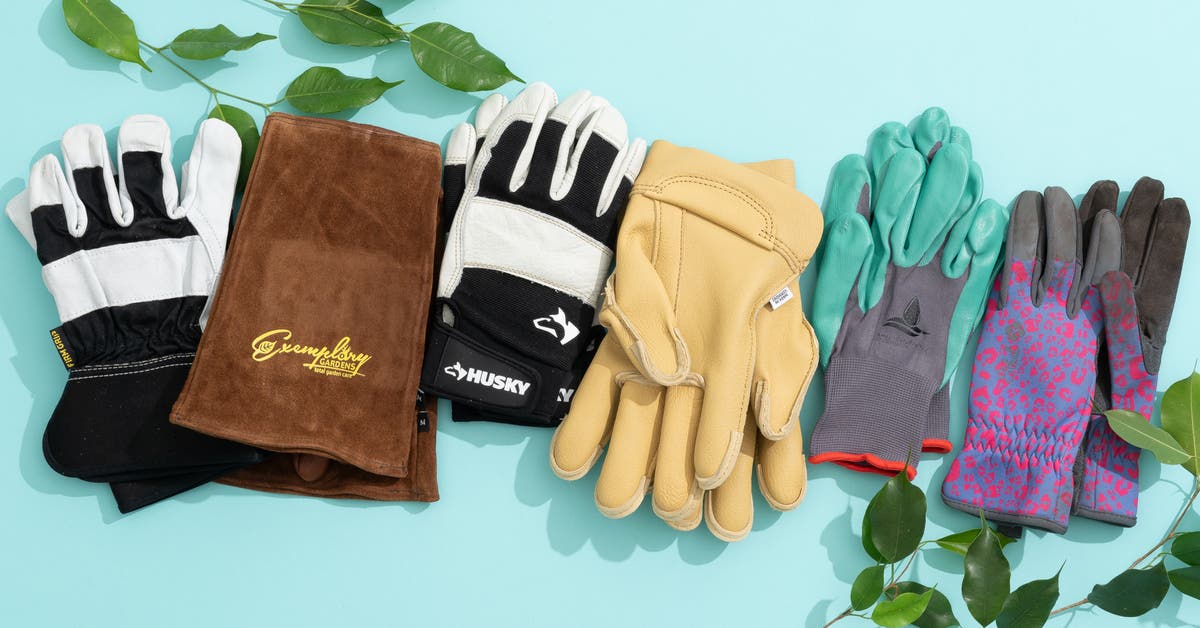
“Gloves are a very personal thing,” said Andrea DeLong-Amaya, director of horticulture at the Lady Bird Johnson Wildflower Center. She’s still in search of her own perfect pair. Although the platonic ideal of a gardening glove may remain elusive, a few factors defined our search criteria.
Strong material: We called in gloves made of various kinds of synthetic material, leather, rubber, and multiple kinds of fabric. We even considered one pair entirely made of cotton, a textile that our previous guide writer found was “simply not worth having” because it’s so fragile (she was right).
During testing, we asked our eight community-garden volunteers and six paid testers specifically about texture. Any serious sensory issues with tags, jutting seams, or scratchy elastic relegated the gloves to the toss pile.
Size inclusivity: It was surprising to find, in the year 2024, how many manufacturers still divide their gardening gloves into two broad gender-based categories: one made of rugged, unadorned leather and the other made of flowery, thin fabric. About a third of the 40 gloves we evaluated had names that specified whether they were aimed at men or women (“work gloves” were often the former, and “gardening gloves” were usually the latter).
Although there are variations in hand size between people of different sexes, they’re minor, averaging about a third of an inch in breadth and half an inch in length, according to one study. As for differences in the palm circumference between standard sizes, there’s about a 1-inch difference—7 inches is a size small, 8 inches is a size medium, and so on, up to 11 inches for an XXL glove, according to Ansell, a personal protective equipment manufacturing company.
Our advice is to seek a size chart and go by that. You’re more likely to find a pair that fits if you can order by the numbers, rather than by a gendered size estimate.
Fit versatility: We sought features that helped any given pair of gloves fit securely even if the sizing was only approximately correct for the tester. Differences emerged in testing if a glove had Velcro versus tight elastic around the wrist, for example. Our objective was to recommend gloves that were customizable enough for the wearer to maintain dexterity while preventing the gloves from falling off or keeping dirt from falling in.
Comments are closed.